Embracing winter
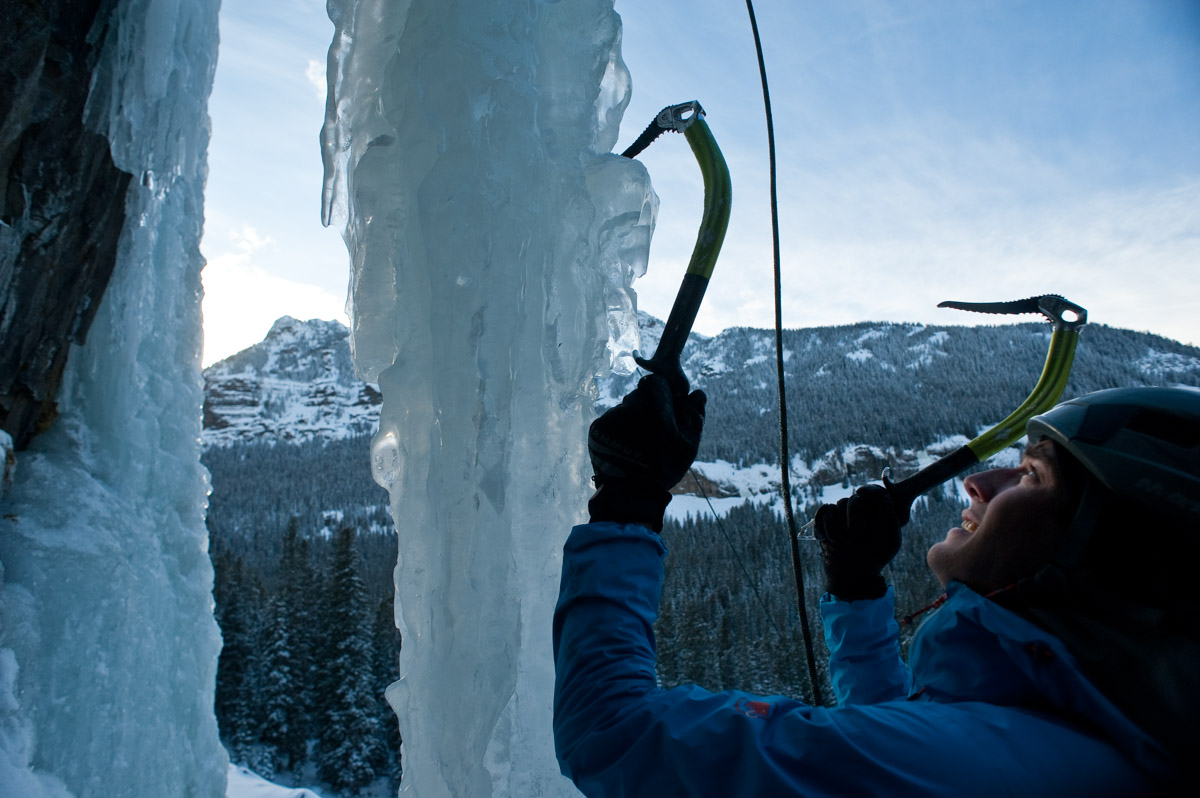
Like many parts of the country, Montana is weathering through a patch of frigidity these days. Even for us, this is especially cold. But opportunity is in the eye of the beholder and here in Bozeman, we happen to be close to a center of great ice climbing famous the world over: Hyalite Canyon.
Last year, Sierra magazine assigned me to photograph a Veterans Expeditions trip up Hyalite that brought about a dozen veterans up to a U.S. Forest Service cabin for a few days of adrenalin-pumping fun.
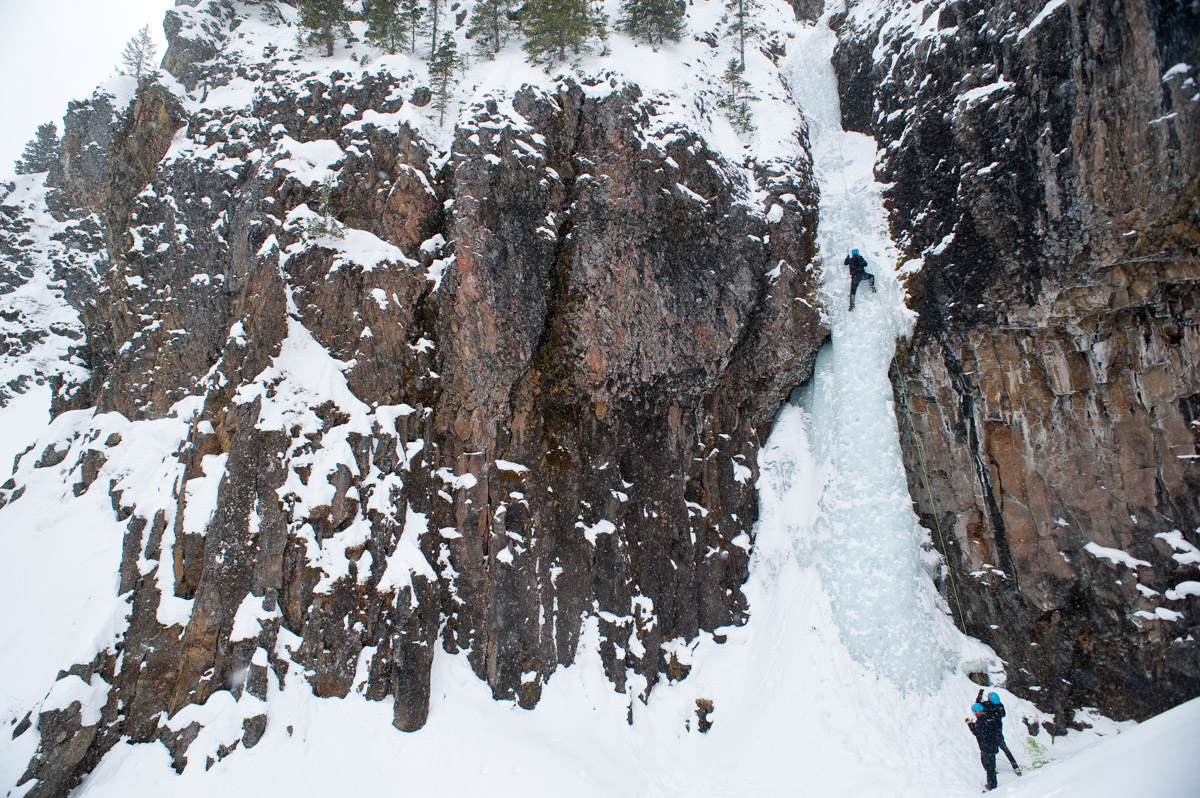
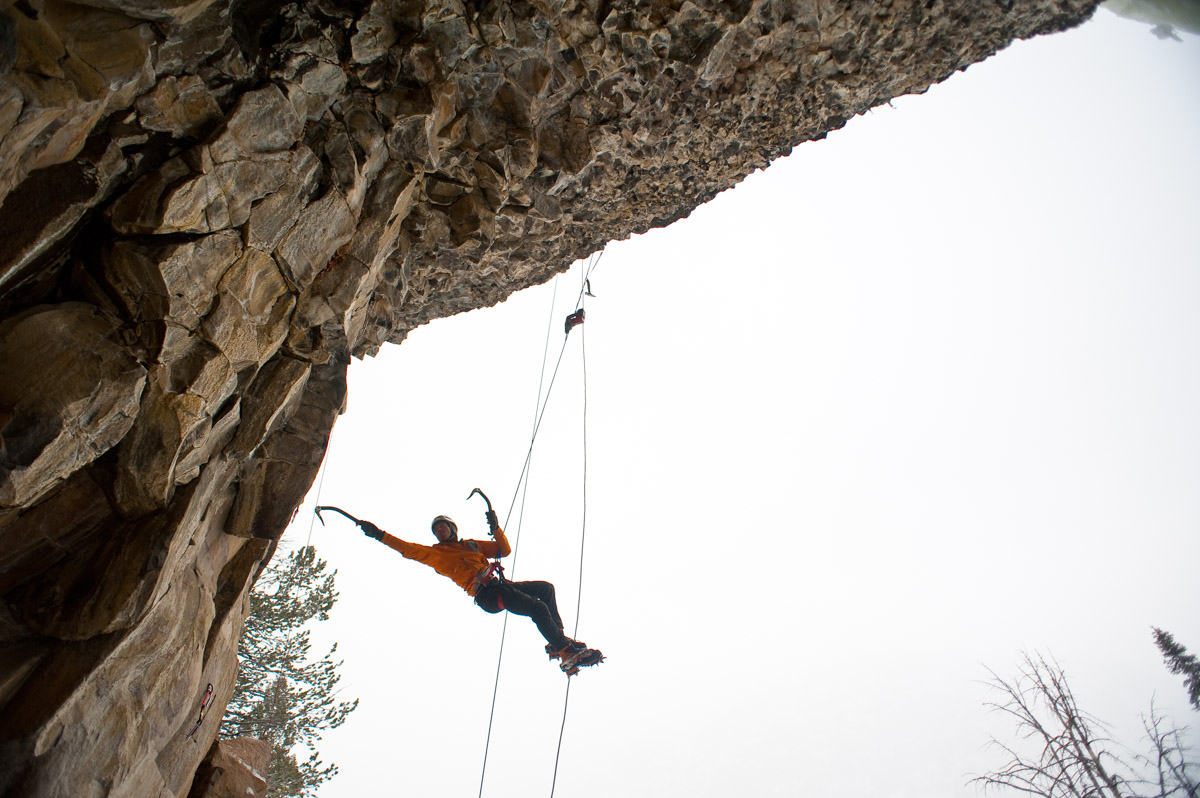
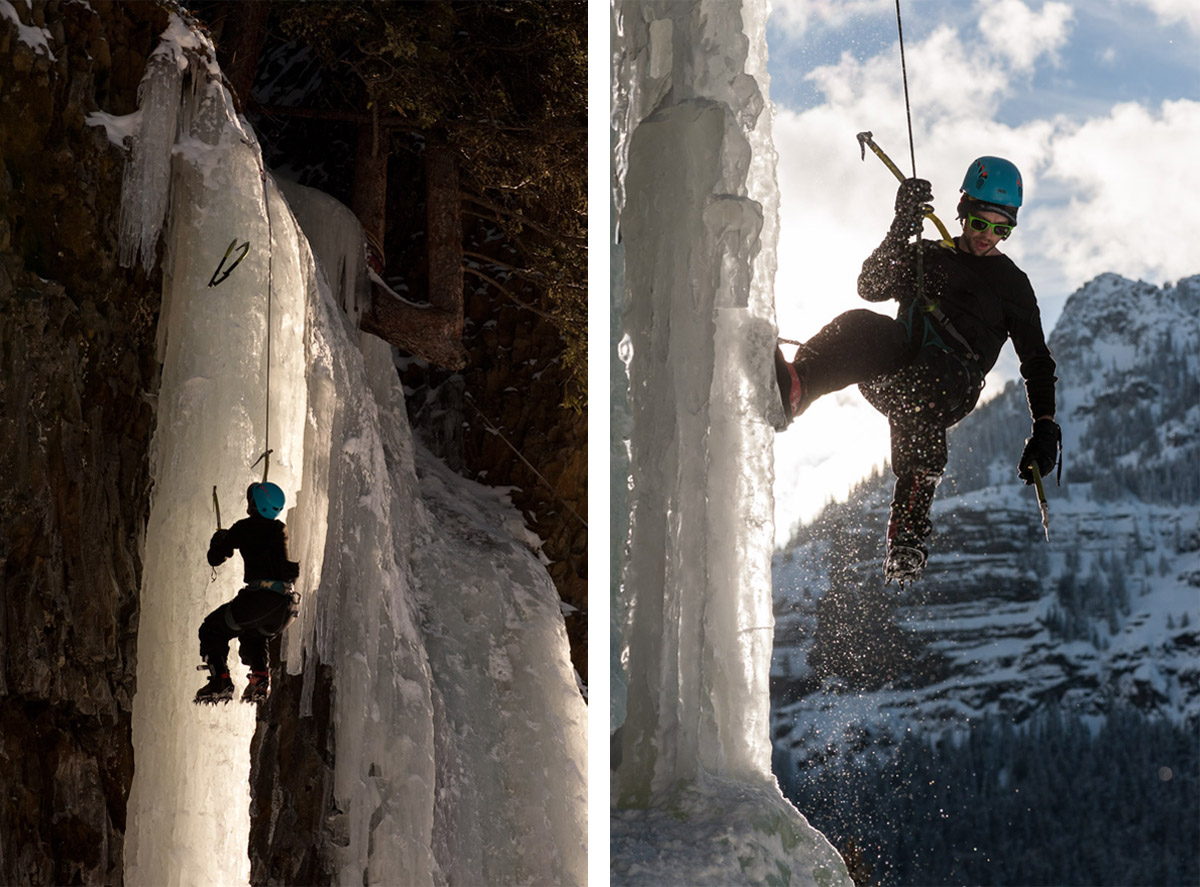
 The story focused on Demond Mullins, a 31-year-old Ph.D. student, former dancer and model, from New York City who served in Iraq and like the rest of the expedition, was seeking a way to readjust to non-combat life. Mullins would soon become a husband and sociology professor.

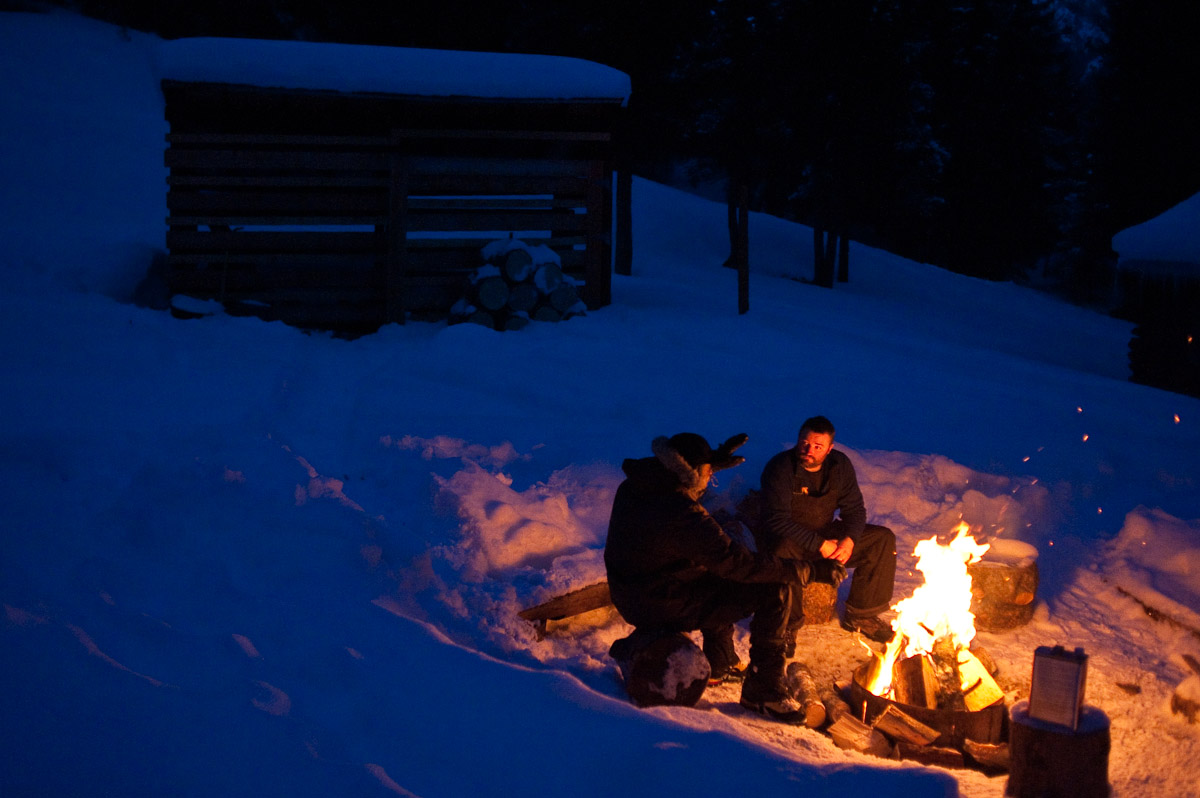
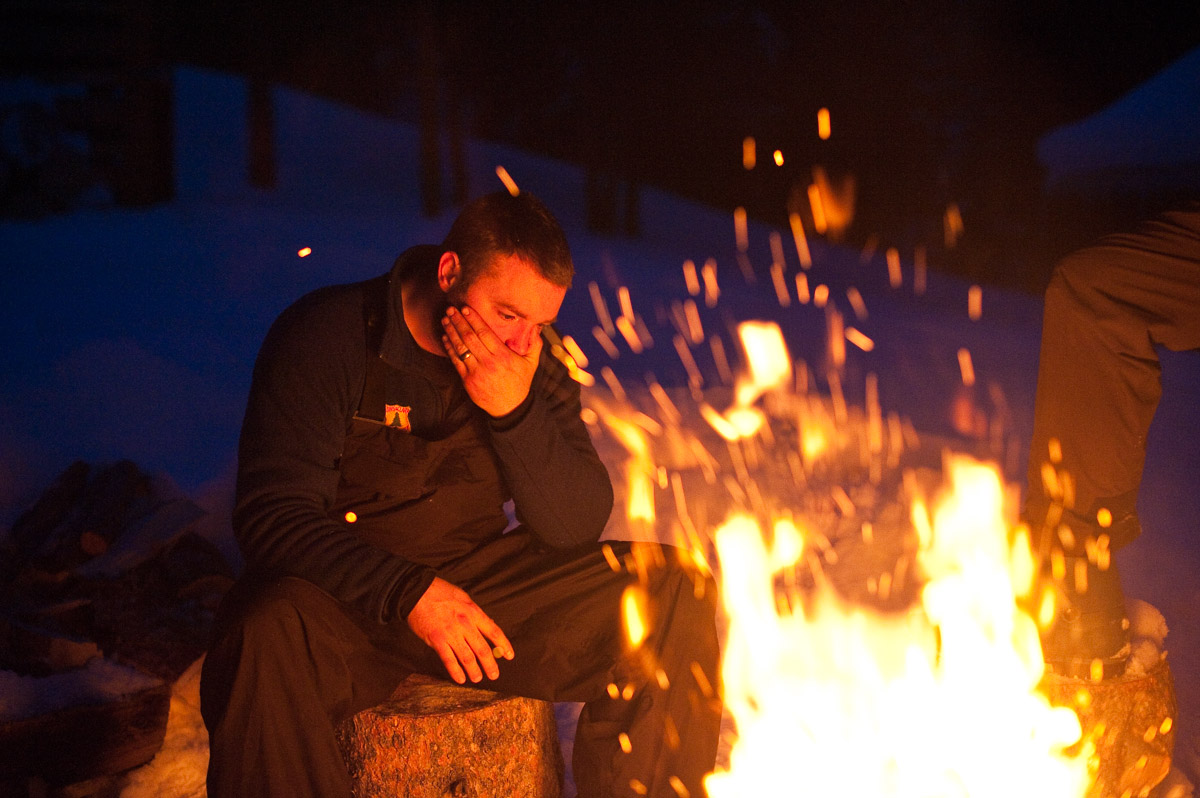
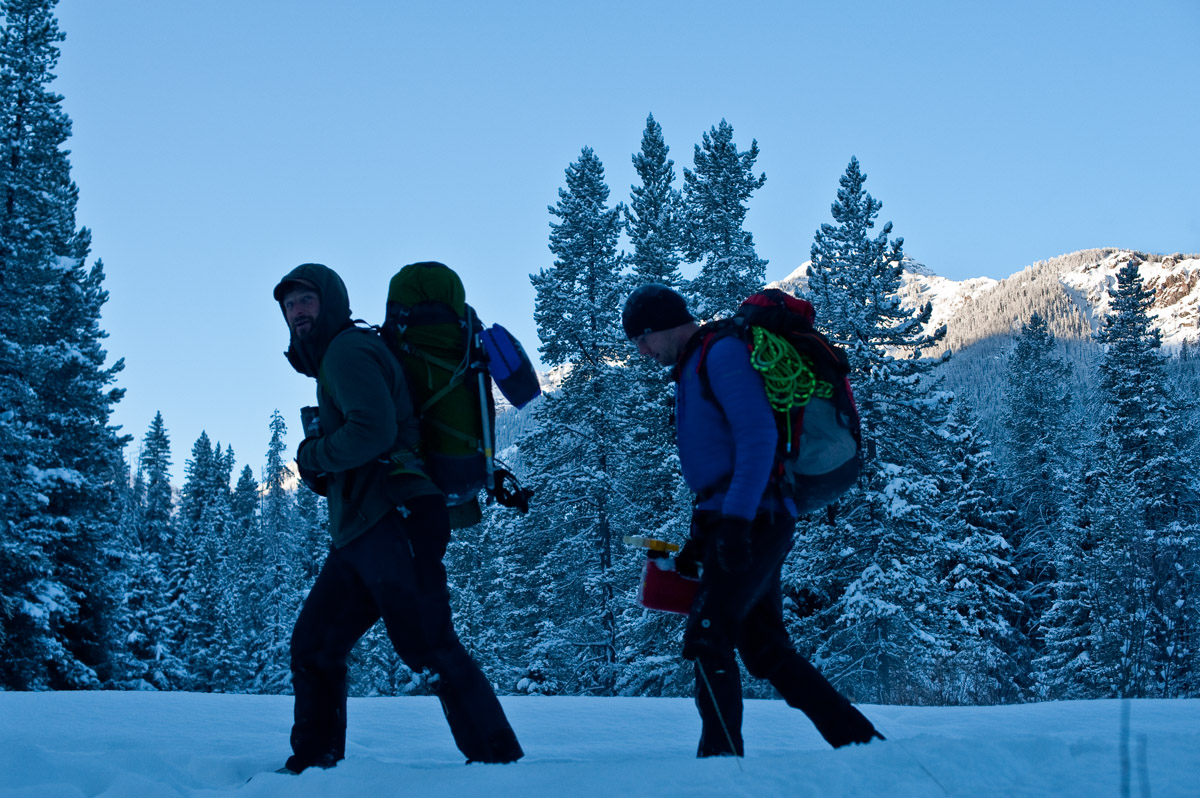 The group talked to me about the camaraderie of being among people with a shared set of experiences. About how people who had been strangers a week before were now close friends who could relate to missing the adrenalin rush of combat and the difficulty of re-entering a world ignorant of what it is like to be shot at.

Up north
I often speak about my love for the rural American West. I love its spirit, its character.
Sometimes that character is visible in the faces of those that live here. Other times, on the landscape.
Here are some pictures from a recent trip through Fort Benton and on up onto Montana’s Hi Line:
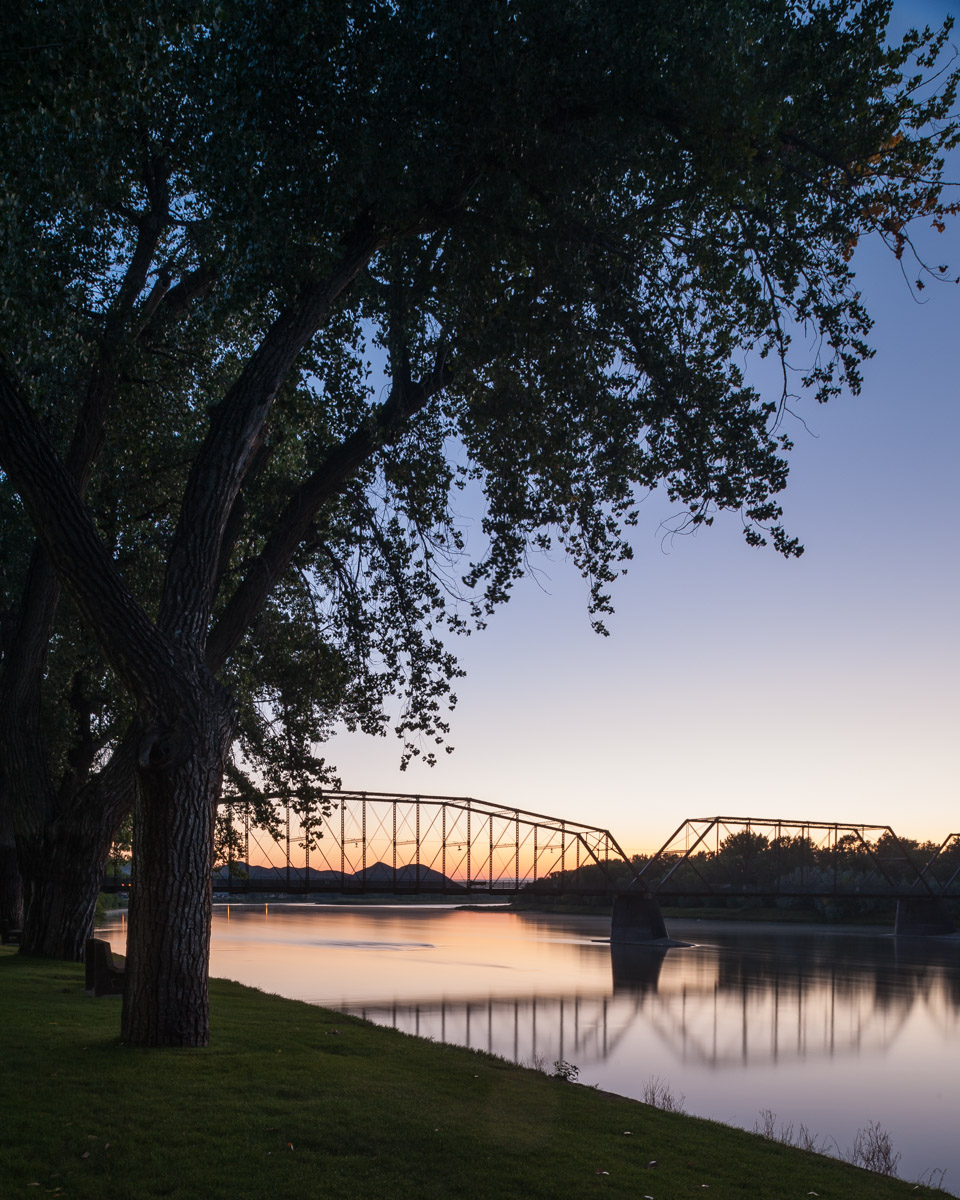
Fort Benton, along the banks of the Missouri River, bills itself as “The Birthplace of Montana.” It was established as a fur trading center in 1847 and was the farthest a steamboat could reasonably travel up the Missouri from 1860 until the railroad came through toward the end of the 19th century.
 The land in central and northern Montana is rolling, fertile farmland these days. This is one of Montana’s Square Buttes. This one is near the town of Square Butte south of Fort Benton and I’m aware of another Square Butte near Great Falls.
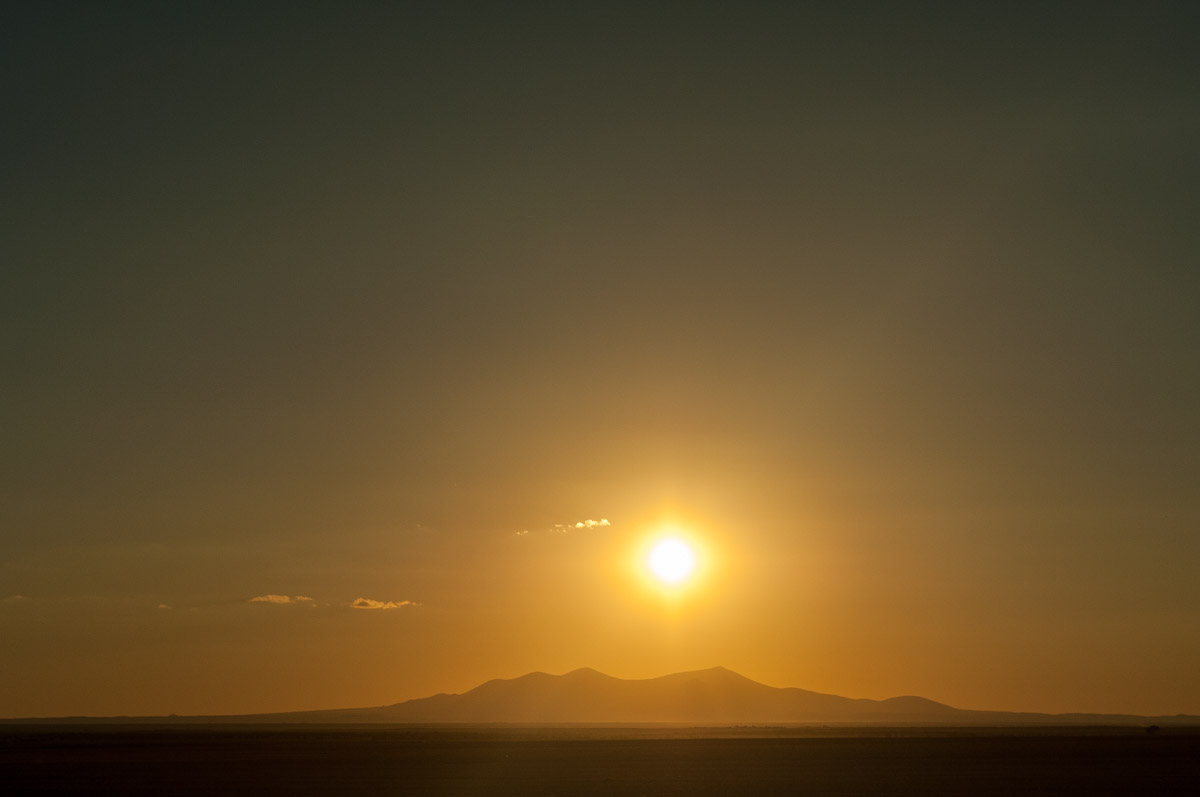 Then farther north is Montana’s Hi-Line, so named after the railroad that runs along the northern edge of the state. These are the Sweetgrass Hills, rising to the northwest of Chester.
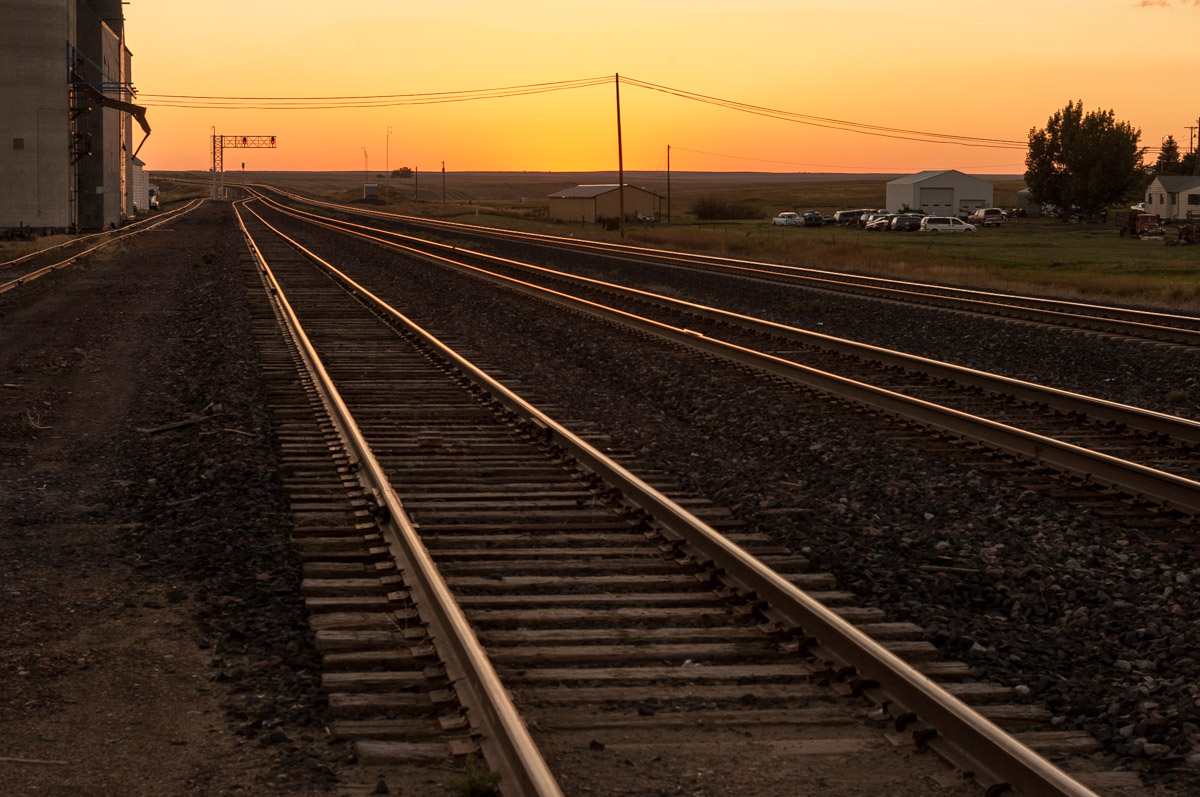 The railroad, now run by Burlington Northern, is key to the settlement of the towns along Montana’s northern edge like Rudyard.
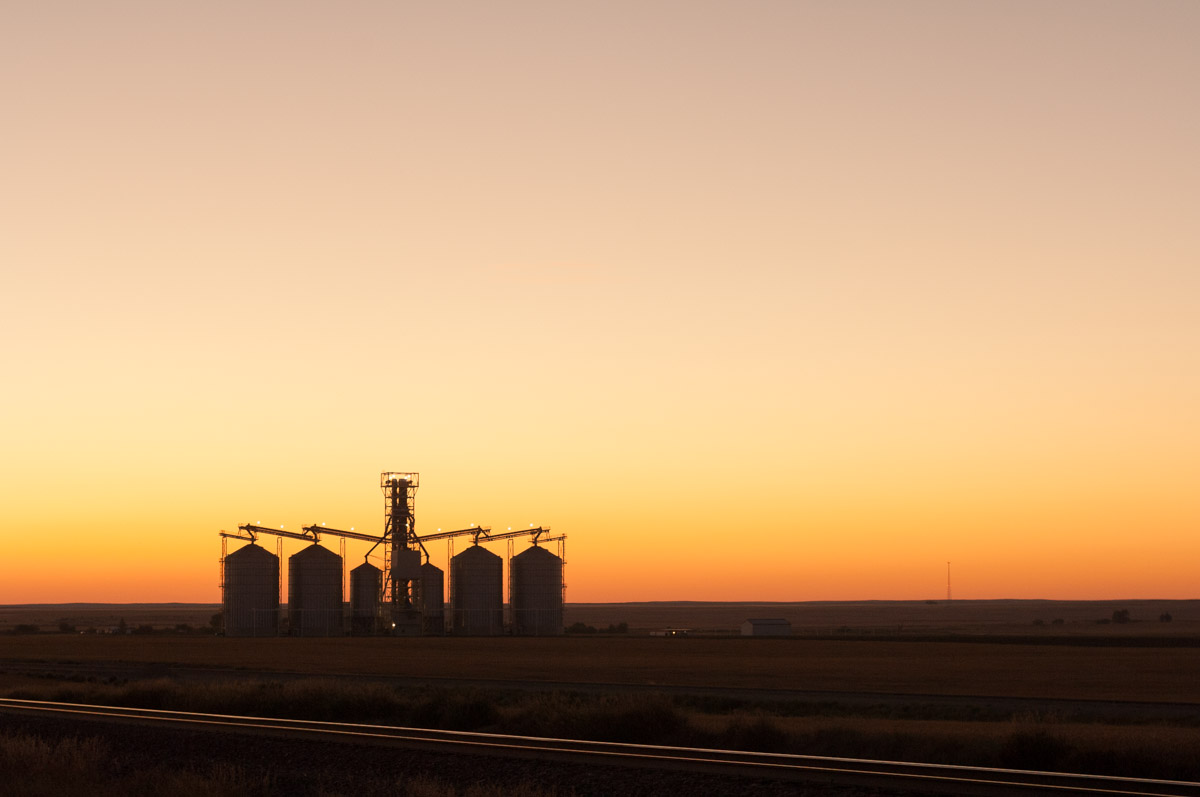
 Resourceful, adaptable, creative and clever — all attributes that can be seen aplenty in towns like Joplin.
Odoriferous

Meet Pepin, an 8-year-old Belgian malinois. Pepin’s special, but not because of his fancy breed. He’s special because he’s crazy.
“Spirited,” or “high energy,” might be more diplomatic, but when Megan Parker of Working Dogs for Conservation went looking for a dog, crazy was a good thing. Working Dogs for Conservation is a program that uses dogs and their great scenting abilities to, “find poachers’ snares in Africa, exotic weeds from Missoula to Minnesota, and stream contaminants such as pharmaceuticals,” says the article Jeff Welsch wrote in the winter issue of Montana Quarterly.
The dogs are also being trained to smell a stream and tell if native fish species like cutthroat trout are present, or if non-native species have taken over. Really.
And Megan Parker says one in 1,000 dogs are suitable for the program.
“They’re so super high energy, it’s a little scary,” Welsch quotes her as saying. “Pepin is sweet as the day is long, but he’s focused and toy obsessed…. They have to really want to do this.”
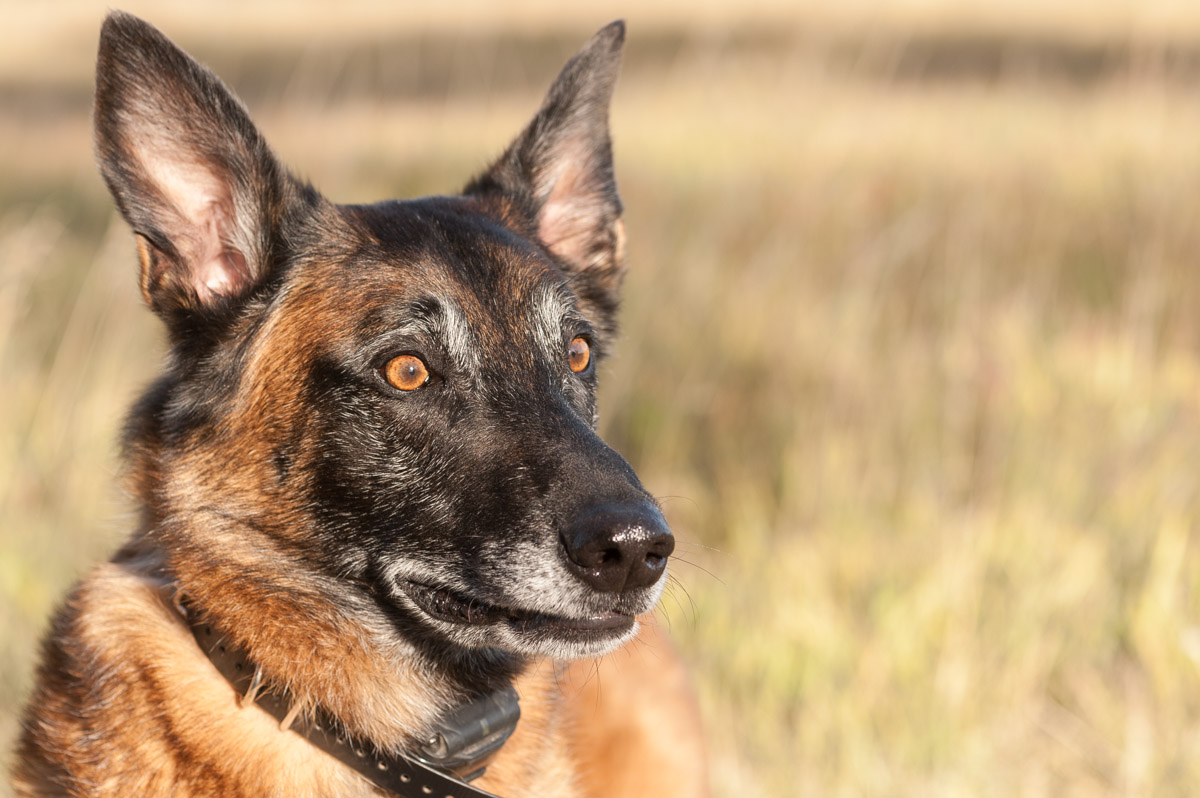
“Crazy eyes” is how Parker describes the look Pepin gets when it’s time to go to work.

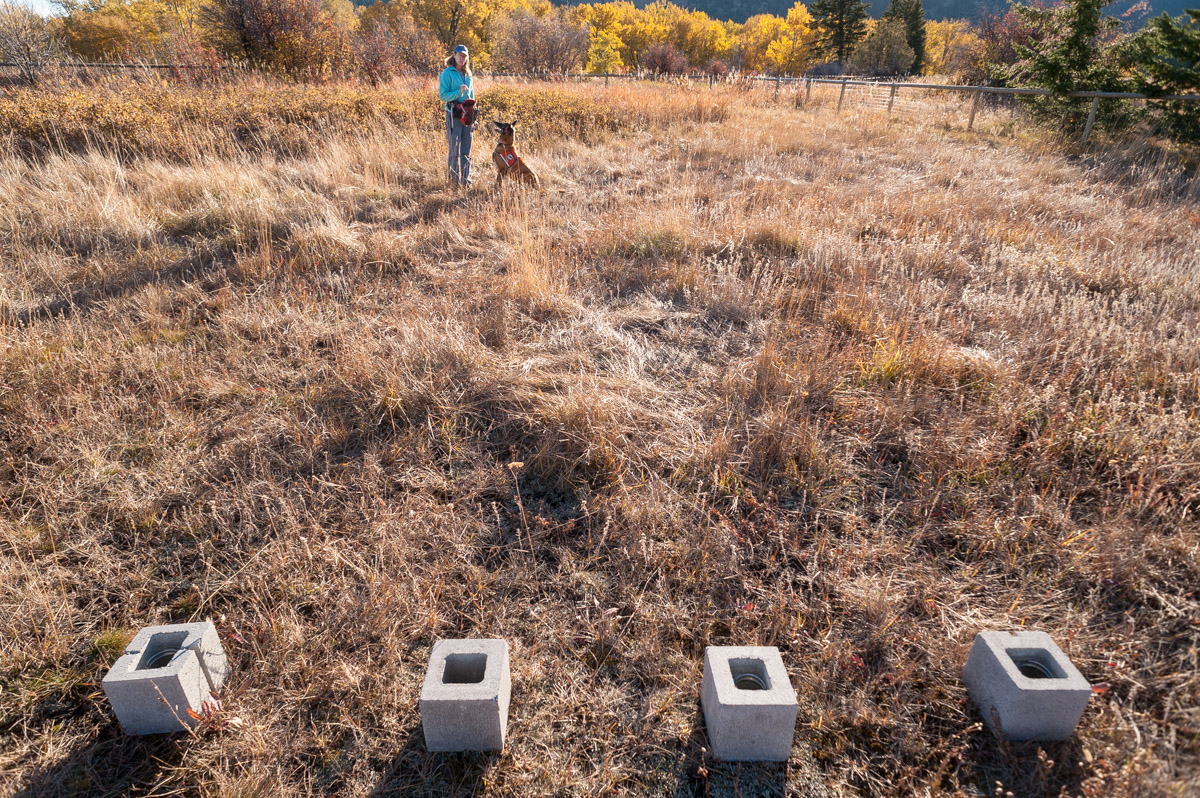
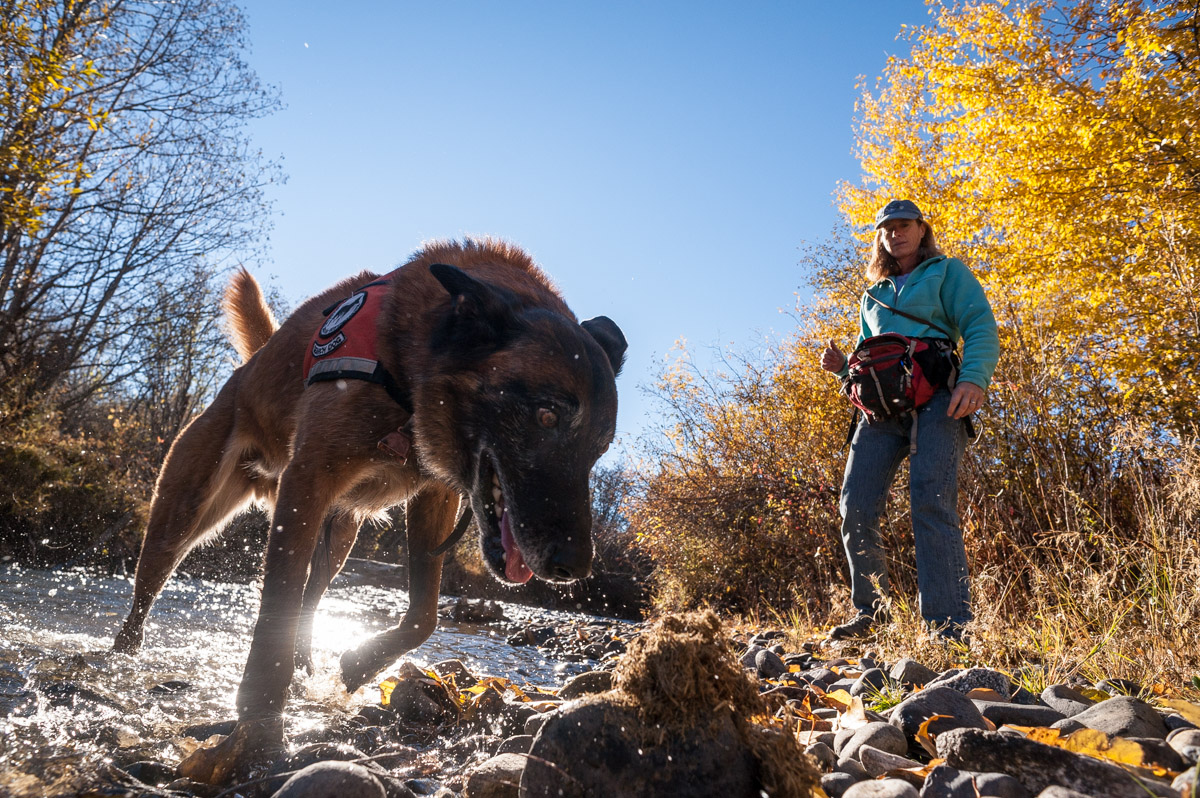
Preparing for a trip to Myanmar, Pepin must learn the difference between the scent of wild elephant dung and that of domestic elephants. In Myanmar, he will help researchers get accurate numbers on the endangered wild elephant population, which is surprisingly elusive in the dense jungle.
Actual scat from a wild elephant in Myanmar was collected and then sent to Bozeman so that Parker could hide it around her yard south of town and Pepin could find it in all sorts of places.
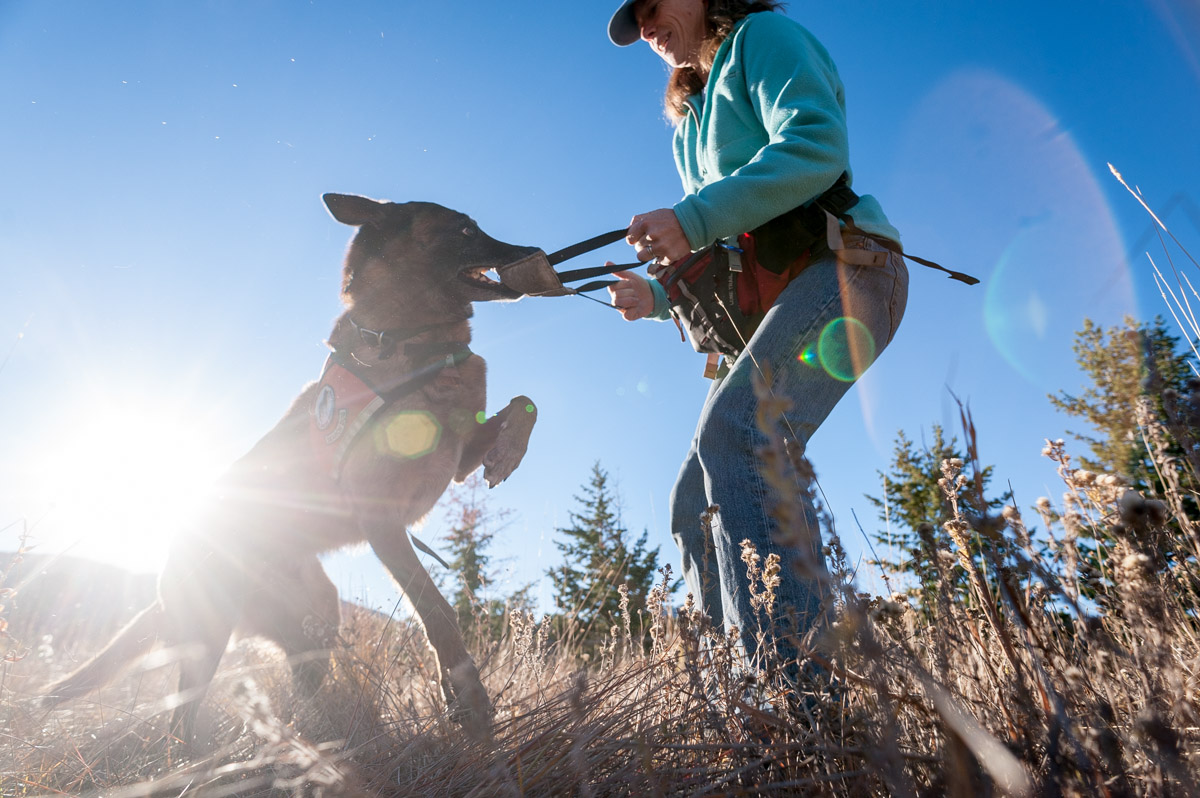
His favorite reward? Play.
Medicine Lake
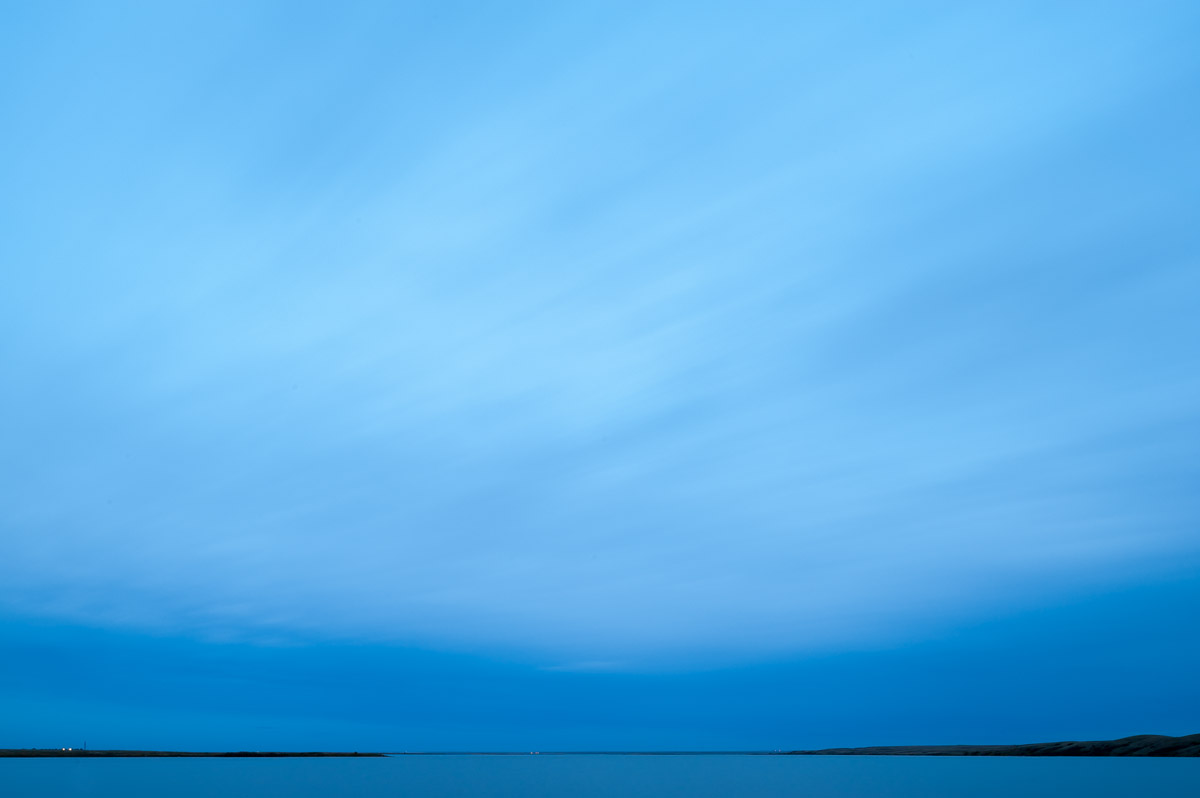
There’s a whole lot of empty up in northeast Montana. And that’s how people like it, I’m told. Medicine Lake is a town, a body of water, and a national wildlife refuge. I was lucky enough to be sent up there a few months back for Montana Quarterly magazine.
The wildlife refuge was established in 1935 to provide breeding and stopover habitat for migratory birds.
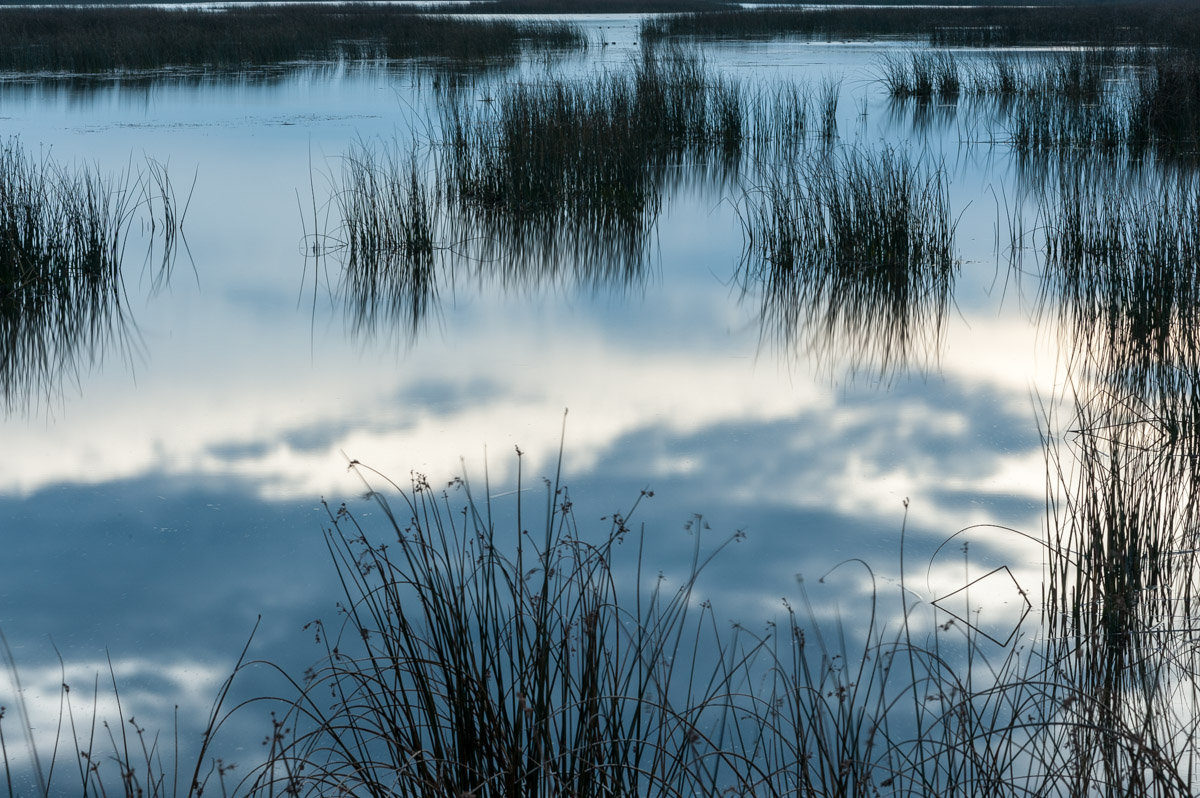
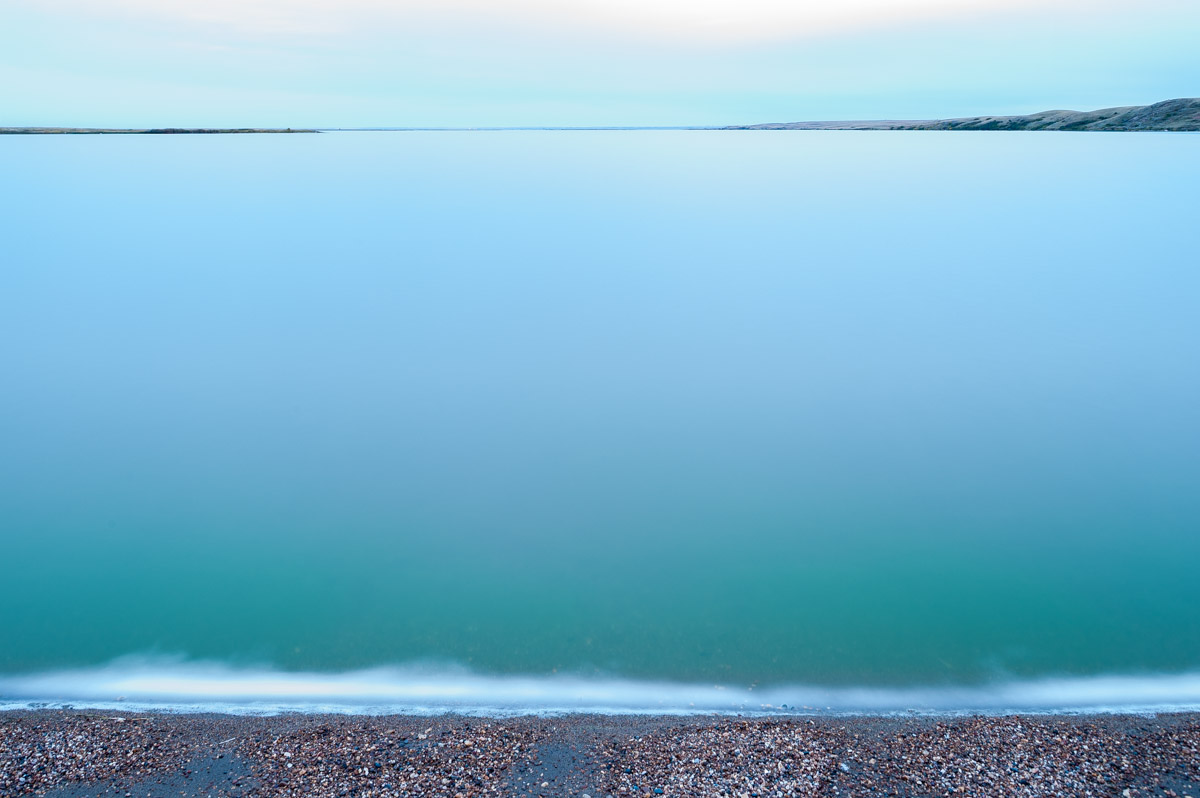
Medicine Lake the town touts its outdoor recreation, the ample wildlife, but the nearby Bakken oil field is seeping into its economy.
 Oil, a part of the economy of northeast Montana since the 1950s, has played a much bigger role in the last five years. And that brings something of a boom to Medicine Lake, attracting new people, new trades.
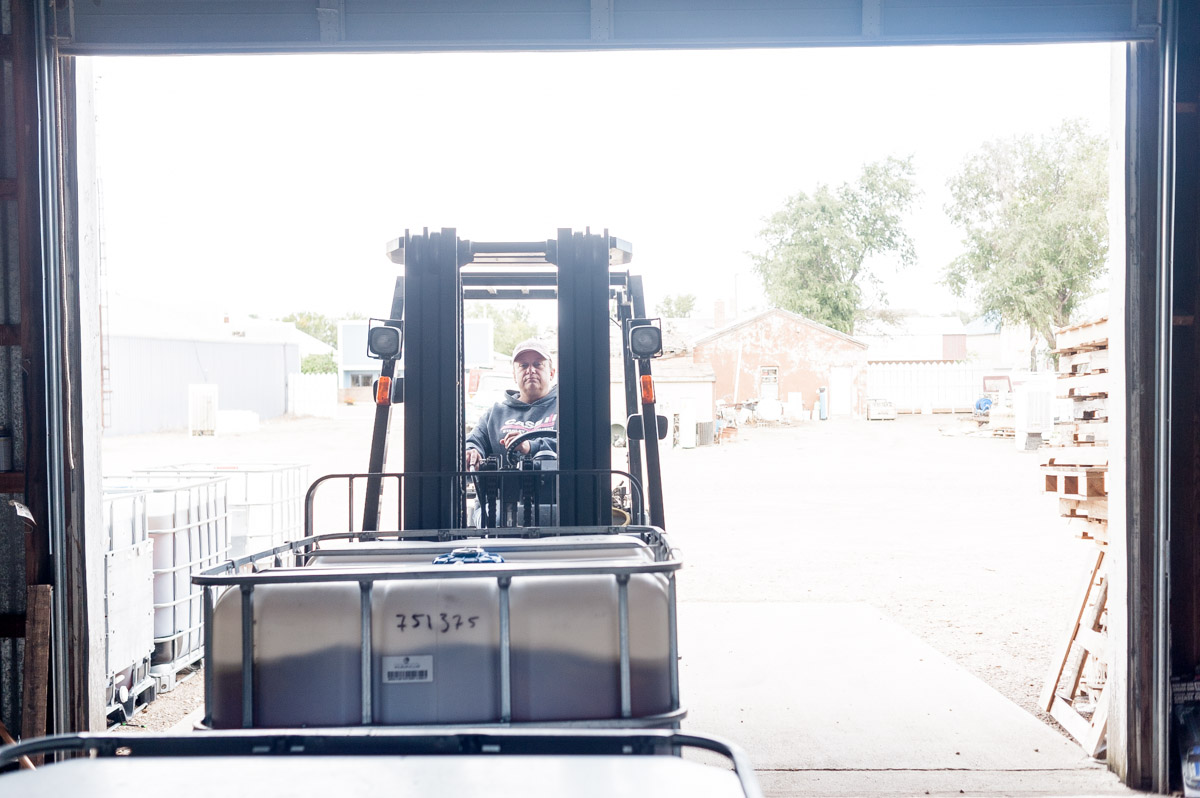
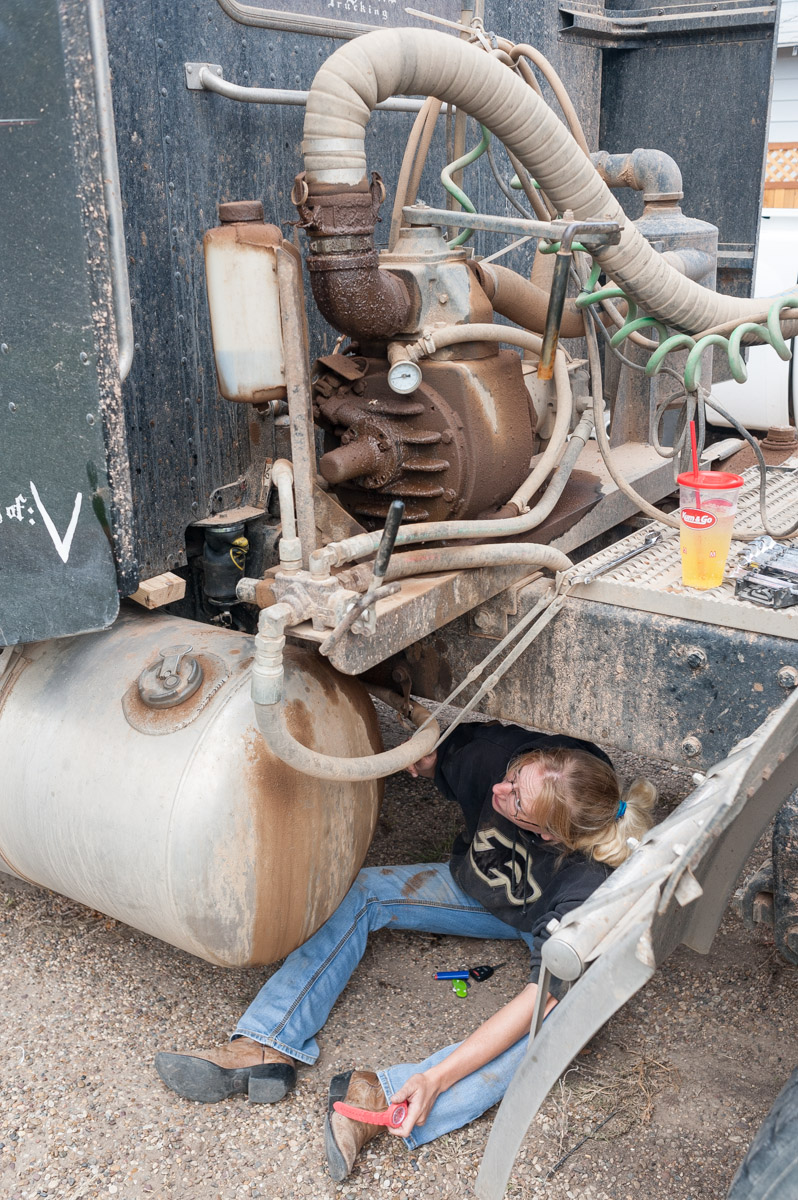 This is Edie Burris working on one of the Wignall’s Trucking rigs in Medicine Lake. The trucks haul water in the Bakken oil fields. “They welcome everybody here,” says owner Bart Wignall, who moved his water-hauling to Medicine Lake from Utah four years ago. “They made us feel part of the family,” he says.
Donna Swain manages Medicine Lake Supply. Swain says she came to Medicine Lake 2007 to visit a friend. “In those 10 days, I got a job, I rented a house, opened a P.O. Box, went home, put my two weeks in and moved straight back. Me and my 10-year-old.” She says she bought her house for $28,500 in 2008. It was appraised at $76,000 in 2011.
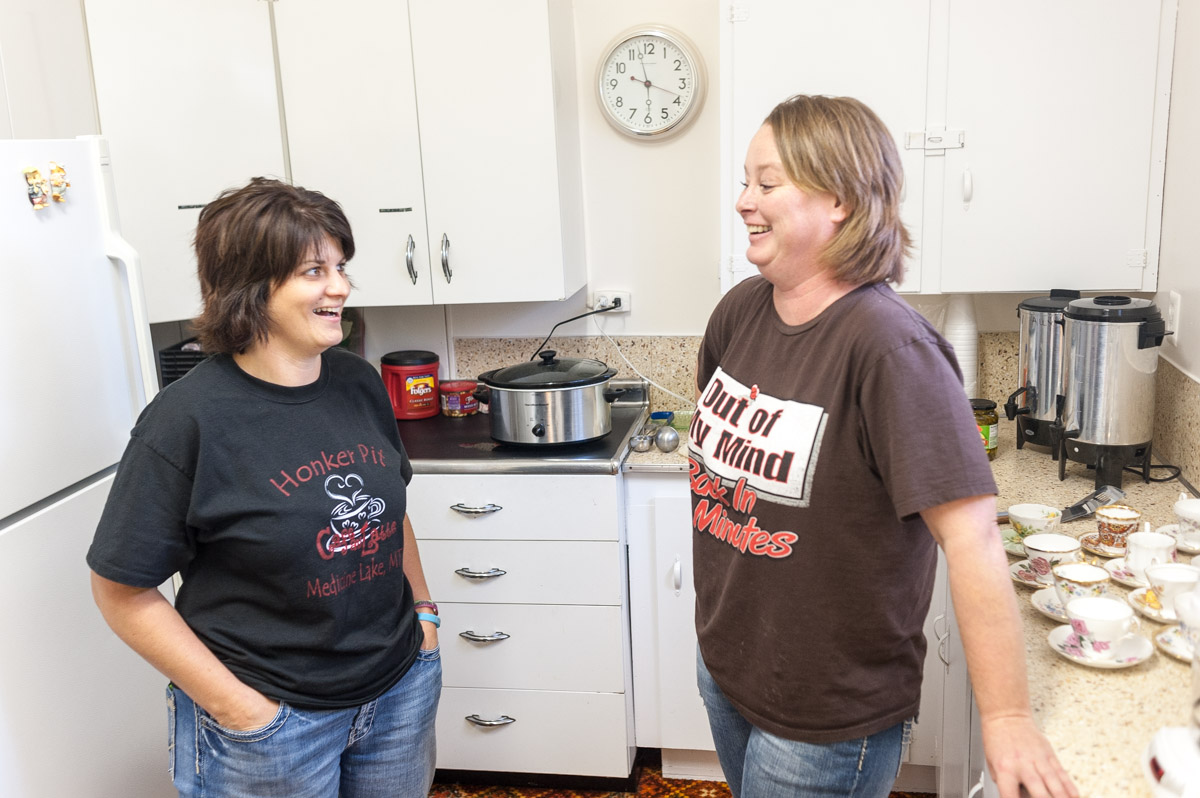 Sandra Trupe, left, manages the Honker Pit restaurant and Jodie Fuhrer, right, is her assistant manager. Trupe, a lifelong Medicine Lake resident, met Fuhrer when Fuher and her husband moved to town recently. They say they quickly became fast friends. Fuhrer says her husband commutes to Williston, N.D. every day to work in the oil field. She adds he turned down a promotion that would have required moving to Willistown.
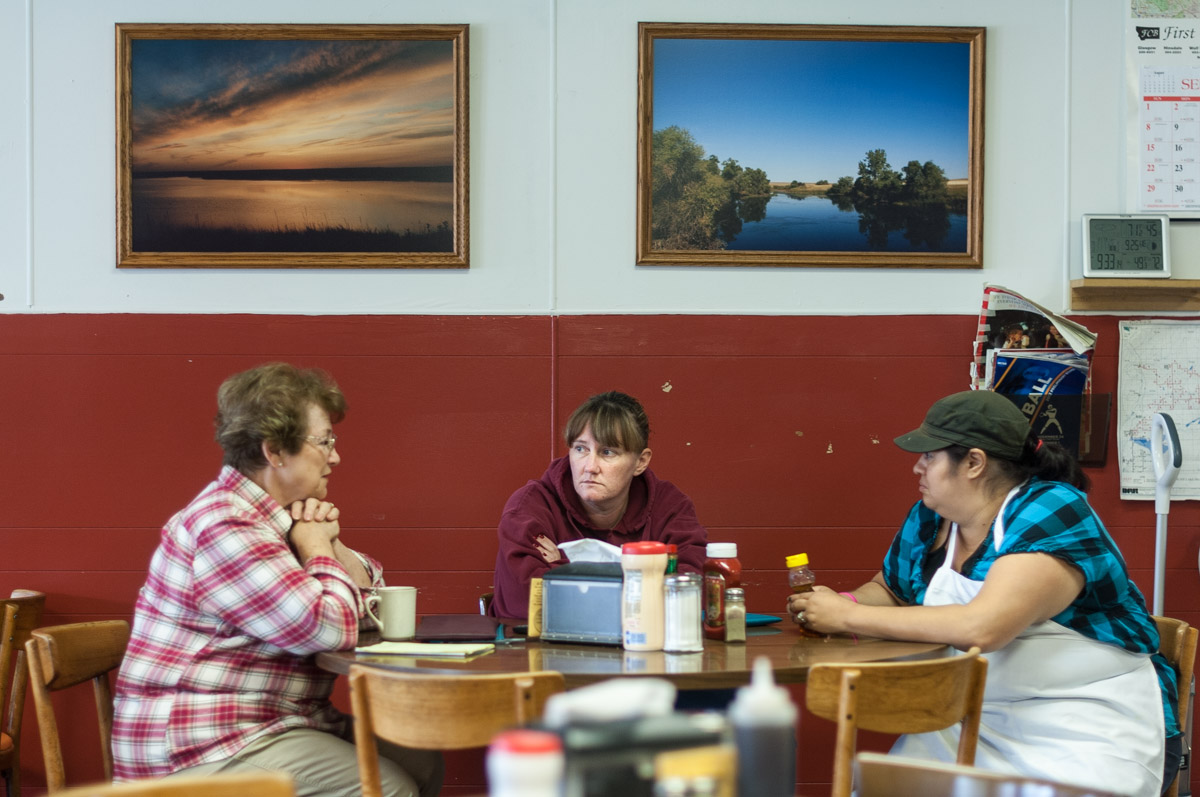
From left, Betty Hendrickson, one of the 15 owners of the Laketonian Cafe, confers with manager Jennifer Clarendon and cook Monica Nelson inside the cafe. Clarendon, 37, said she took over the cafe less than two weeks earlier, after leaving a waitressing job in Plentywood.

Raygen Metcalf, 9, plays tetherball after school. As the oil industry brings more people to Medicine Lake, it also brings more children to the school system, though some say not many.

But northeast Montana is still wheat country. Even the folks camping in Medicine Lake aren’t all working in the oil fields. Mandy Hege takes in the Amber Waves Harvesting custom cutting crew’s laundry from around one of their campers. Hege says the company, based in Malta, bounces around between Texas and Montana with its 10 custom harvesters and was in Medicine Lake to harvest wheat for a couple of weeks.

Booms come and booms go. Long-time residents like the Smith family have a rich history on this land. Above, Doug Smith, a Sheridan County planner, digs up a few potatoes in the family garden. Doug lives on the family farm with his brothers, their families, and the family patriarch, Big Ed Smith, 93, who grew up on the farm his grandfather settled in 1903 and got his nickname as a 6-f00t, 5-inch pitcher for the Dagmar Danes baseball team.
“We’re more or less isolated out here,” says Smith. Smith ran for governor in 1972 and he and his wife have been married 68 years. “We’ve had a wonderful life and raised four nice sons,” he says. “You go the extra mile and you’re rewarded.”
 Richard Hendrickson, 81, says there have been a lot of changes to Medicine Lake over the years. Farming has become far more mechanized, 30 students now sit in classrooms where there were once 100, and he remembers when diesel fuel was nine cents per gallon. The oil business has brought some new families to town and picked up the local economy a little over the last five years, he says. “That’ll end some day. This oil, it isn’t going to last forever.”
Et al.
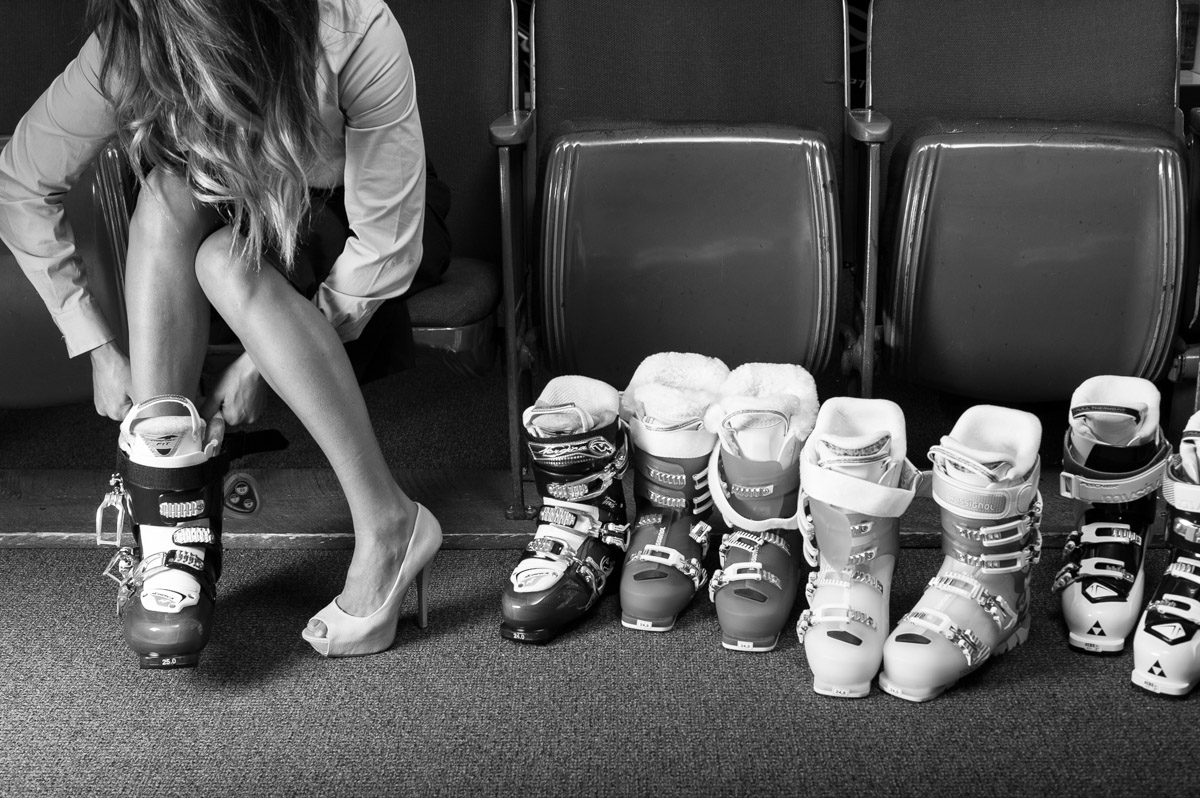
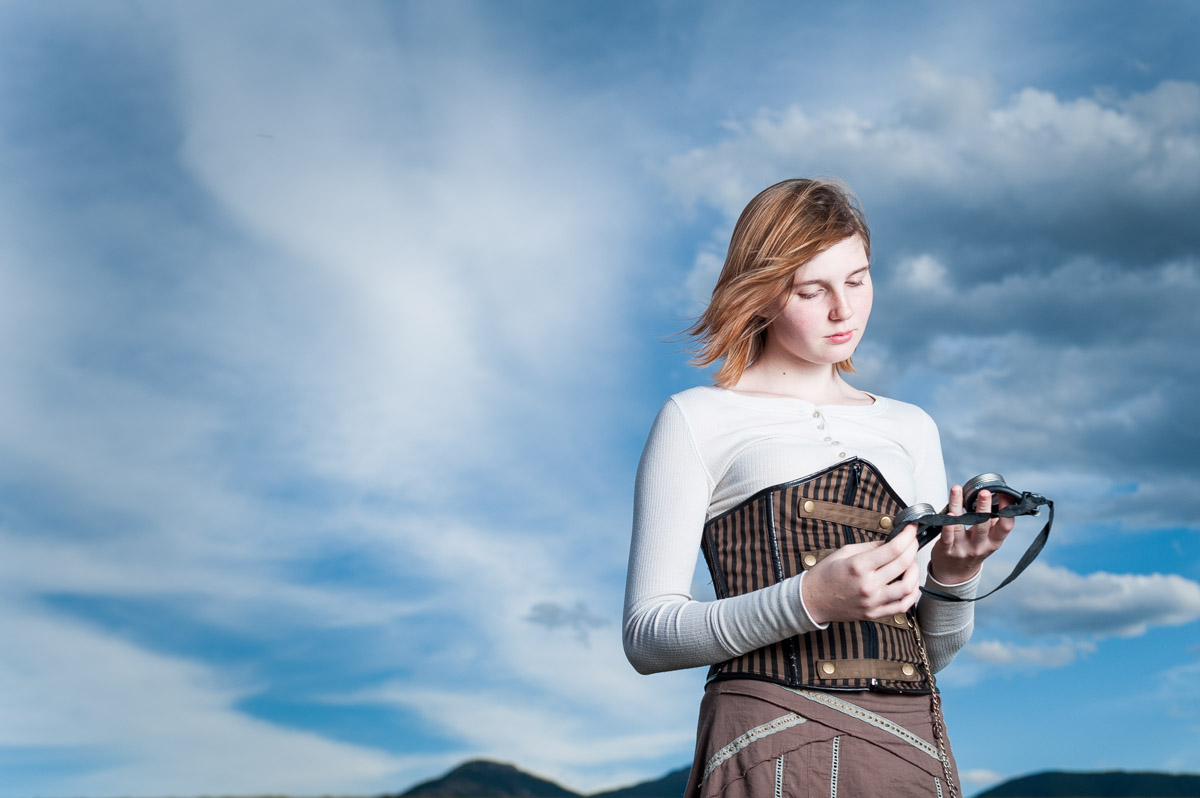
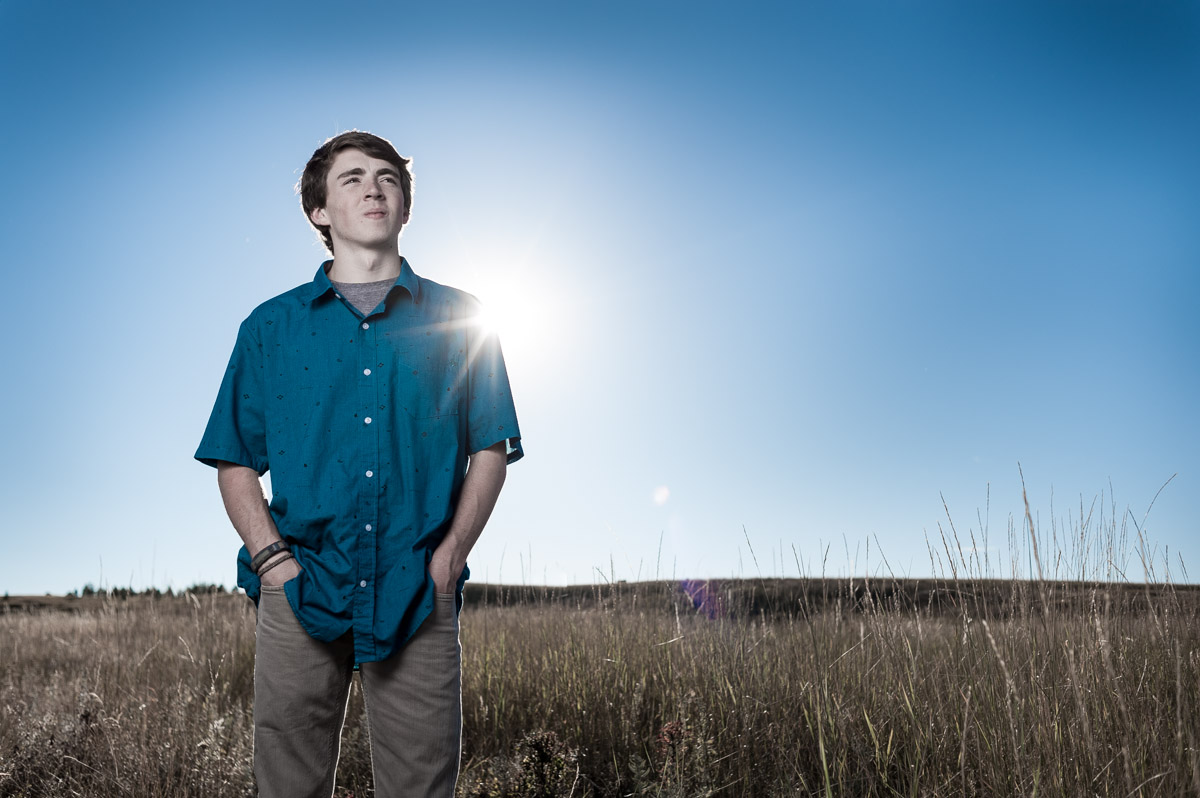
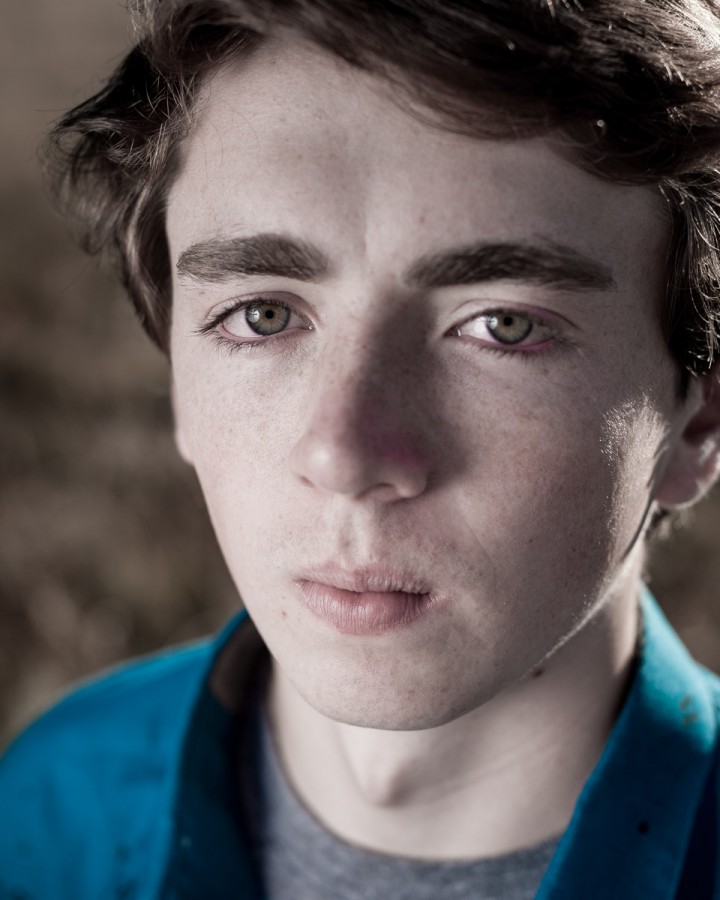
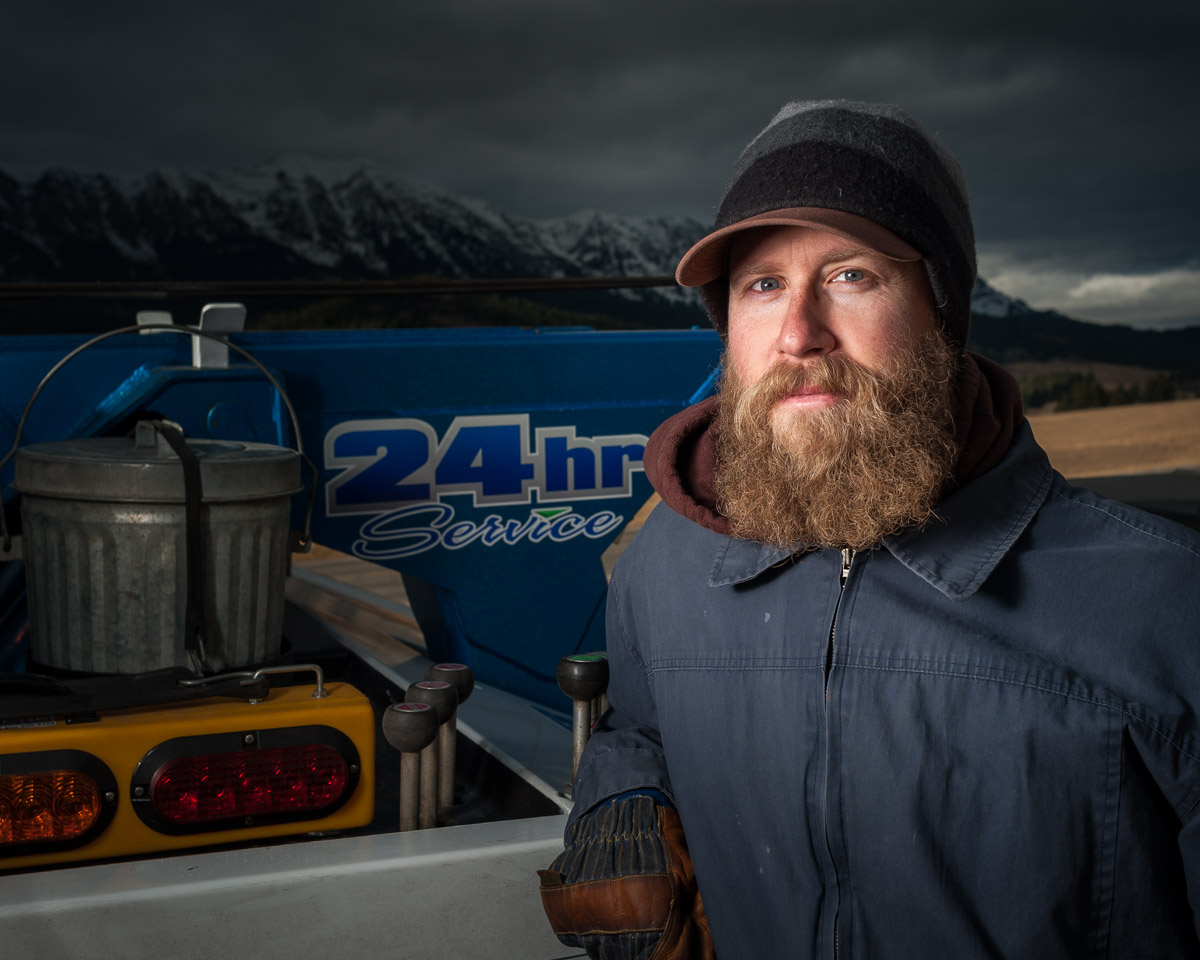
I just want to share some of these pictures made for commercial clients in the past year. Not everything I do is for magazines, but I still hope to convey emotion, story, personality in an image. I hope the reader can find something in each image they can identify with.

Wilderness

Perhaps the biggest reason I moved west from Chicago in 1985 was to take advantage of the many opportunities for outdoor recreation here. I wanted to ski, hike, camp and paddle — often.
Over the years, I discovered the need to make a living so as to afford all of that fun I was planning, then I discovered a way to make a living that was in and of itself fun, time went by, I met a girl, we got married, we had a kid…. Life got in the way, you might say. You might also say that my priorities shifted.
So it seems with wilderness areas.
The Lee Metcalf Wilderness includes the Beartrap Canyon portion of the Madison River, above, and Sphinx mountain in the Madison mountain range, below. It includes 259,000 acres of southwest Montana. It’s creation in 1983 followed three years of negotiation and compromise and was the culmination of an era of environmental protections that began with the passage of the Wilderness Act in 1964.
And we haven’t created another wilderness area in Montana since.

In the current issue of Montana Quarterly, my pal Al Kesselheim writes a fantastic piece on the Lee. He talks about the thinking behind the creation of the wilderness and how some are fighting for more wilderness areas today, and how some preservationists like William Cronon are saying that the creation of wilderness areas can imply that we don’t have to take care of the non-wilderness places. That maybe we should think of everyplace as a place worth caring for and at the same time a place that is used and enjoyed by people.
Al goes on to quote writer John Elder: “To find the sacred only in the wilderness would be like finding it only in a beautiful church on Easter. Unless the sacred is imbued in your day-to-day life … its value is limited.”
Wilderness is complicated, definitely. And, like in the Blackfoot, efforts are being made to reach across old battle lines.

“I spend a lot of my time advocating for cutting trees and getting logs onto trucks,” Al quotes John Todd, above, of the Montana Wilderness Association as saying. “These days, I talk to folks in the timber industry as often as I talk to wilderness advocates.”
Al also talked to former U.S. Rep. Pat Williams (D-Mont.), who told Al, “The thing is, the motorized folks like the views just as much as we do. they just want to get there a different way. I remember sitting in the living room of a very conservative rancher over in the Big Hole, years ago. We were looking at the mountain range in his view. ‘It would be good to keep that view the way it is, wouldn’t it?’ I said to him. That’s the trick. Help people see the landscape as their backyard, theirs to preserve. They start to see it in a very pragmatic, personal way — protecting what they can see. That rancher became a conservationist, although he never would have called himself one.”

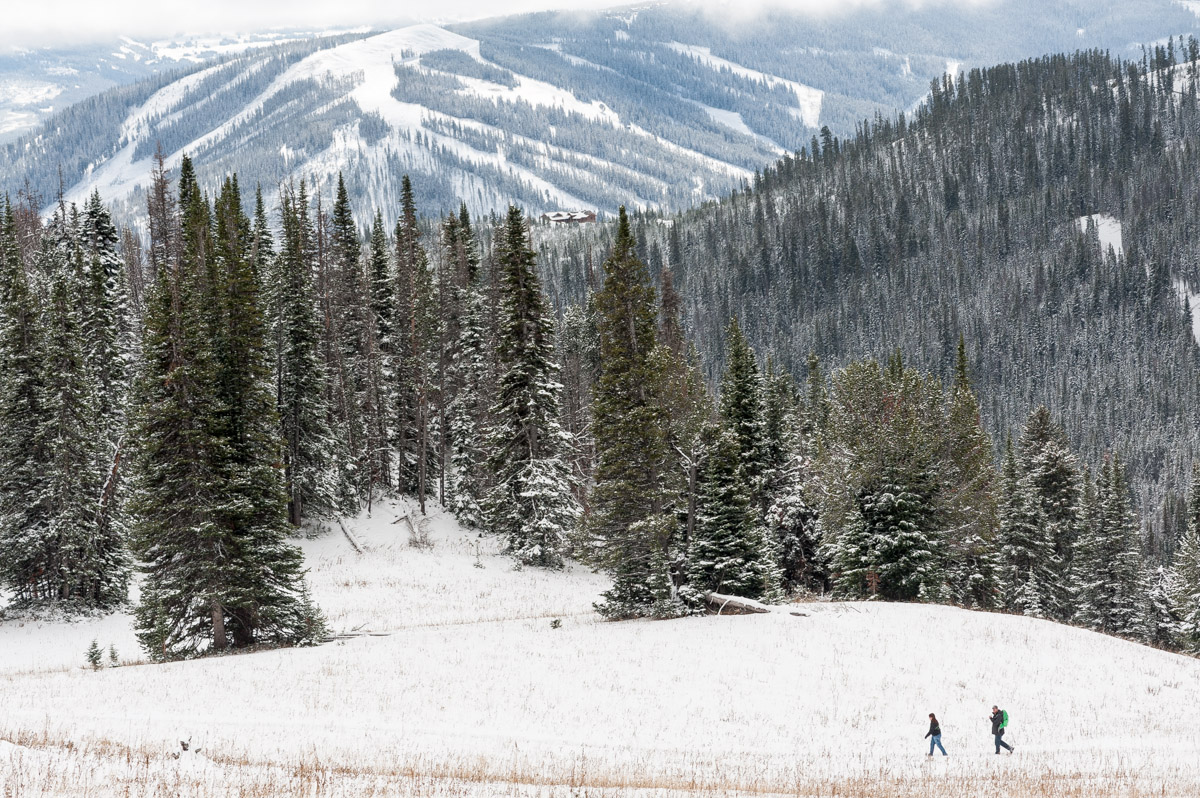
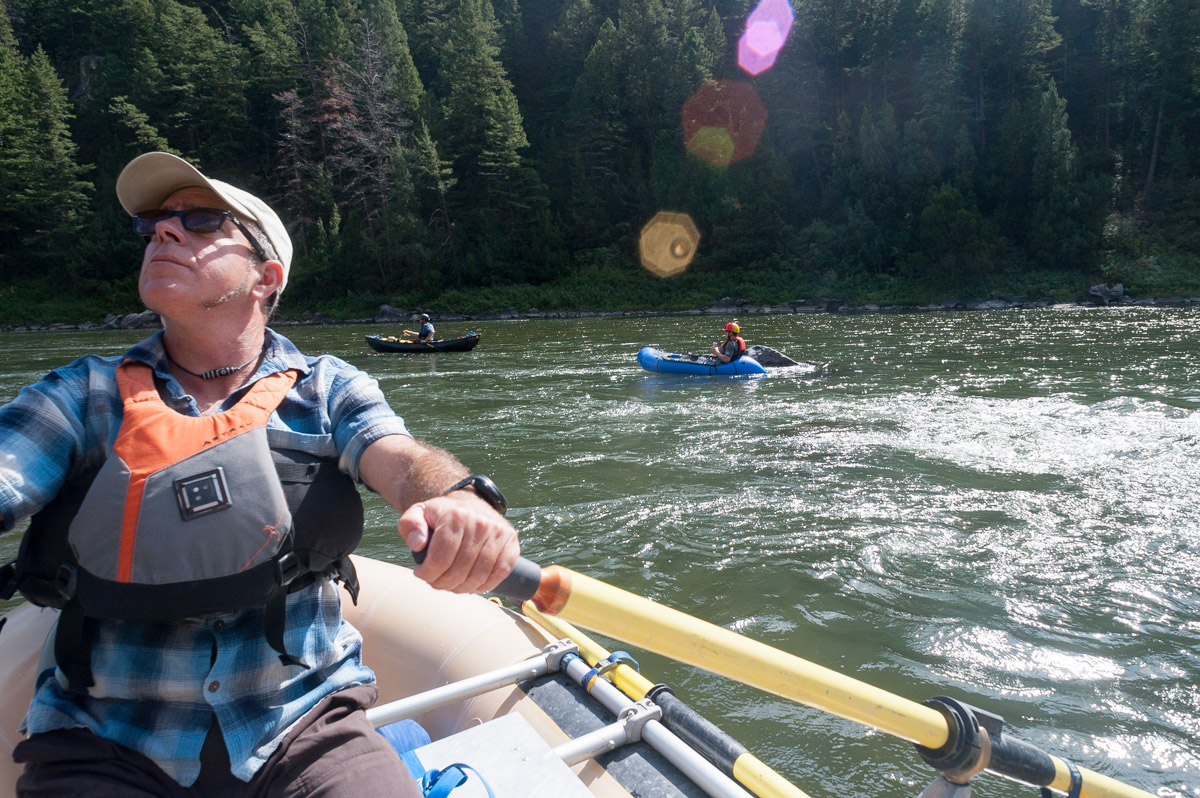
So here I am, almost 30 years after I moved west from Chicago. Do I paddle, ski, hike and camp as much as I had planned? No. Not nearly. Unexpected things have happened along the way and I’ve adjusted, compromised, adapted. And I think my life is the richer for it.
May it also be for wilderness.
Best Wishes

I don’t care who you are or what you believe or how you feel about Christmas. My family and I hope you and yours have lives filled with joy in the days and years to come.
Uphill
The new Montana Quarterly is out and in it, Scott McMillion writes a fabulous story about the efforts of Randy Matchett of the U.S. Fish and Wildlife Service and crew to establish a viable population of the endangered black-footed ferret in the UL Bend National Wildlife Refuge along the Missouri River in central Montana.
Black-footed ferrets were thought to be extinct when a Wyoming rancher discovered the last 130 known black-footed ferrets on earth in 1981. Eighteen of them were put into a captive breeding program, and in 1994, Matchett and his crew began introducing some of them to the UL Bend. Two hundred thirty-five ferrets have been released on the UL Bend since then, and Matchett has counted 291 ferret births. In 1999, Matchett says the population was around 90. When Scott and I spent the night driving spotlight-equipped pickups through the refuge with Matchett in September, we counted four. And two of those were kits Matchett wasn’t sure even existed.
Ferrets are almost entirely dependent on prairie dogs for their survival. In addition to eating prairie dogs almost exclusively, ferrets also need their holes, dens, tunnels, towns as a place to live. And prairie dogs, doing all that digging and mowing all of that grass, aren’t the most popular of neighbors if you’re trying to raise cattle or grow wheat. So we’ve done a lot to get rid of prairie dogs and we’ve been pretty good at it. Up at the UL Bend, there’s a town that’s about 1,000 acres. That’s where Matchett has been working to establish a wild black-footed ferret population.
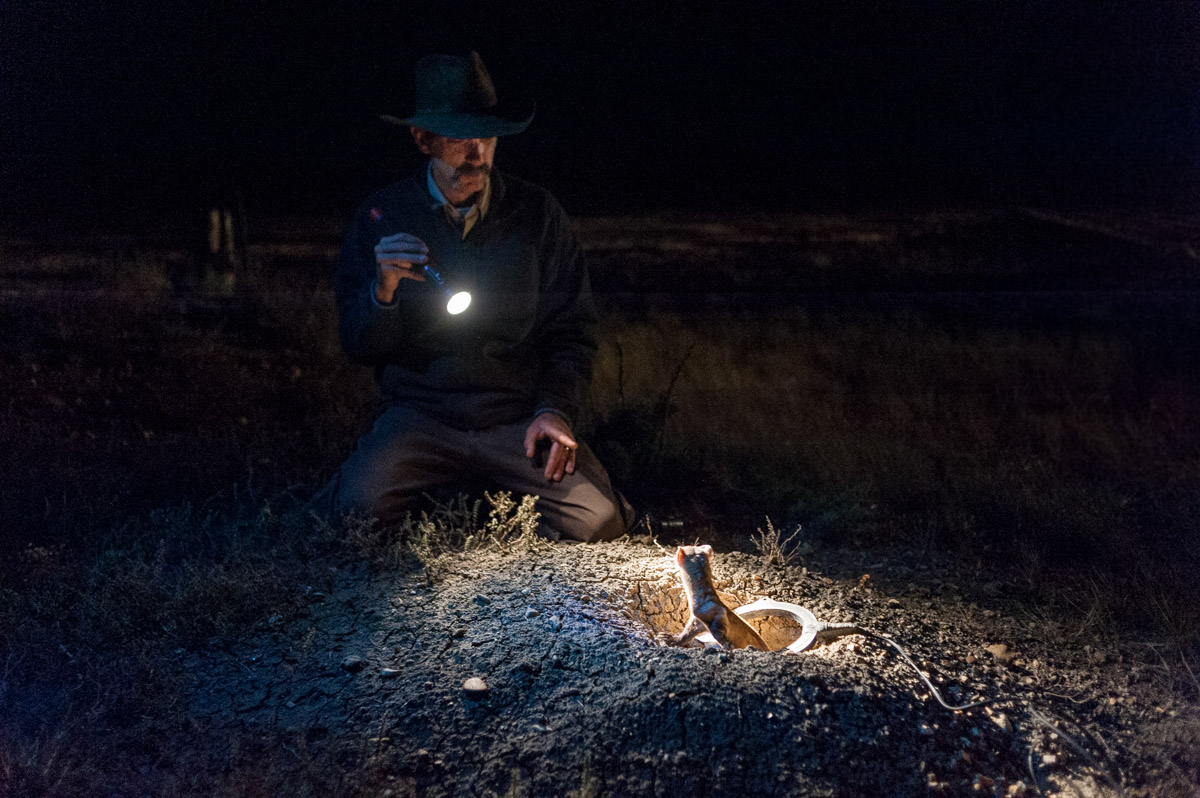
Fortunately, ferrets aren’t particularly shy around humans, so if a ferret has been captured previously, Matchett can read an electronic chip embedded in the animal’s skin with the aid of a ring-shaped sensor. This is ferret 484, a breeding female. Matchett thought she might have a couple of kits.
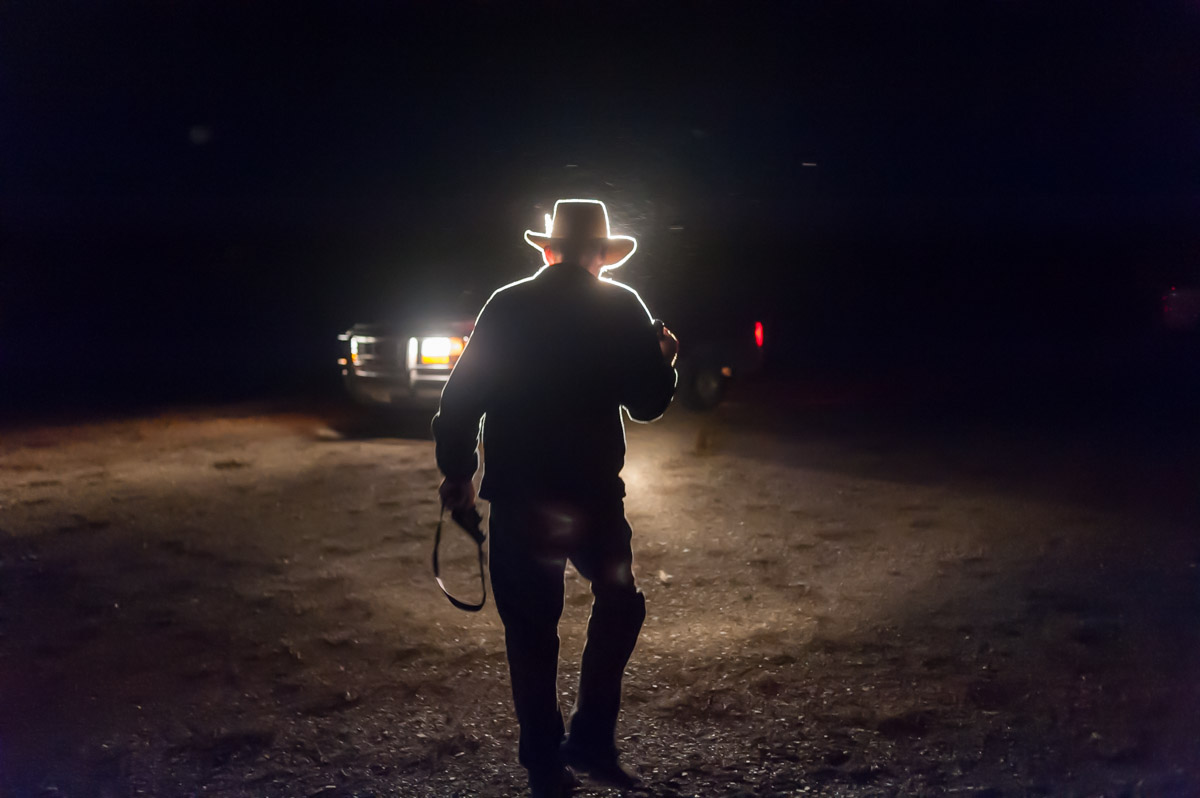
So we headed back to our trucks and started driving and looking.
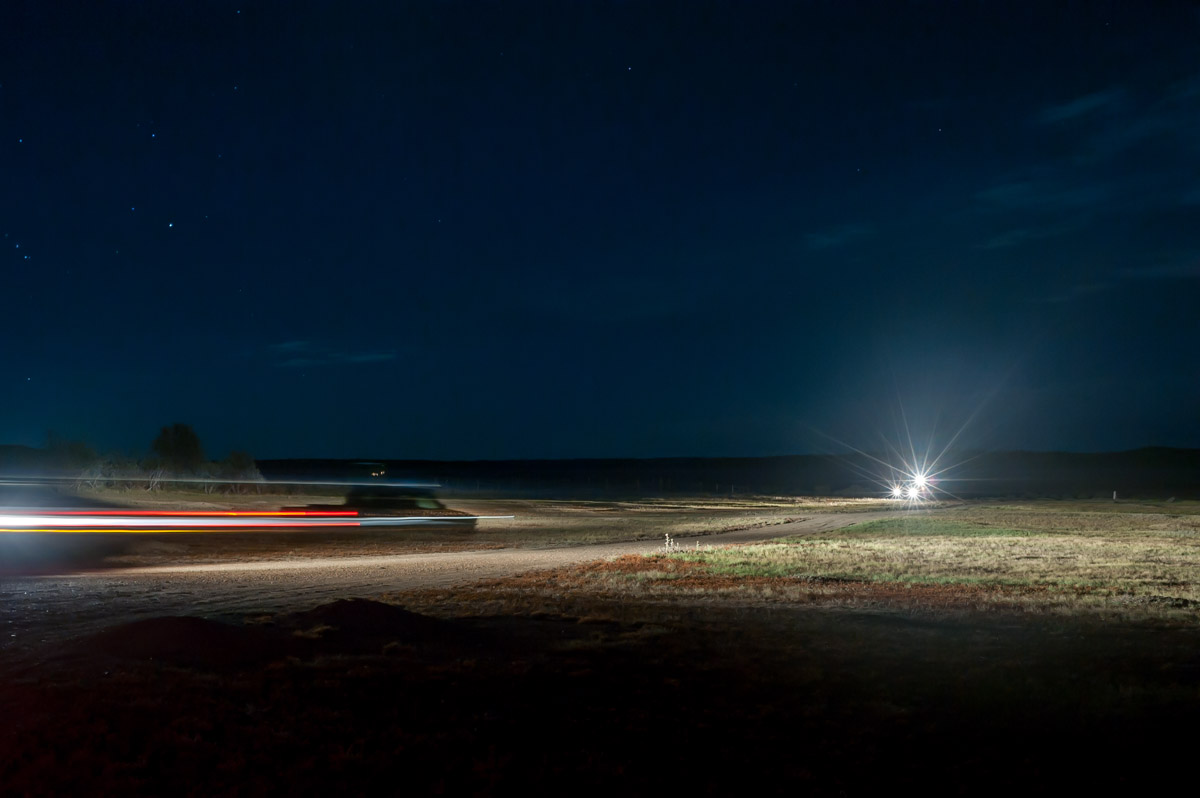
Saw some deer.

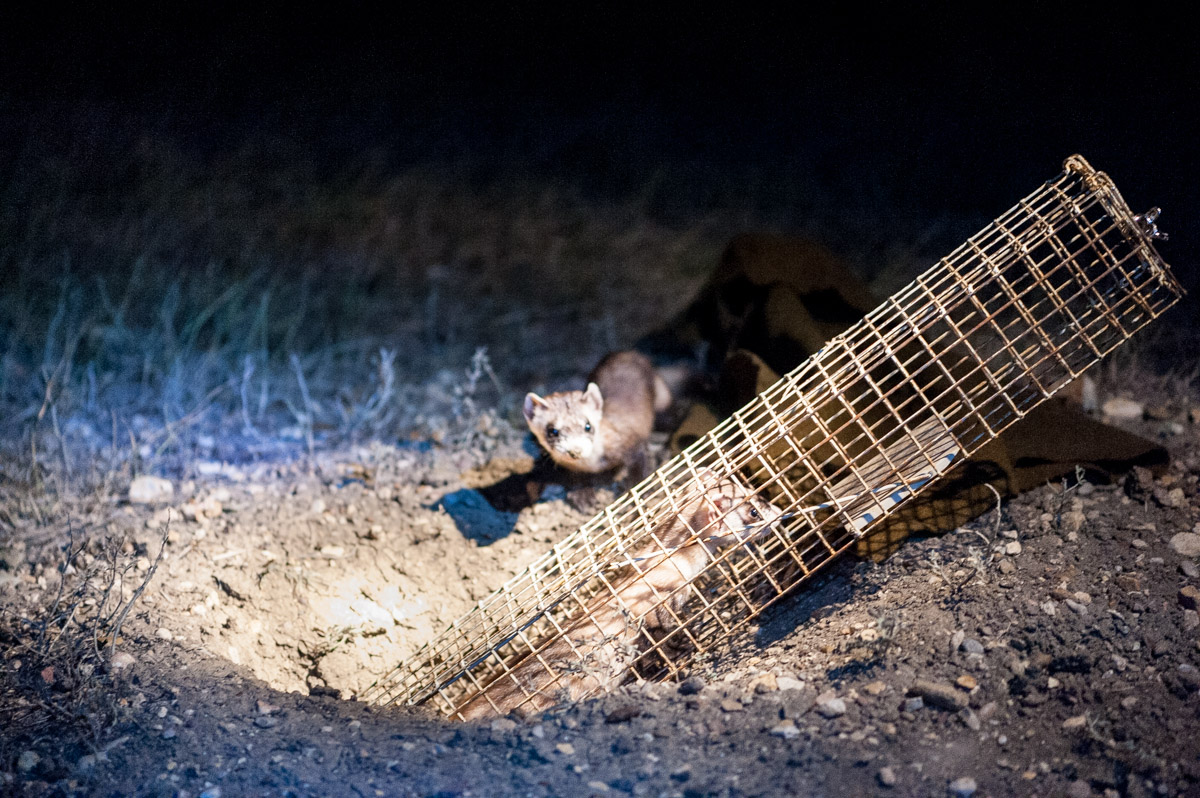
Then we saw two sets of eyeballs. So Matchett got out his trap, a long rectangle of steel mesh, put it into a hole, covered it with a blanket and sure enough, a few minutes later we found the first of two kits, while Mom looked anxiously on.
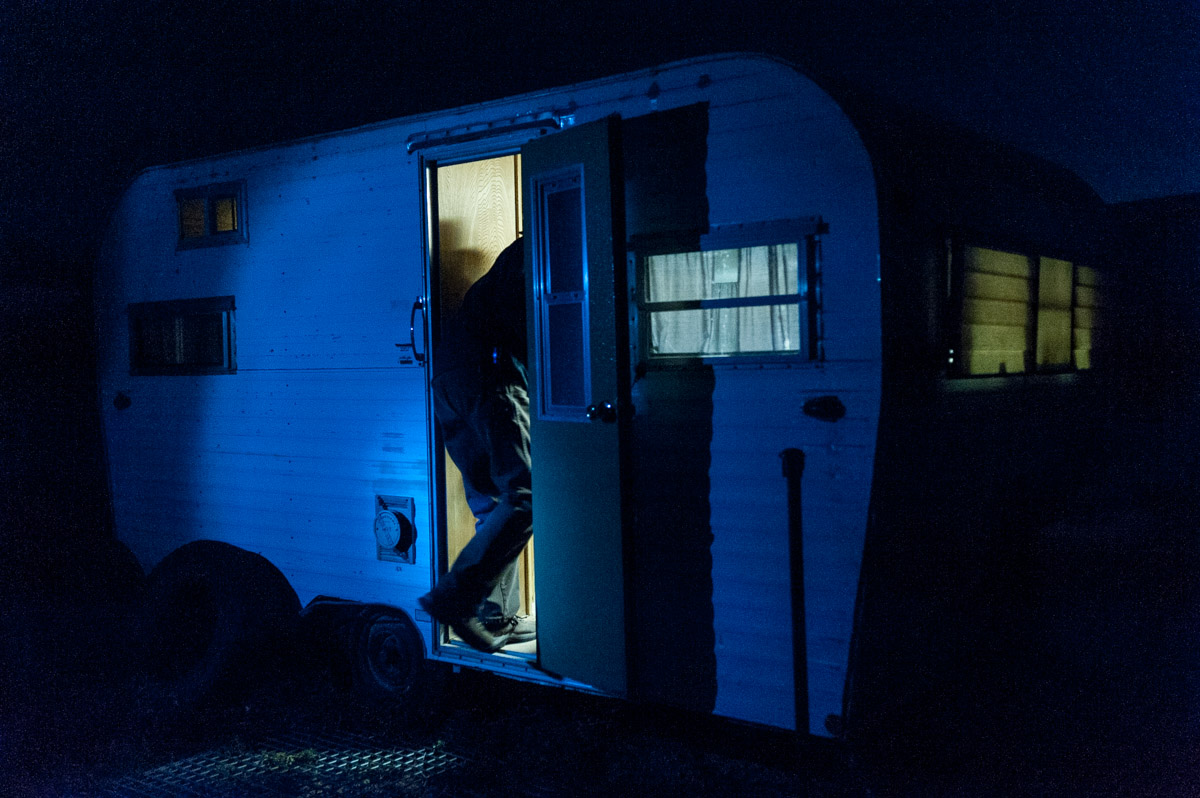
Matchett took the kit into one of a line of camper trailers at the site. This one was outfitted as a lab.
Then he embedded a chip, took some samples, did some vaccinating and checked out the little guy.


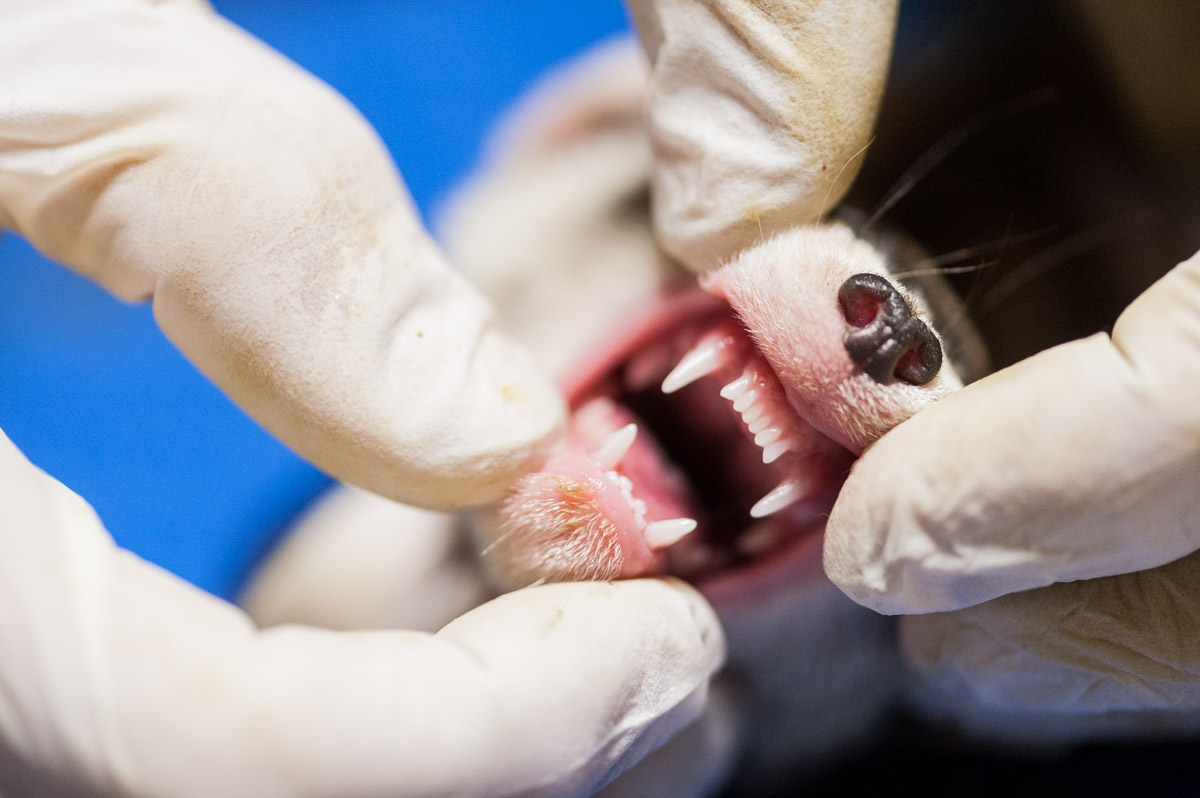
We found another kit later and the same process was repeated. This kits weren’t as big as expected, but they didn’t look too bad. After they spent a few minutes with us, we put them back where we got them, and our night was over.
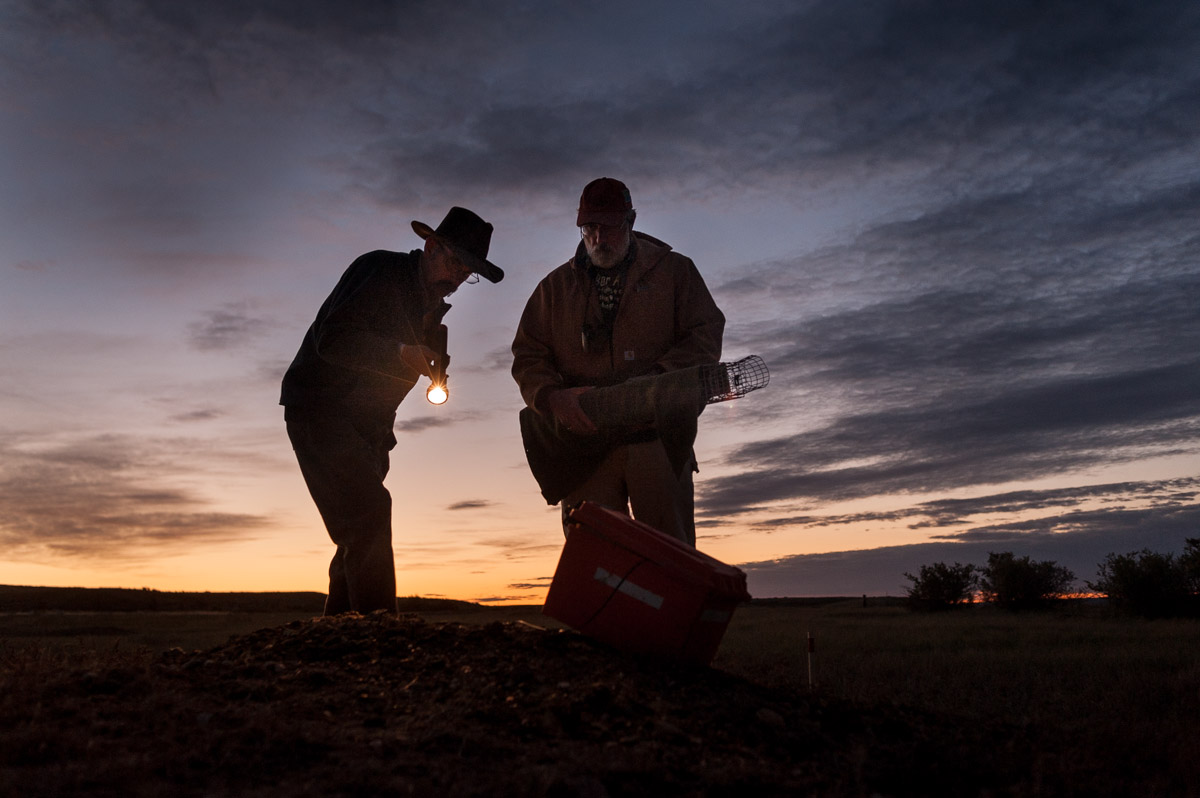
A month later, Scott says, Matchett told him all of the ferrets were gone. There’s about 1,000 acres of prairie dog town on the UL Bend Refuge. Matchett thinks it might take five times that to sustain a population of ferrets. Predators like snakes and coyotes prey on the ferrets and diseases like plague can kill off the prairie dogs. It’s a fragile balance, but there aren’t many alternatives. Next year, another population of vaccinated, captive-bred ferrets will be released on the UL Bend. Other spots around Montana and the northern plains are nurturing populations of black-footed ferrets as well. It’s not perfect, not ideal, but it’s better than nothing.
See these on my website.
#MontanaPhotojournalist #MontanaPhotographer
Psalm 46
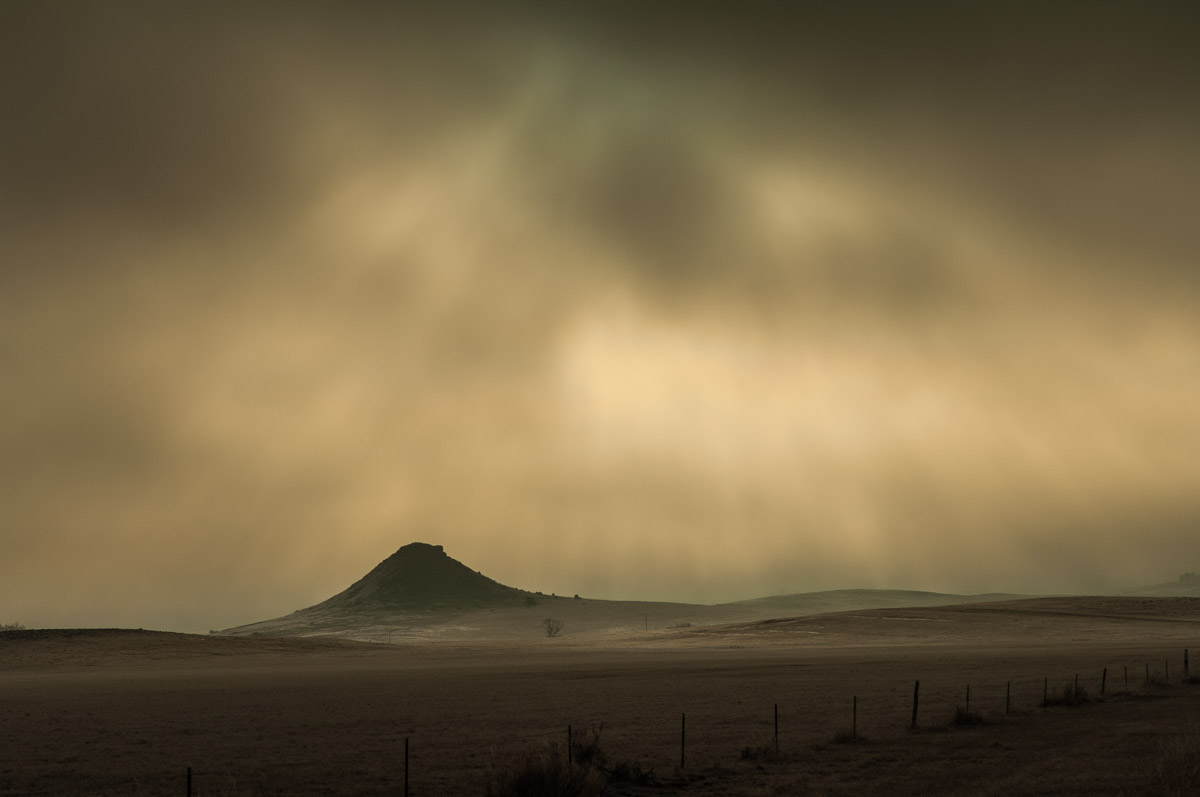
Psalm 46 reads in part, “Be still and know that I am God.”
I don’t think of myself as religious, though I have, at times, been a regular church-goer. Over the past year or so, the only times I find myself inside a church are when I’ve been asked to play trumpet for a service.
That was the case just before Thanksgiving when I was part of the music during a service at First Presbyterian here in Bozeman, where Jody McDevitt is co-pastor. That day, Jody gave a short sermon based on Psalm 46 and Luke 12:22-31. I took the two passages and the sermon to say that taking risks and being who we are is what we are made to do — and that by being still and by being who we are, we can be energized and focused and assured.
I believe in a universal, nurturing force for love, for good. I don’t care what people call that force — Mother Nature, Mother Earth, the Universe, Allah, Jehova, Love — that’s not what this post is about. Jody calls that force God. She says her message “is about resting in God….”
This rest is what I get from visiting the beautiful, quiet and still places that are so easy to find here in Montana. This stillness, this rest, is what I want to share with those who see my landscapes. I hope they energize, refresh, reassure.
According to a link a very dear friend sent me, following your calling — being who you are — brings about mystical coincidences that support you with the things you need to follow this calling. I believe that’s true. And I believe moments spent in stillness, in rest, are what open us to finding our callings, to knowing who we are. These moments allow us to listen and be receptive to what it is we most desperately want to do with our lives.
This time of year can be the ultimate in crazy, and it’s ironically tied to a man who advocated this rest we’ve been talking about. A man who said not to worry, all of our needs will be met while we’re doing our work, being our true selves.
Let’s all try to find some time for reflection in the coming weeks. Let’s be still. Let’s rest.
I think it’ll do us good.

Conrad
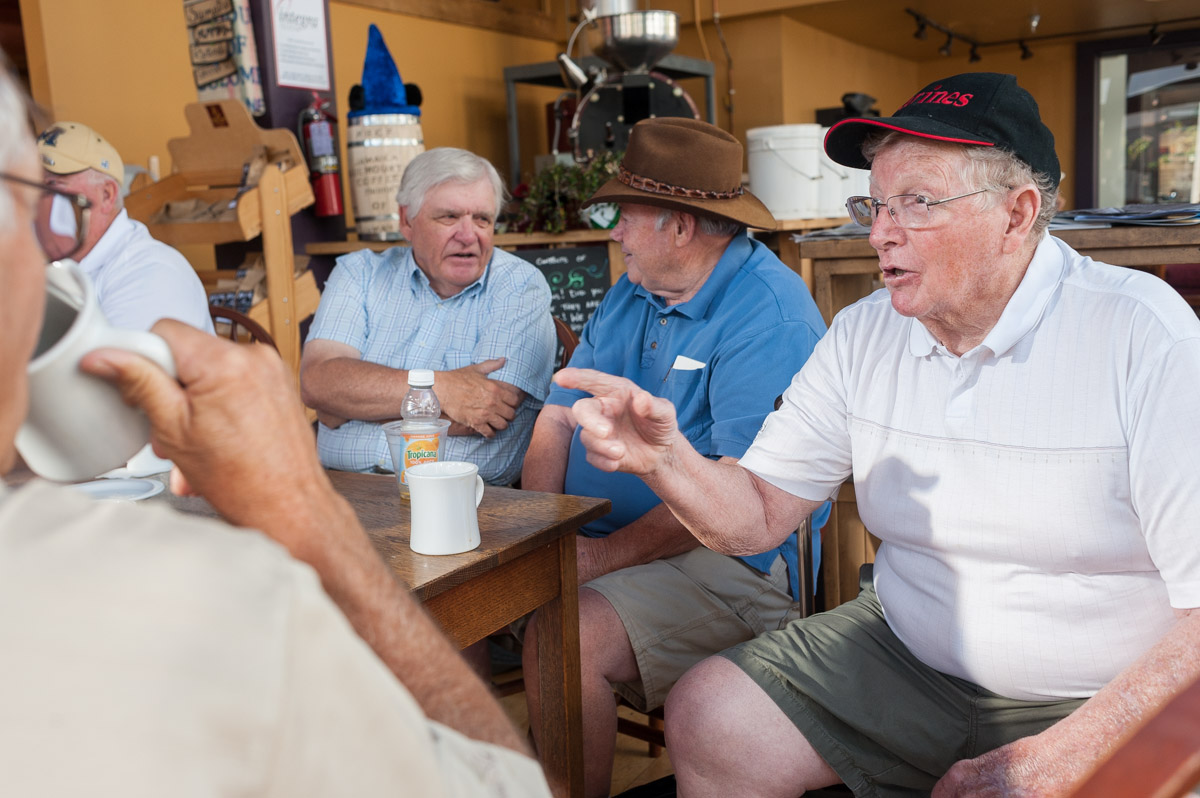 Conrad Burns still has a gift for affability. And he keeps sharp with a group of buddies he meets for coffee every weekday morning near his home in Billings, where Scott McMillion and I found him one morning this past summer. McMillion wrote a wonderful profile of Conrad Burns in the fall issue of Montana Quarterly.

Burns spent 18 years as a Republican U. S. Senator from Montana and during that time he rankled more than a few feathers. But say what you like about Conrad’s conservative outlook, his Republican voting record and his “rustic mannerisms,” as McMillion calls them, Burns actually did a lot to protect Montana wild places.
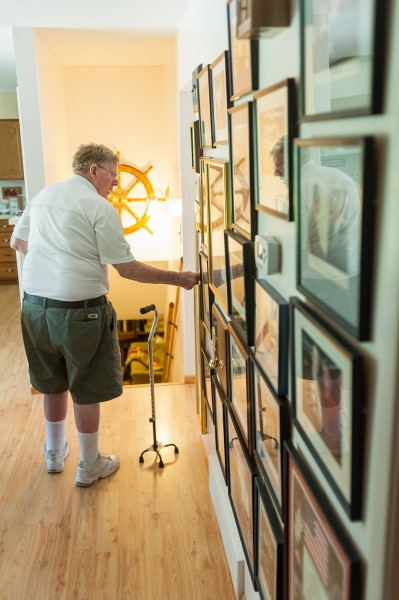 After Burns, now 78, lost to Democrat John Tester in 2006, he suffered a stroke in 2009 and spends a lot of his time in his Billings home, filled with plaques and pictures from his time in Washington…
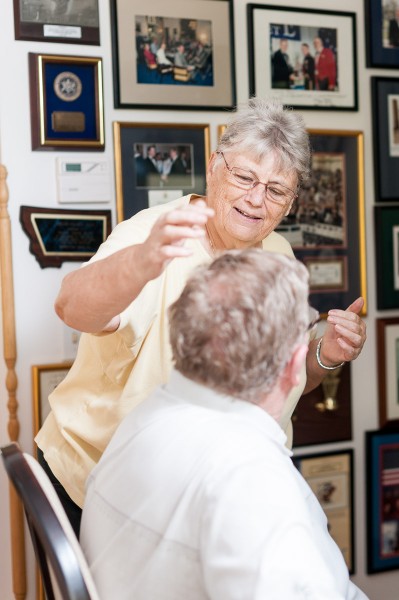 … and his wife of 43 years, Phyllis.
 But he’s still the same old Conrad.
 Thomas Lee True West