Montana Winter Storm Horses
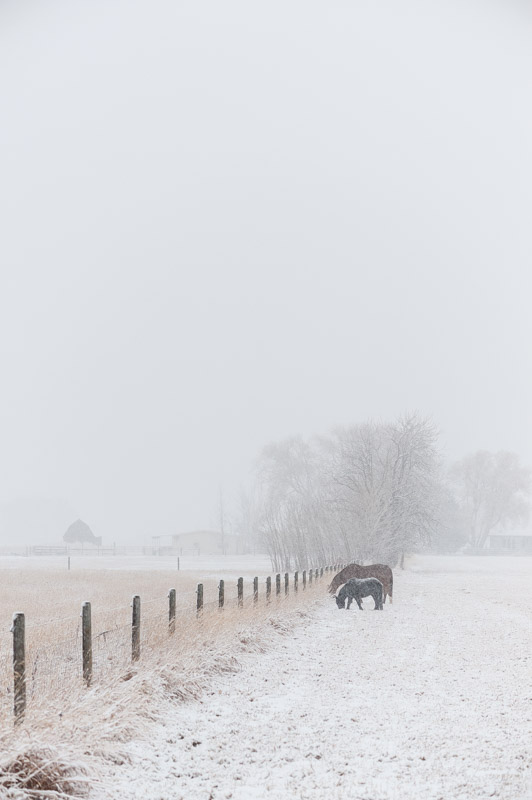
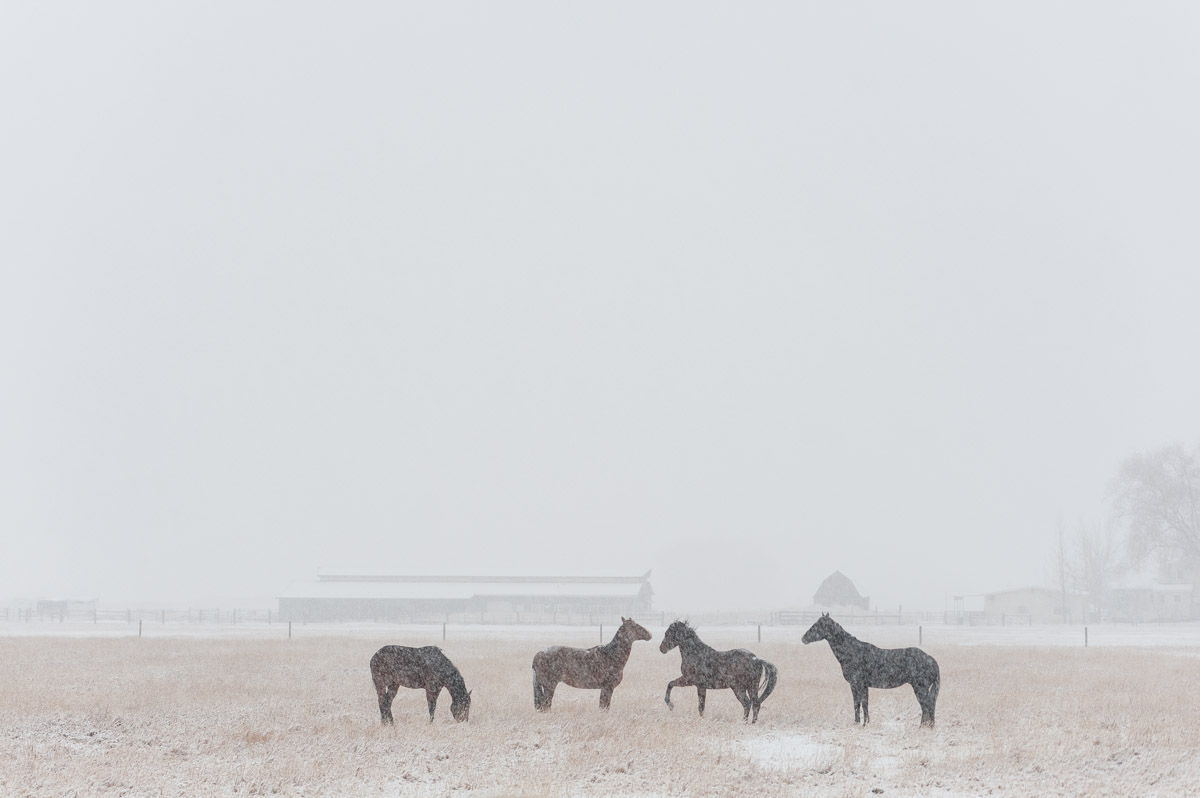
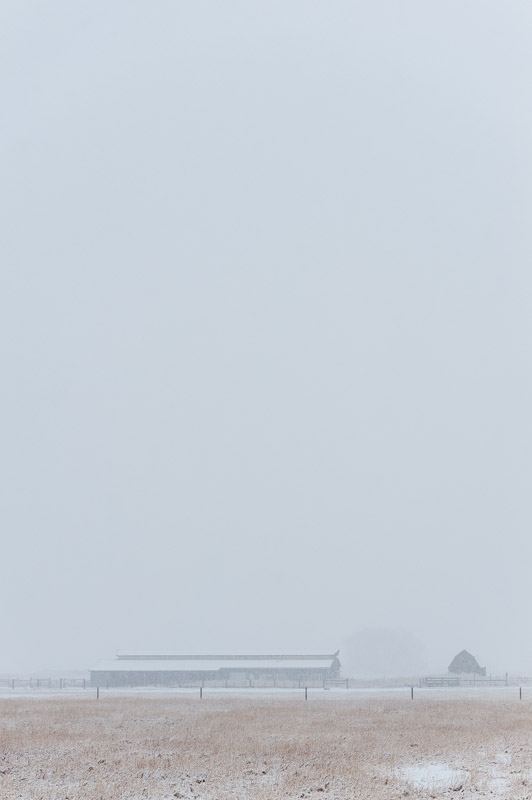
Killing time during my daughter’s cello lesson not long ago, I found some horses enjoying an early-winter snowfall. A magical place, this Bozeman.
#Montanaphotographer #BozemanMontana #Horses #Winter #Snowfall
Glendive, Montana, Oil Spill
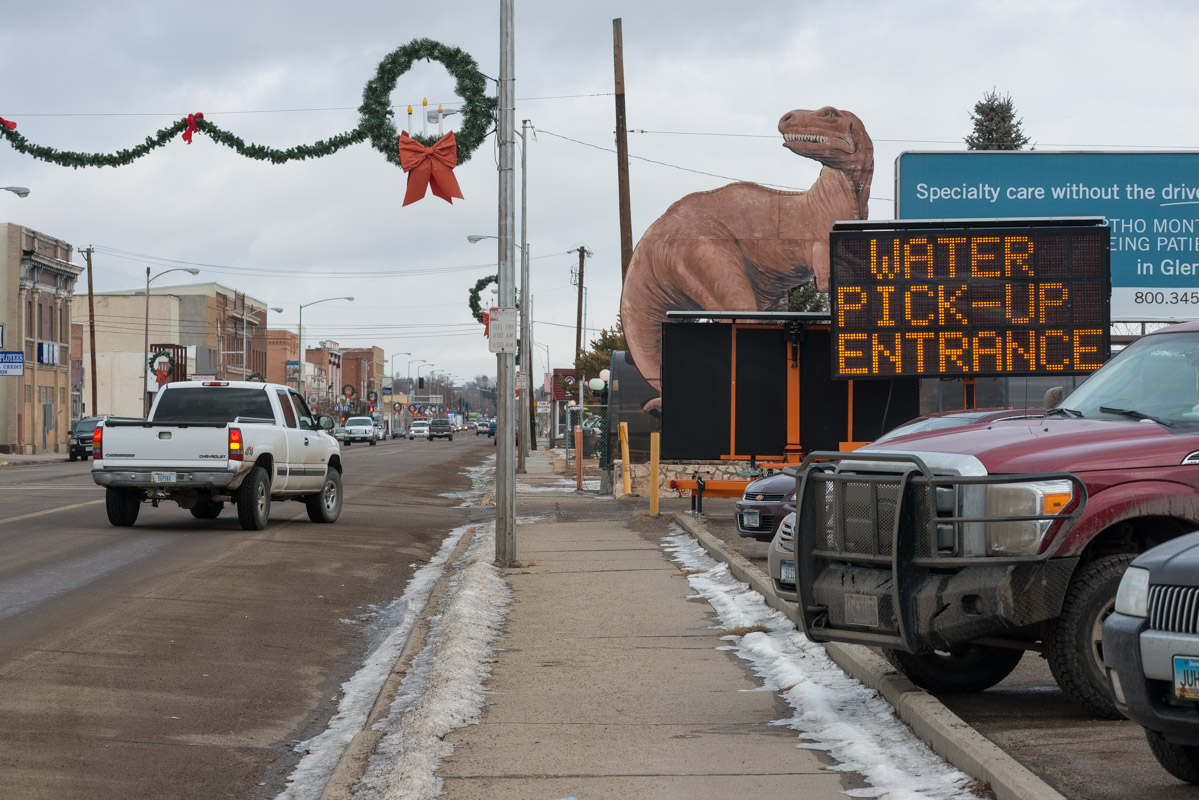
Many of you may have heard that 40,000 gallons of oil were spilled from a pipeline about 6 miles up the Yellowstone River from the town of Glendive, Mont., way on the eastern edge of our state. Having nothing better to do, I took an 800-mile drive to and from Glendive yesterday to see what I could.
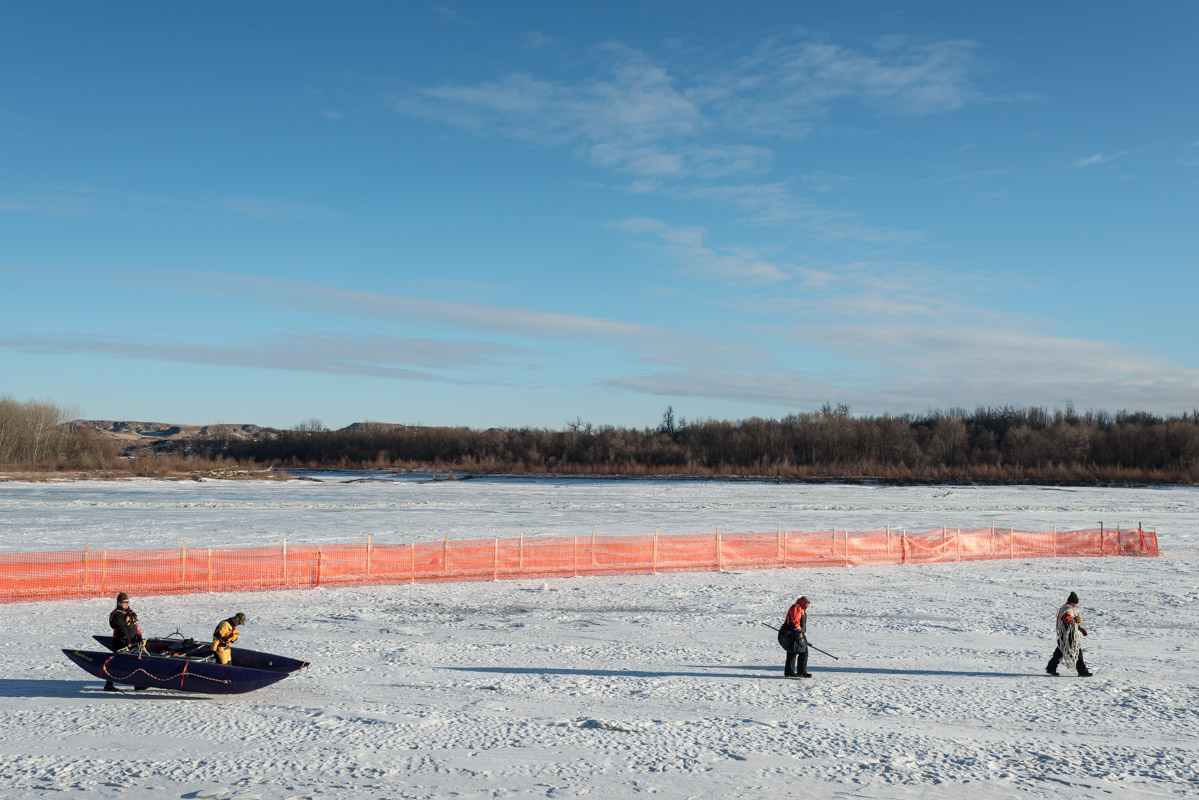
Perhaps 60 miles downstream of the spill, near Crane, Mont., workers setting up some kind of spill containment on the Yellowstone, having to cut through the ice to get at the water. Closer to Glendive, at the Intake dam, game wardens from Montana Fish, Wildlife and Parks told me they could smell oil coming from the river for the first time after the spill, but had not noticed any visible evidence of contamination.
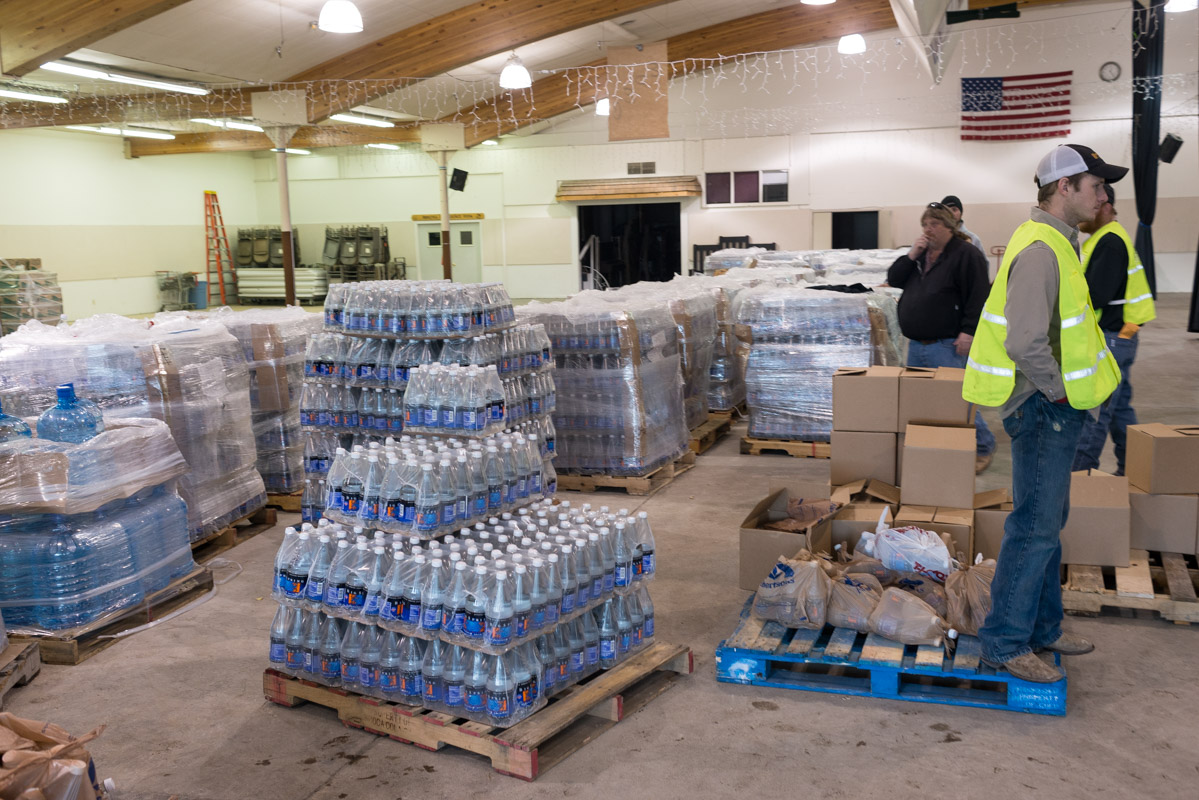
In town, any of the 6,000 Glendive residents who cared to could receive two gallons of bottled water, per person, per day to use until the city water supply — coming directly out of the river and just a few miles downstream from the spill — was declared safe. The Associated Press reports that water was being tested Thursday, Jan. 22, 2015, and hopes were high that it would be once again safe to drink from the taps of Glendive.
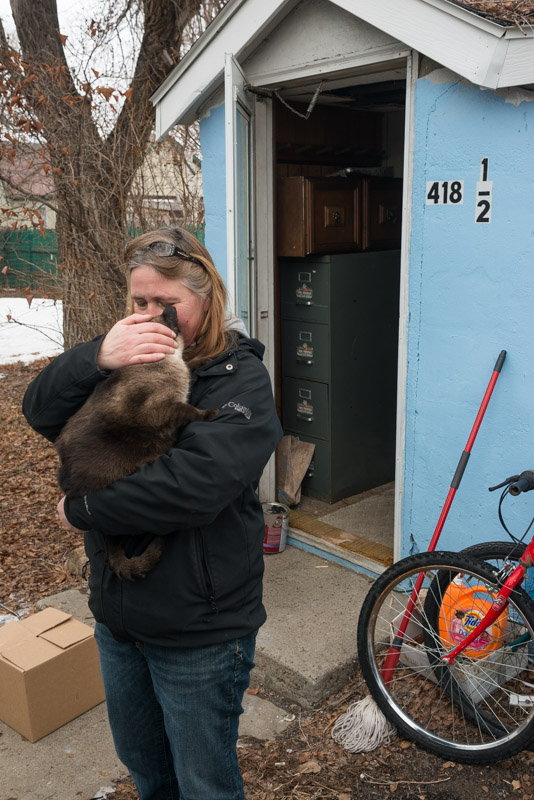
Annette Tauscher said she got her two gallons Wednesday as a precaution, since she hadn’t noticed any smell or funny taste from the tap water she and her cat share. “If no one else is drinking the water, then I’d better not,” she said. Other residents in Glendive were on wells and said they were unaffected by the spill.
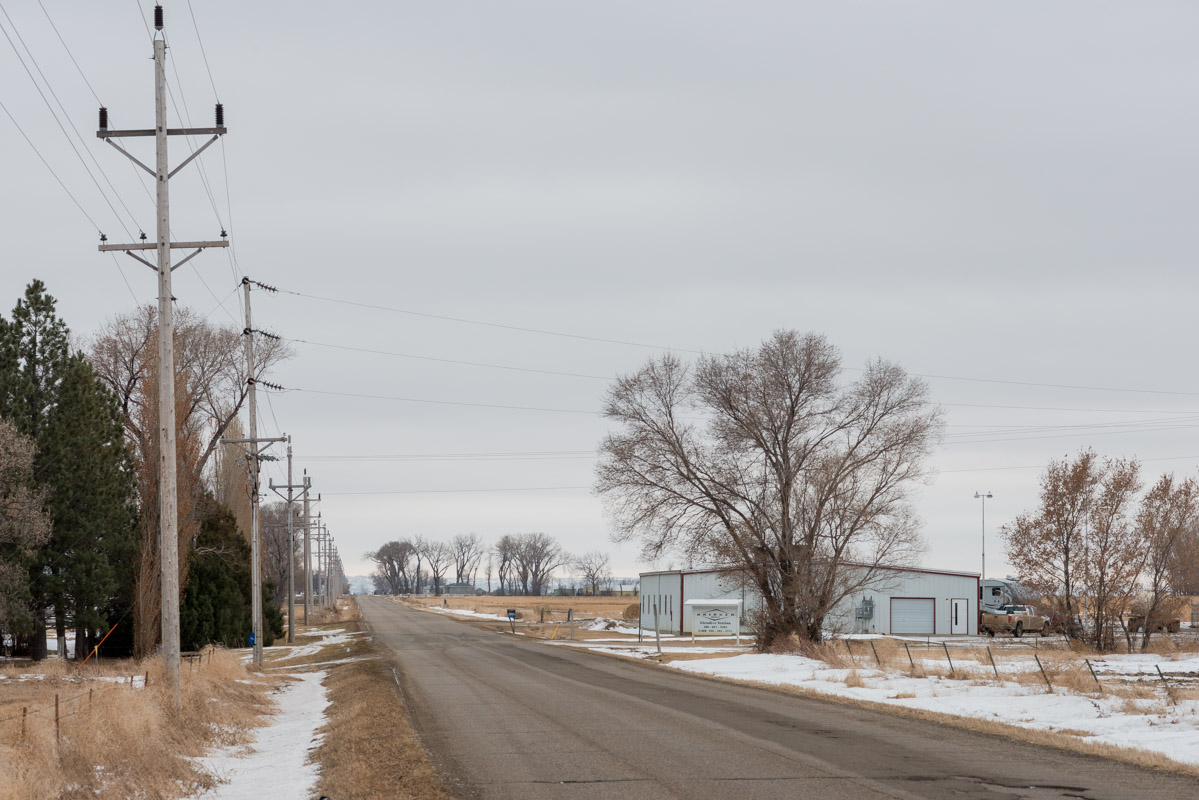
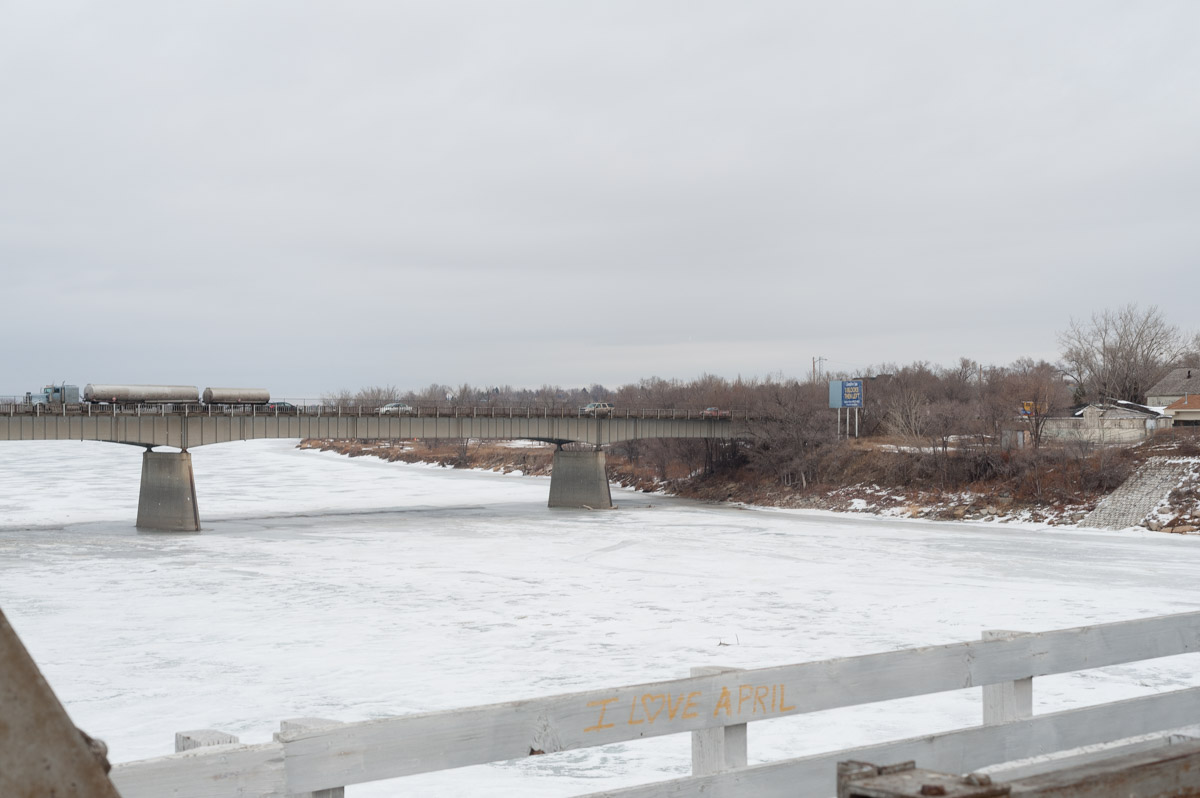
Still, Bridger Pipeline’s Glendive station, shown here on the western edge of town along the Yellowstone, has a lot of questions to answer. And the Yellowstone, mostly frozen for now as it flows through Glendive, may yet have damage to assess when the thaw comes.
#MontanaPhotographer #GlendiveOilspill #MontanaNews
Bozeman, Montana, biathletes
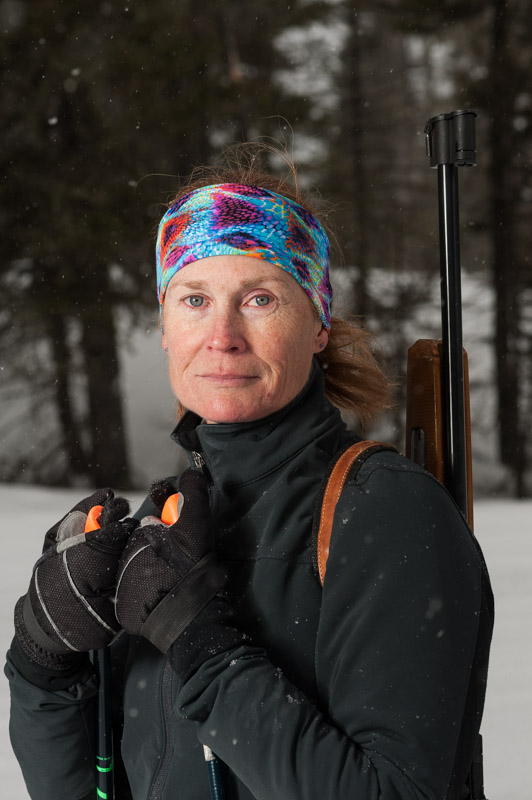
Kari Swenson has a story many already know: How as a young, promising biathlete in 1984, she was abducted by a father and son who called themselves mountain men and spirited off into the wilderness. How she was rescued only after a man had been killed and she had been shot in the chest, left chained to a tree.
But read Alan Kesselheim’s story in the winter issue of Montana Quarterly, and you’ll find out much more. You’ll read how two years of rehabilitation were necessary for Swenson to return to the top echelon of biathlon. How she’s now a respected veterinarian in the Bozeman, Montana, area. And how she is coaching young prospective biathletes as part of the Bridger Biathlon Club. And much, much more. It’s definitely worth a read.
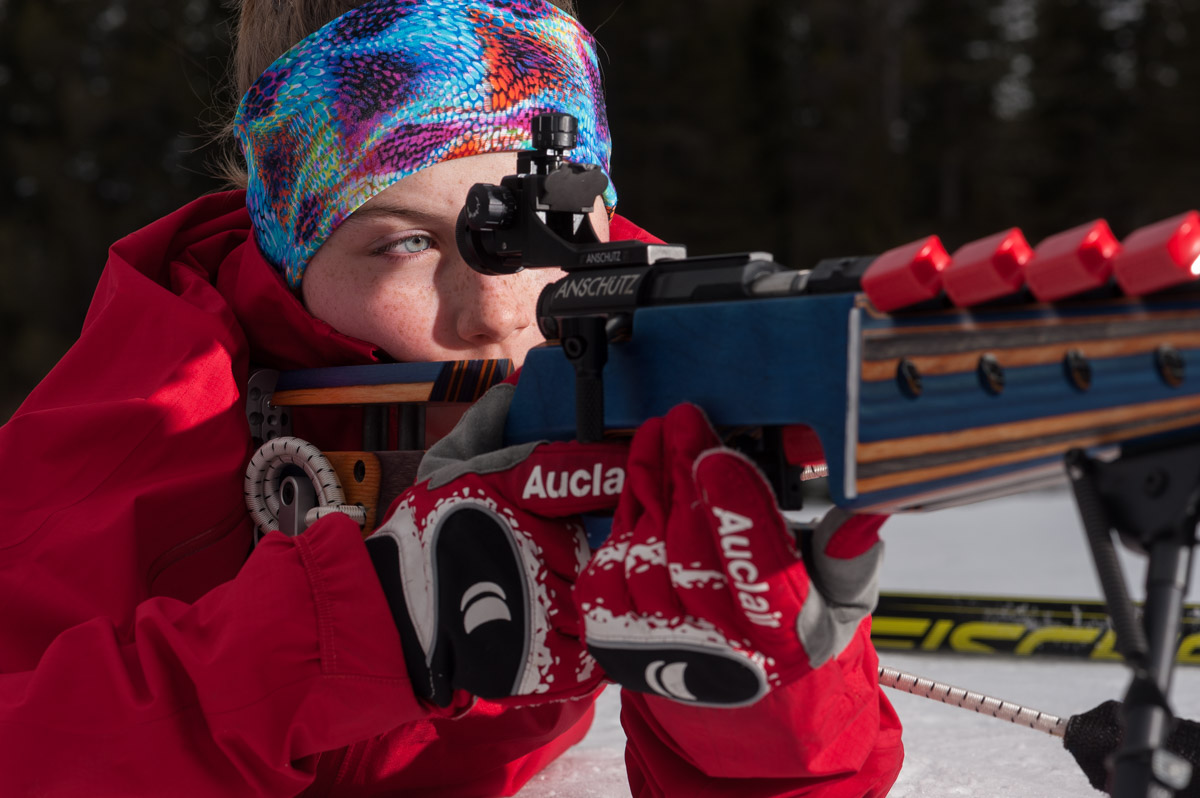
Sabine Love is one of the members under Swenson’s tutelage.
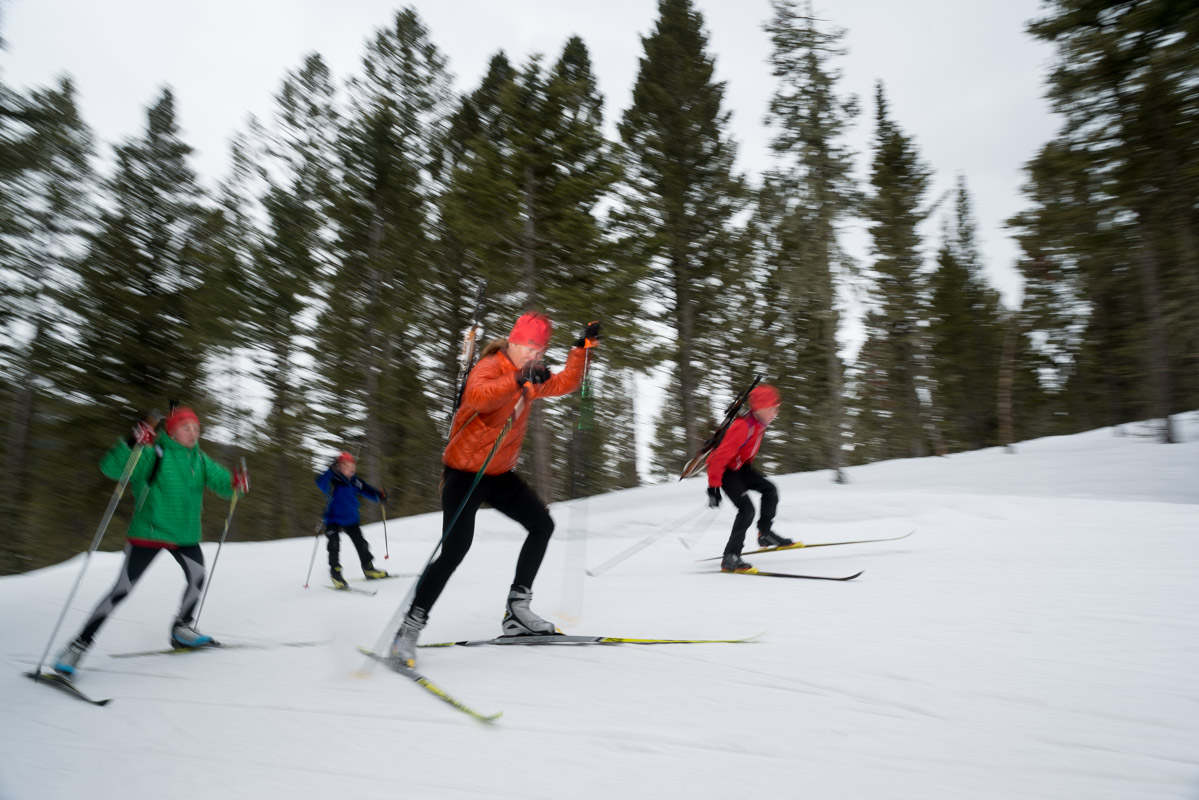
Swenson leads a group up the Bohart Ranch ski course.
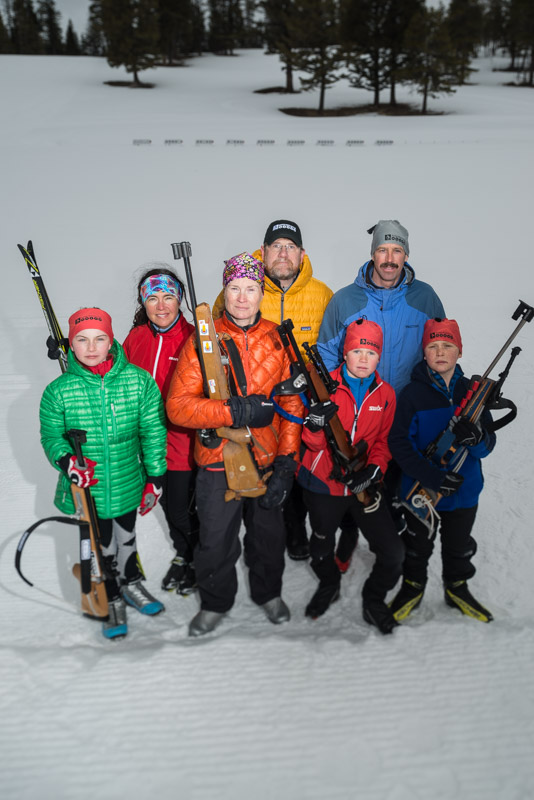
#Montanaphotographer #Biathlonphoto #Montanawinter
Bismarck, North Dakota, Winter Solstice Fishing
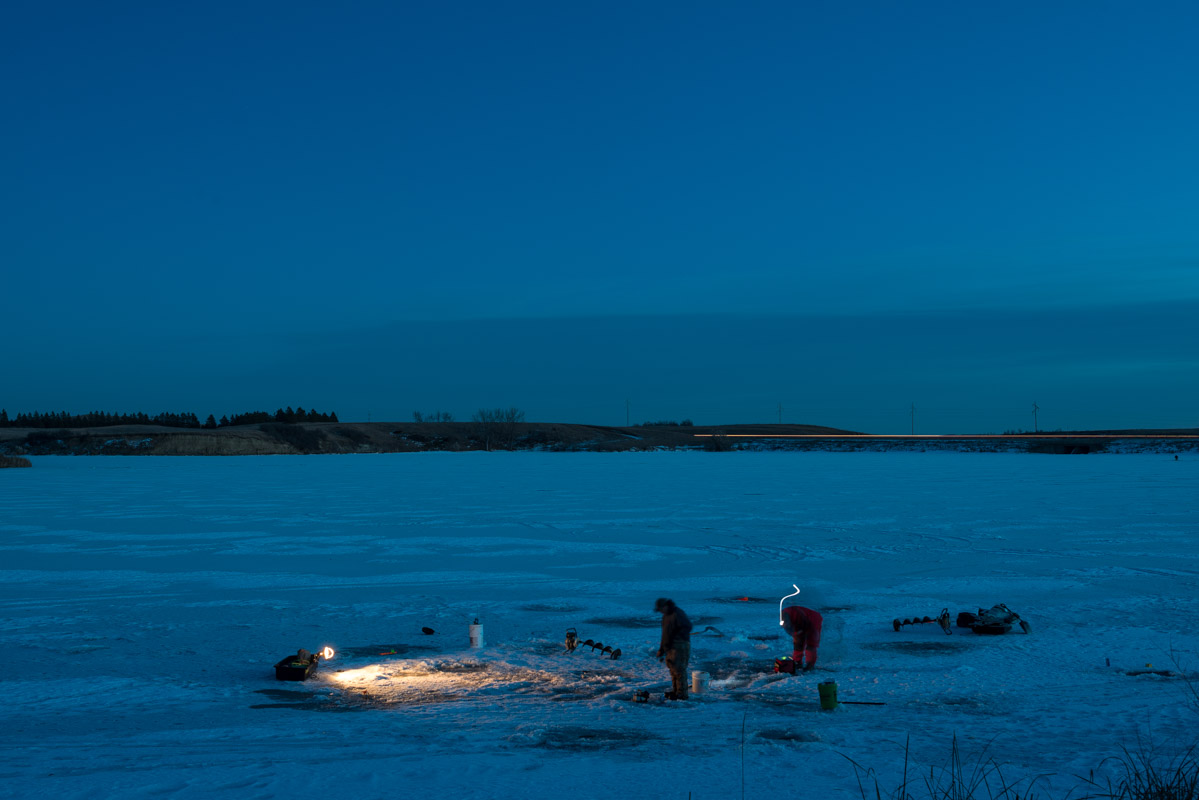
The recent Winter Solstice found my family and I headed east toward my parents’ home in Chicago.
On the way into Bismarck, we spied the frozen Sweetbriar Lake, upon which several people were standing hunched expectantly over holes in the ice.
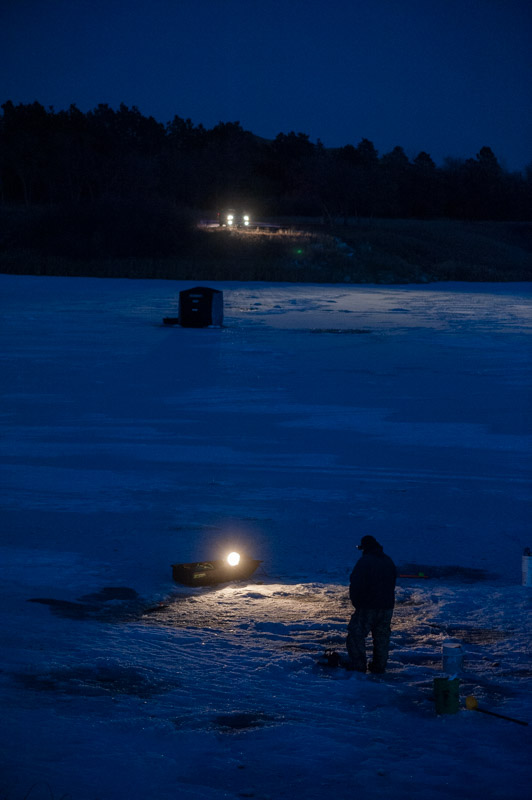
I went back to the lake at about sunset and met these guys who had made plans to fish well into one of the longest nights of the year, hoping to hook walleyes.
I hope they had fun. I headed back to the hotel.
Best wishes

Happy Christmas, Kwanzaa, Chanukah, Solstice, whatever holiday(s) you choose to be celebrating this time of year. May we all learn to live together in peace, treating each other with kindness and dignity.
That said, our card may need some explanation: Our daughter, Katie, is 16 this year and really loves science — physics in particular. The object she’s pictured with is called a Newton’s cradle and demonstrates the physics principle of conservation of energy. My dad likes to say, “for every action, there is an equal and opposite reaction.” I think that’s pretty much the same idea.
We’ve got one more card to do with Katie. We promised her she would be done when she finishes high school. She’s been a great sport these last 16 years. Thanks, Peanut.
Best in the world
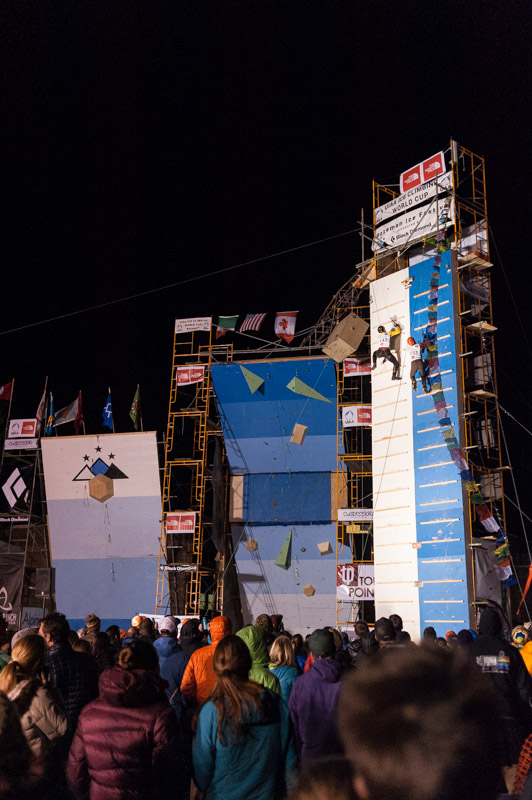
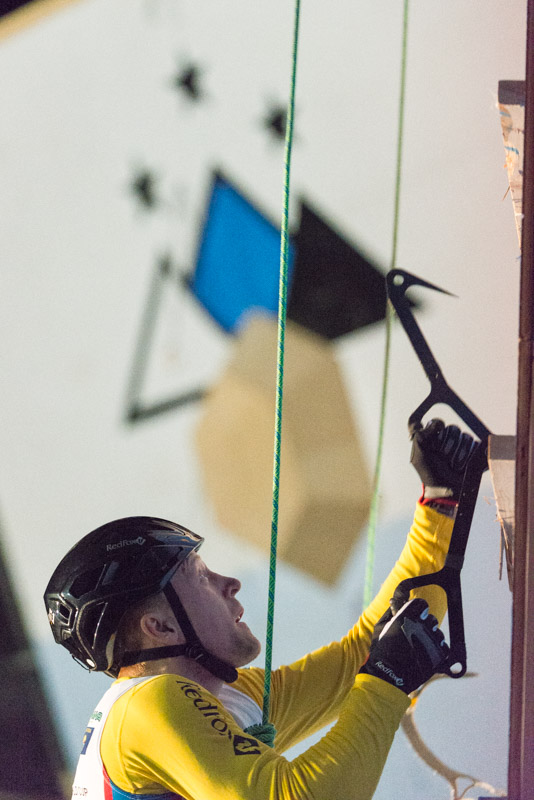
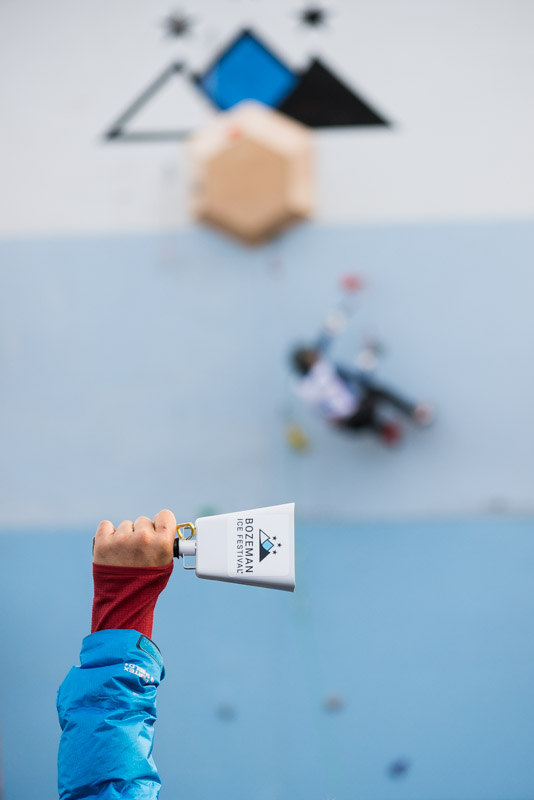
Bozeman was the site for the 2014 International Climbing and Mountaineering Federation’s Ice Climbing World Cup and it was amazing to watch some of the best climbers in the world compete for UIAA World Cup medals.
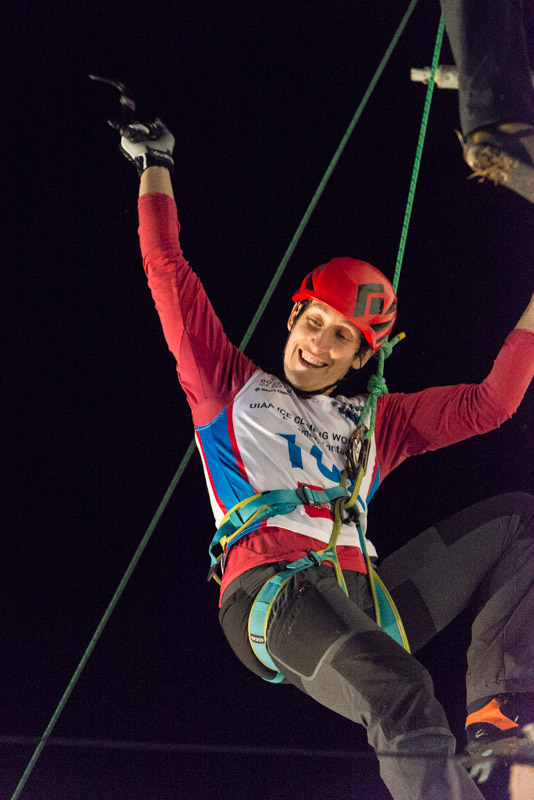
Perhaps the biggest moment was when American Kendra Stitch won the women’s speed climb event, breaking a long streak of Russian dominance. The events were held in downtown Bozeman, which was ice-free, so climbers worked their way up walls constructed of plywood.
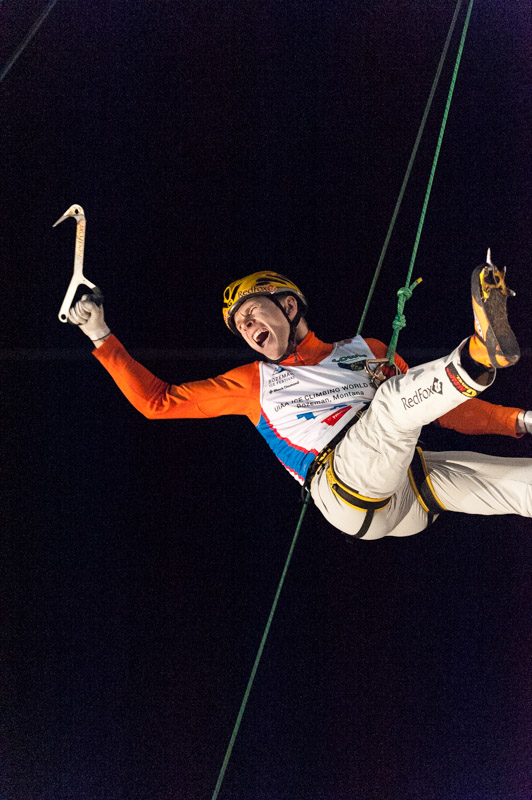
The men’s event was won by Russian Nikolai Kuzovlev.
Racism
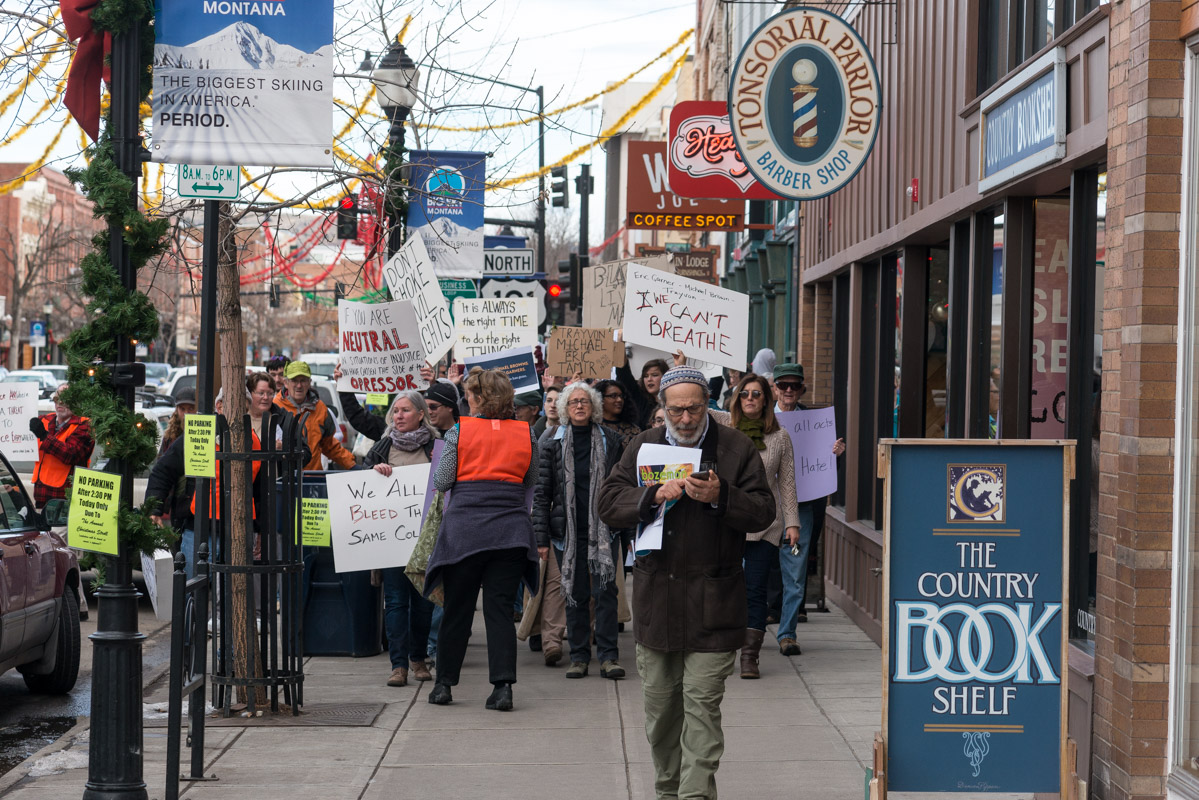
About 75 people, an estimated 90 percent white, marched down Main Street in Bozeman, Montana, to protest racism and extreme police brutality on Saturday. As I followed along the route, I heard a woman tell her friend that the protest was dumb. A man made a joke implying that because so many of the protesters were white, their message lacked credibility. And another man, apparently thinking this was a protest against all police officers, leaned toward the open window on the passenger side of his pickup and yelled, “God bless law enforcement,” as he drove past.
Each of these people denied that racial injustice is a problem. They want to ignore the facts that tell us those with darker skin have fewer opportunities for financial security and more opportunities for oppression. I agree it’s a tough issue to face. It’s shameful and inflammatory. But ignoring it isn’t going to make it go away.
Freedom and Justice
Wednesday, a federal judge declared Montana’s law against same-sex marriage unconstitutional. Thursday morning, several couples were at the Law and Justice Center here in Bozeman getting married. It was an honor to watch this latest step toward a more free, more just state and nation.

Patrick Donnelly, left, 34, and Ben Bahnsen, 32, were the first same-sex couple to be granted a marriage license in Gallatin County. Together three years, the couple makes their home in Bozeman. “We’re overjoyed we can finally, legally celebrate our marriage with out friends,” says Donnelly.
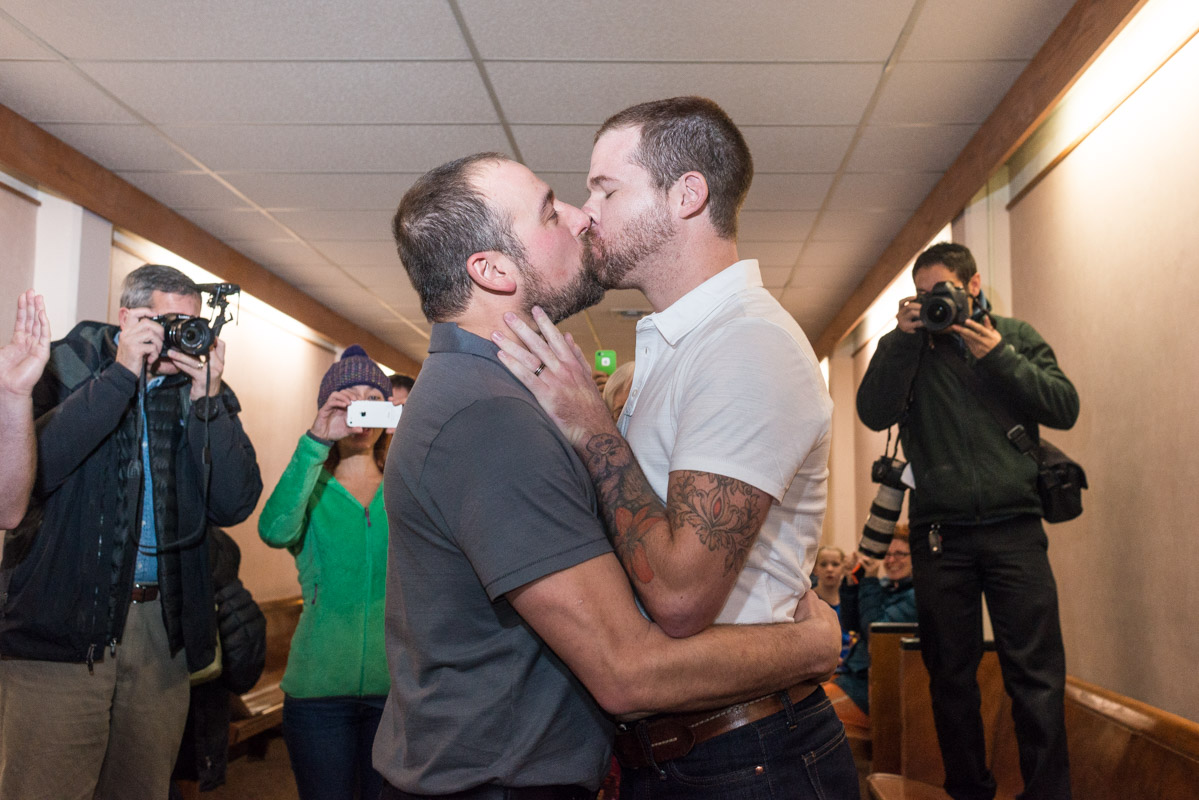

Stacey Haugland, left, 48, and Mary Leslie, 52, were the first same-sex couple to actually get married. Both couples were married by Nina Grey. The couple says they’ve been together 16 years, and were ceremonially married in 2003, but marrying legally was extremely important to them. “Marriage really does change things for the better,” says Leslie. “It really does transform things. It matters.”
Science
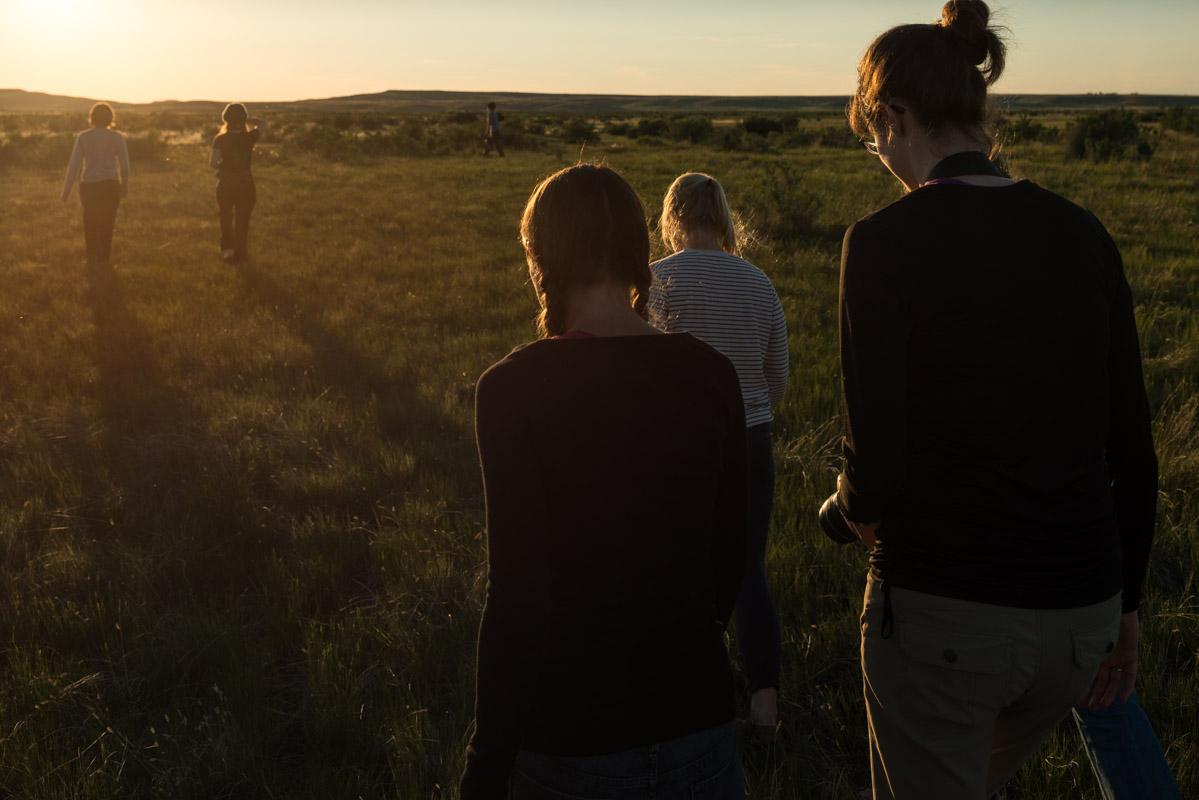
Imagine traveling to a place you’ve never been to spend weeks living in a tent working with people you’ve never met and you’ll have a pretty good idea what six young women went through this summer up on the American Prairie Reserve south of Malta, Mont. The women, aged 19-26, were working with Adventurers and Scientists for Conservation, learning how to collect data for conservation work.
Writer Ted Brewer and I spent some time with this crew and our story is in the fall issue of Montana Quarterly.
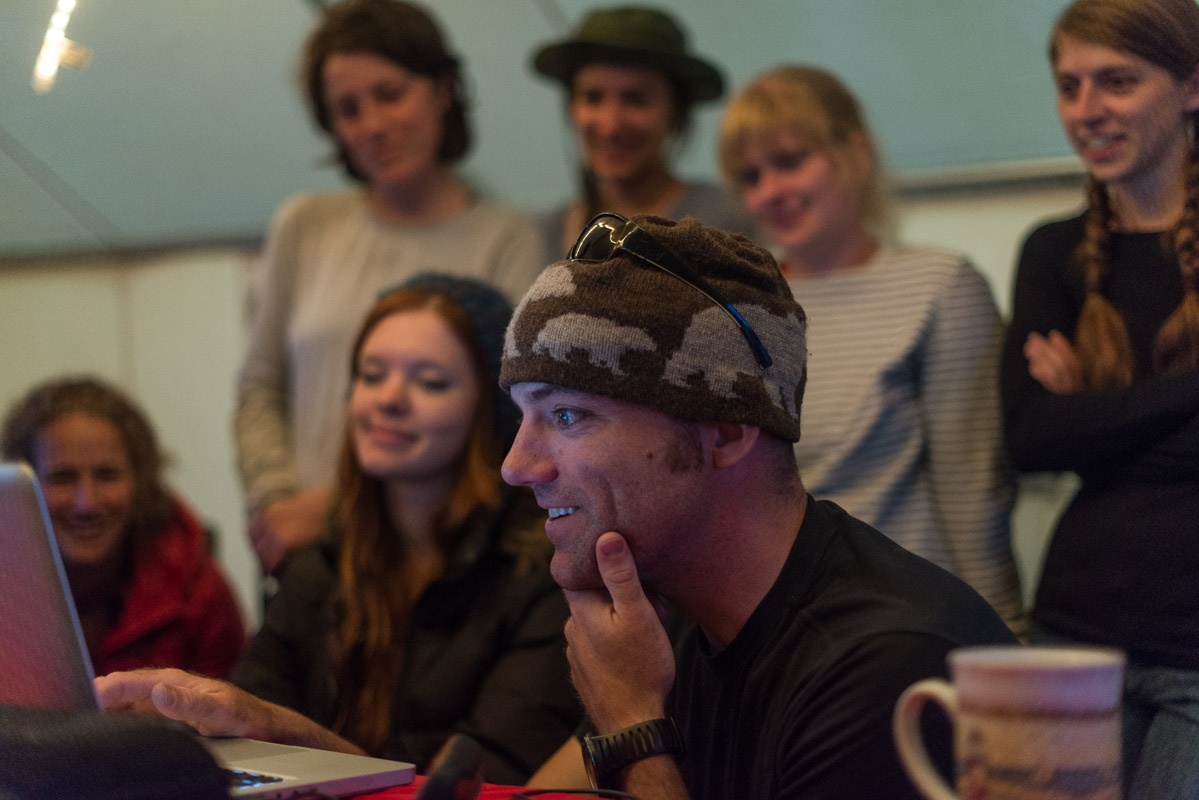
Mike Kautz is the ASC representative in charge of setting the crew up, teaching them some ways to gather data, and then setting them loose on the prairie.

This crew is gathering data on the bison that roam the American Prairie Foundation lands, but Kautz says ASC volunteers have conducted wildlife surveys, studied how native species are interacting with fences and looked for archeological sites on the APR land as well. Writer Brewer quotes him as saying, “One of the things we’re trying to show with this project is that you can do good science with nonprofessional scientists, that you can collect robust, rigorous scientific data with people who are not necessarily professionals.”

Much of the data gathering and species identification manuals are electronic.
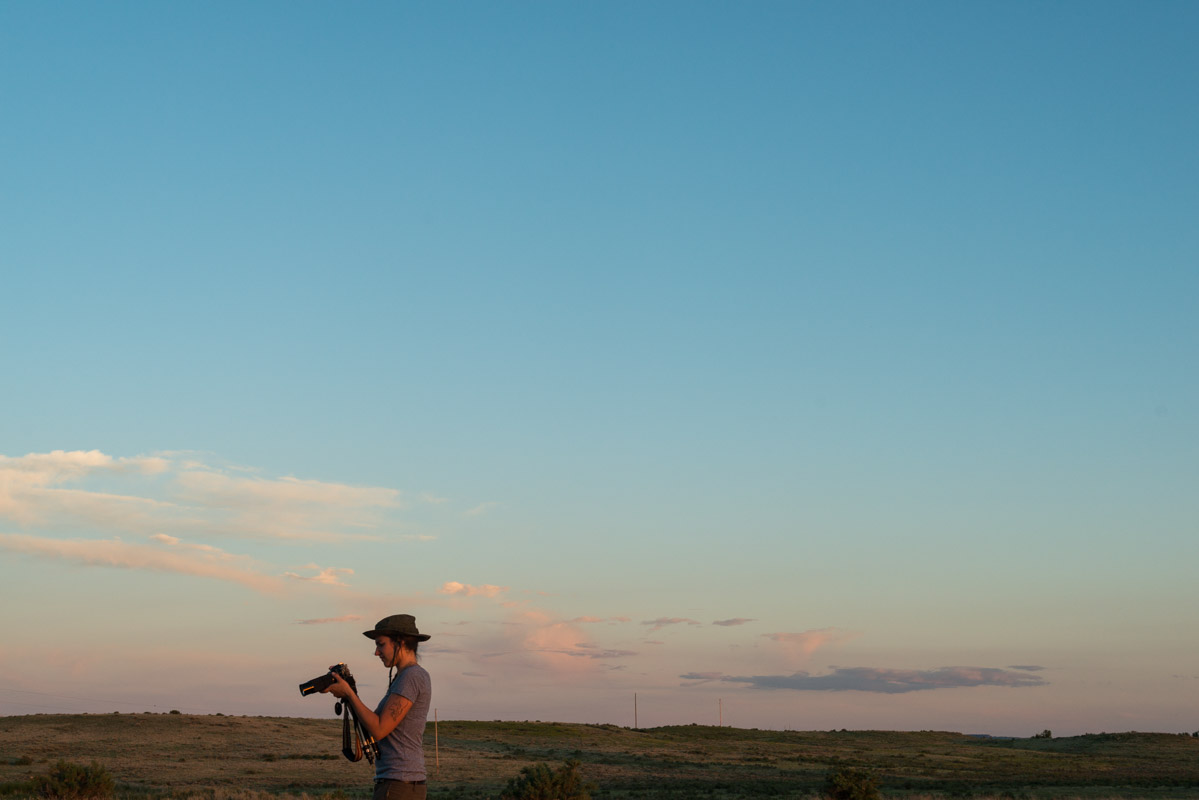
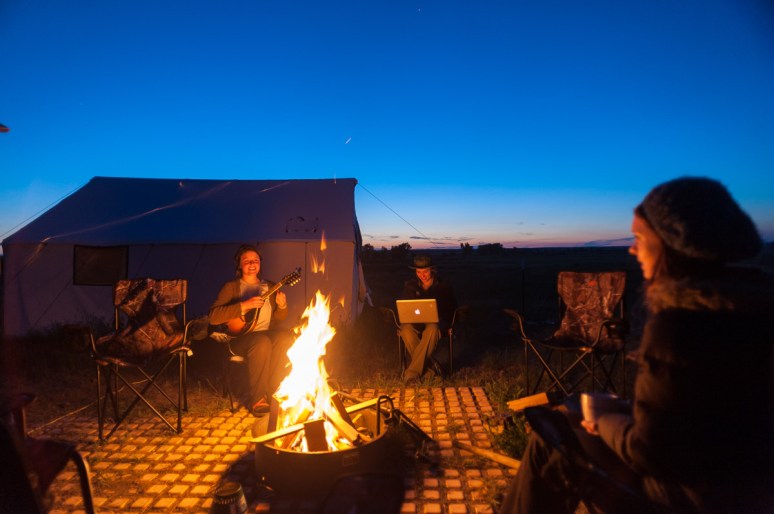
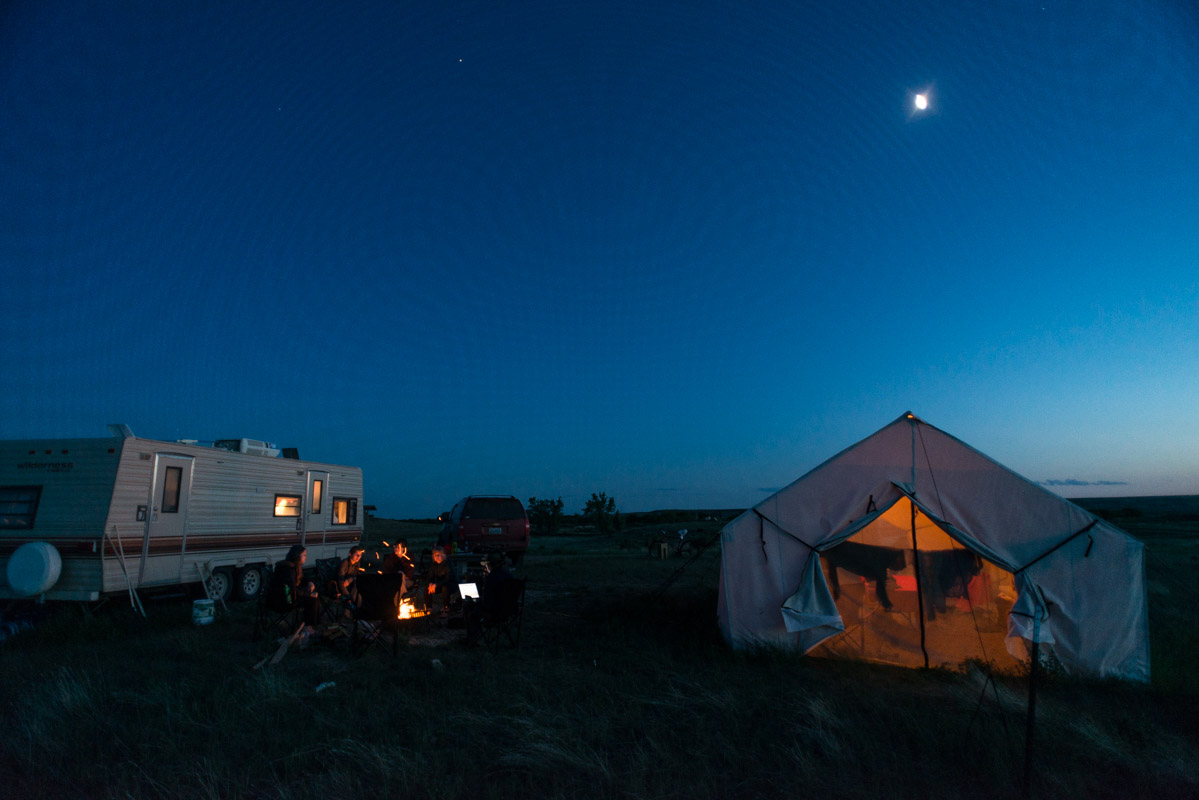
And there’s time for the crew to enjoy being out in a beautiful place, camping with people just met, but of a common interest.
P-burg
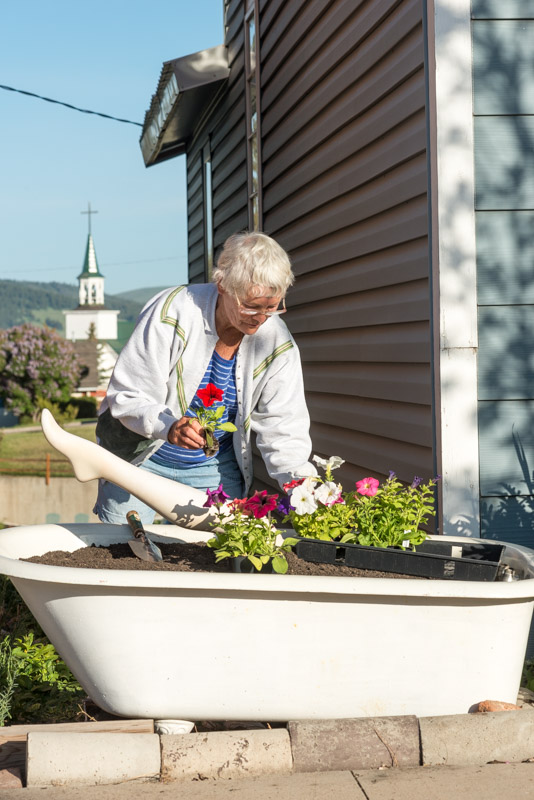
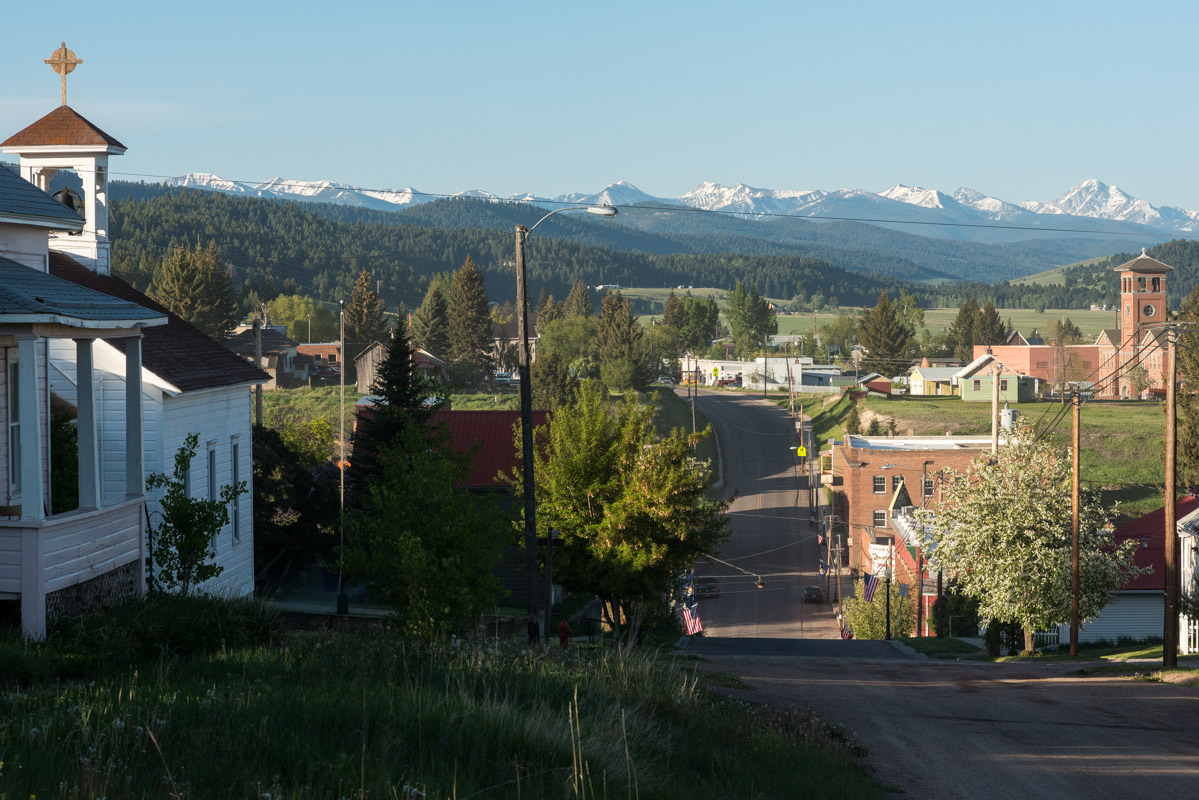
Among the many fine stories in the current issue of Montana Quarterly is John Clayton’s profile of the town of Philipsburg, Montana. I found it to be a town with a sense of humor, a place proud of its heritage without clinging to it. Anne Krickel, above, lives next door to a church. At one time, she says, she and her husband had a sign on the bathtub outside their home that advertised, “Baptisms: 50¢.” Then some friends brought her a mannequin leg from an old department store. “I thought, ‘That is perfect,’ ” she says.
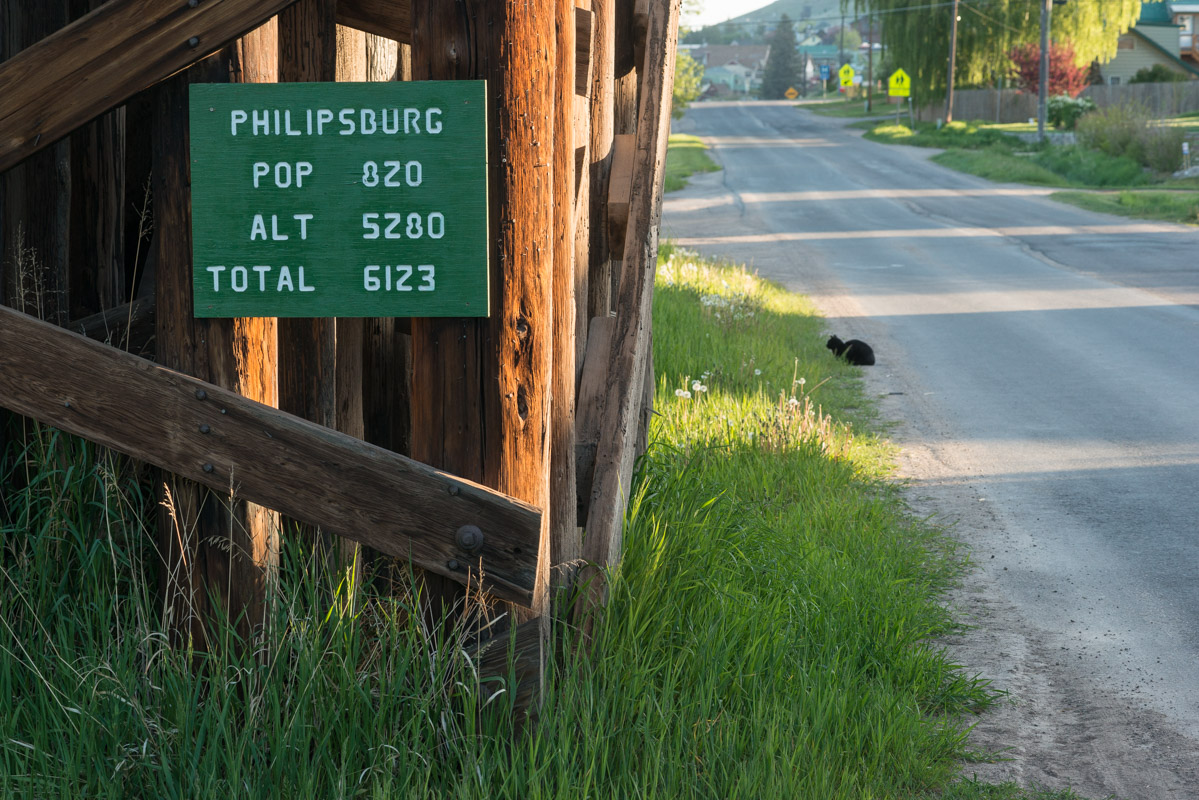
Asked to explain the math on a sign welcoming visitors to P-burg’s southern entrance, Mayor Craig Sorensen says, “It’s an art project slash joke.” Mayor Sorensen adds that there are also four signs around town directing people to a fictitious nude beach. If followed, the signs lead travelers in a circle.
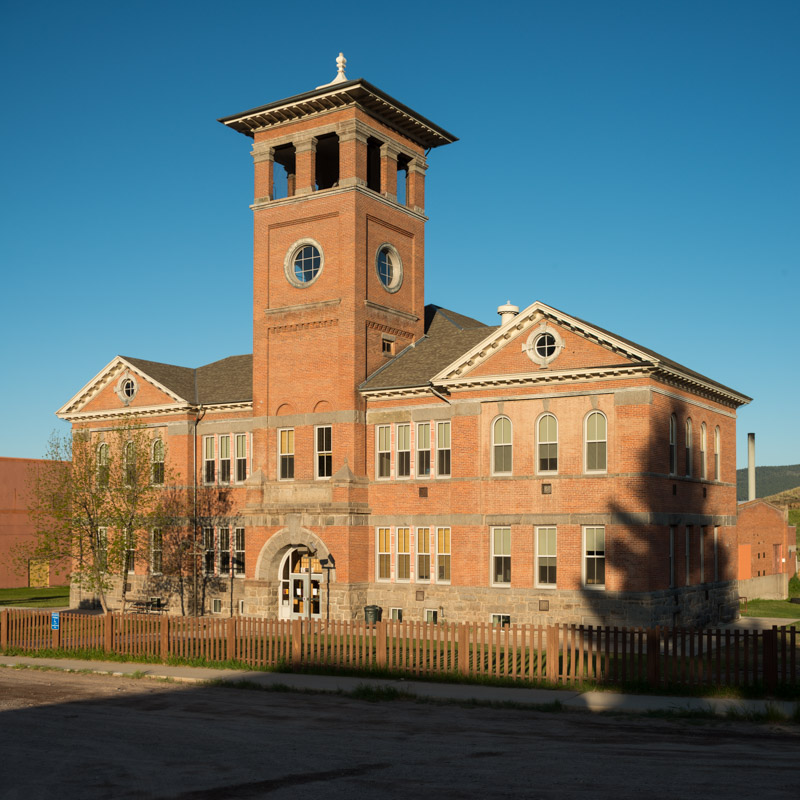
Founded as a mining town in the 1860s, P-burg was built to last. Much of the architecture, including the Philipsburg grade school, was constructed of brick. The school, dedicated in 1896, claims to be the oldest operating grade school in Montana.
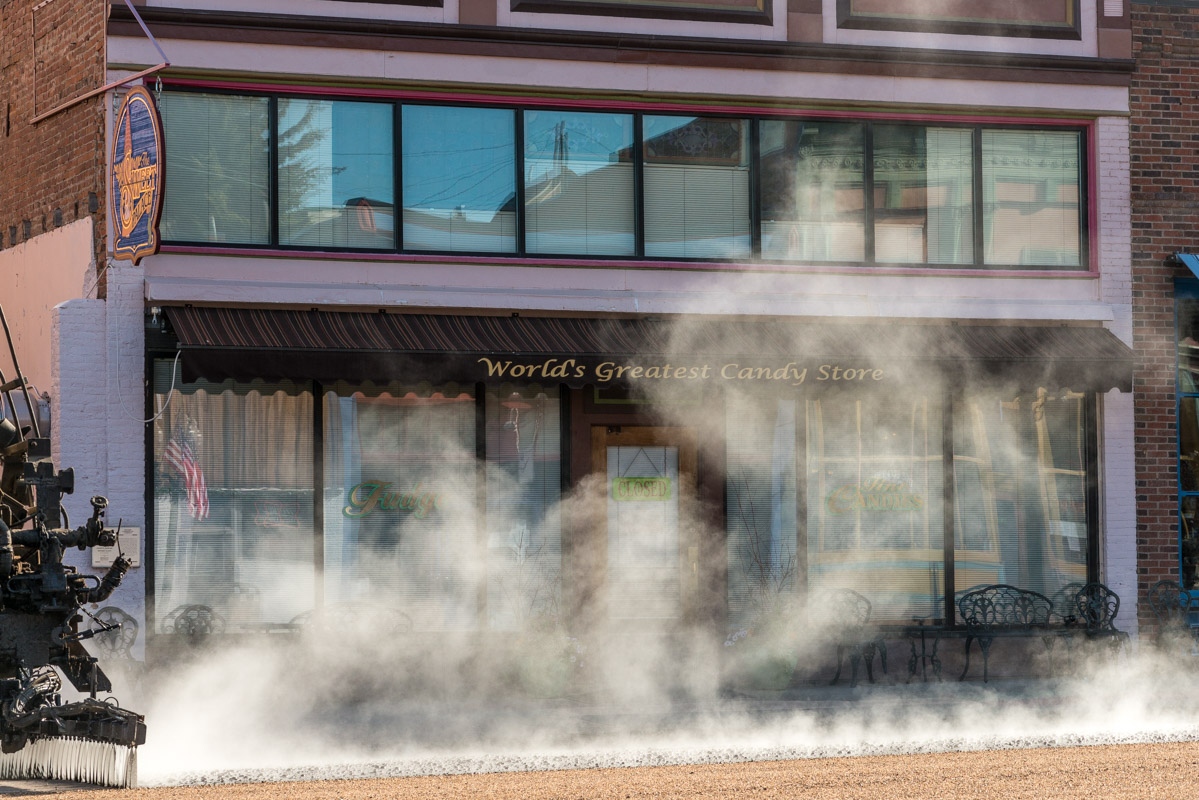
And a lot of work has gone into preserving and maintaining the historic downtown. On the June Saturday morning I visited, the main drag was getting a fresh chip seal.

Roy Hamilton, 96, grew up in P-burg. He learned mechanical skills from his father, a carpenter from Sweden. He sent his three kids to college with jobs that included manganese mining and work for the city public works department.
“You could say that Roy’s career is a microcosm of P-burg and the economic history of the state as a whole,” John Clayton writes. “He used his mechanical aptitude and common sense to make things in teamwork with others. And responding to market forces beyond his control, his source of income had to shift from mining to logging to government. The stability was not in a single employer, but in family, landscape, community, and the value of work itself. All that makes Roy very likable, just like his town.”
 Thomas Lee True West