Recycled Art
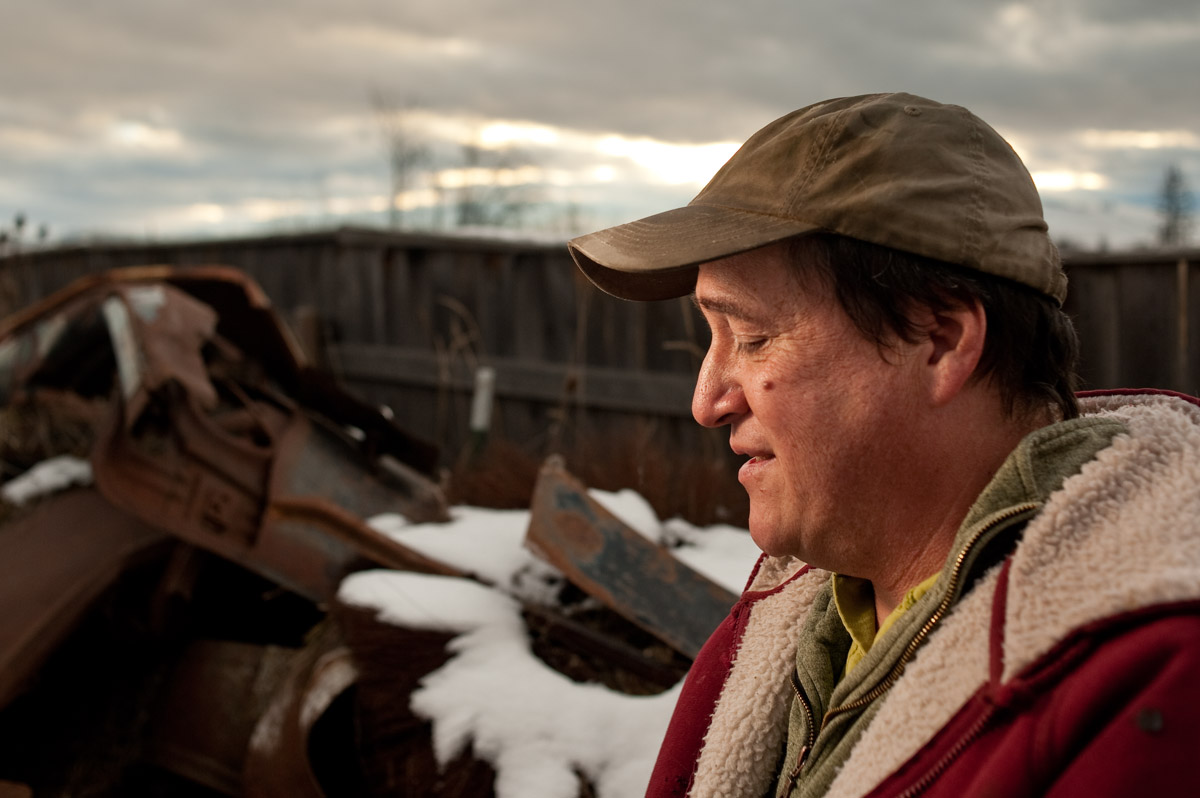
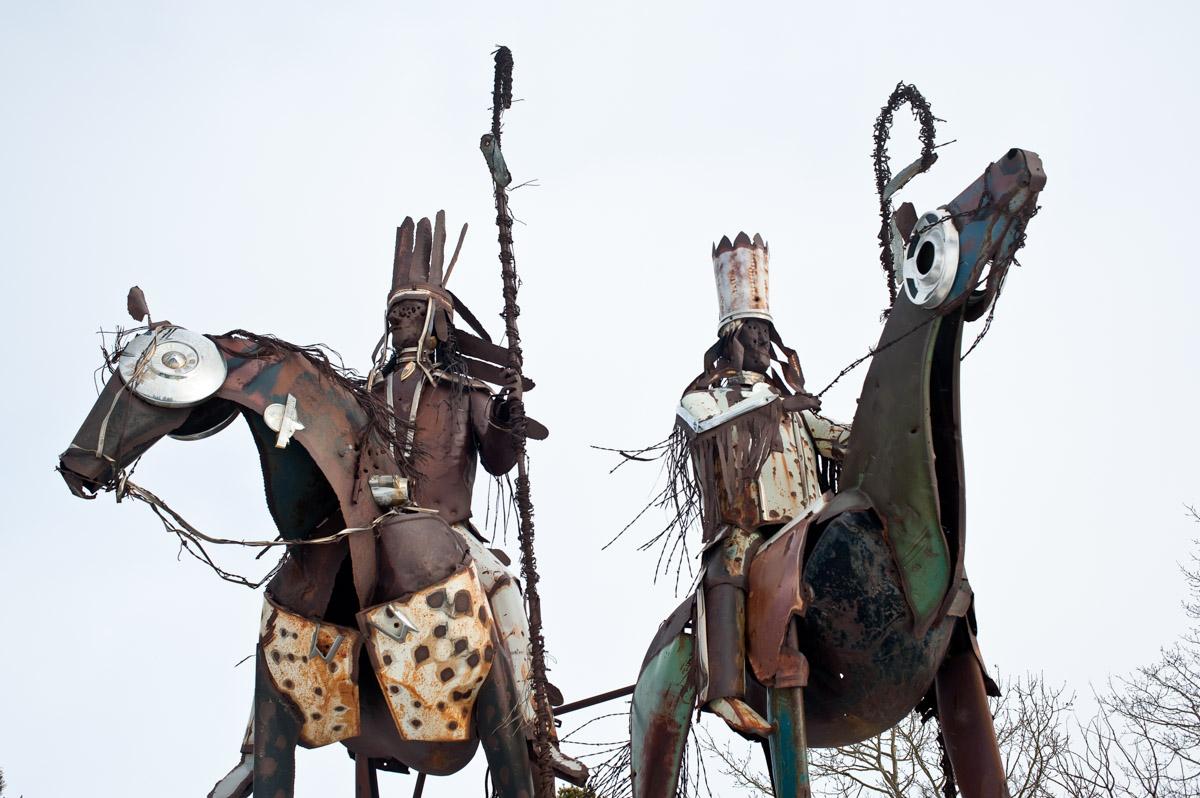
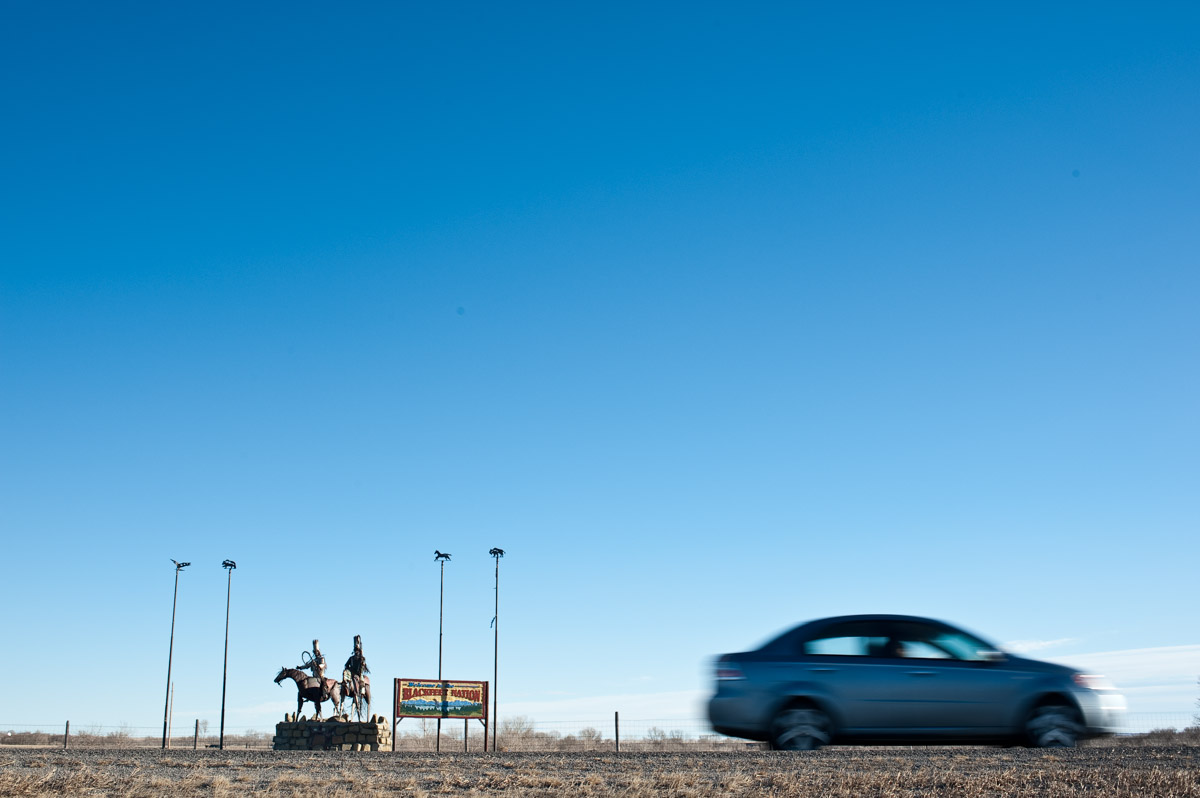
Jay Laber is an amazing artist living in St. Ignatius, Mont. He makes wonderful, alive sculptures out of junk: old car parts mostly, many remnants of old cars blown apart by a terrible flood that hit the Blackfeet Indian Reservation in 1964. Now some of those car parts make up sculptural sentries guarding the four entrances to the reservation.
And sculptures aren’t all that Laber can do. He can make flutes out of PVC pipe, he makes and uses his own throwing knives, and he makes his own bows and arrows. But the thing I thought was really cool when I met him is that he can make and actually hunt with an atlatl, a prehistoric hunting tool. This is a rare skill and Jay is a rare man. It was a privilege to hang out with him for a couple of hours.
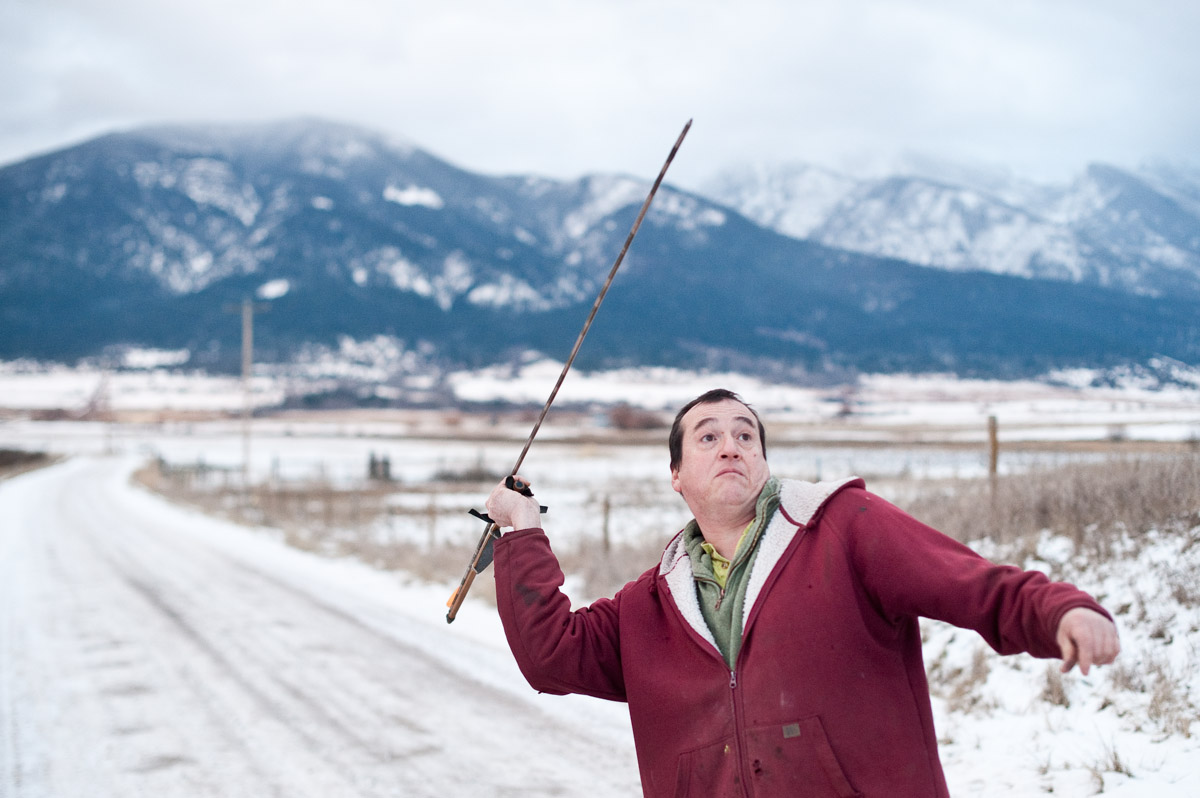
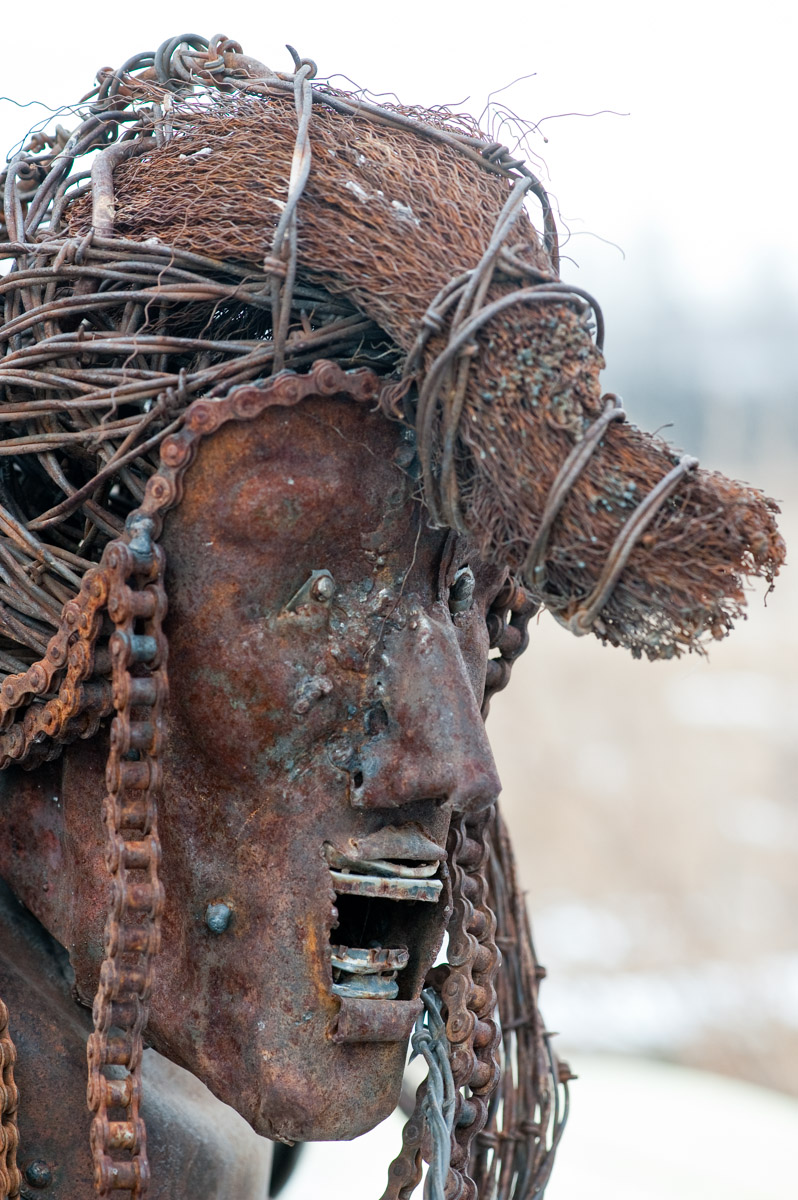
For an excellent profile of Jay written by my friend Scott McMillion, pick up the latest copy of Montana Quarterly.
Lincoln
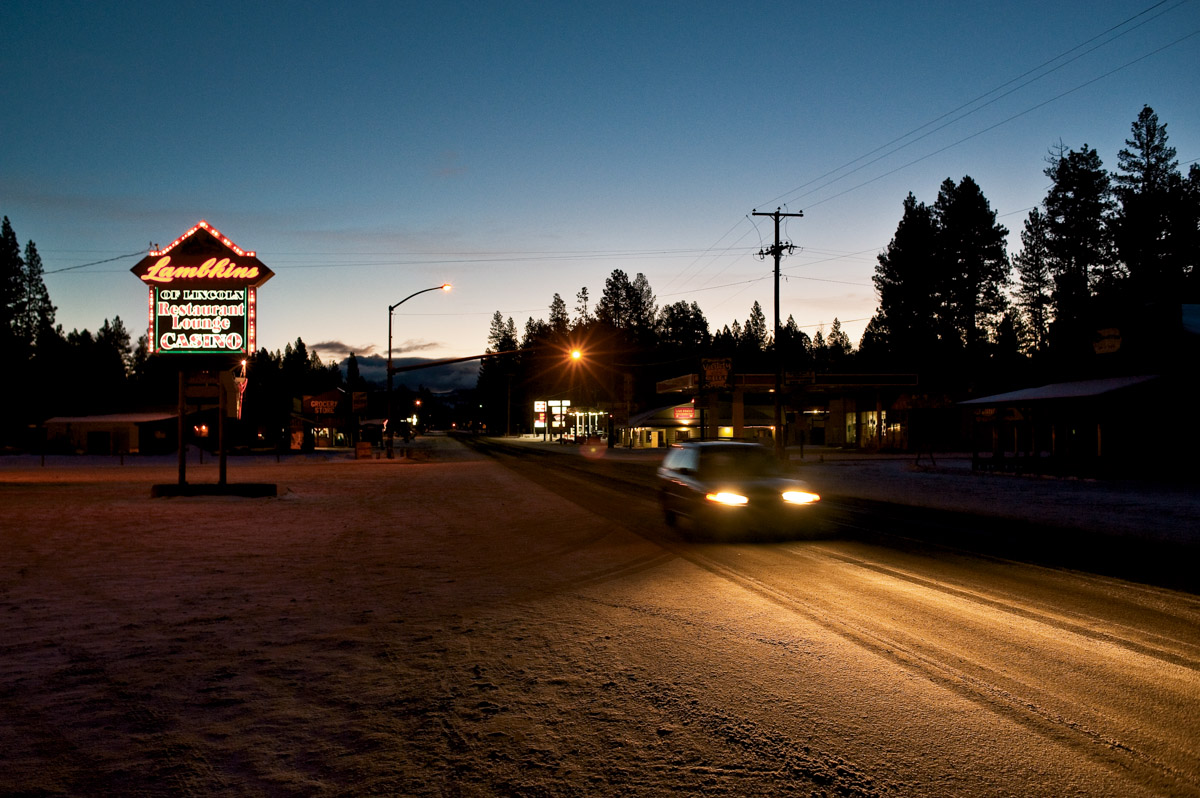
Lincoln, Montana, sits along the Blackfoot River just over the Continental Divide. And like many small towns in Montana, Lincoln has seen better days. One life-long resident remembers growing up in Lincoln the ranching and timber community. “That’s pretty much gone now,” Brent Anderson, 58, says. “What keeps the town alive now is Highway 200 because we’re half-way between Missoula and Great Falls.”
It’s a town looking for a new identity. “Lincoln needs some industry, some kind of jobs,” Anderson says.
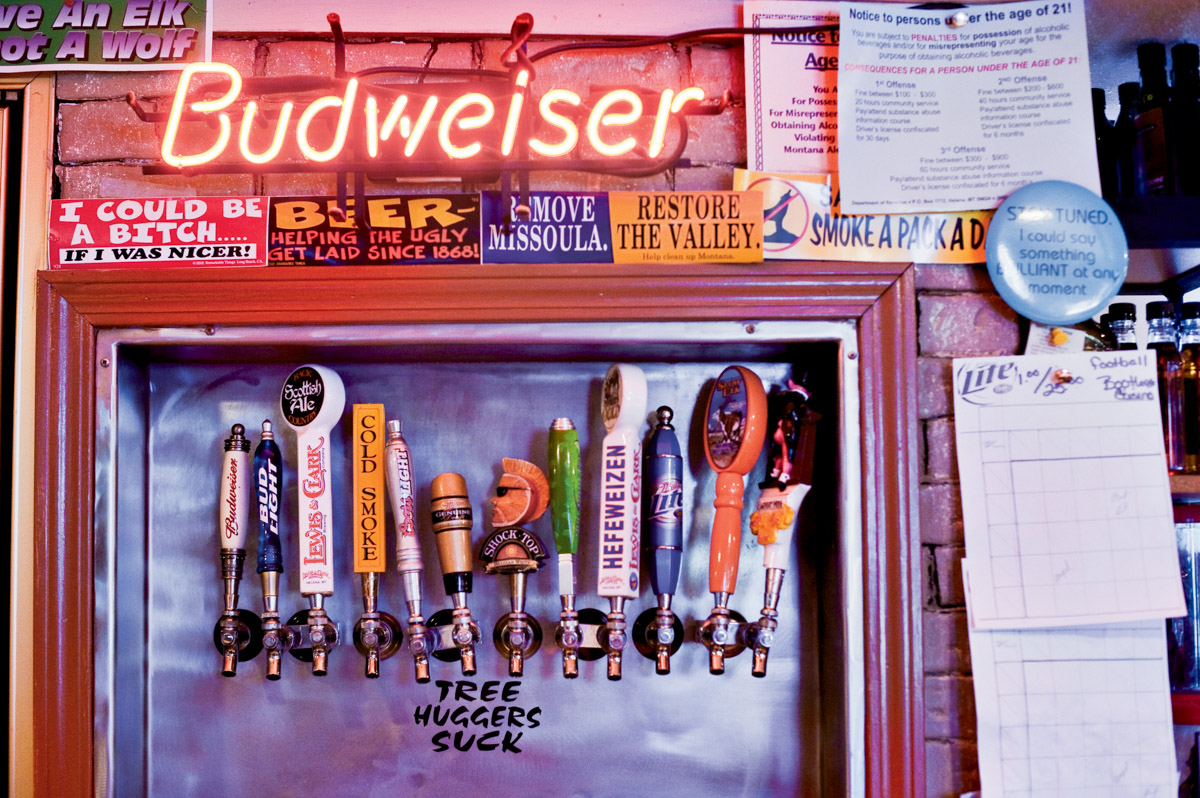
And Lincoln’s Bootlegger bar shows the conflict involved in the changing economy. Long a place where environmentalists were seen as a threat to the local livelihood, Lincoln is now looking to its dramatic scenery as way to draw in tourists. But under the taps for what owner Vicki Krause calls, “greenie beers,” old attitudes linger. “I’m entitled to my own opinion,” Krause explains. “We serve everybody. As long as they’re not offended, I’m not offended.”
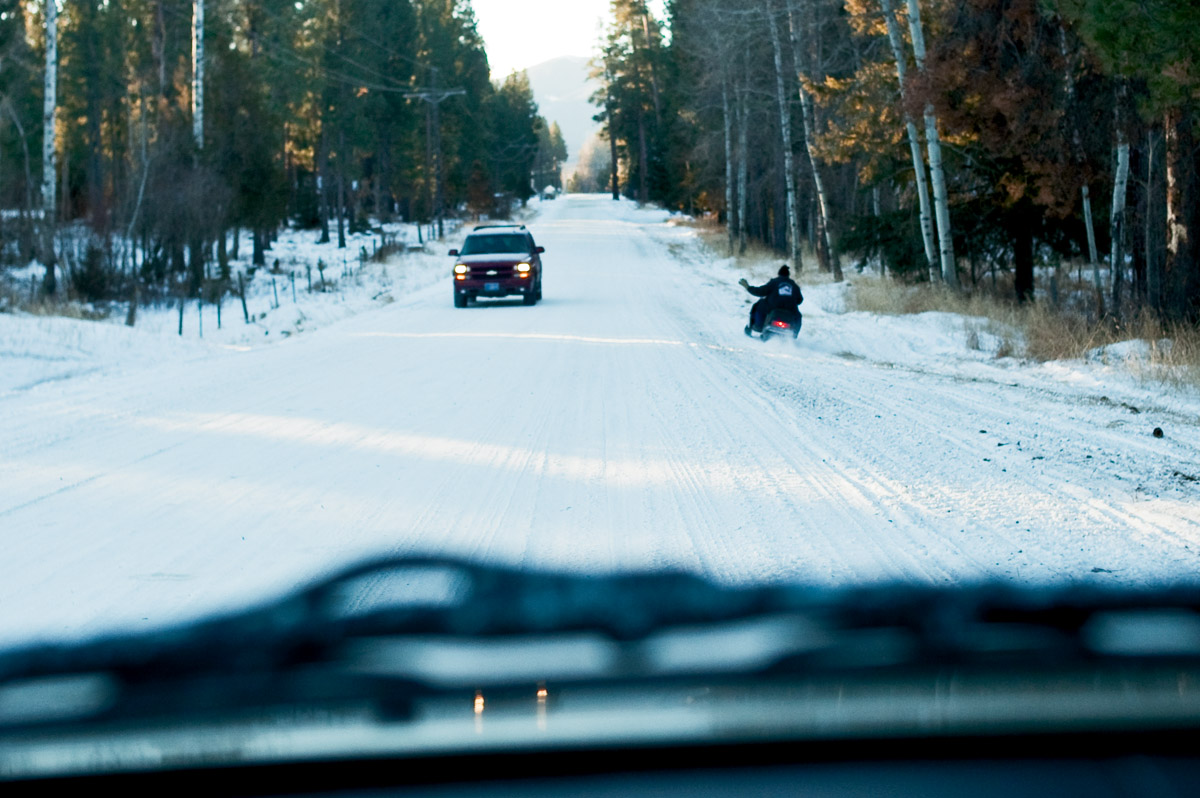
“Snowmobiling in Lincoln is the winter sport. It brings business into town,” says Steve Tjaden of the Ponderosa Snow Warriors Snowmobile Club, which puts on two or three community pancake breakfasts every season for anyone who can attend.
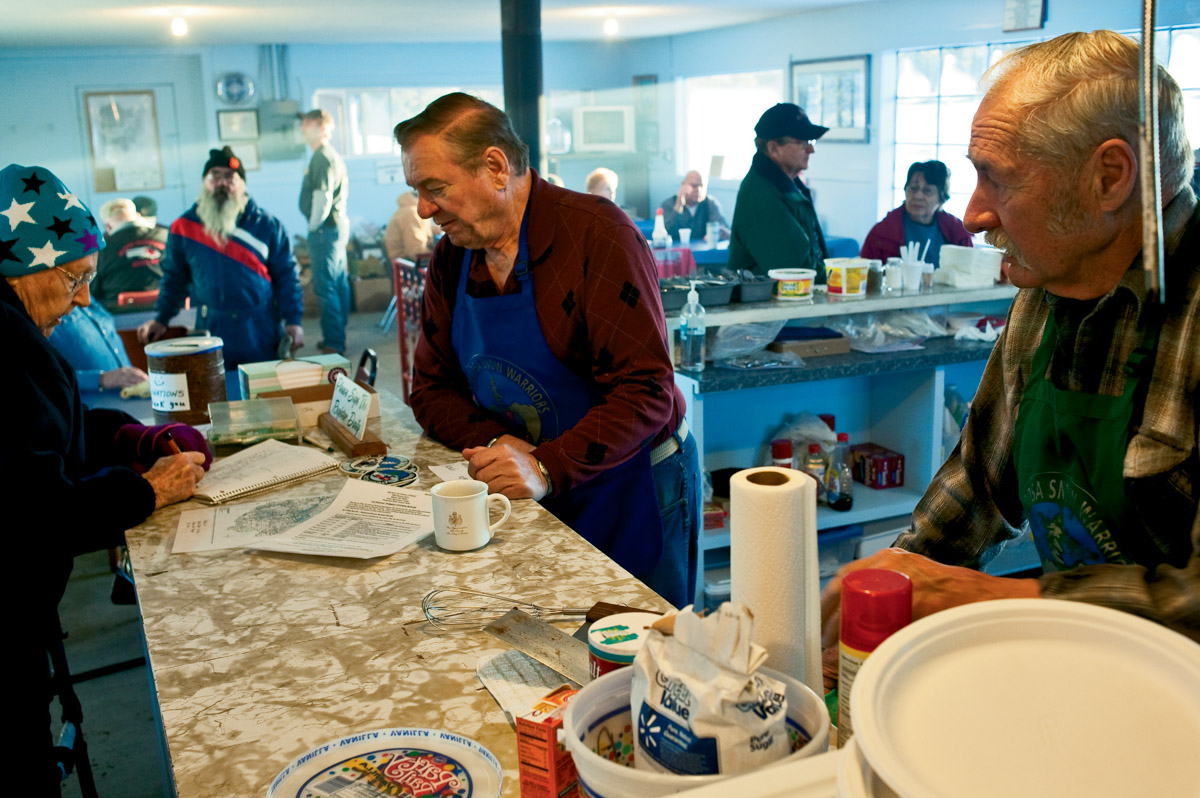
The Snow Warriors boast 250 members from Missoula, Helena and Great Falls, in addition to Lincoln, and the breakfasts feature sourdough pancakes by Bob Orr, far right, who says his batter is about 30 years old. “I just keep it in the refrigerator,” Orr says. “I add a little flour and water every few weeks. It’s kind of like a kid.”

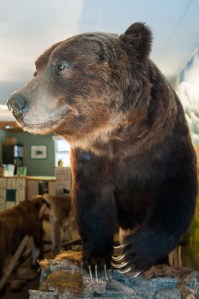
In addition to snowmobiling, Lincoln offers hiking, fishing, and hunting, though feeding the deer that often roam the streets in the predawn hours is illegal. In 2007, a pickup struck an 830-pound male grizzly on Highway 200. The bear died instantly, the driver was unhurt. Then the community got together and stuffed the bear and put it on display at the ranger station on the east end of town.
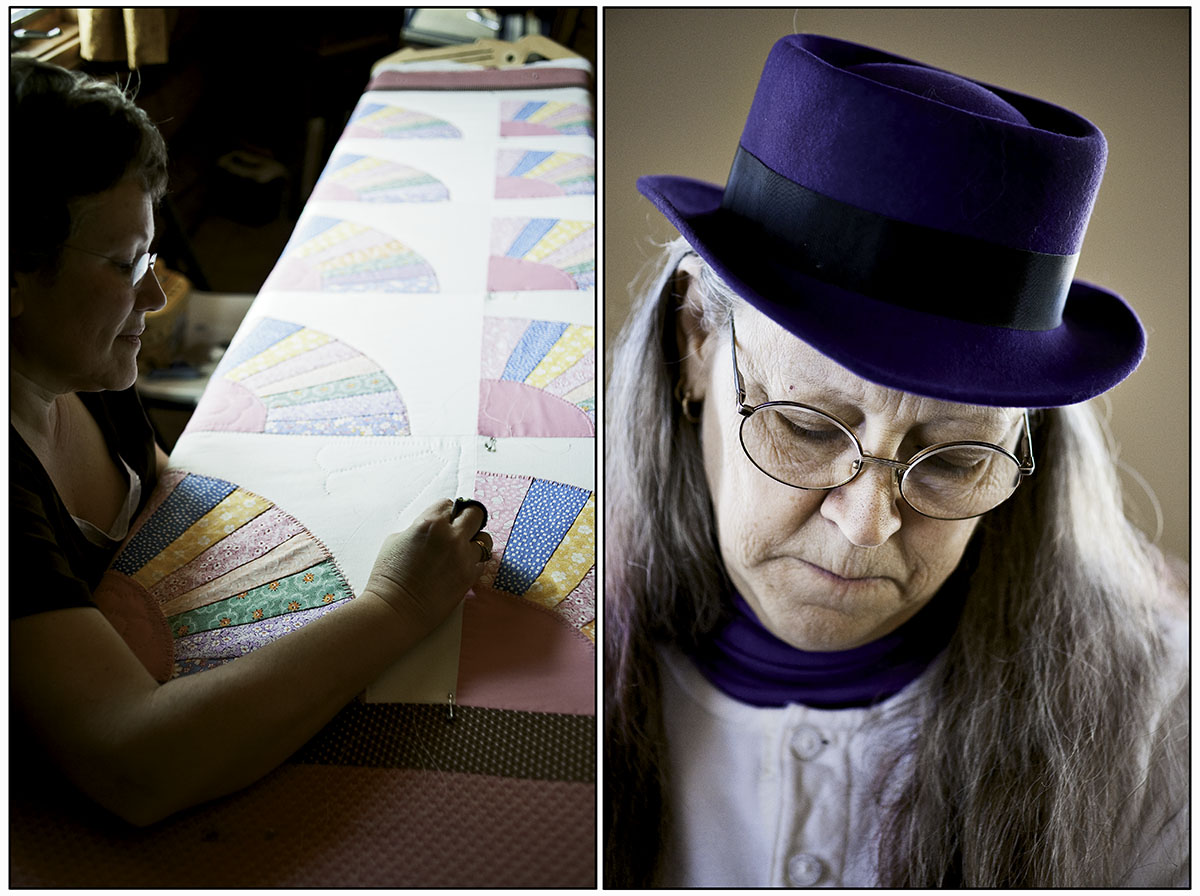
Lincoln shares a shrinking school enrollment problem with much of rural America. Carla Anderson, left, says she left her position as the school principal in Lincoln about five years ago to help care for her grandson, who needed a liver transplant. When she left, the enrollment in Lincoln was 240 students. Now it’s closer to 130.
Meanwhile, Lincoln remains a busy place. “Just about anything you can think of,” says Joy Aquino, right, while sporting one of the 200 hats she owns, “we’ve got an organization that covers it.” Aquino is a member of the Fiber Guild, among others, and says the first two weeks of every month seem to have a meeting every evening and most of the days.
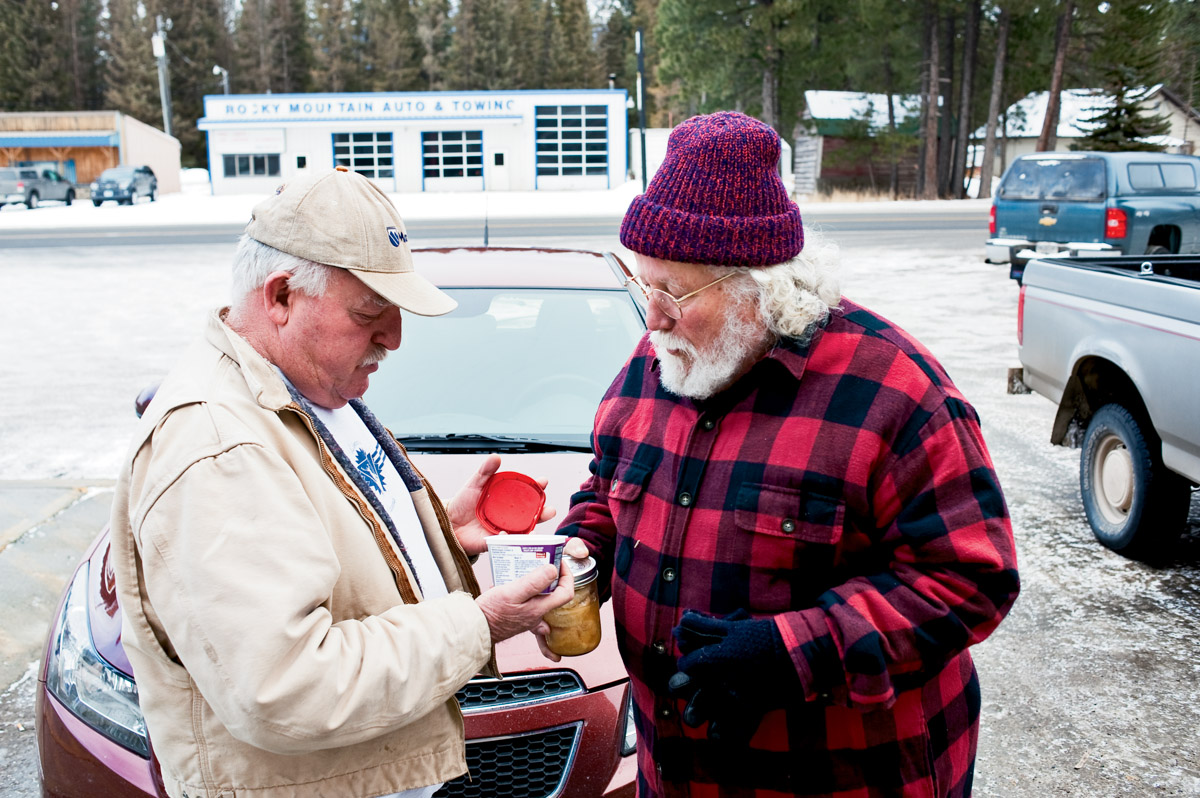
And life continues in Lincoln. It may be moving from timber town to retirement community, but maybe that’s not so bad. Denny Peterson, left, and Bob Armstrong trade bean soup for canned fish outside the Lincoln Post Office. “This is how we survive in Lincoln,” jokes Peterson. Armstrong, who says he just trimmed his beard after serving as the local Santa, has lived in Lincoln 32 years. “We like Lincoln,” he says. “It’s a nice place to live.”
Recognized
I just found out that this image of rodeo legend Benny Reynolds greeting an old friend at the Dillon Senior Rodeo has won in American Photography’s 2012 contest. They tell me my image placed in the top 185 of more than 9,000 images submitted. I’m honored.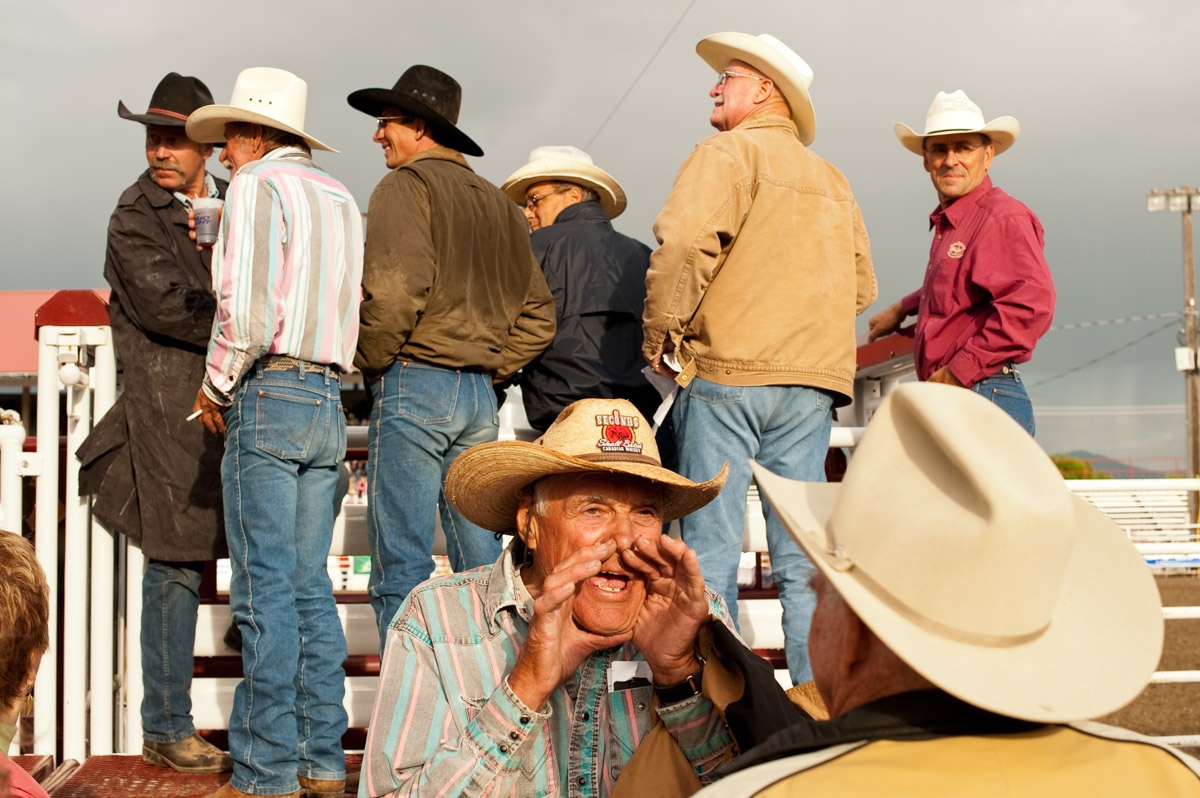
Little Shell

There’s a new issue of Montana Quarterly just hitting the newsstands and I think it’s the best issue yet. There are a number of great stories inside, including one by Jeff Welsch about the Little Shell band of the Chippewa Indian tribe. That’s James Parker Shield above, outside the new visitor’s center the Little Shell recently opened in Great Falls. Shield and Tribal Chairman Gerald Gray, below, are in the process of giving the Little Shell long-awaited recognition from the U.S. government.

The Little Shell have been landless and unrecognized since the late 19th century. Gray and Shield are working hard to change that. “Our tribe can’t afford to play stoic Indian,” Shield says. “We have to be assertive.”

Shield remembers living among the Little Shell near this butte, known as “Hill 57,” for the 80-foot whitewashed “57” a Heinz salesman and his friends and family fashioned out of stones on the side of the hill in the early 1920s. Shield says he grew up in the 1950s and 1960s in a tarpaper shack without electricity, plumbing or phones, sharing one water pump with about 200 other Little Shell. The new visitor’s center sits at the base of this hill.
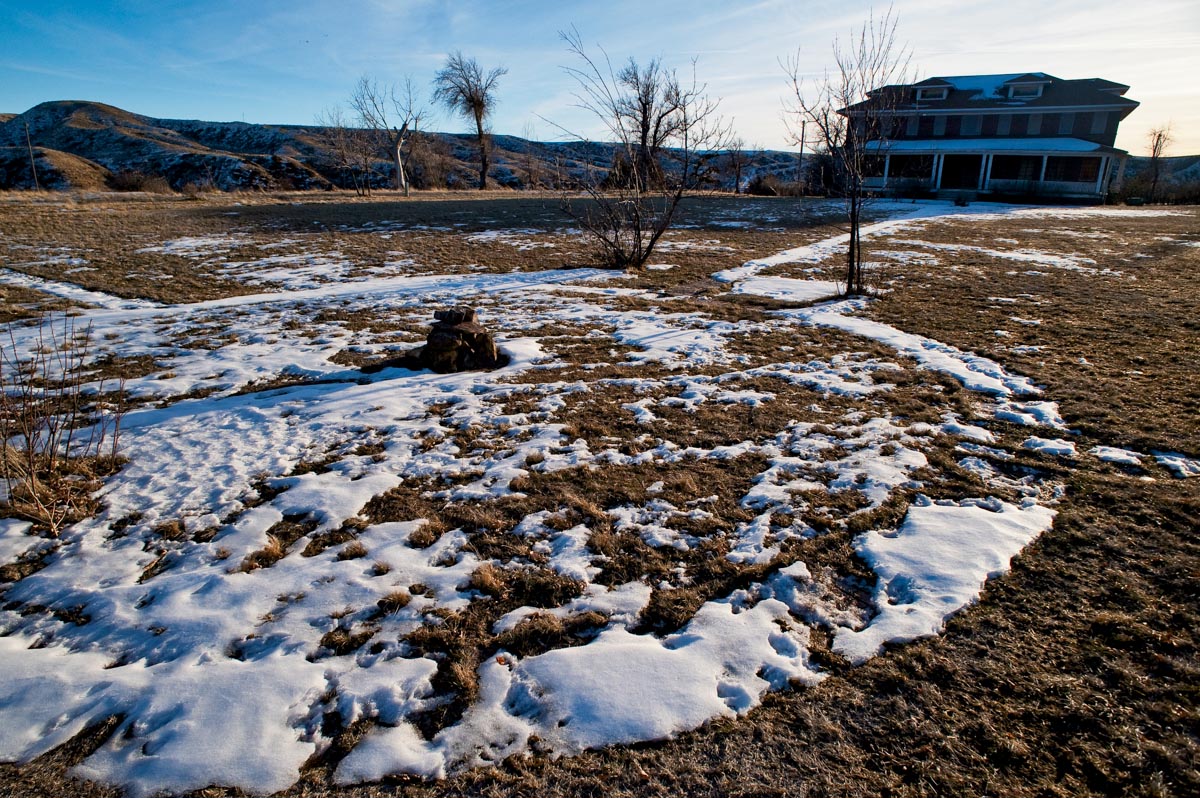
And the tribe has big plans for this site at Morony Dam north of Great Falls. Gov. Brian Schweitzer signed a bill in 2007 that grants the Little Shell control over the lands. Shield says that when the grass was first mowedon the center lawn, it revealed a circle sidewalk with lines radiating outward to the four compass points. “I knew this was the place for us,” he says. “I looked at it [the circle] and said, ‘This was meant to be.’ ”
Marketing
I read recently that a good freelance photographer spends something like 80 percent of their time marketing. I bet that’s true. So I’ve made plans to attend the Palm Springs Photo Festival at the beginning of May in an effort to build my network of potential art buyers. And that means I’ve spent a good portion of the last couple of weeks reworking my portfolio and my website.
When I meet with potential clients, I’m not selling photography. I’m selling independence, endurance, perseverance. Earthy, quiet, peaceful reflection. True spirit, true character.
These are traits I believe we all admire. We need to see these traits — to appreciate the commonality these traits represent — in faces never met, in places never visited.
That’s what I’m selling.
Manifesto
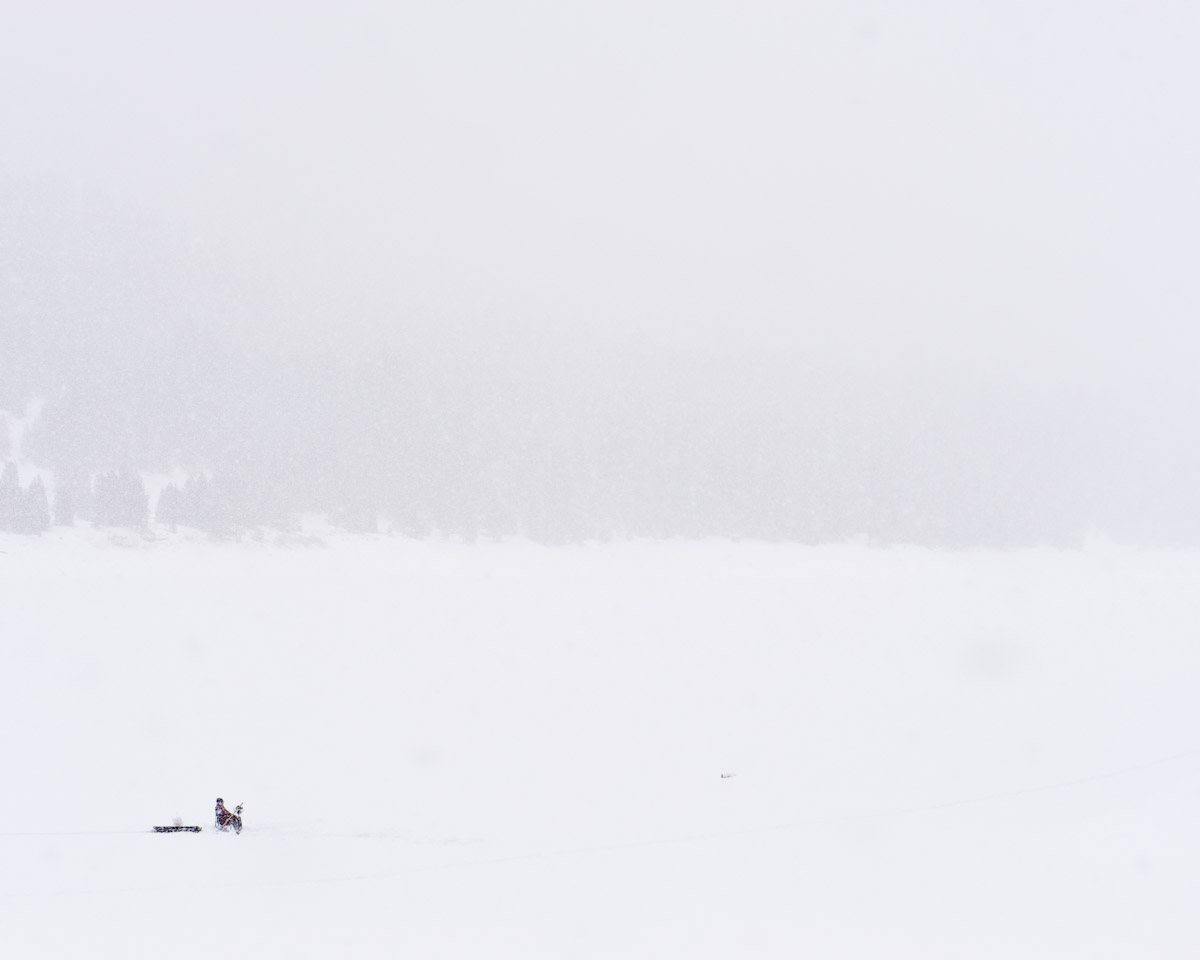
I’ve got an assignment coming up for Sierra magazine that takes place in Hyalite Canyon, not far from my house in Bozeman. So I went up there recently just to look around a little and found this soul ice fishing on the lake. It doesn’t look like much fun to me, but I see lots of people ice fishing, so there must be something to it. Maybe it’s an opportunity to be quiet. Maybe it’s an opportunity to do some good thinking.
On the way home, I did some good thinking, as I’m apt to do while making long exposures of running water. Maybe some ice fisherman saw me and wondered why I thought standing beside a creek on a cold day without a fishing pole was a fun time.
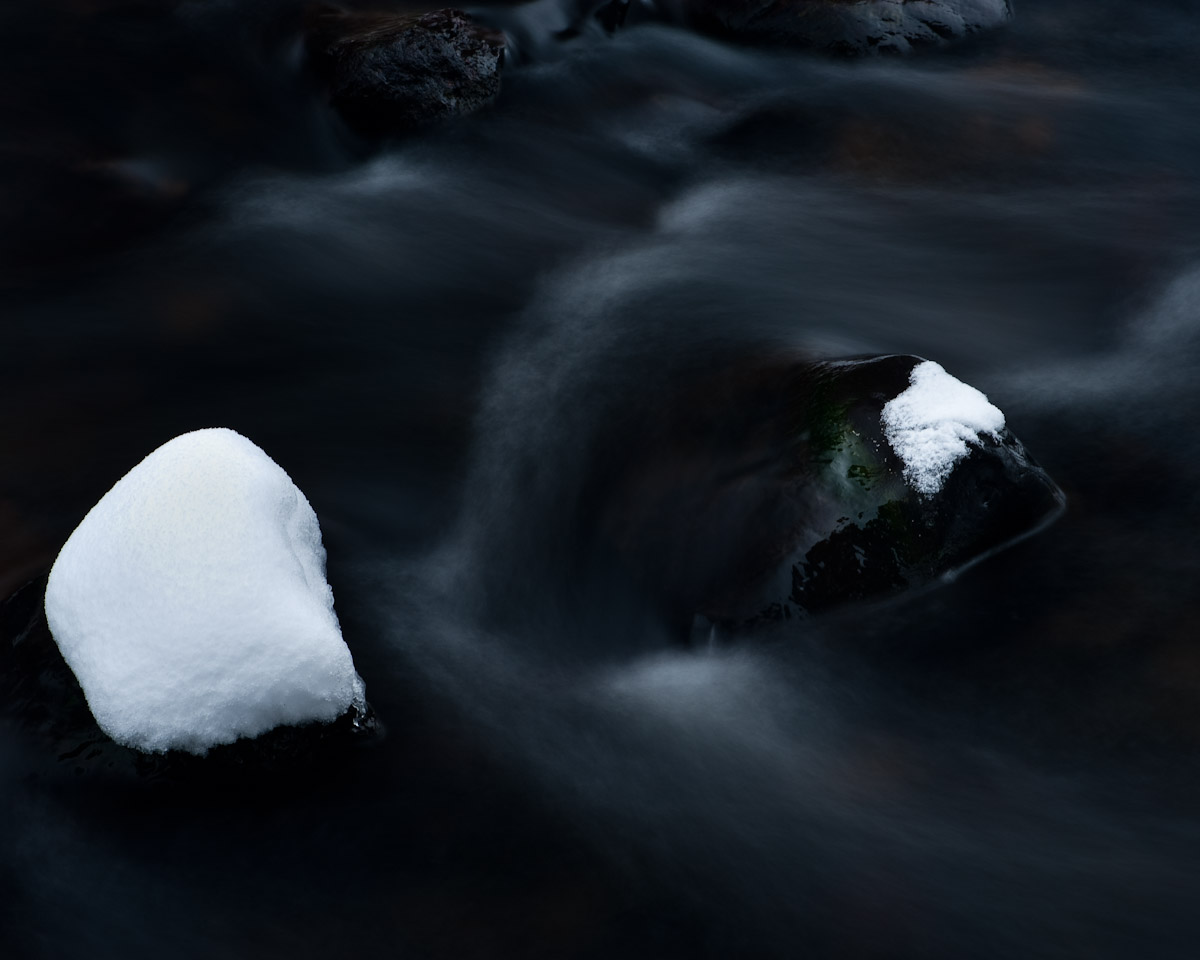
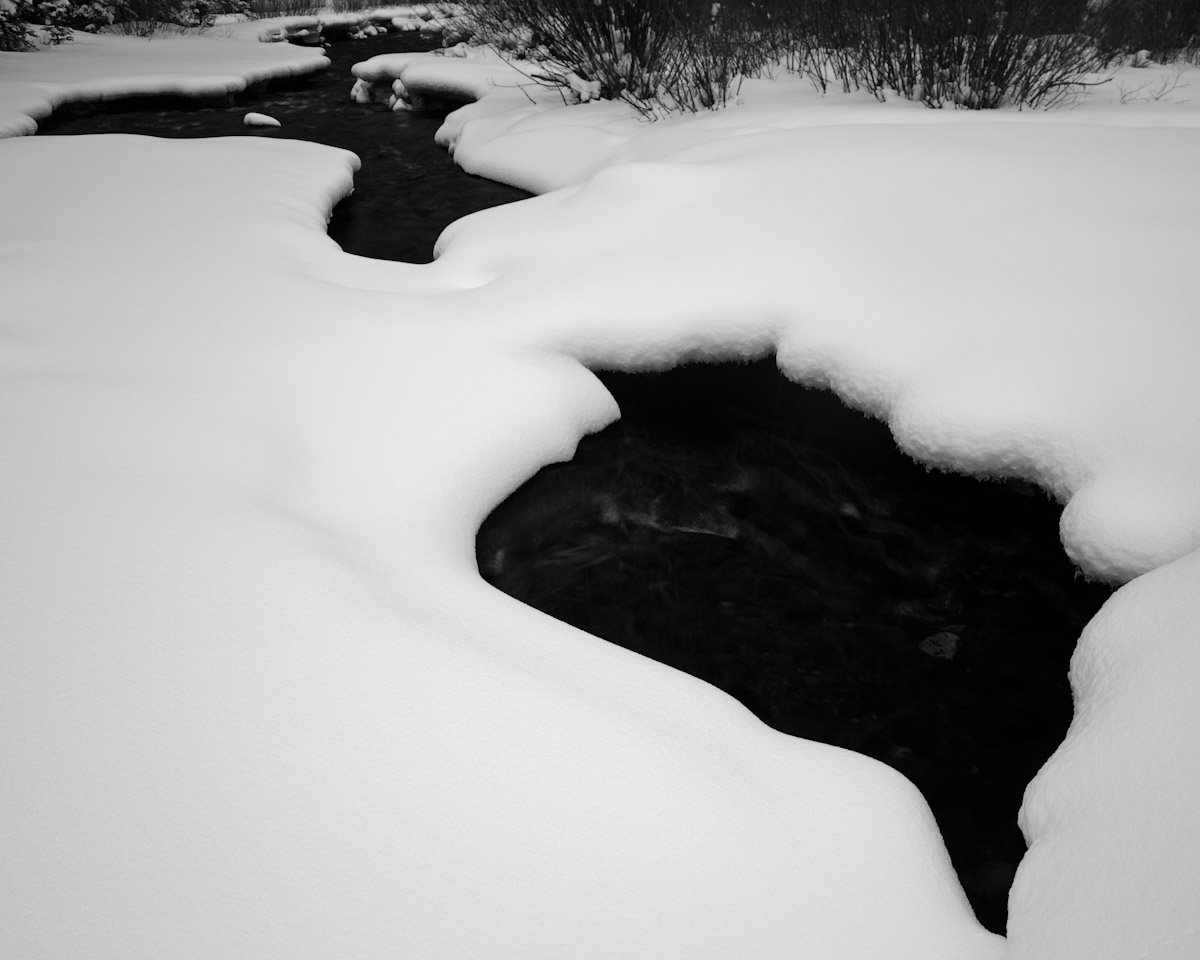
I’ve been doing a lot of thinking lately. Refocusing (sorry) on what it is I’m trying to do. And it has led me to come up with a short manifesto, which I’ll share with you now:
A successful picture is one in which the viewer sees themselves.
The more we see ourselves in other people and in other places, the more we will cherish those people and places. But we must trust the truth we feel.
Truth resonates character. Character resonates truth. When we perceive true character, that generates trust.
Done well, photography speaks universally and authentically, overcoming barriers of language and culture and trust. So I choose photography to share true character of people and places.
I want people to see themselves in the people and places I photograph.
I want people to realize we all have more in common than in conflict.
Community
I’m really proud of this project with Dee Metrick of Reach, Inc.
Over the past several months, it’s been my pleasure to get to know Amanda, one of the 105 adults with disabilities served by Reach. I’ve found Amanda to be genuine, brave and someone always living in the present, always cherishing kindness and friendship. I admire her for that. I hope that through this four-minute video, you might find qualities in Amanda to admire as well.
Sugar
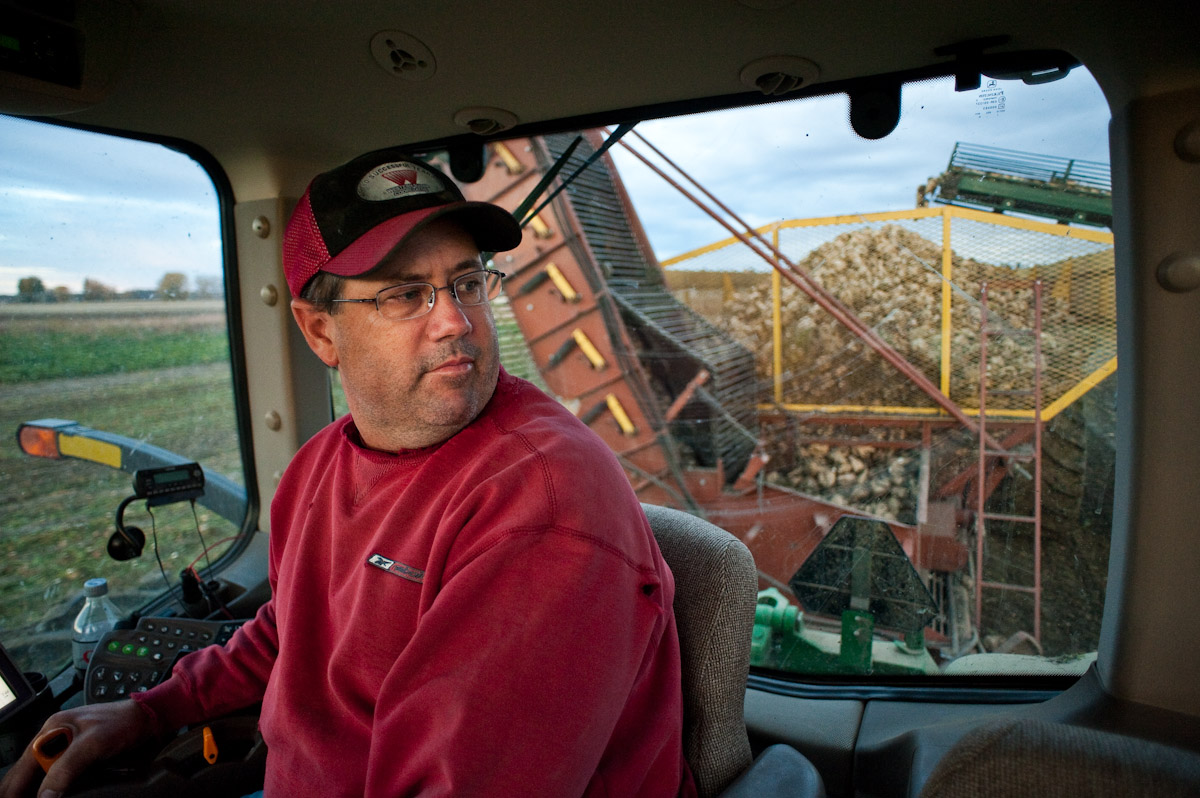
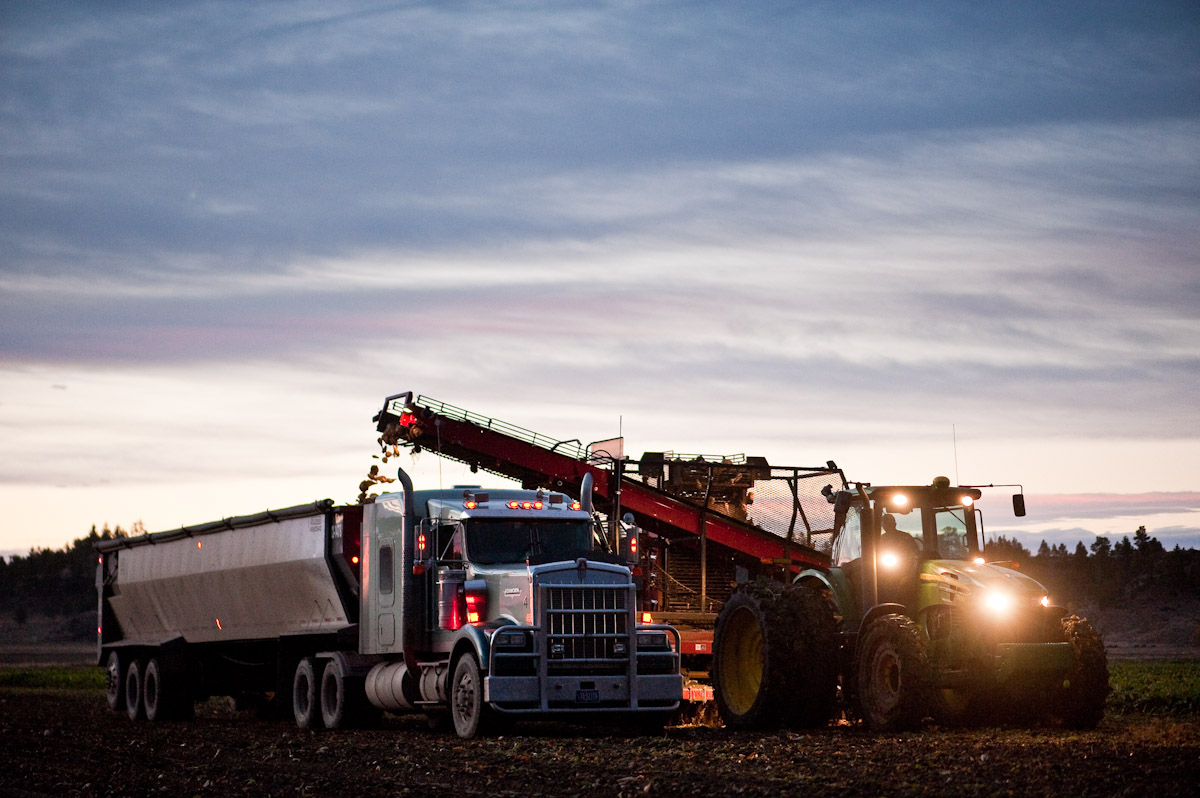
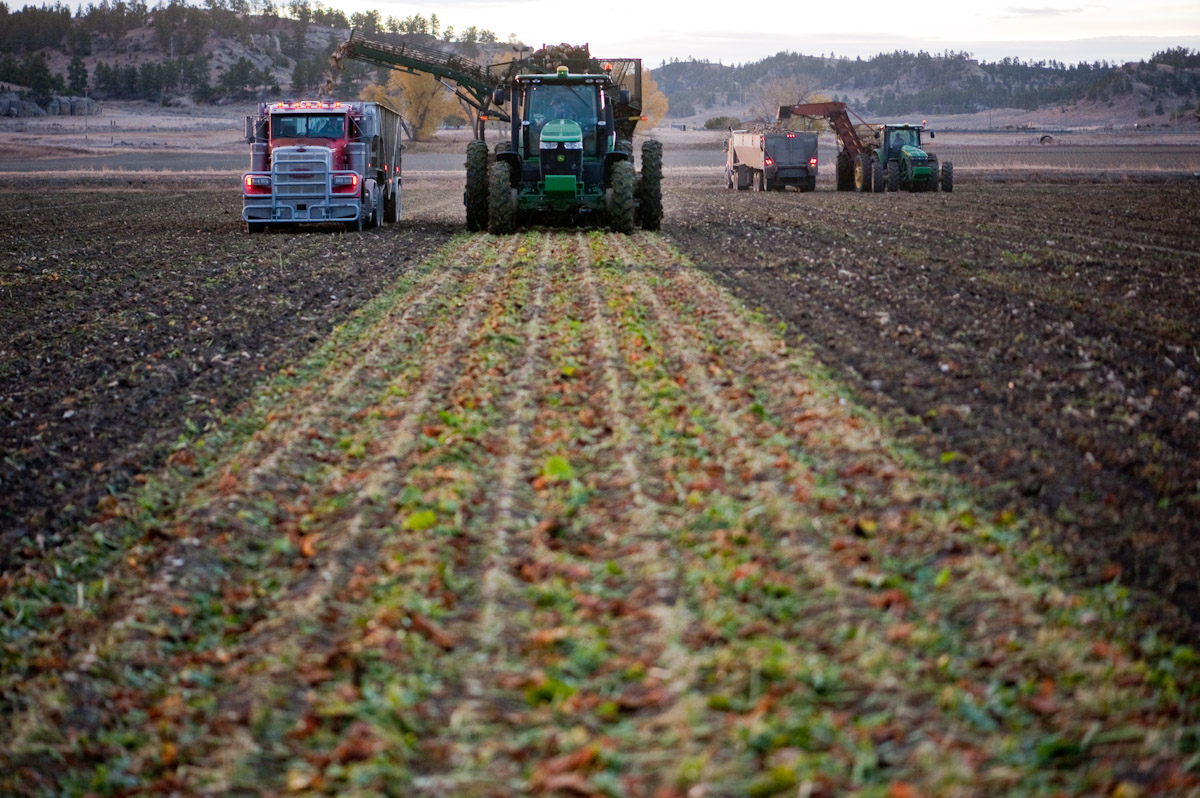
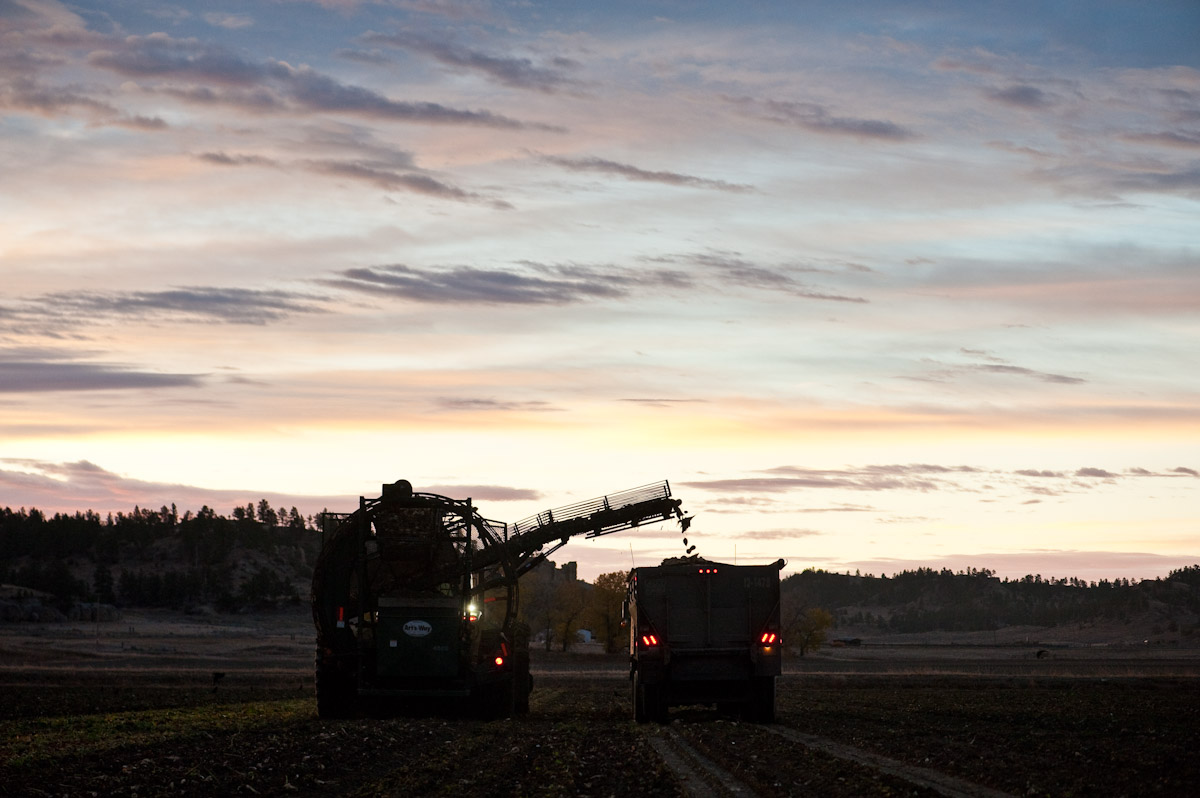
This is Bob Strecker, who was harvesting sugar beets with his father, his son, three uncles and a cousin early on an October morning at Strecker Farms near Big Horn.
When I first moved to Montana in 1996, I had no idea it was such a major source of sugar. In fact, I had no idea sugar came from beets as well as cane. The USDA says 55 percent of domestic sugar production comes from beets. And Montana is one of the top sugar beet producers in the country.
Montana Quarterly magazine has a nice piece in its current issue written by Jim Gransberry. It’s an ode to the mighty sugar beet, a part of Montana’s economy since 1906.

Shirley and Glenn
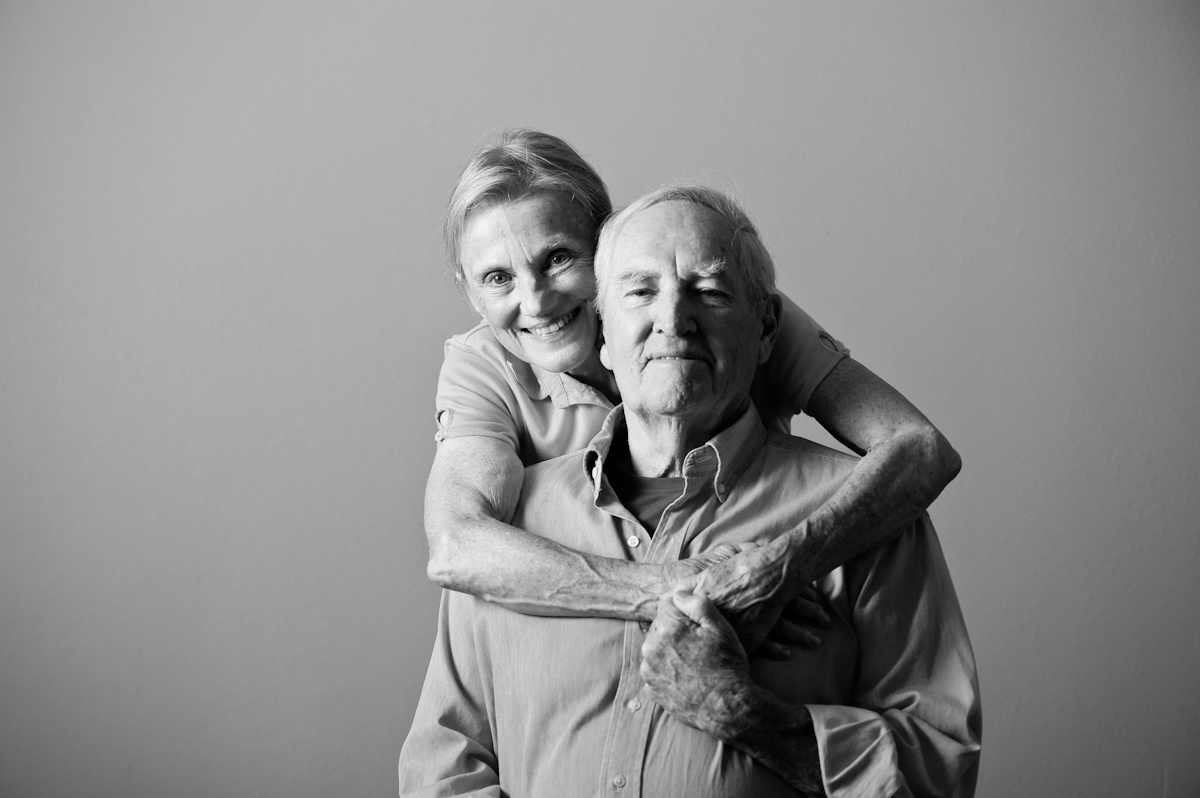
Shirley and Glenn were kind enough to share their cancer survival story with Janette May for the Cancer Support Community project I was fortunate to be involved with a few months ago.
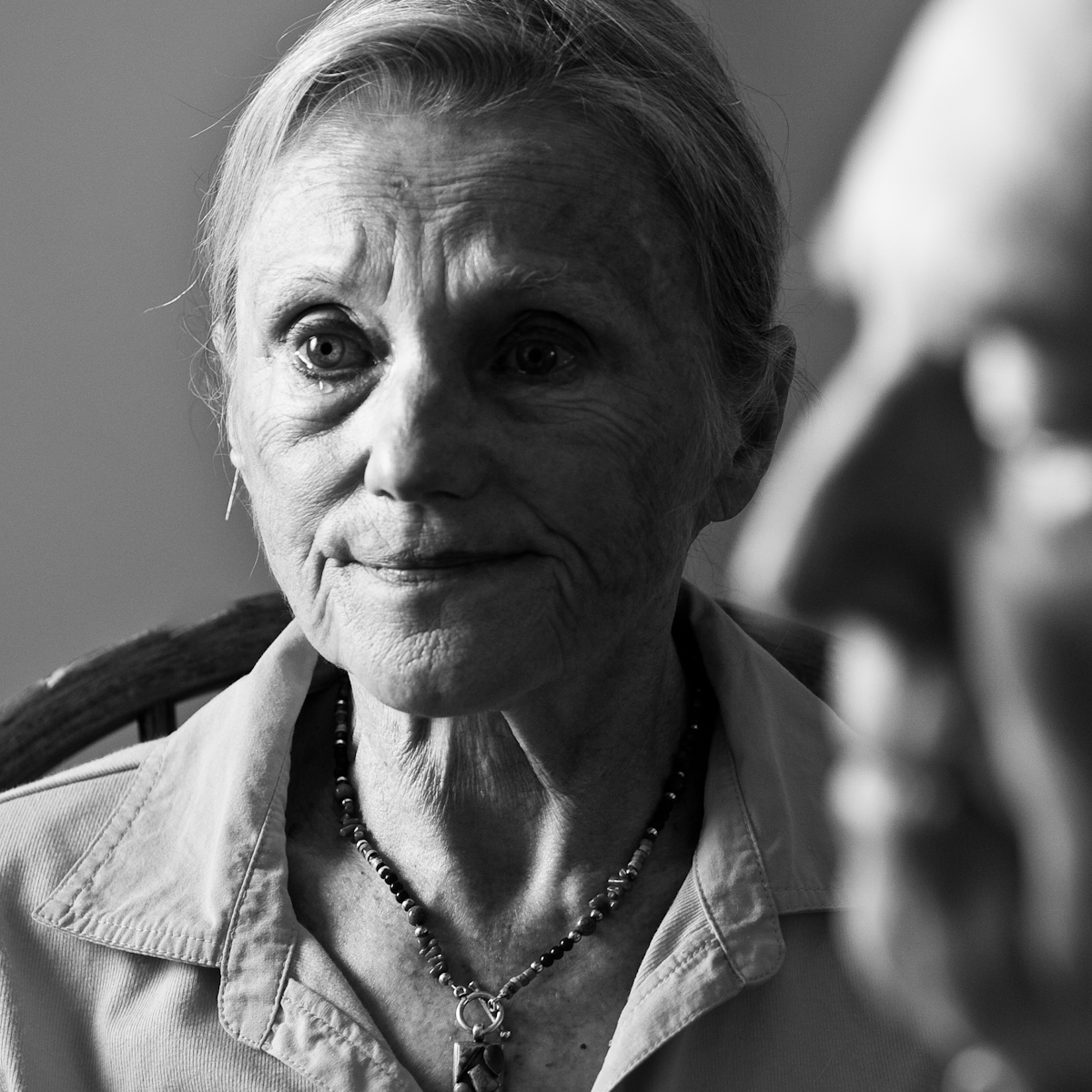
Shirley talked about how difficult it is for the spouse of someone battling cancer.

Happily, Glenn is doing much better now. And so is Shirley, thanks in large part to the support they both received from the Cancer Support Community in Bozeman.
Science
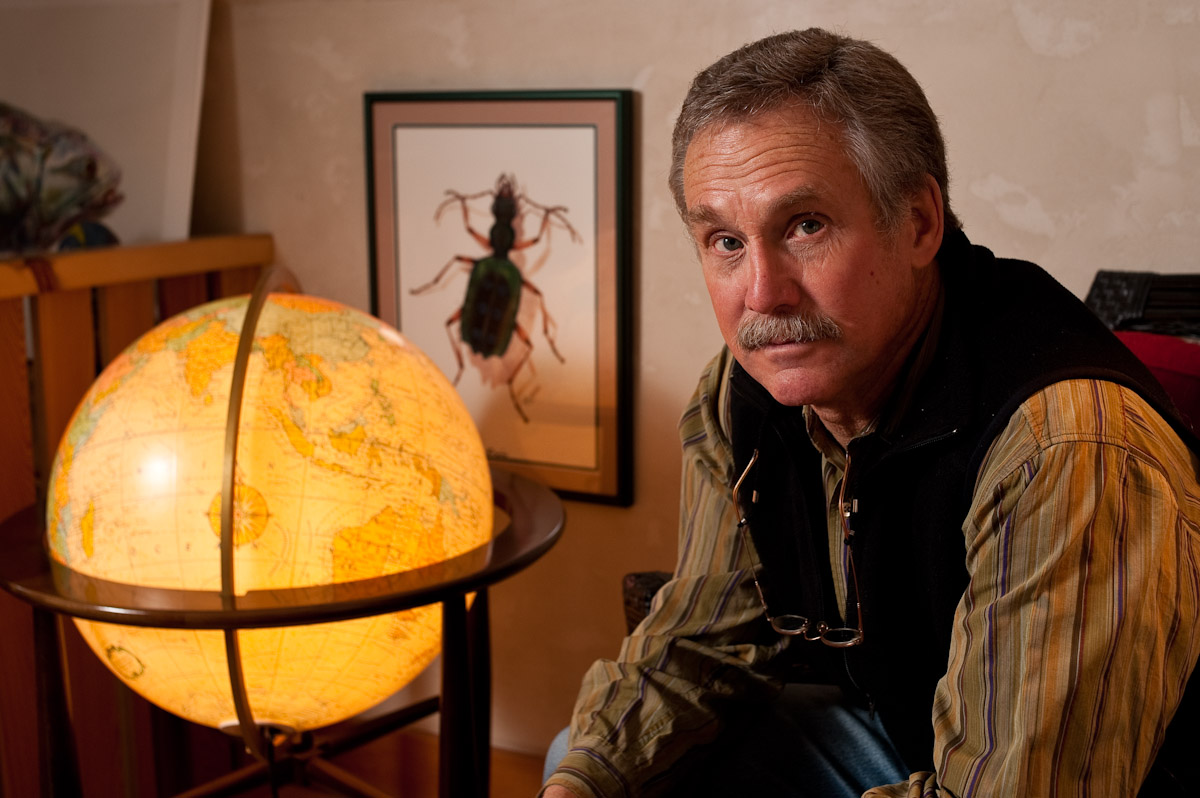
This is David Quammen, whom I photographed at his home in Bozeman for Montana Quarterly not long ago.
Mr. Quammen only met me recently. I’ve know him for decades. I remember reading articles he wrote for Outside magazine. Articles about science, a subject I had struggled with in high school and college. But Mr. Quammen has a way of explaining things in a clear, and — this is important — interesting way. I read his stuff and not only do I get it, but I’m actually inspired by it. That’s a rare gift.
Mr. Quammen has gone on to write a lot for National Geographic and he’s written some critically-acclaimed books as well, including The Reluctant Mr. Darwin, Song of the Dodo, and Spillover, which was excerpted in the winter issue of Montana Quarterly. If you think science is cool, but you’ve had trouble actually understanding it, Mr. Quammen is your guy.
By the way, that beetle in the background is named for Mr. Quammen. Quammenis spectabilis is a beetle in Costa Rica named by entomologist Terry Erwin. Wow!
I haven’t been that nervous on a photo assignment in a very long time.
 Thomas Lee True West