Fair

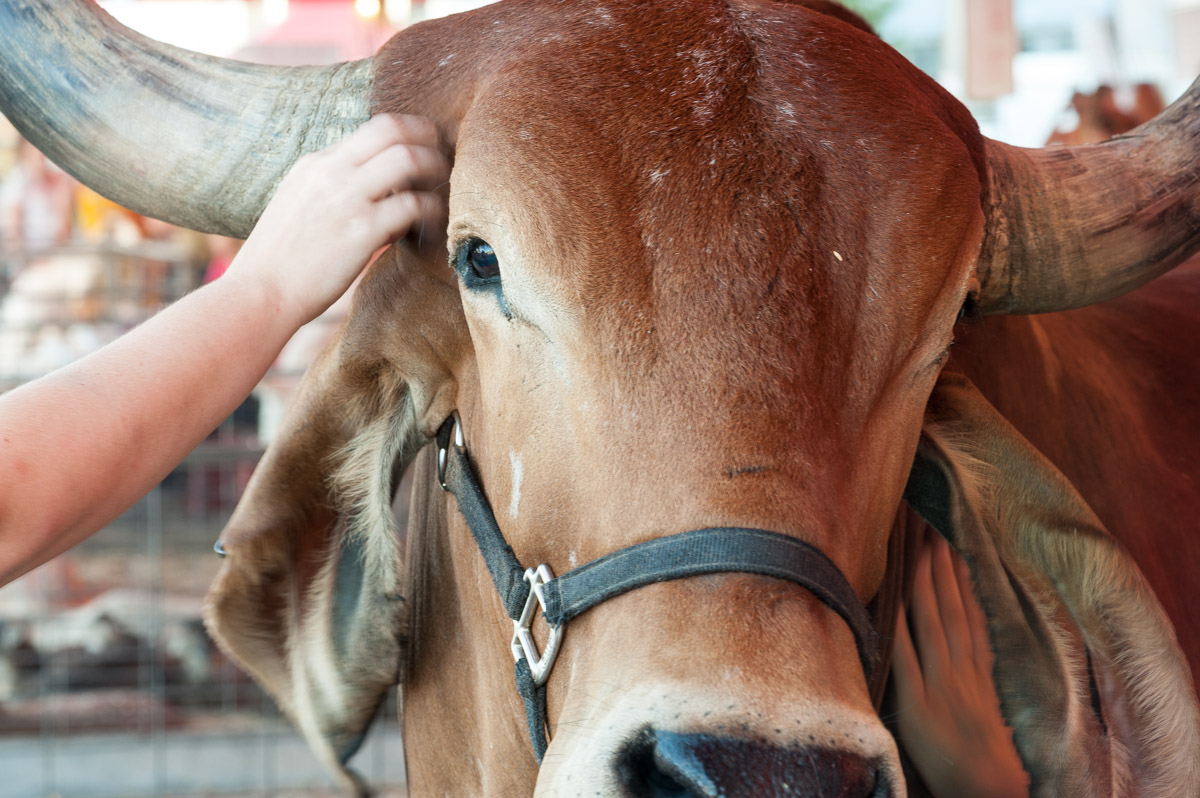
Now that’s what I call a cow lick.
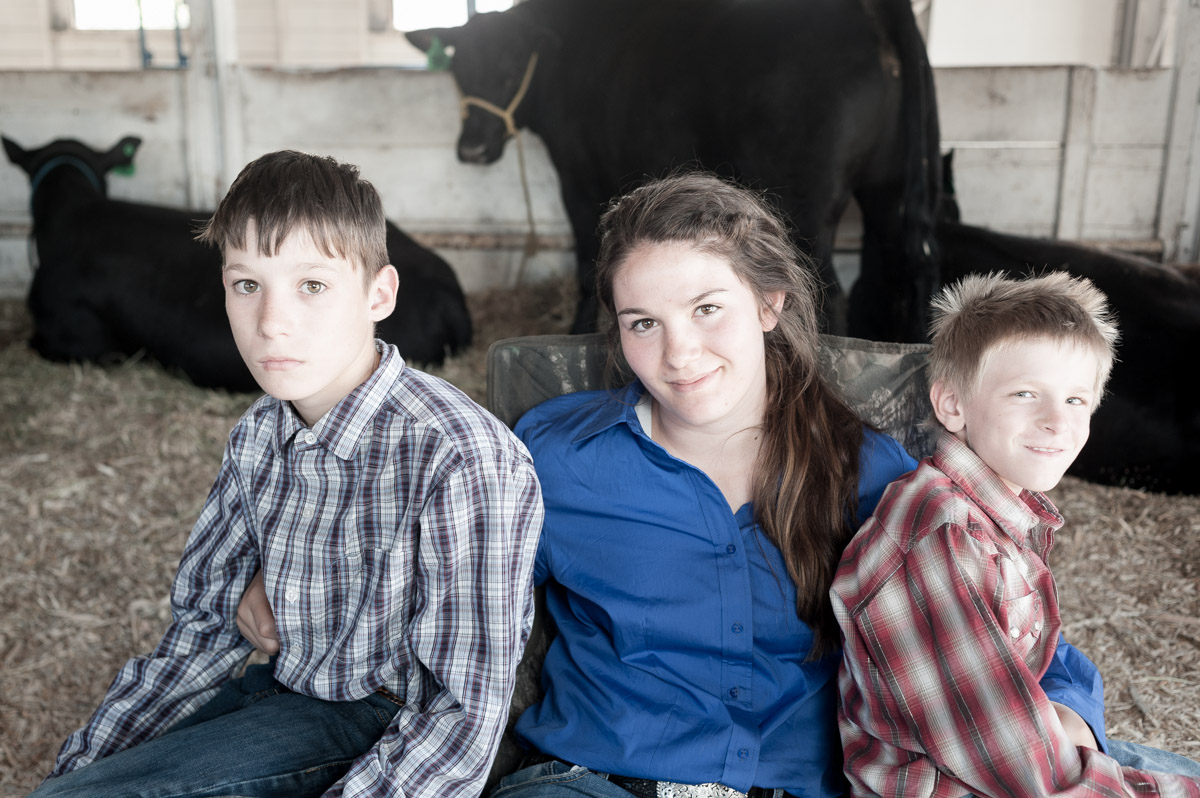
More accurately, it’s Eric Kutsch and his steer, Frodo, at the Gallatin County Fair here in Bozeman, Montana, recently. Eric, his brother Eli and sister Rosalyn are three of the many young farmers and ranchers who regularly participate in the Gallatin County Fair and fairs like it around the state and around the country. They spend months raising livestock then bring their steers, horses, goats, rabbits, chickens, etc., to the fair to compete for prizes and even to sell the sheep, pigs and cattle during the auction at the fair. The proceeds from these sales often bring in hundreds, even thousands of dollars that the kids can use to fund their college careers.
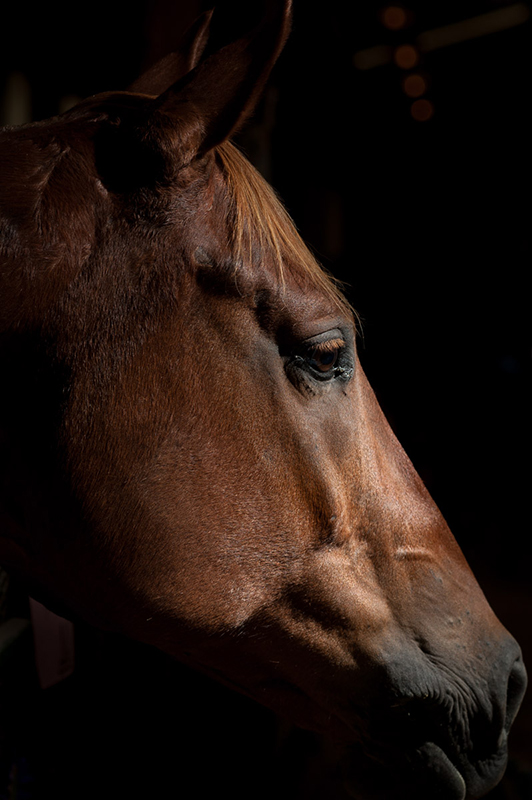
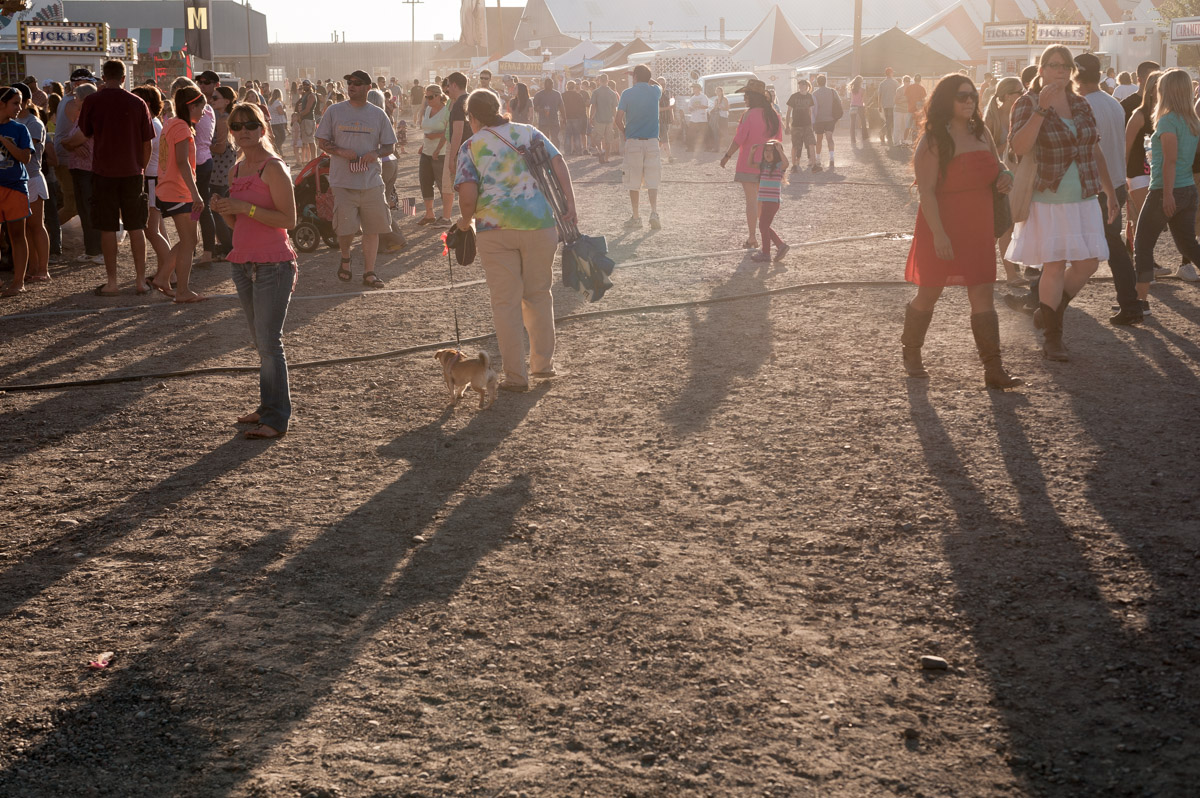
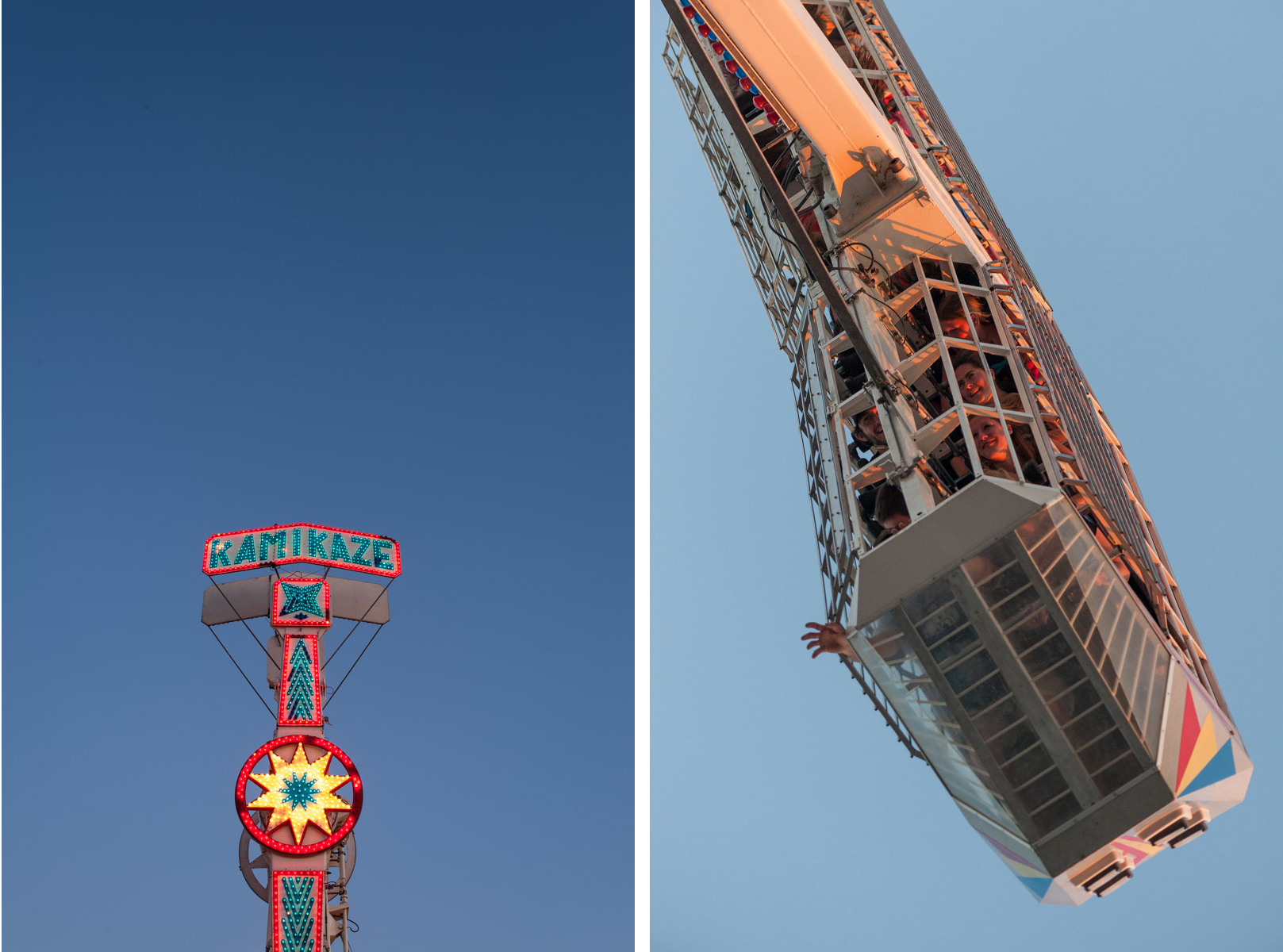
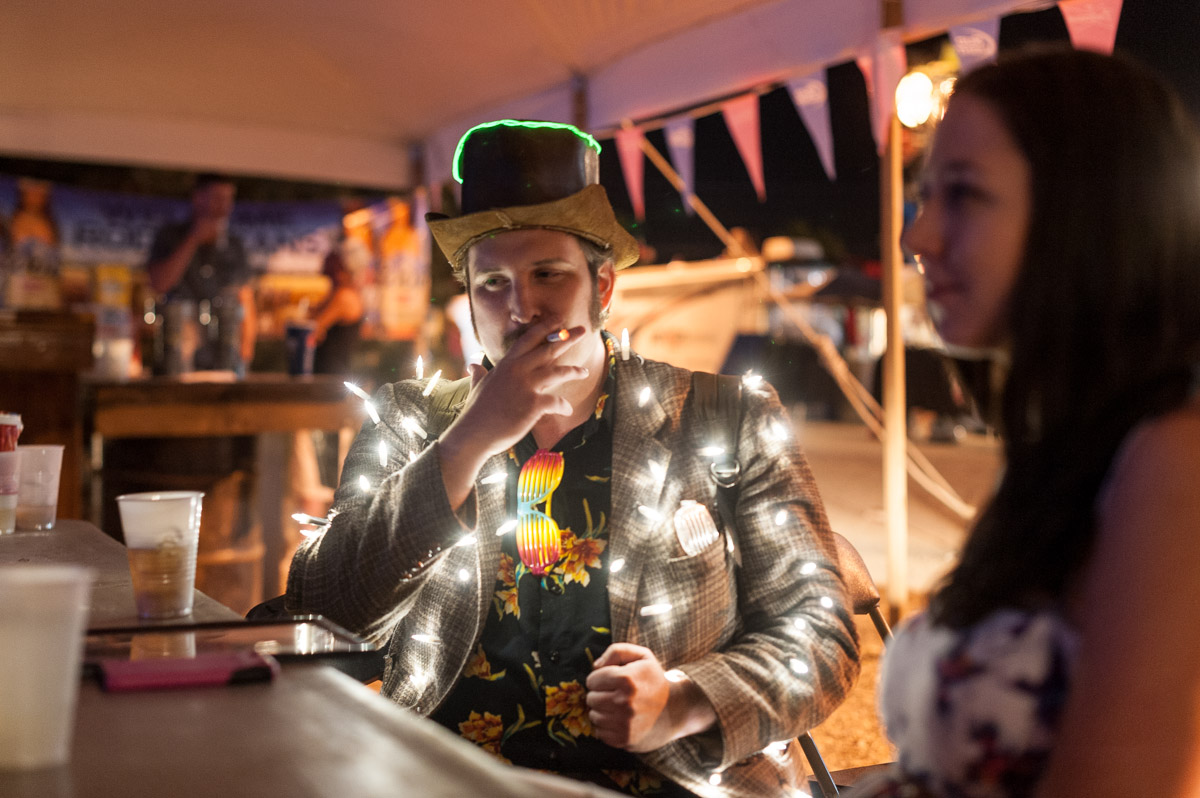
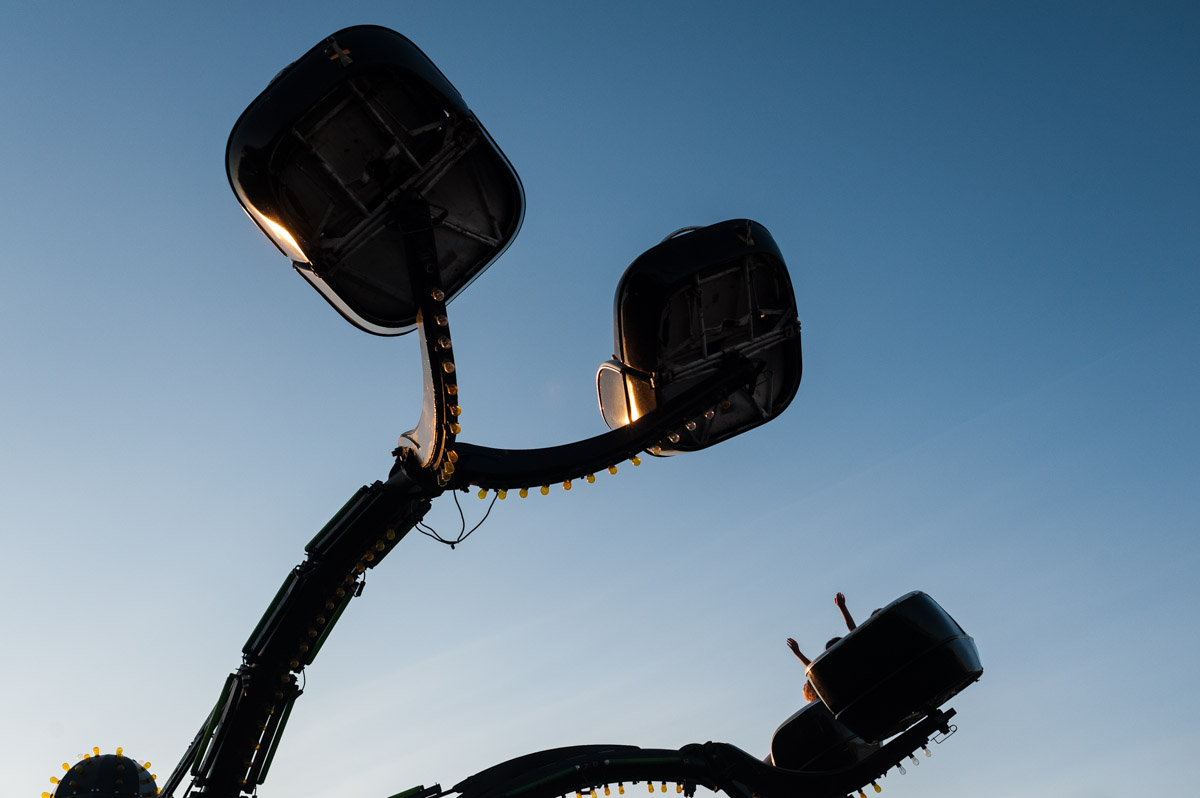
The fair also brings in a carnival, where the more urban side of Montana comes out. All things considered, it’s a fantastic melting pot of cultures, a great representation of Montana’s agricultural roots and urban present.
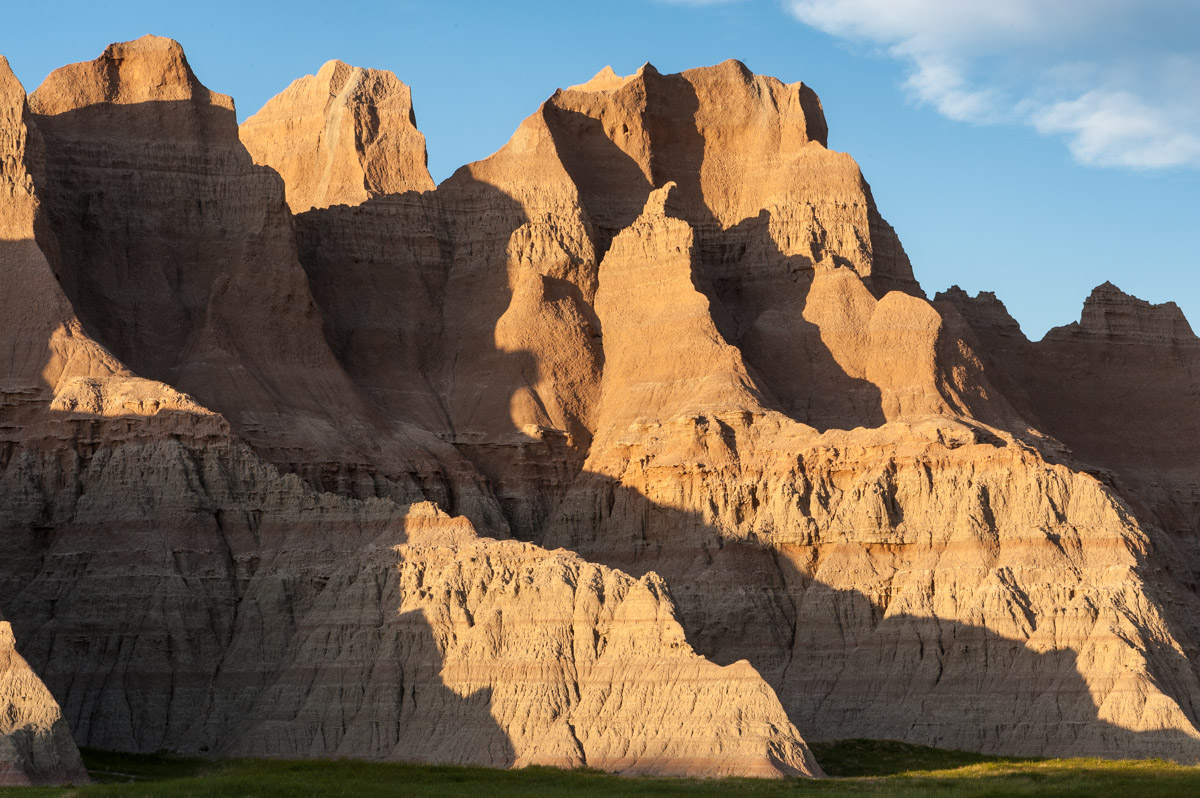
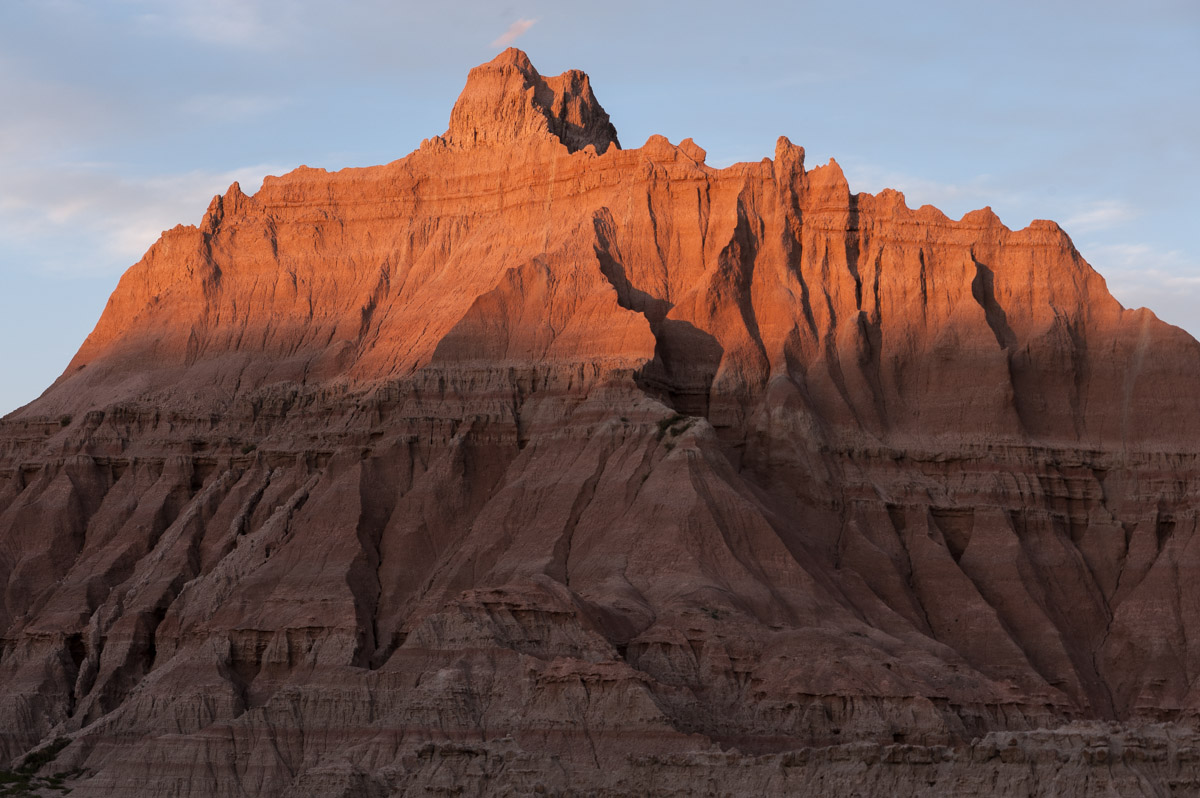
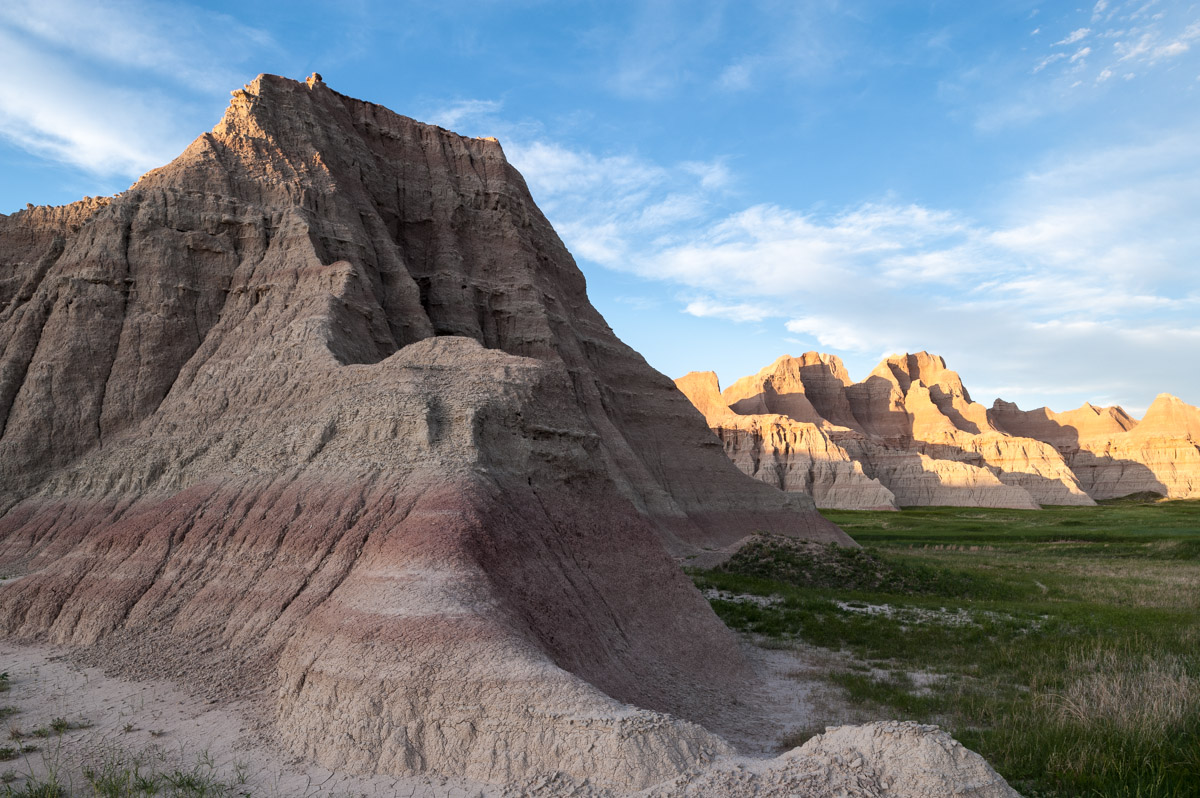
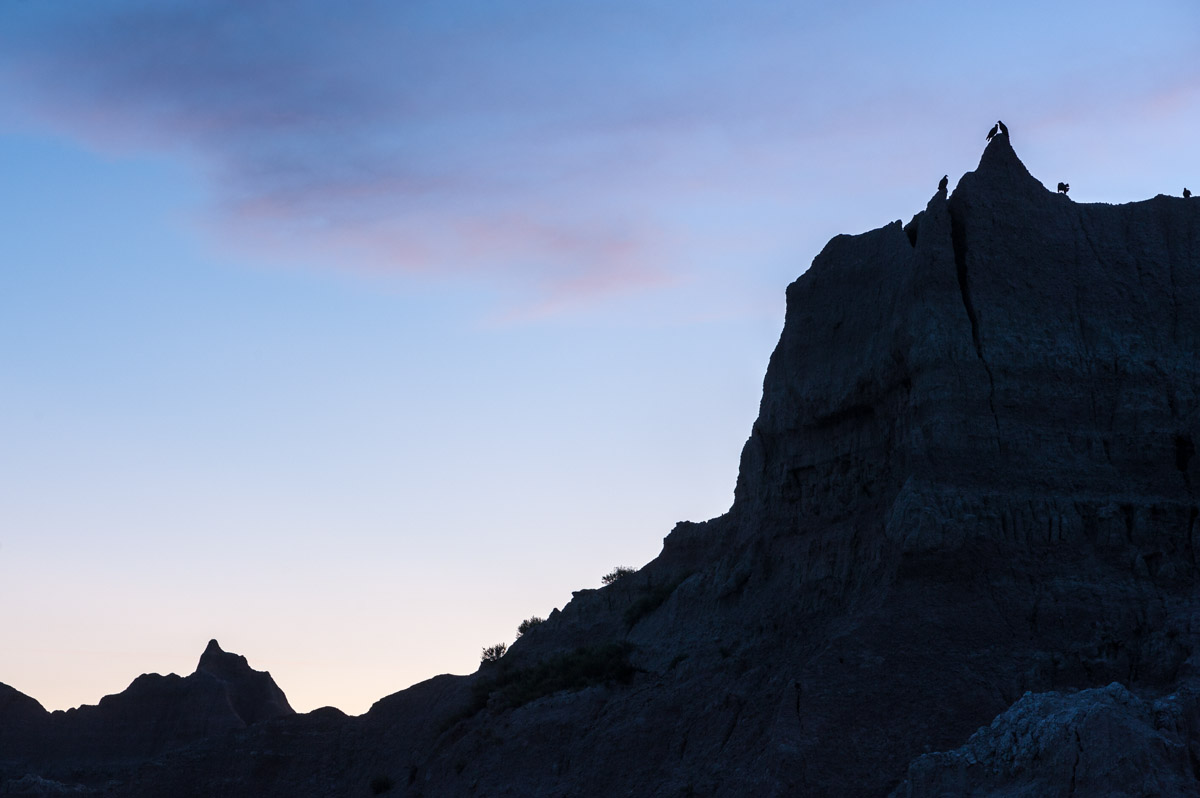
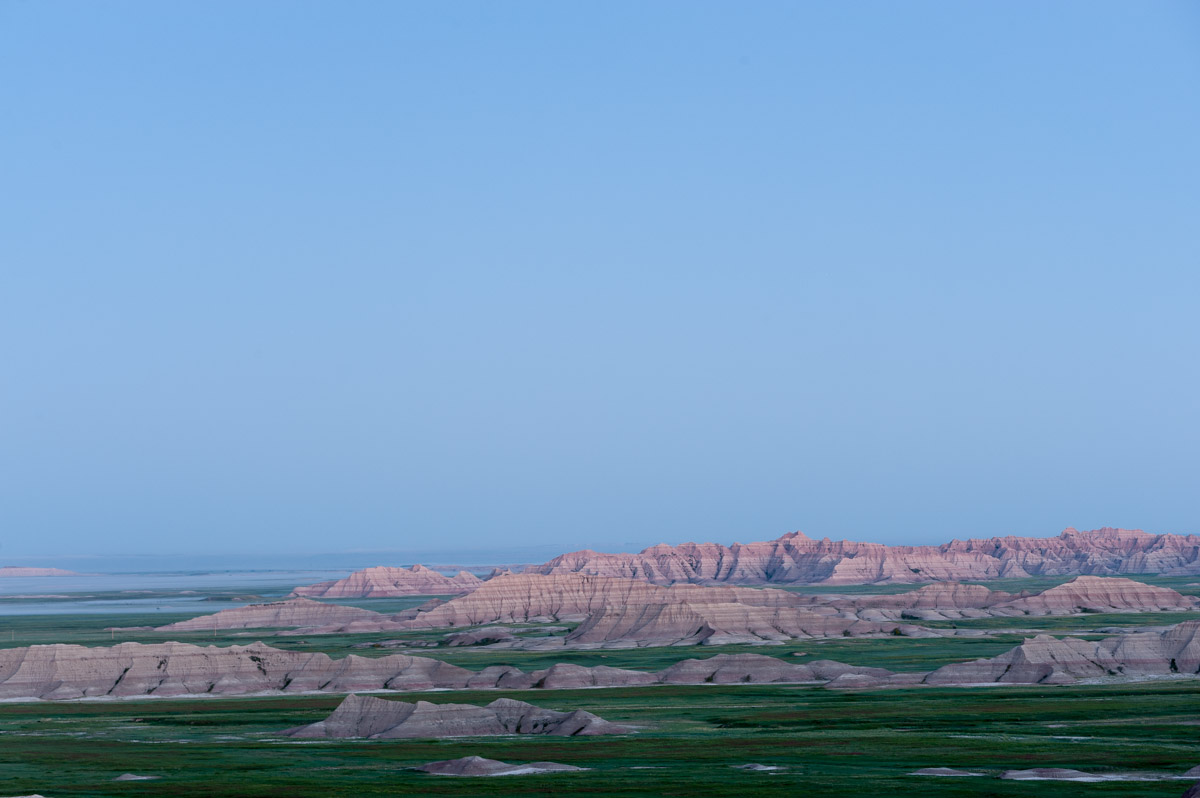
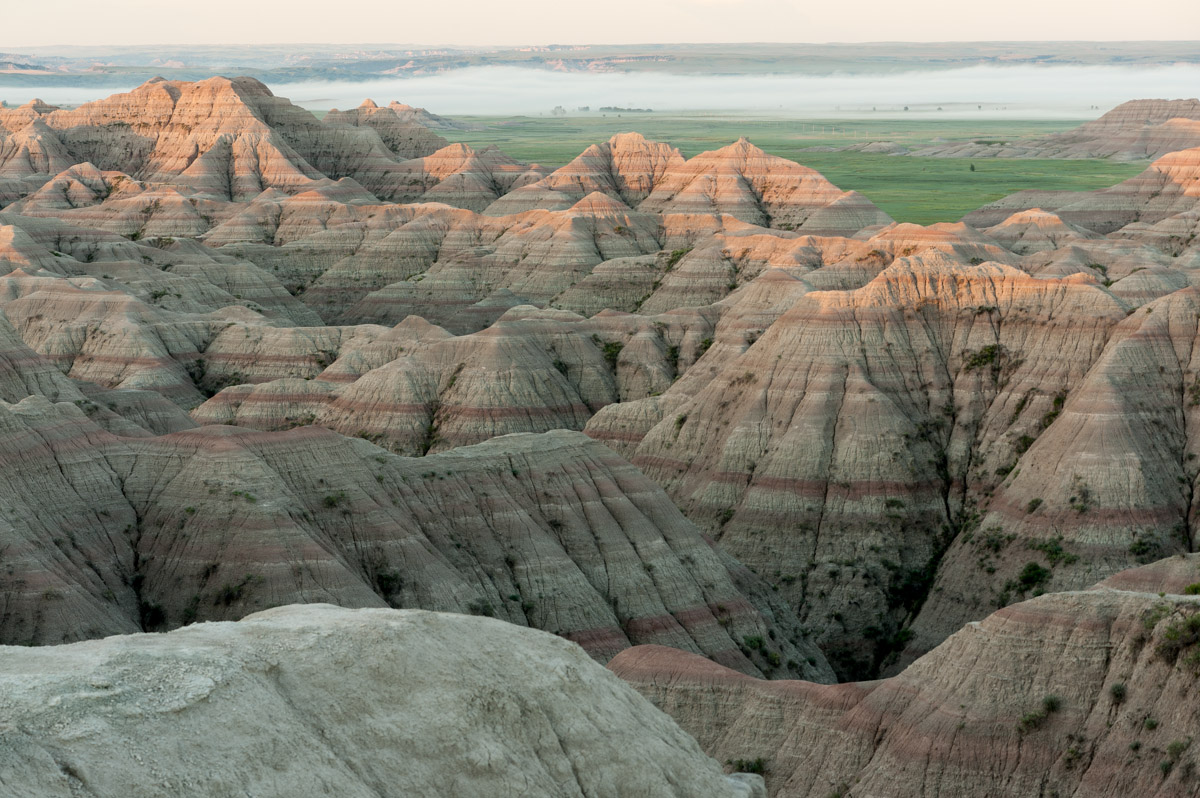
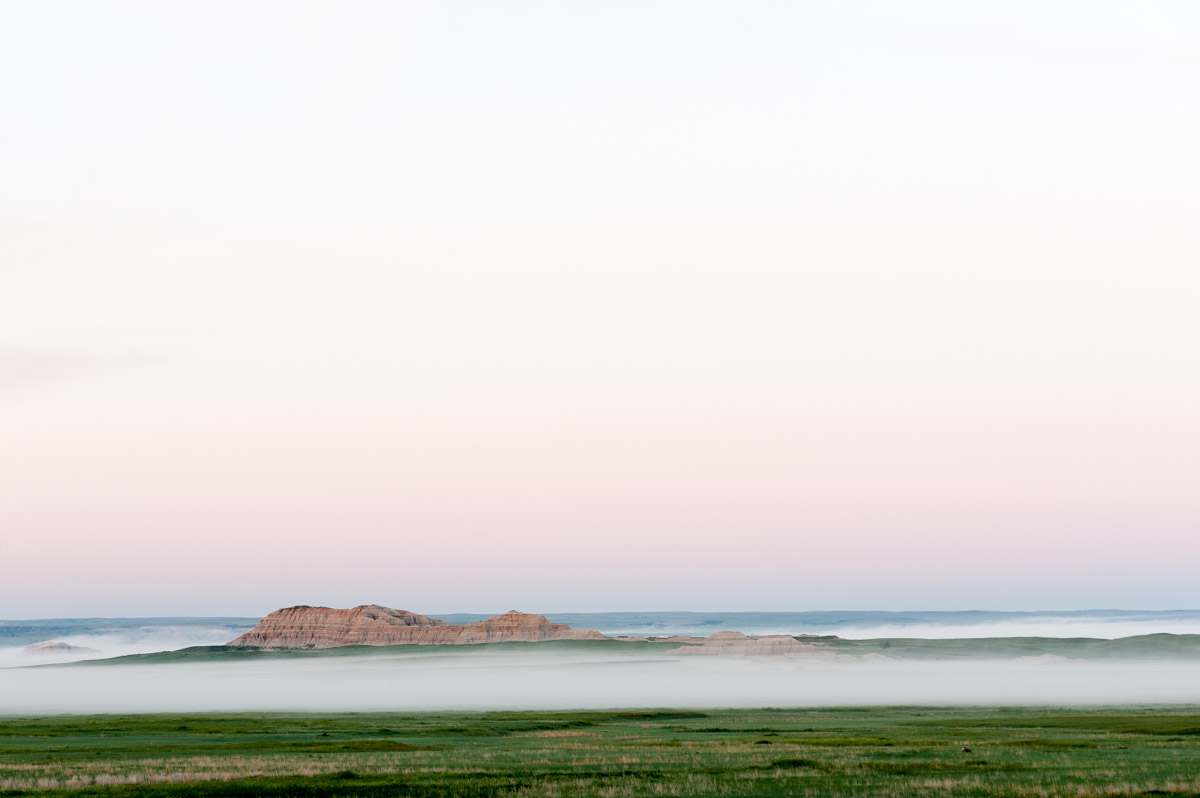
Badlands on the way home
Being from Chicago, I go back to visit my folks fairly often and I like to drive. This summer, my family and I spent a night in Badlands National Park in South Dakota along the way. It wasn’t our first visit to the park, but it was the most time we had spent there. A fabulous landscape, rich in story and geometry, it was a visual joy.

Home of the Adventurous
 “Blooming with quiet.”
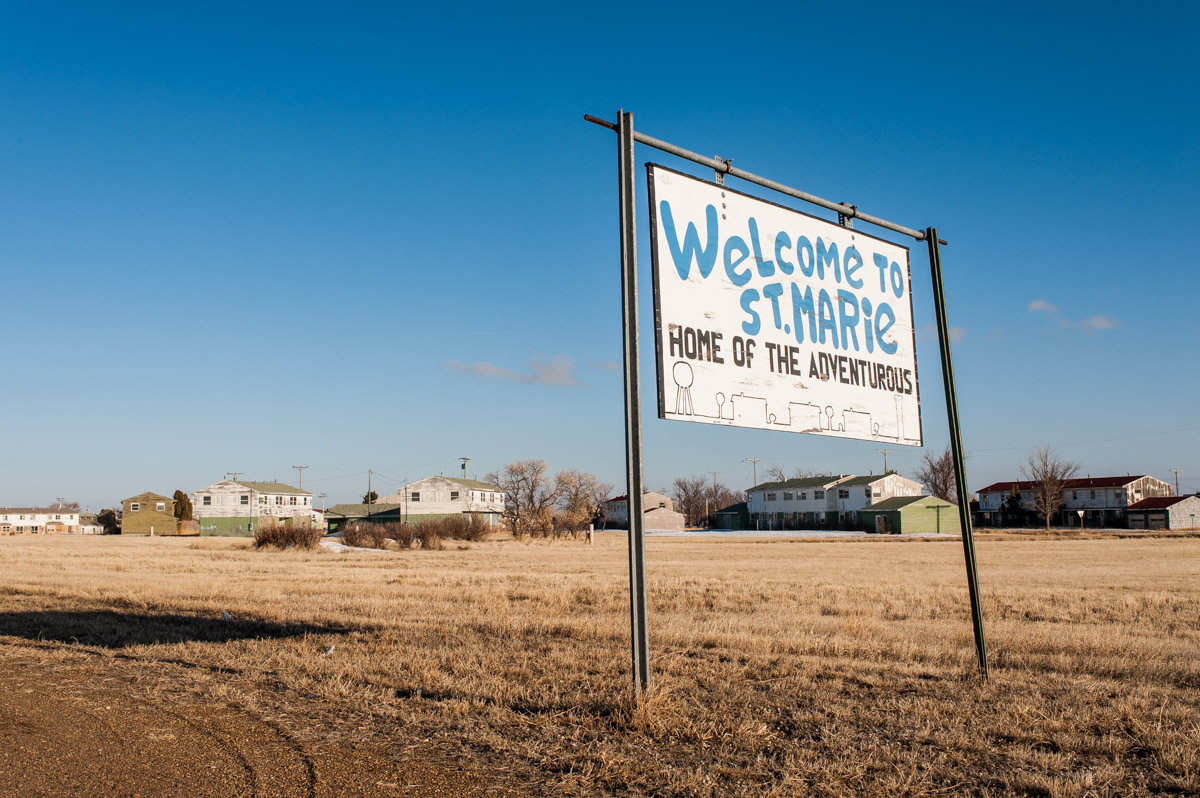
That’s how my friend Scott McMillion describes the town of St. Marie in the latest issue of Montana Quarterly.
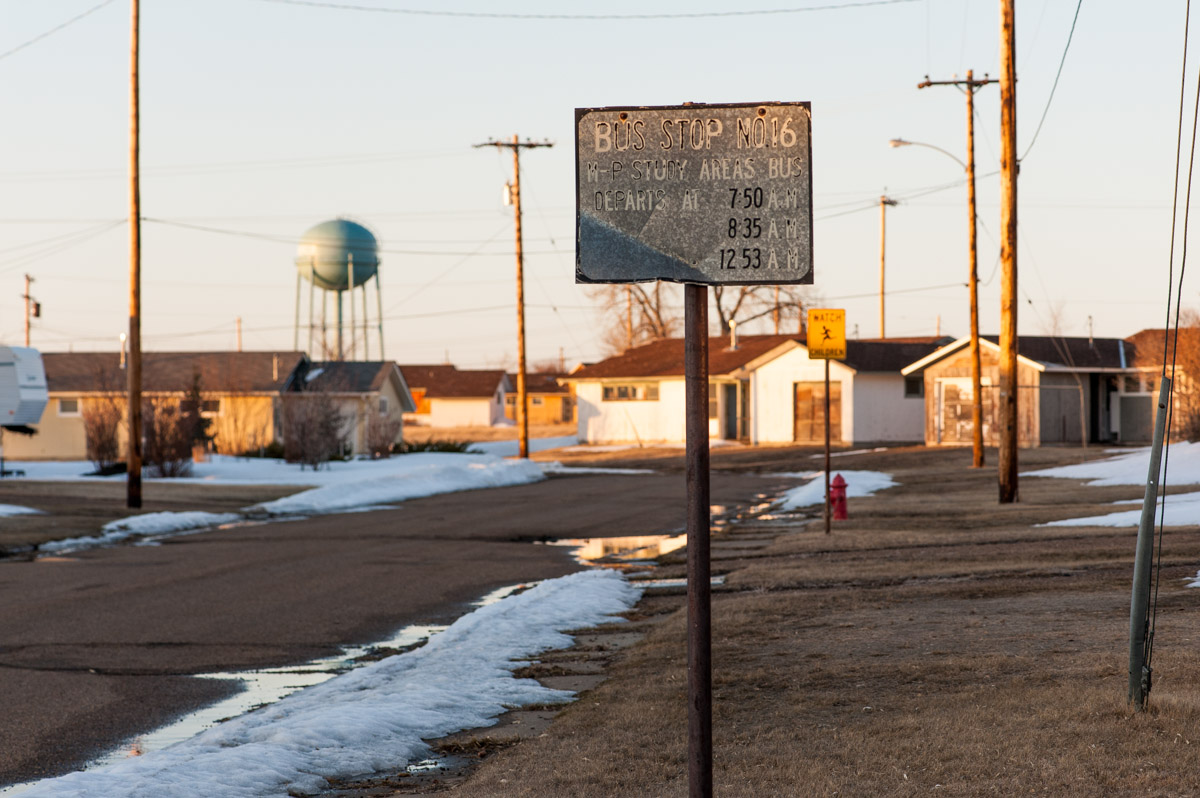 St. Marie occupies what used to be known as the Glasgow Air Force Base during the Cold War. Up to 10,000 people once lived here, McMillion reports, but the base was decommissioned in 1968, before construction was actually finished. Some houses were built — and built well— but never occupied. More than 40 years have passed, but much of the town has been untouched by paintbrush or lawnmower. Even signs listing a 45-year-old bus schedule remain standing.
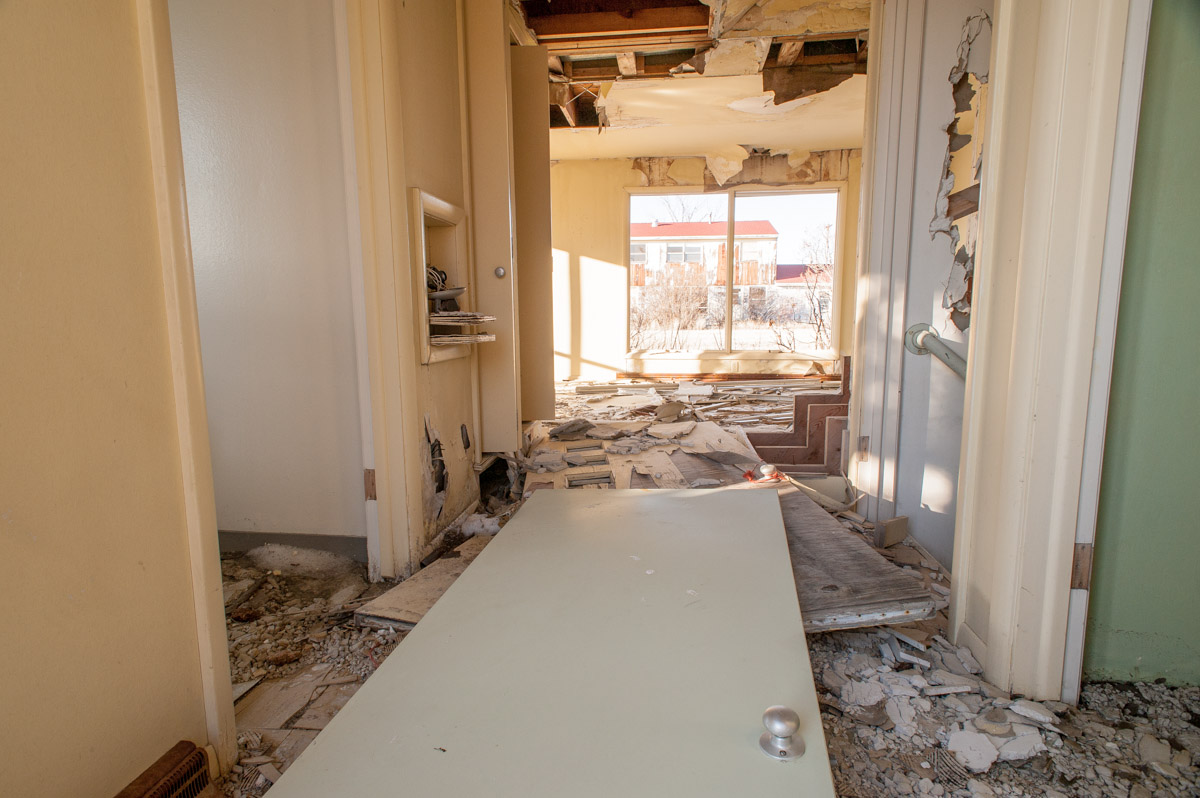
Many of the houses are only in need of a few cosmetic repairs to be habitable. Others are in need of much more work.
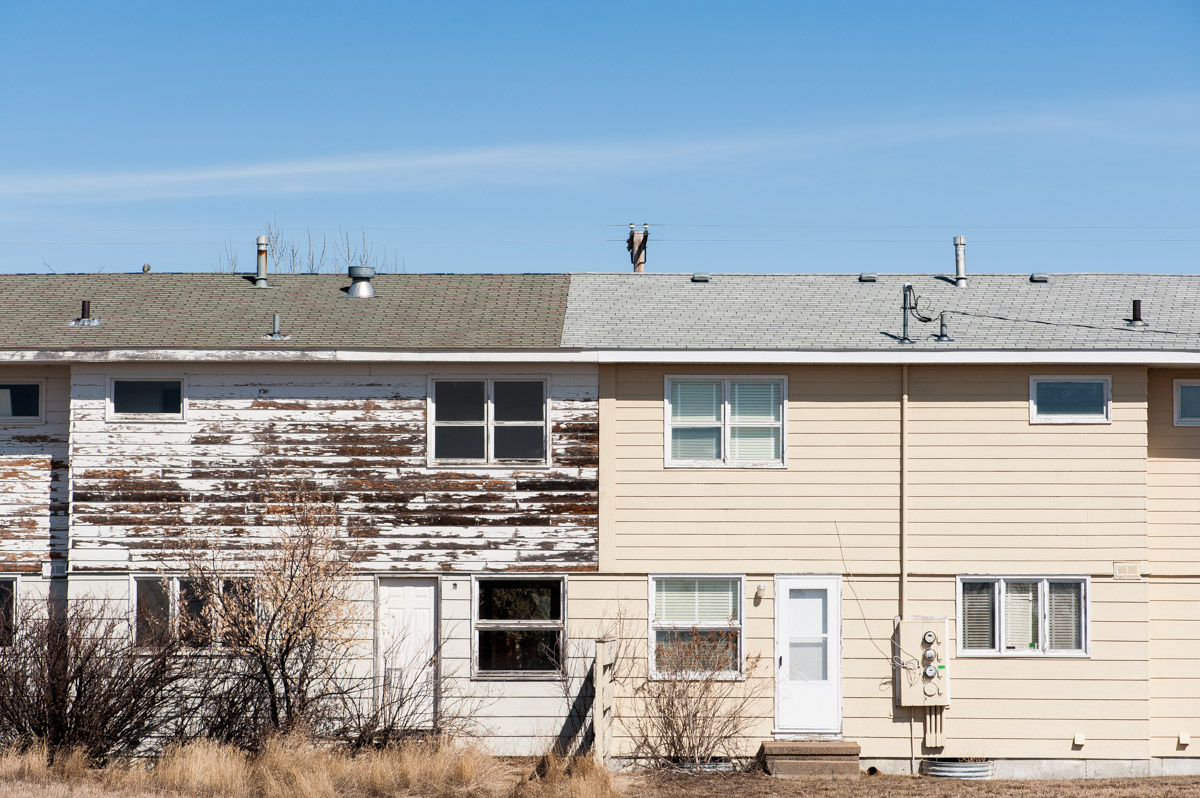
Many in St. Marie claim that a roof, siding and widows are all that is needed to make most of the housing livable. Units that have been fixed up are peppered throughout the community, often sharing walls with units in disrepair.
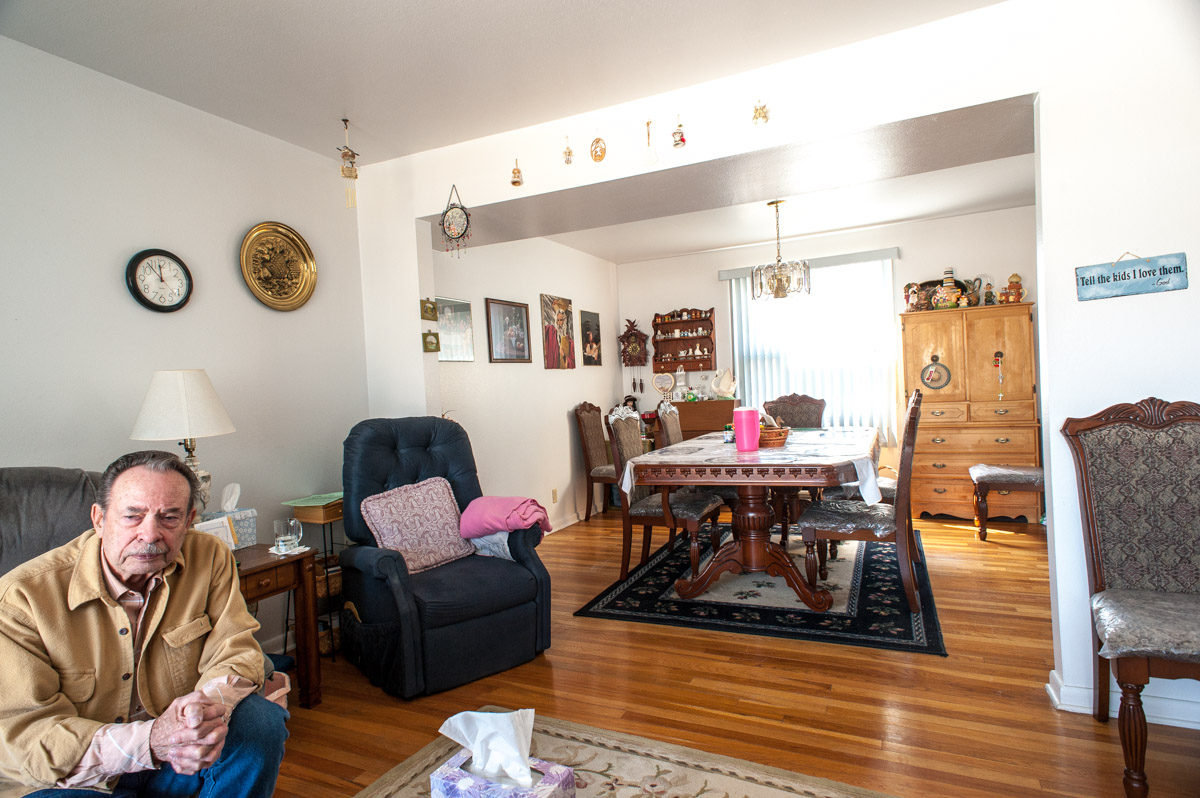 Robert Anderson is one of about 500 people that currently call St. Marie home. Anderson, like many of the others, is a military retiree. He remembers being stationed at the base before it closed. It was the favorite assignment “by far” of his military career. So in 1991, he and his wife bought a two-story duplex and moved back. “Where else can you buy a three-bedroom house for $20,000?” he says.
That’s not a typo. Twenty. Thousand. Dollars.
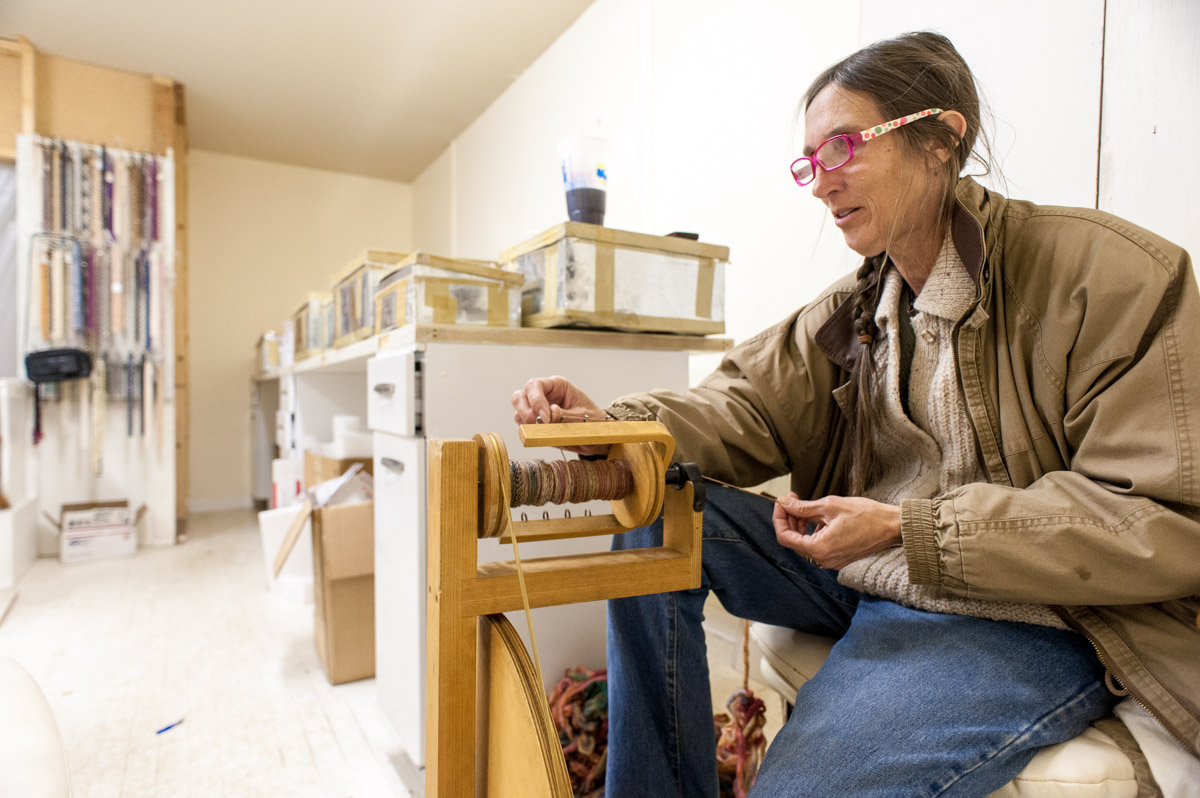
Cindi Laffin spins yarn and sells beads from one of the old buildings in St. Marie. She describes herself as a conspiracy theorist. “I walk a fine line between nut case and ‘you really should listen to me,'” she says. She says she wants to build a self-sufficient community and that she raises 6,000 to 7,000 pounds of produce every year in a garden behind the building.
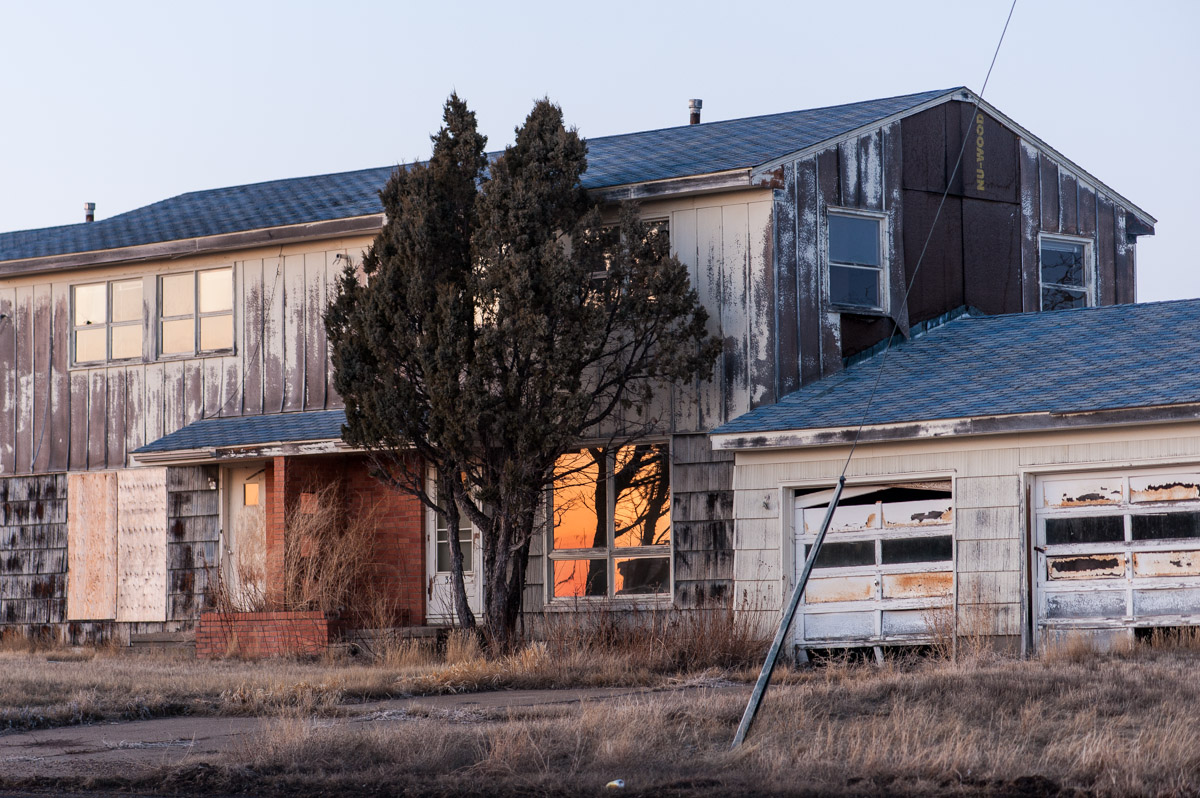 McMillion reports that the future is very uncertain for St. Marie. There have always been plans, but none have come through, leaving the taxpayers of Valley County with a mess of property tax records and a potential liability that comes closer with every freeze and thaw cycle.
Coral reefs of the West
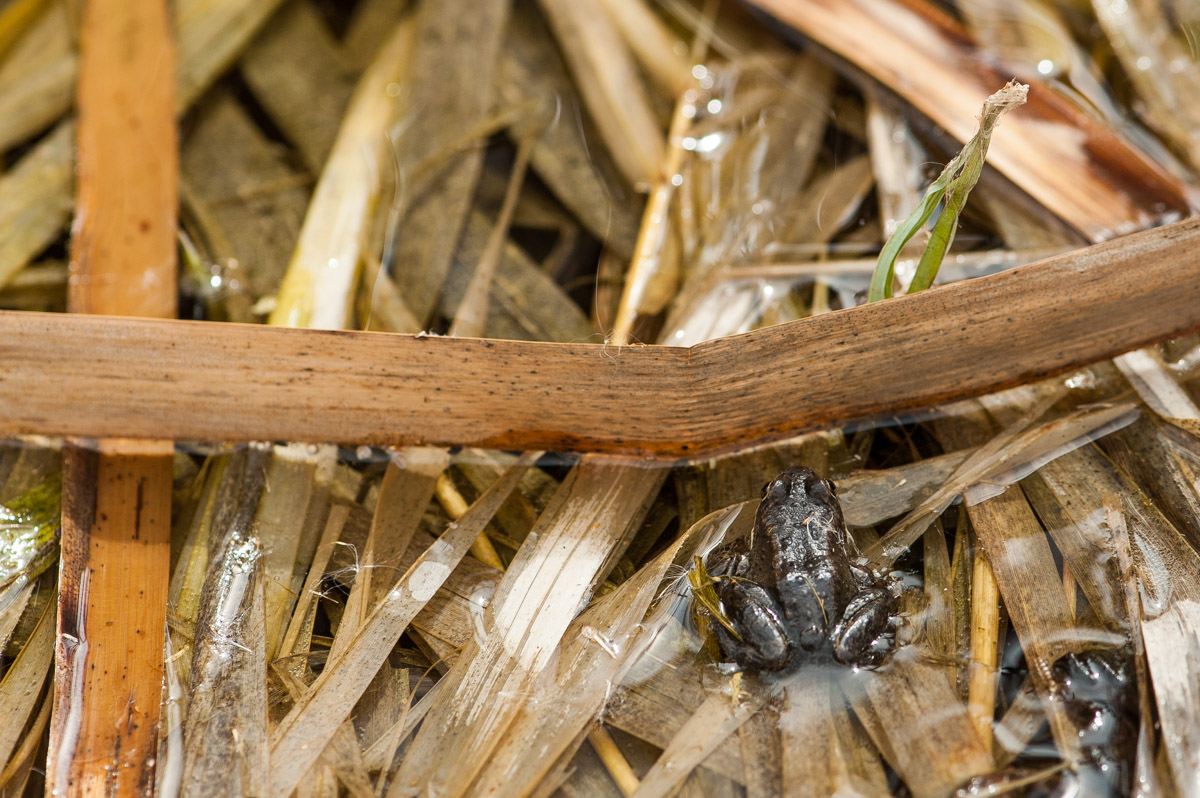 My friend Al Kesselheim wrote a wonderful story about wetlands for the summer issue of Montana Quarterly. In it, he says that wetlands used to be called swamps and were seen as undesirable. We spent time and money to drain the wetlands so we could farm the ground. Now we see them as habitats we should preserve, like the wetlands along Interstate 90 near Bozeman, which is home to this little frog, tons of aquatic insects and waterfowl galore. Al’s story goes on to quote Lynda Saul, wetland coordinator for the Montana Department of Environmental Quality, saying that though wetlands only take up five percent of Montana’s space, they support more than half of our endangered wildlife.”That’s why I call them the coral reefs of the West,” she says.
 Put another way, “wetlands are the rainforest of the West,” adds Tom Hintz of the Montana Wetlands Legacy Partnership.. Farmers and ranchers value water just like everybody else, Hintz points out. And though the dams and ponds they put in may have stored water and prevented flooding, they didn’t provide habitat and they didn’t clean the water. Still, there’s progress. We know better now, and we’re doing better. “Everyone who drinks water has a stake in this,” he says. “Attitudes are changing. People are starting to value the benefits of landscape not simply as a resource to be mined, plowed or harvested. There are some really admirable people, from all perspectives, working on this.”
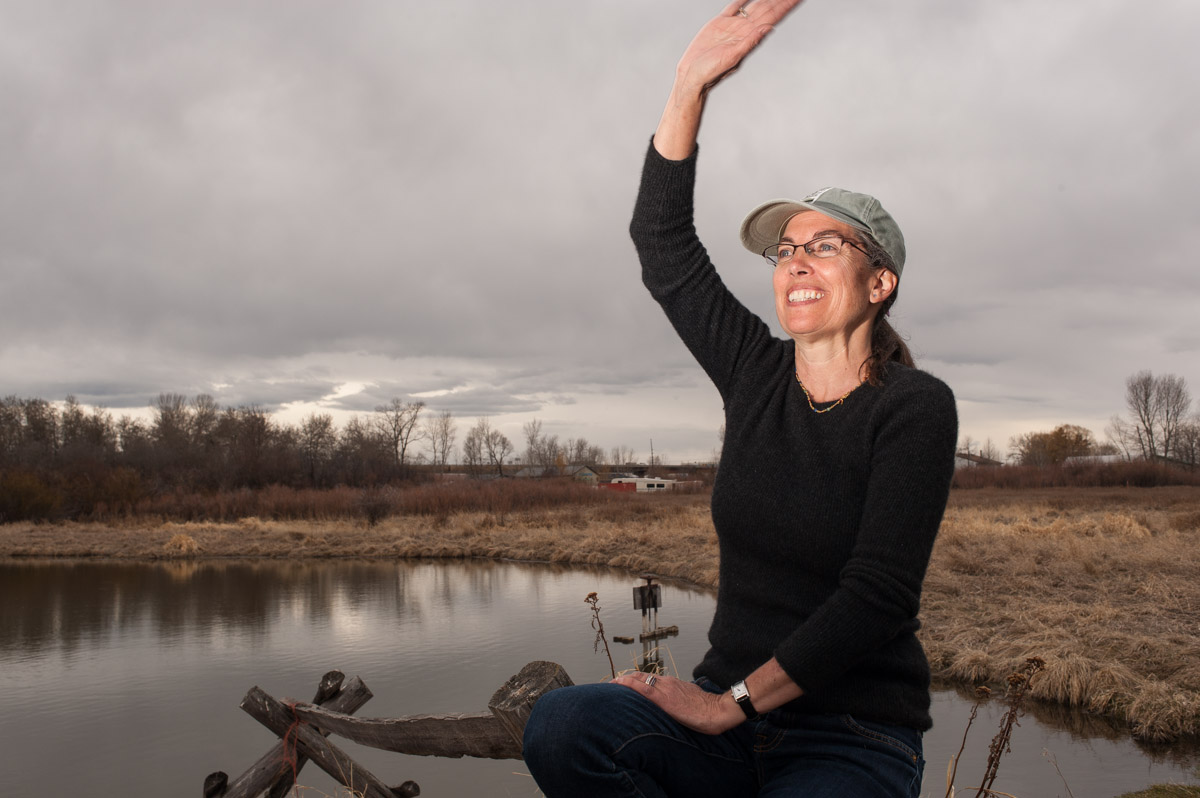
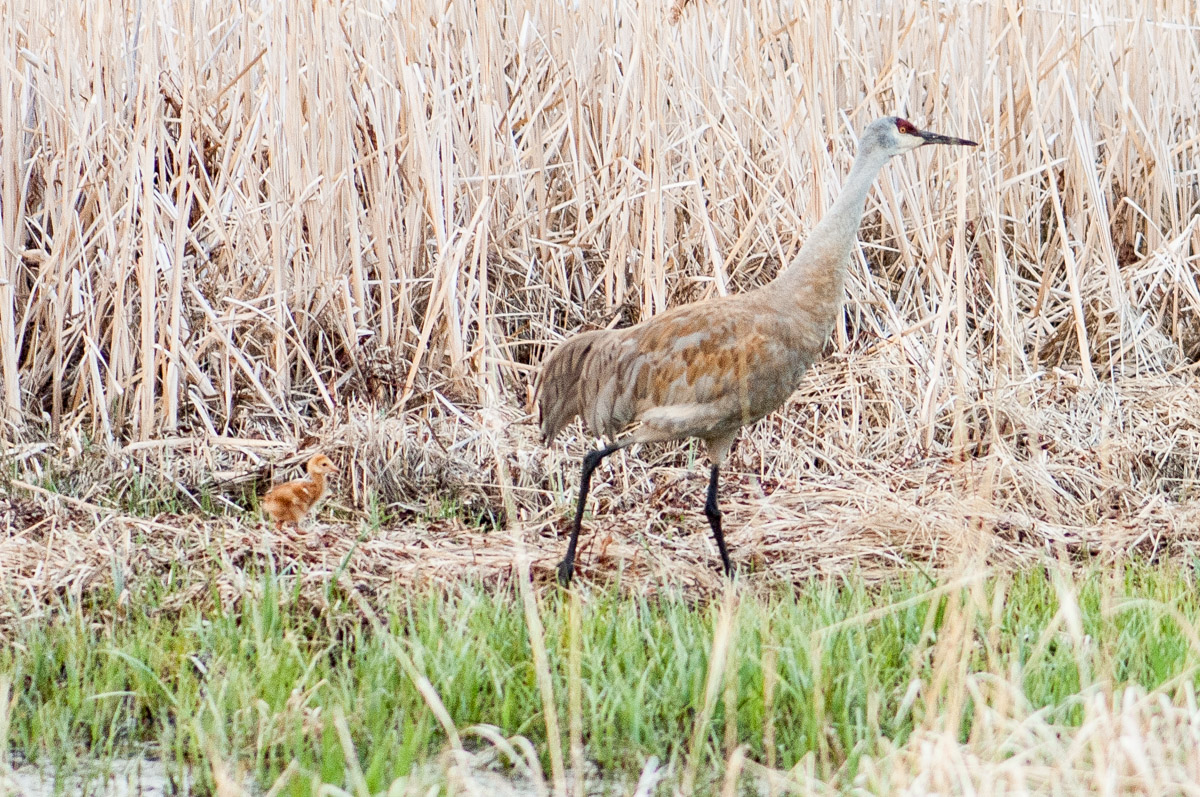
Maddy Pope, here waving to a friend by an irrigation pond at Story Mill in Bozeman, is managing the Trust For Public Land‘s Story Mill restoration project in Bozeman. In Bozeman’s early days, the area was converted from a wetlands to a farm. complete with the irrigation pond. Now TPL is turning that around, with plans to drain the pond and re-establish wetlands for area wildlife. “This is about water in our urban core,” says Pope, and brags that wildlife abounds on the property still within Bozeman city limits. Deer, mountain lions and a nesting pair of sandhill cranes are just some of the denizens.
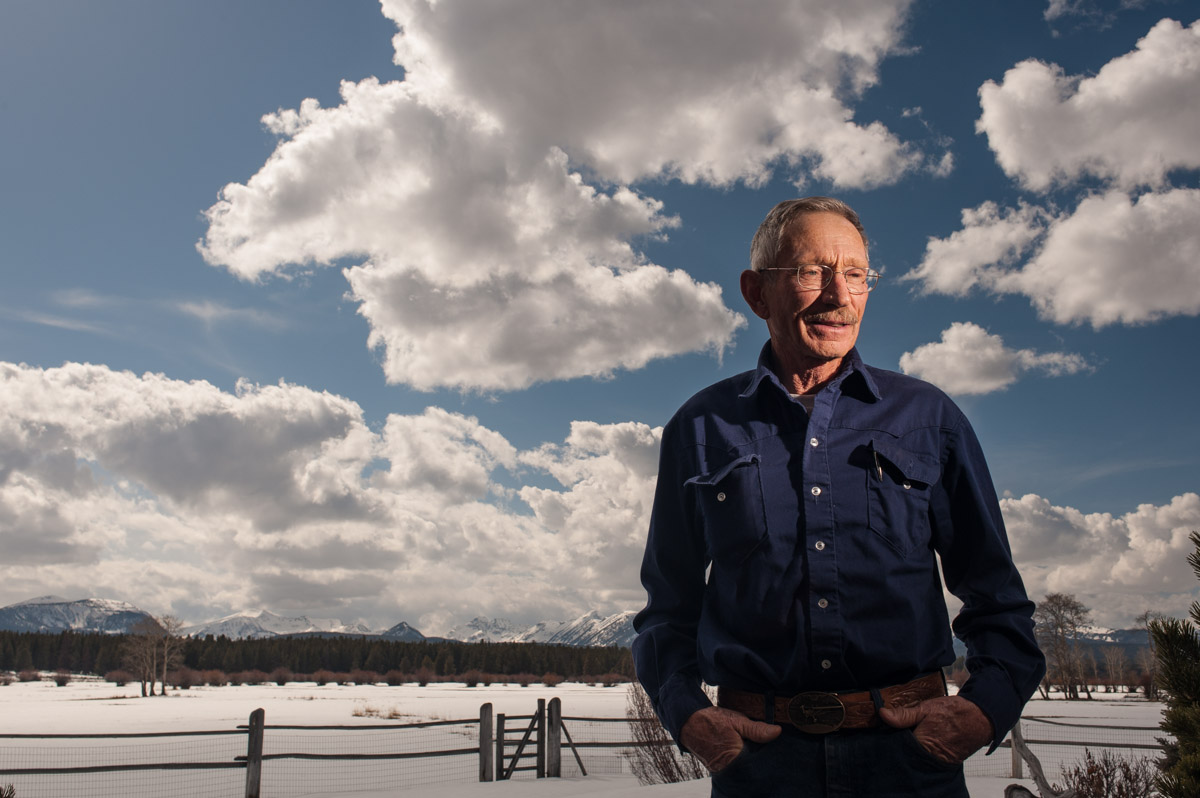 John Dooling manages his ranch along the headwaters of the Big Hole River near Jackson, Montana, on the western edge of the state. “I guess you’d say I’m a reactionary conservative,” he says. He doesn’t like anyone telling him how to run his ranch.
He won’t call himself an environmentalist, yet he is keenly aware of how special the land in his area is. He says he mostly leaves the land alone. He doesn’t clear willows or drain pasture. “We let Mother Nature take care of it.”
But when he was first approached about a conservation easement on his land that would help keep the Big Hole watershed healthy, he was cautious. “Ranching is a marginal business,” he says. “You don’t take a step like that lightly.” He met with people, learned that there was a lot of common ground between ranchers and conservationists and in 2004, went ahead and committed to an easement. And it turns out, things didn’t really change much on the ranch. “When we put it into easement,” Dooling says, “they told us to just keep doing what we’ve always done.”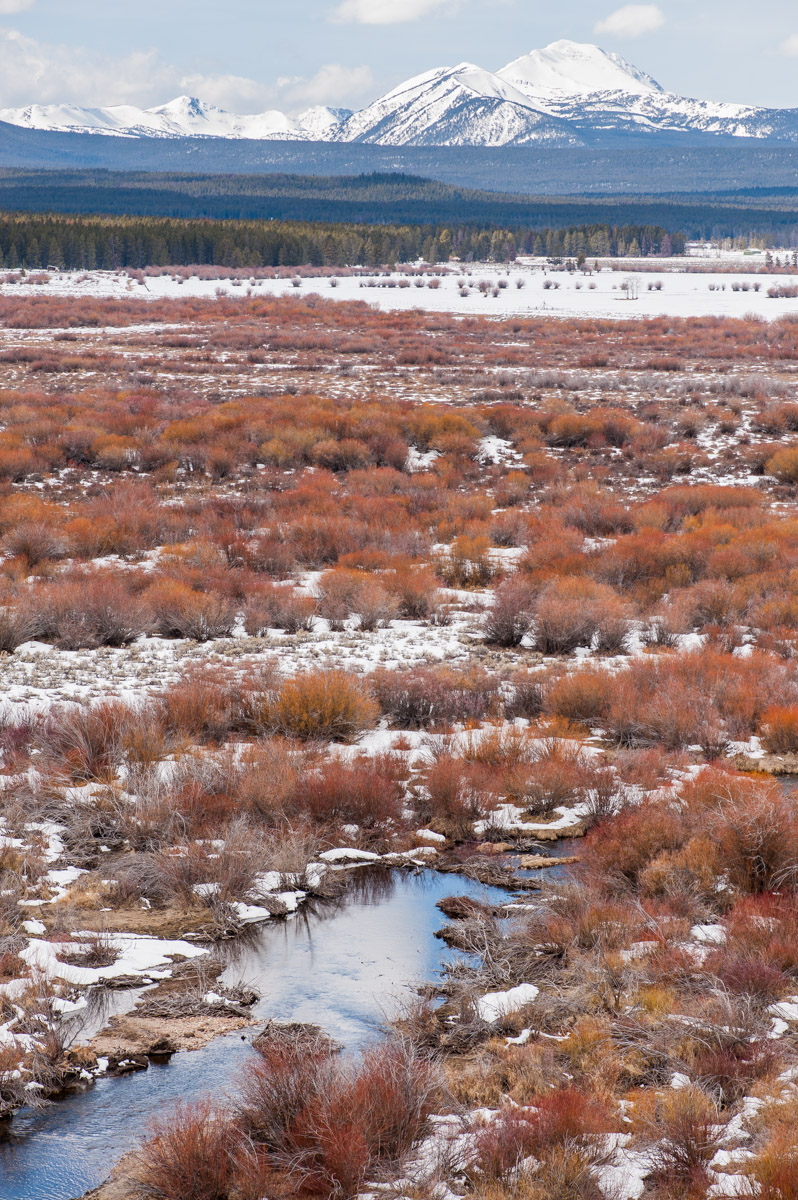
Harrison/Pony
The new issue of Montana Quarterly is out and inside is a nice piece on Pony, Montana, written by Jeff Hull. When I photographed the story, I lumped Harrison in with Pony, since they’re only seven miles apart. Locals say including Norris makes “The Tri-City Area.” I didn’t find much in Norris to shoot.
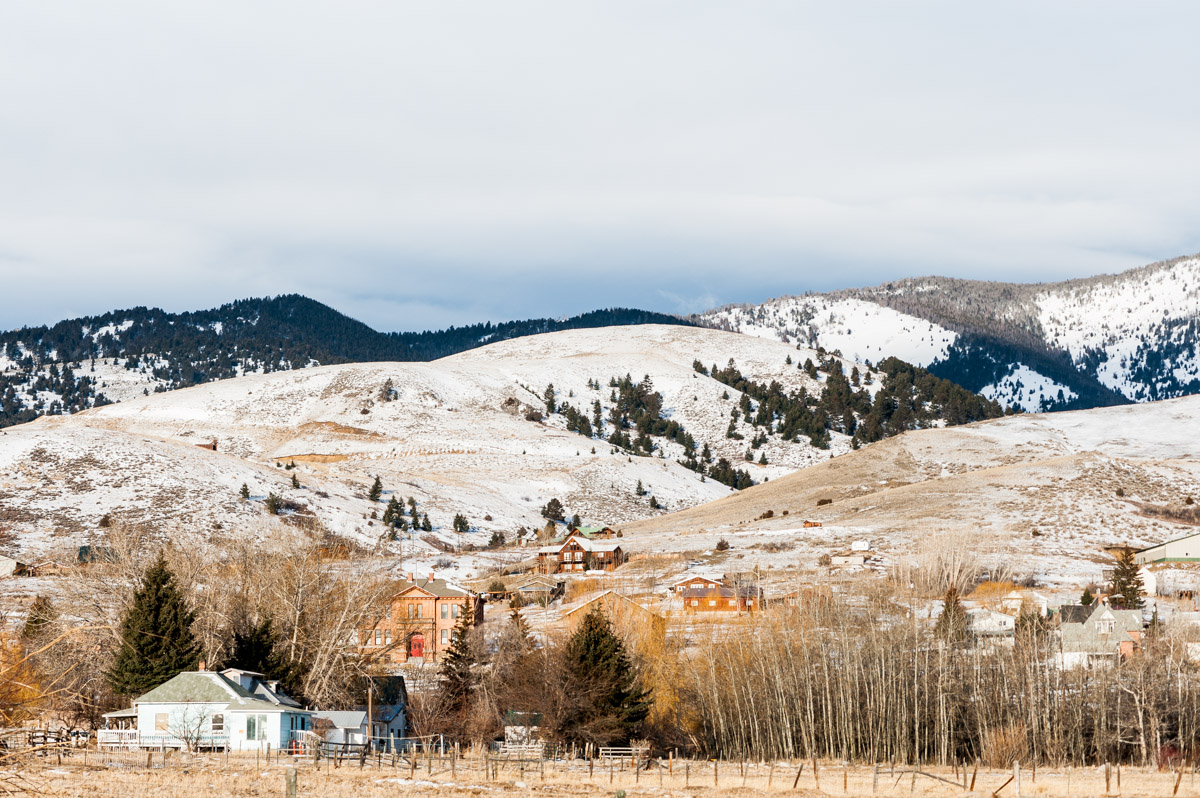
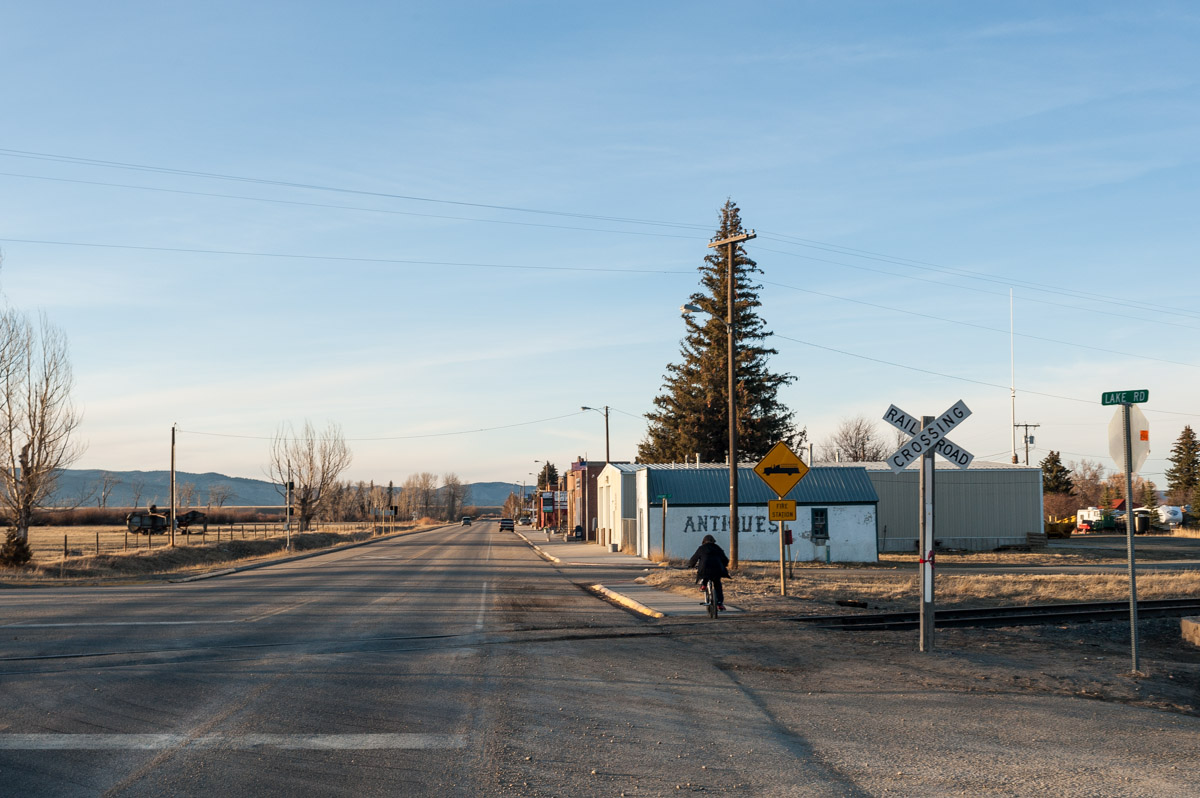 The towns of Pony and Harrison are just seven miles apart, built on the eastern slope of the Tobacco Root Mountains. Though they have about the same population, Pony is an old mining town built right into the side of the Tobacco Roots. Harrison has the more agricultural feel, with one side of its main street being pasture.
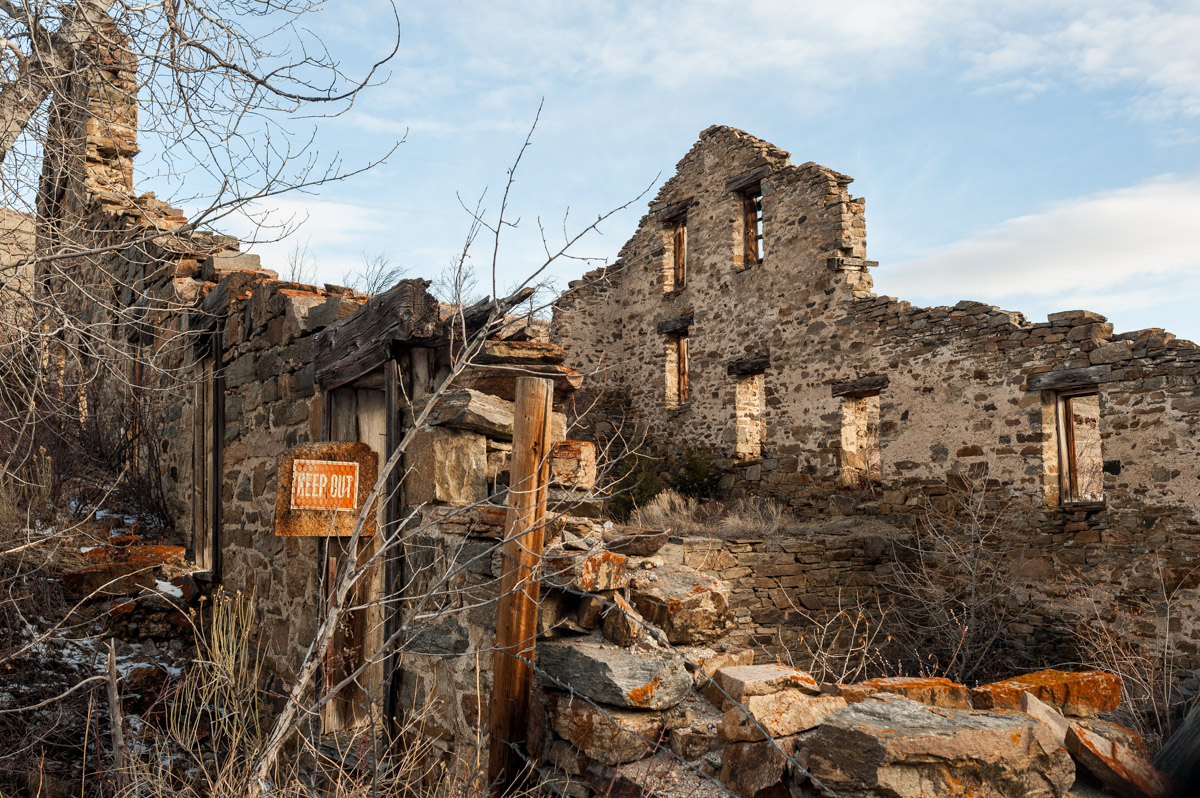 Pony’s mining history is evidenced by the ruins of the Elling-Morris Mill, built in 1883, which pounded gold-bearing quartz into fine sand, extracted the gold particles and sent them to a nearby smelter. The mill ran periodically until about 1926.
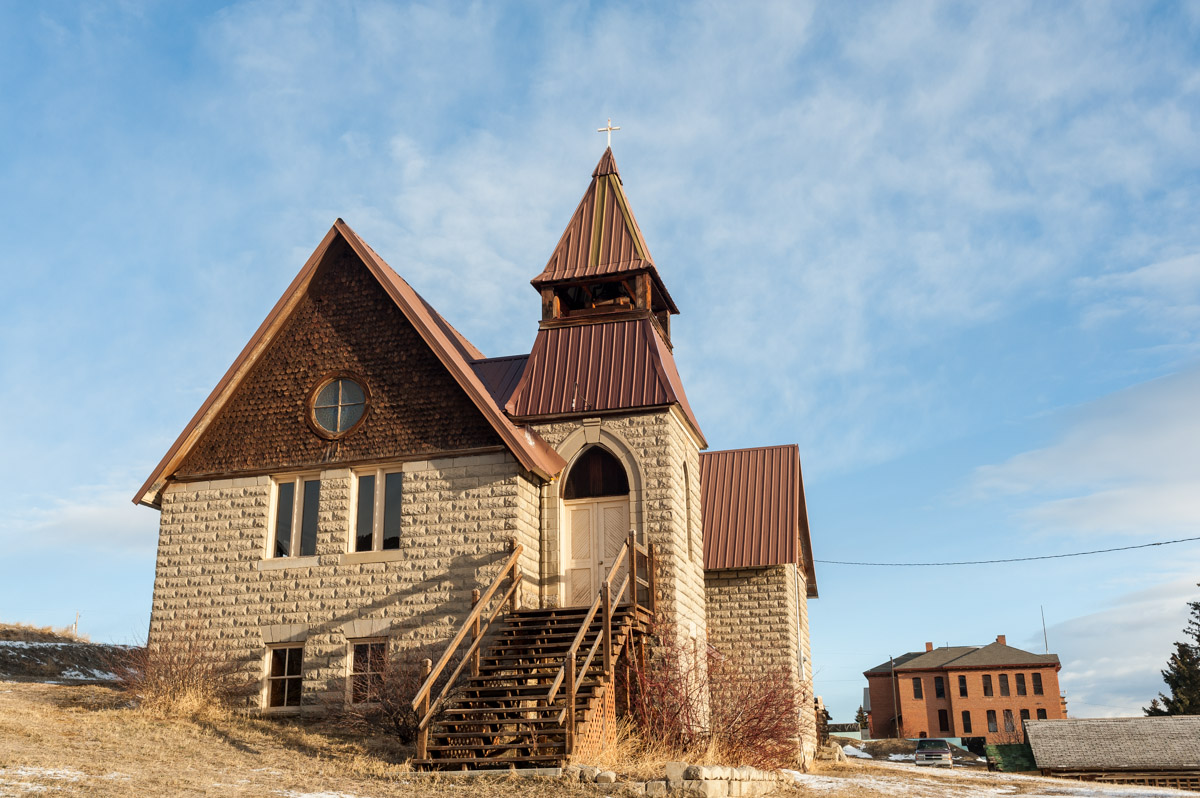 Now Pony is mostly known as a quiet, retiring community. Though not the booming mine town it once was, it still boasts a couple of active churches and an old school it uses as a community events center.
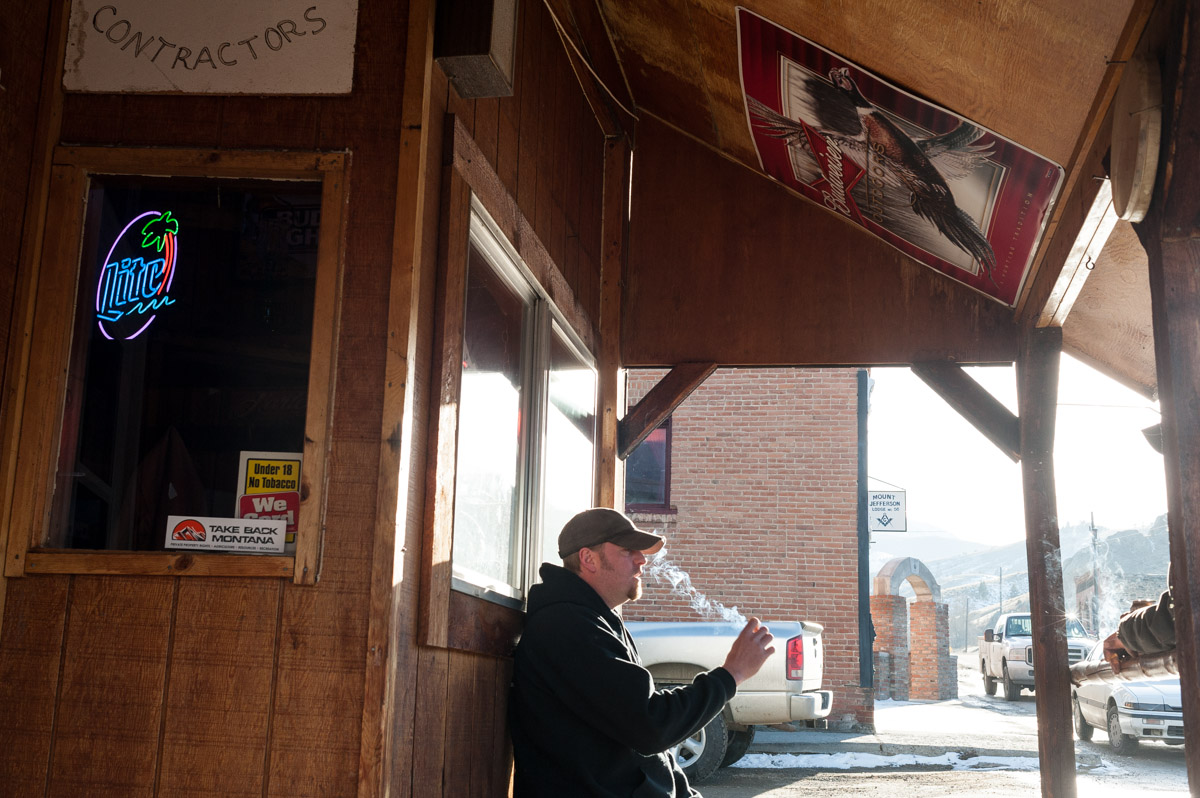 And a rather famous bar, written about by poet Richard Hugo, that doubles as a community center. Here Seth Bauer, 34, speaks with a friend outside the Pony Bar. Bauer describes Pony as a close-knit, friendly, look-out-for-one-another kind of place.
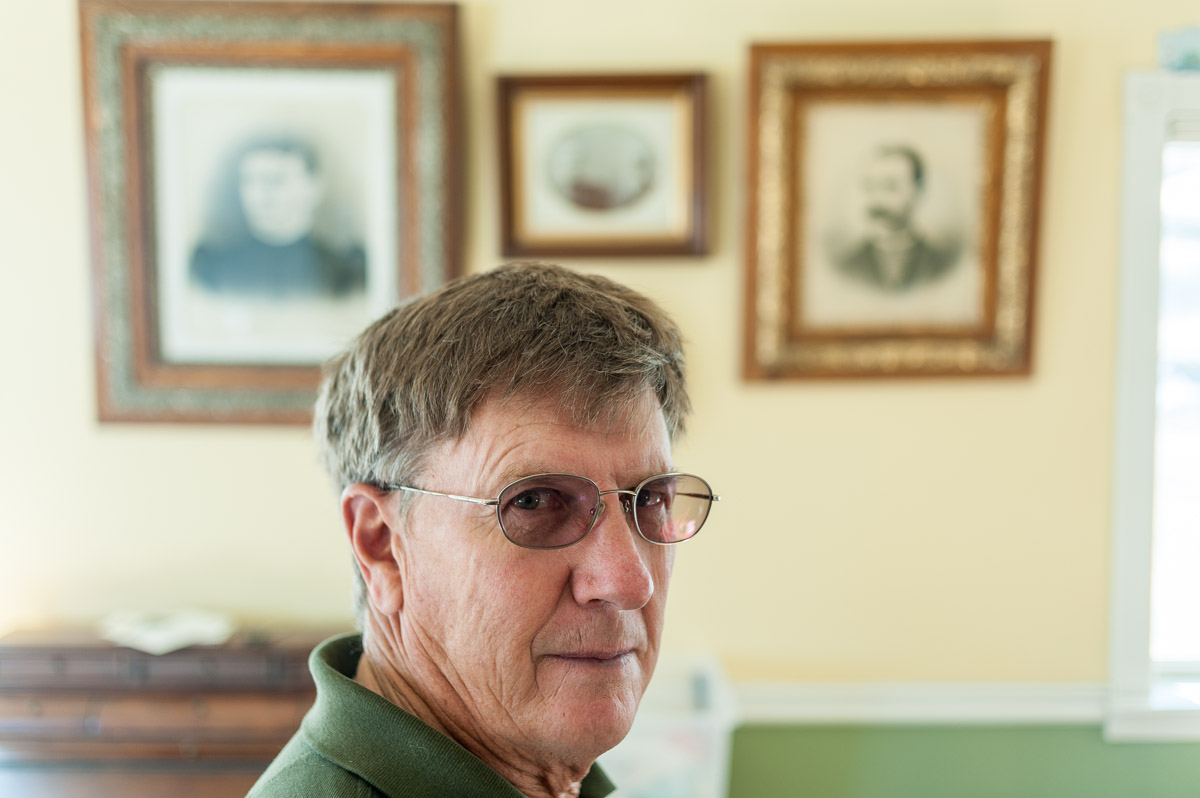 Daryl DeFrance, 68, was one of two members of the last eighth-grade class to graduate from the Pony school. The school closed the following year, in 1958. De France says he is now the fourth generation of his family to live in Pony, following his great-grandfather James DeFrance, who homesteaded in the area in the latter half of the 19th century.
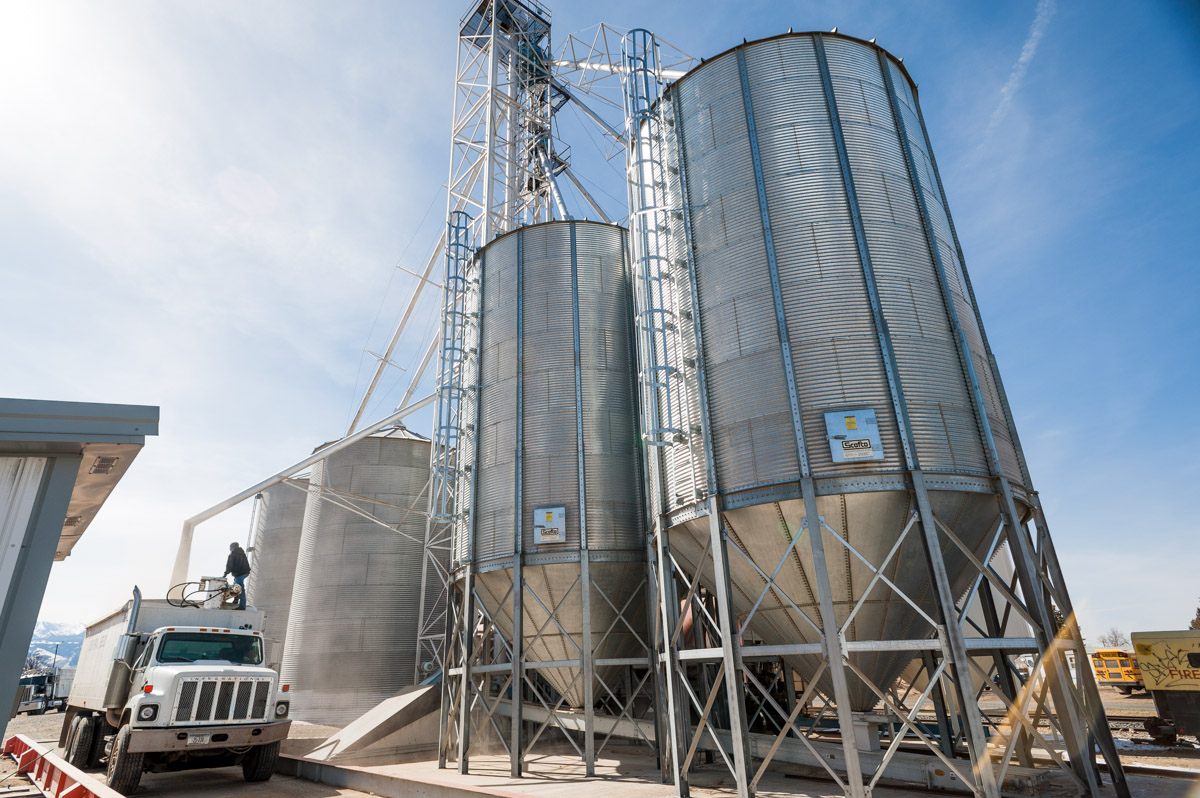 Harrison has the granary where Evan Gannon, 31, loads whole oats. Although Gannon works in Harrison, he says he lives seven miles away in Pony, and more than 1,000 miles from his native Arkansas. “Ten years ago, I hitchhiked to Montana,” he says. “I walked into Pony and never left.”
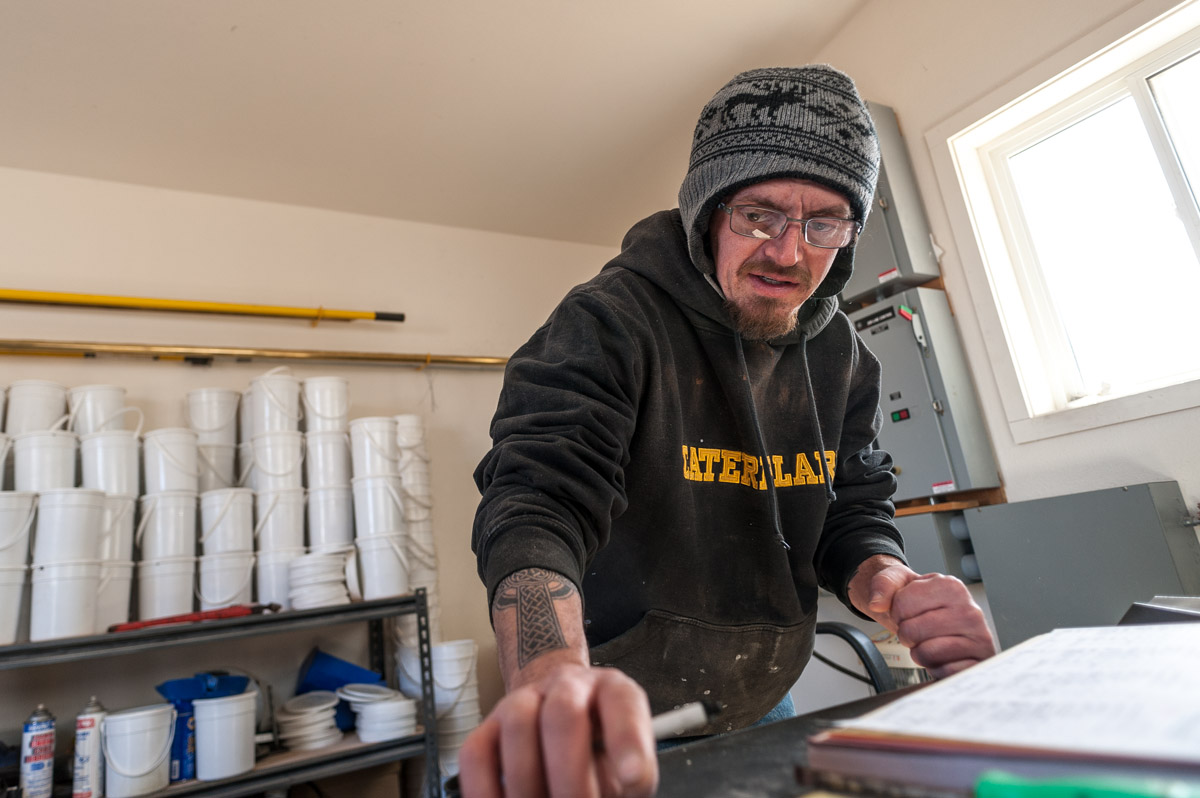
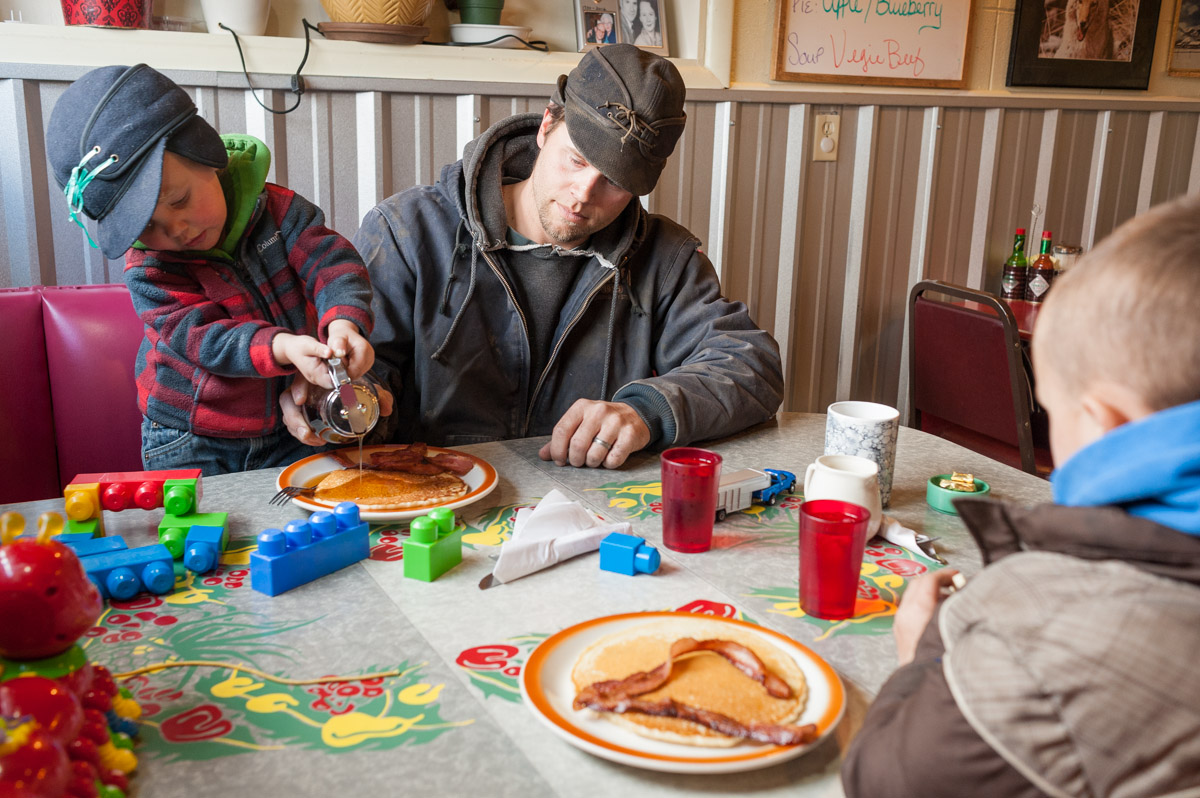 Tucker Edmundson, 29, and his two sons, Cormack, 2, and Cutler, 5, come to breakfast every morning at the Town Haul Diner in Harrison, owned by Tucker’s mom. Tucker says he grew up in Harrison, earned an engineering degree, and then came back to run the family ranch with his dad.
“We’re just a simple cow town,” he says. We’re producers.”
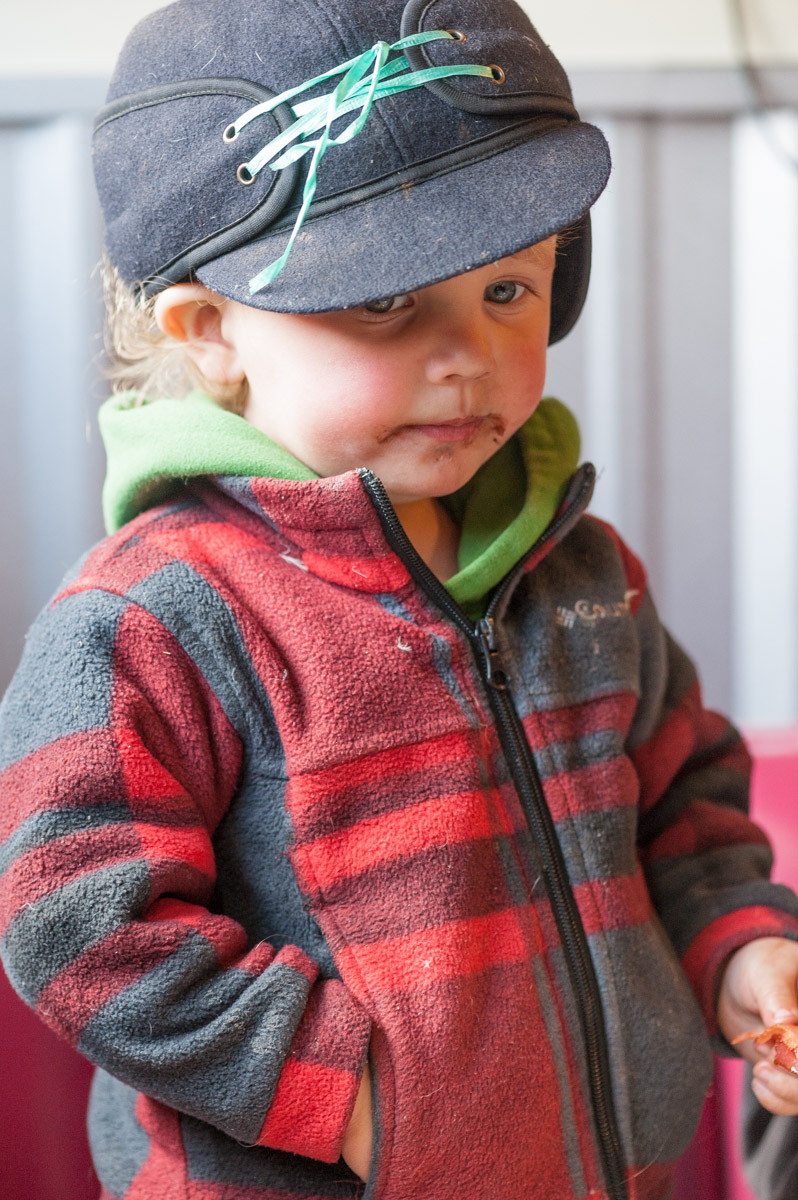
Two-year-old Cormack Edmundson thoughtfully eats a piece of bacon. With a dad trained as an engineer, a mom working on a teaching degree, and a new baby brother or sister due to arrive in a couple of weeks, plans are for Cormack and his siblings to grow up on the family ranch nearby.
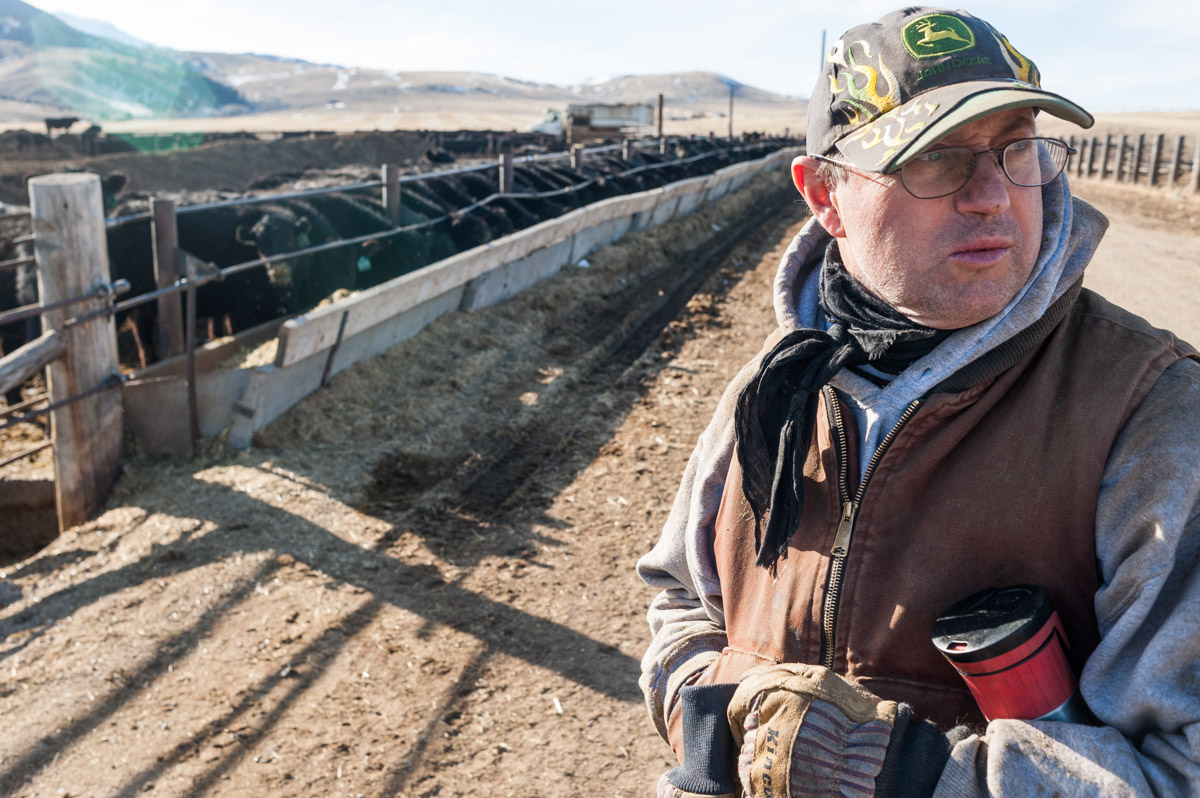
“I live in the center of the tri-city area.” says Bob Sitz, whose ranch is equidistant from Pony, Harrison and Norris. Sitz says he raises Black Angus bulls and heifers for breeding, making the Sitz Ranch one of the top 10 Angus seed stock producers in the country.
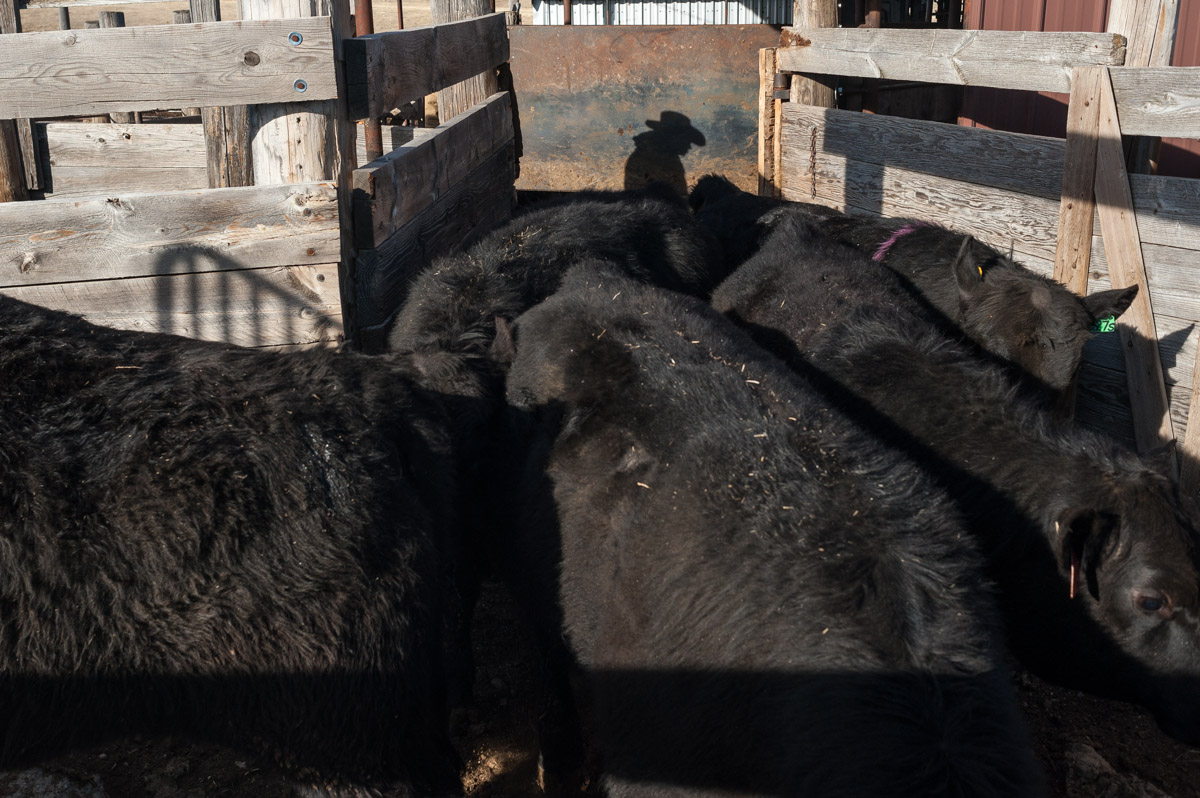
A group of bulls is rounded up for “some doctoring” by Chris Madrid at the Sitz Ranch.
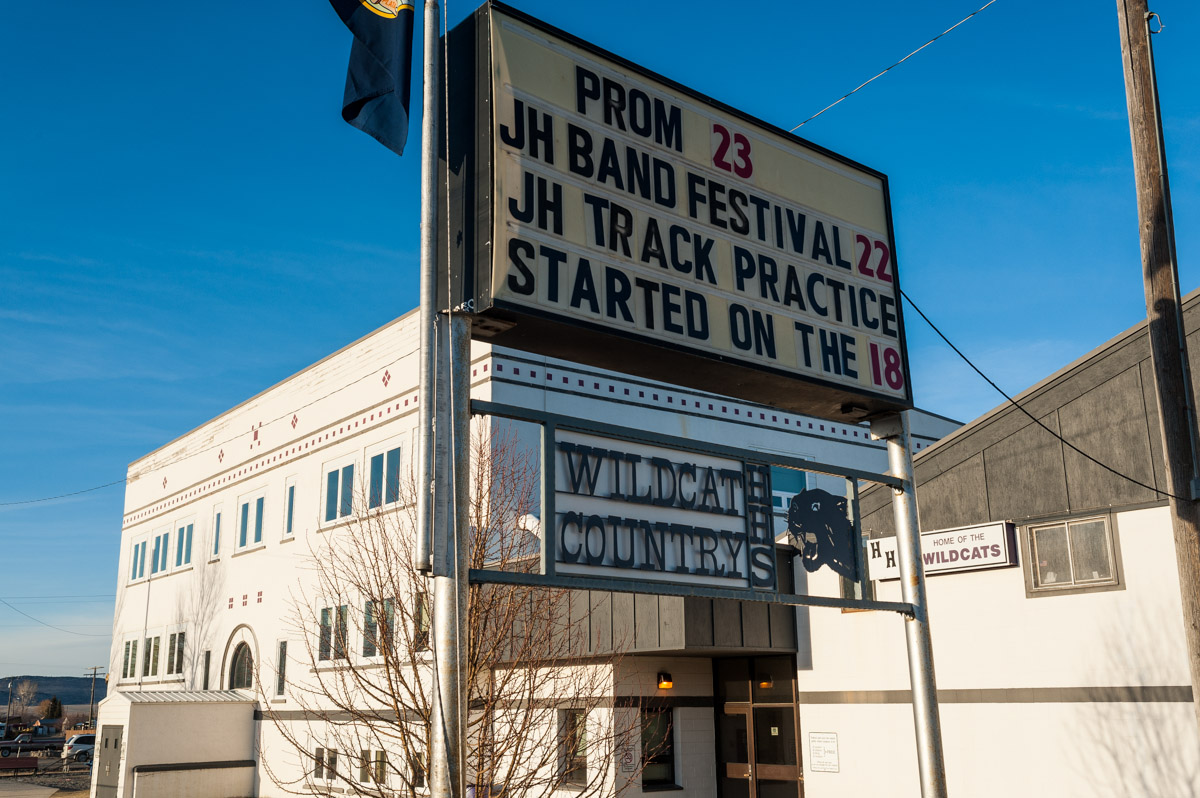
The Harrison school serves Harrison, Pony and Norris, and draws students from as far away as Ennis and Three Forks, but enrollment is still shrinking. Sophomre Megan Skillman says just nine students are in her class.
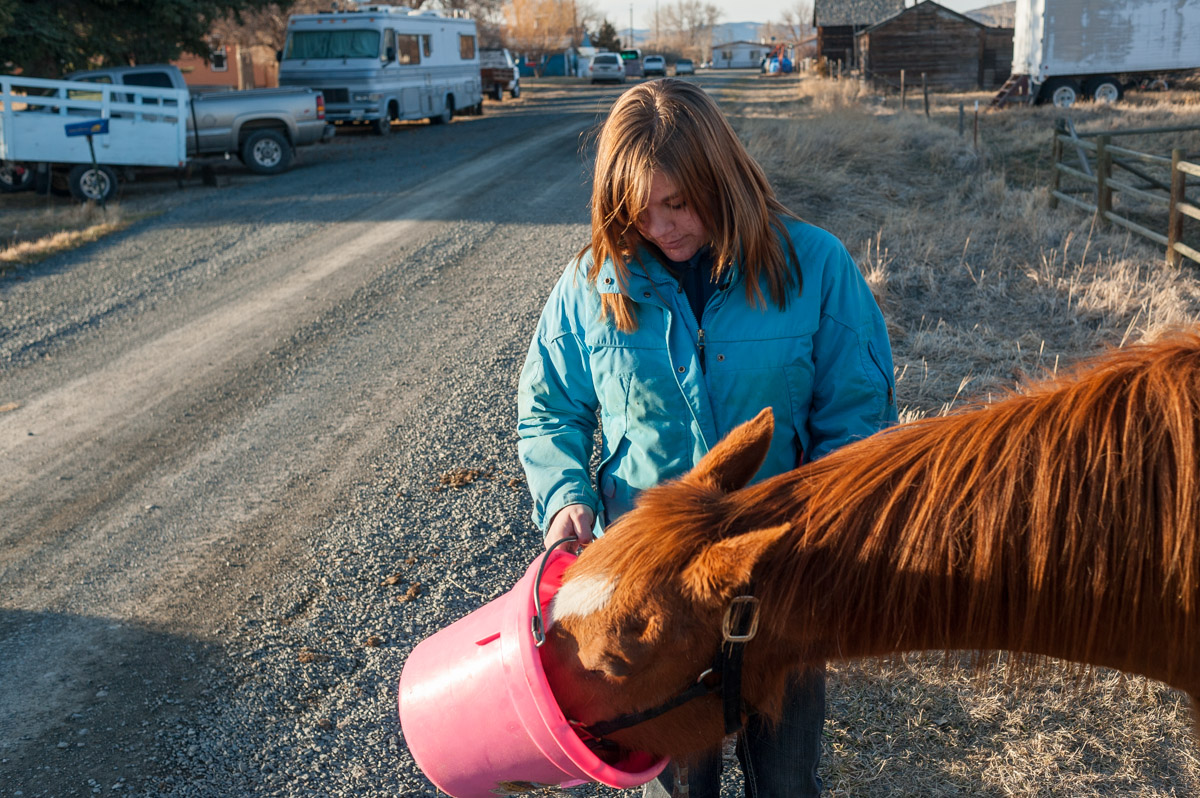
Megan Skillman feeds grain to her horse Kit Kat, whom she rides in barrel racing and pole bending events during high school rodeo season. Livestock abounds within Harrison’s city limits. Skillman says she lives down the street from the neighbor kind enough to let her keep her horses at his place. She says it’s not at all strange to be able to keep your horses in town.
Danhof Chevrolet
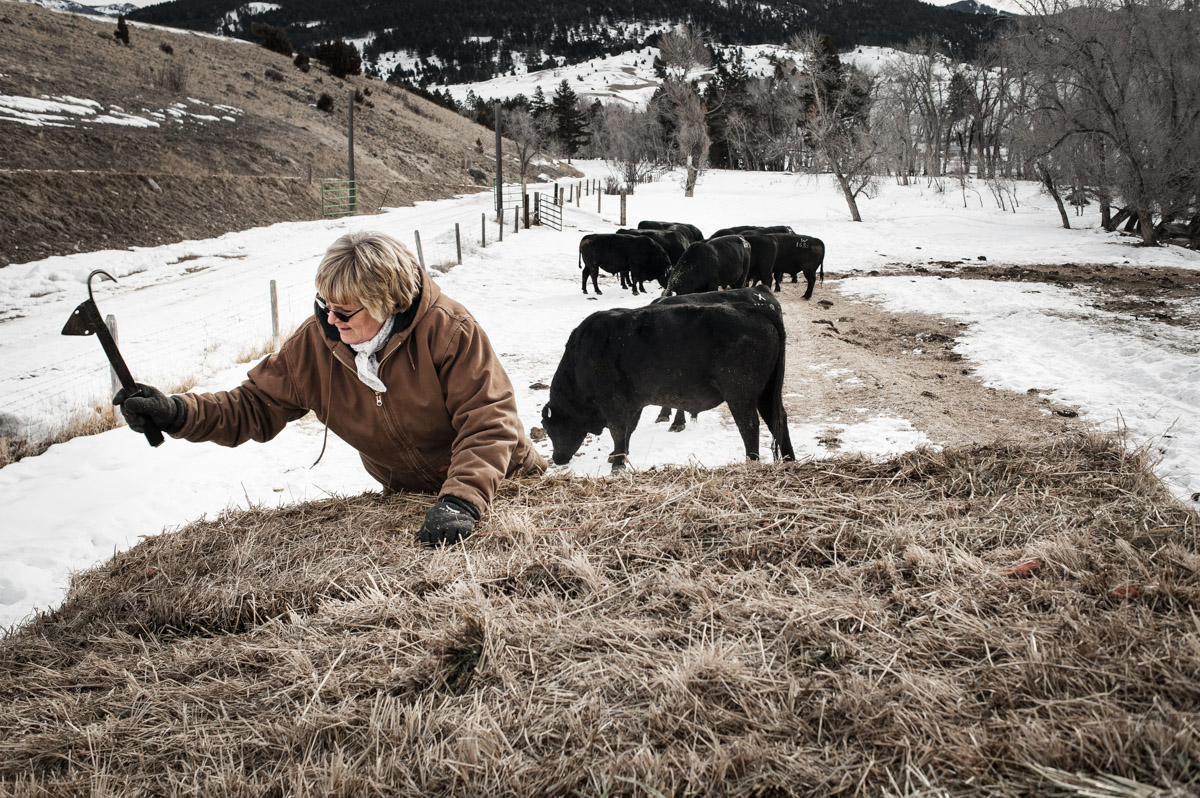
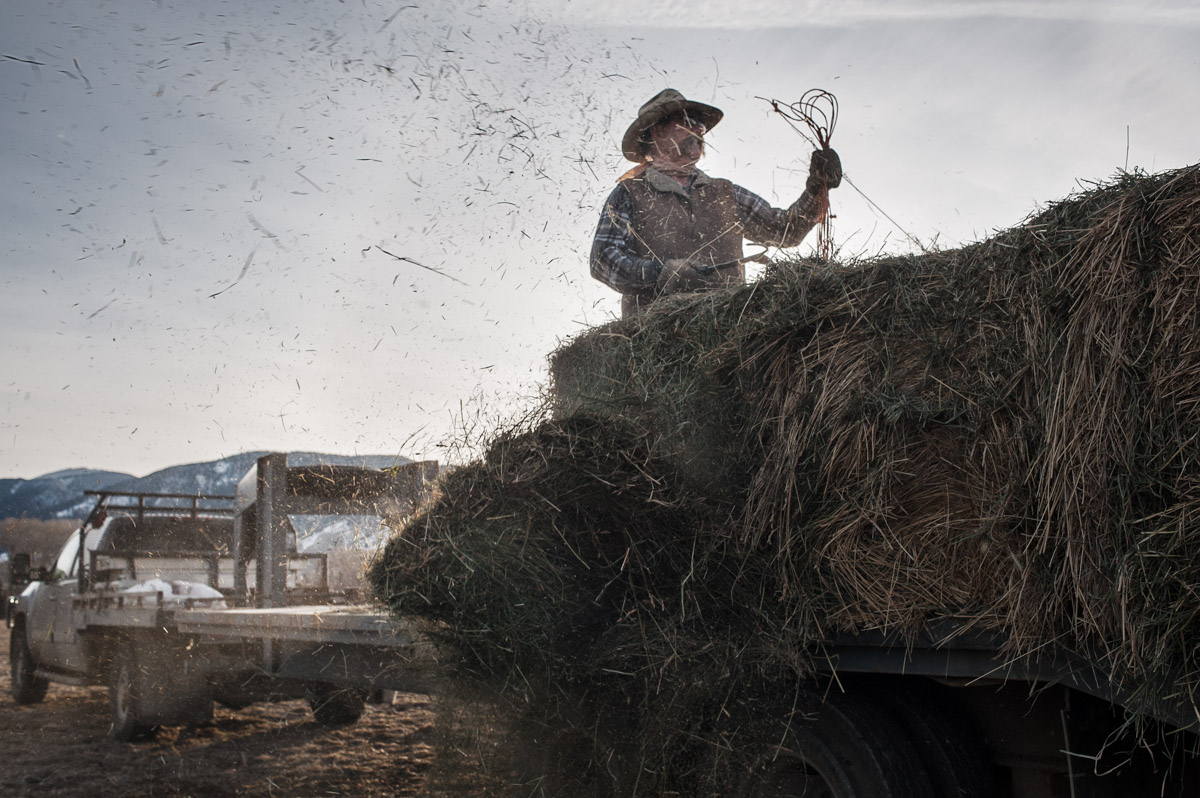
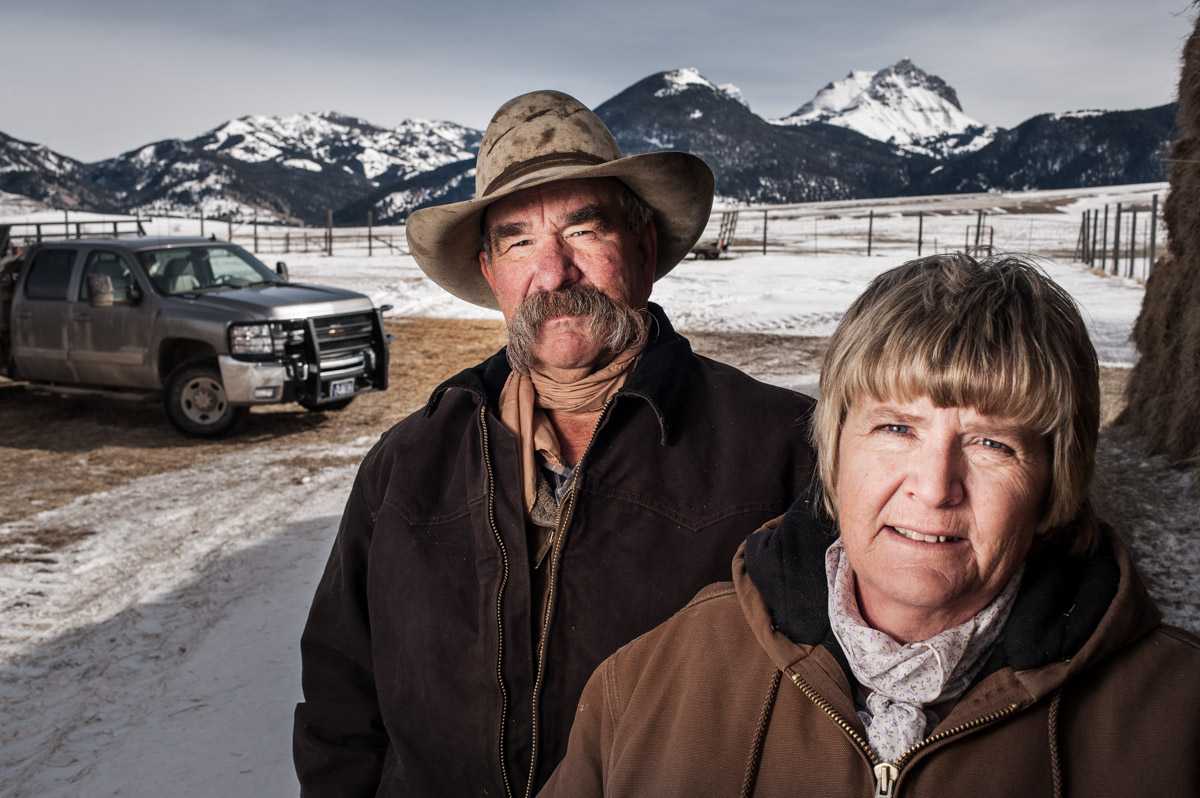 One of my favorite commercial clients is Danhof Chevrolet in nearby Amsterdam, Mont. They give me the name and contact information of one of their long-time, loyal customers (of which there seems to be an endless supply) and tell me to head out and make some pictures of the people and their vehicles. So I do. They are absolutely wonderful to work with.
This is Kevin and Kathy Boltz, long-time Danhof customers, at their cattle ranch south of Ennis, Mont. The Boltzes are genuine, honest and hard-working people who depend upon their vehicles every day, living and working in front of the Madison mountains.
Working Together
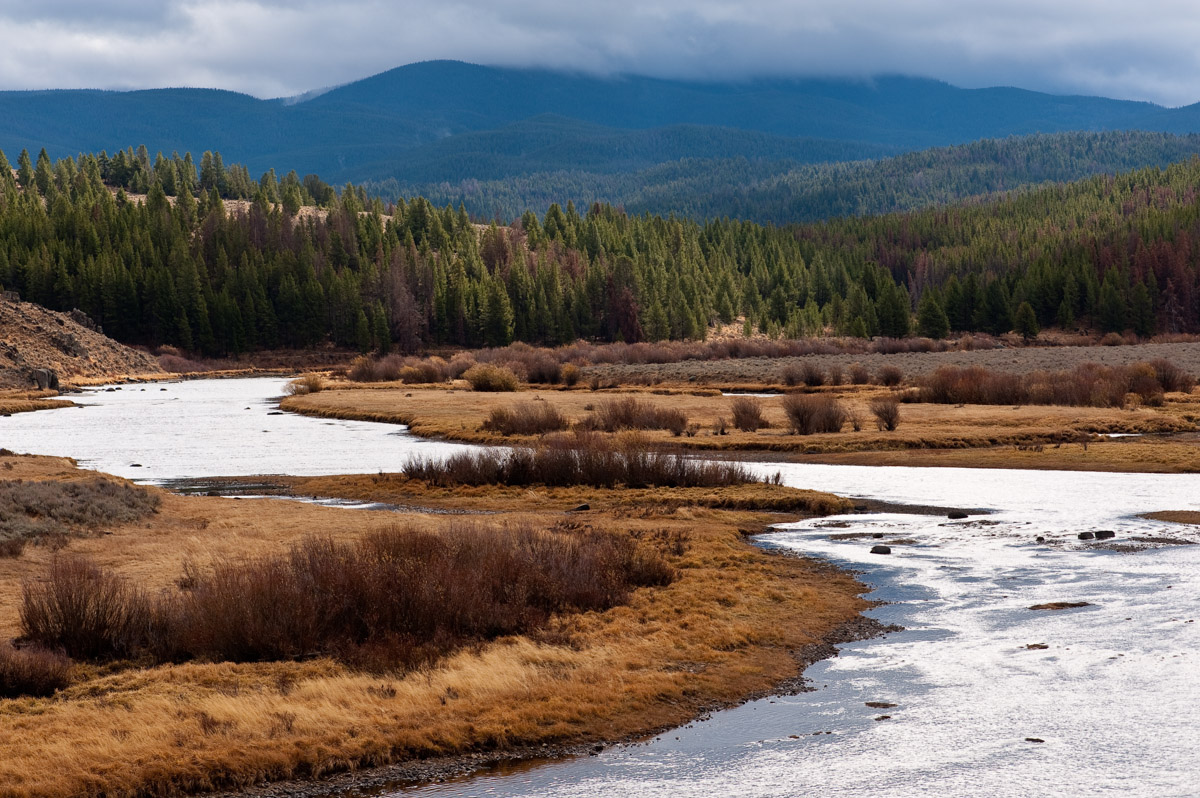
This is the Big Hole River in southwest Montana. It winds out of the Beaverhead Mountains near Lemhi Pass and represents the farthest west the Missouri River watershed extends. Lewis and Clark came this way in 1805 on their way west to the Pacific Ocean.
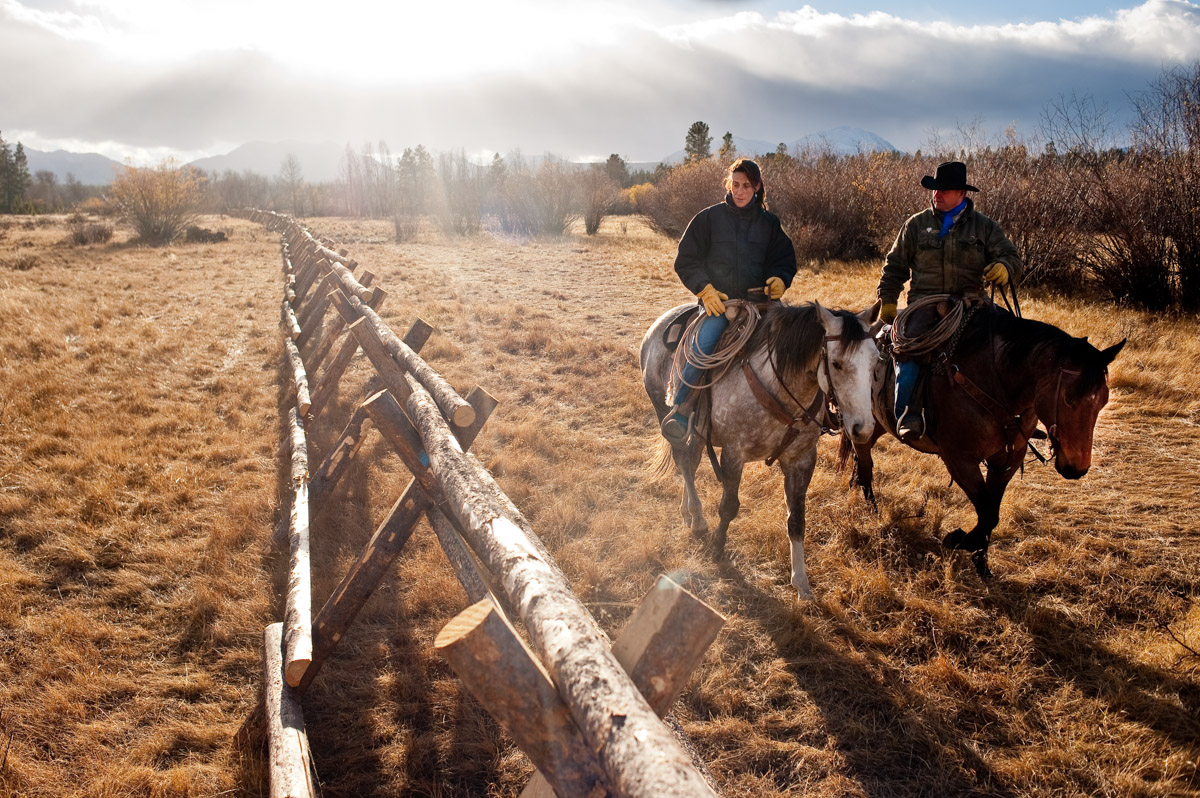
These days, the Big Hole has a lot of demands. Ranchers use its water to irrigate their hay crops so they can raise cattle. And anglers are big fans of the Big Hole, pulling out trophy trout. And environmentalists are tied to the river because it is also home to the rare arctic grayling. Sometimes, there’s not enough river to go around and tempers can get short.
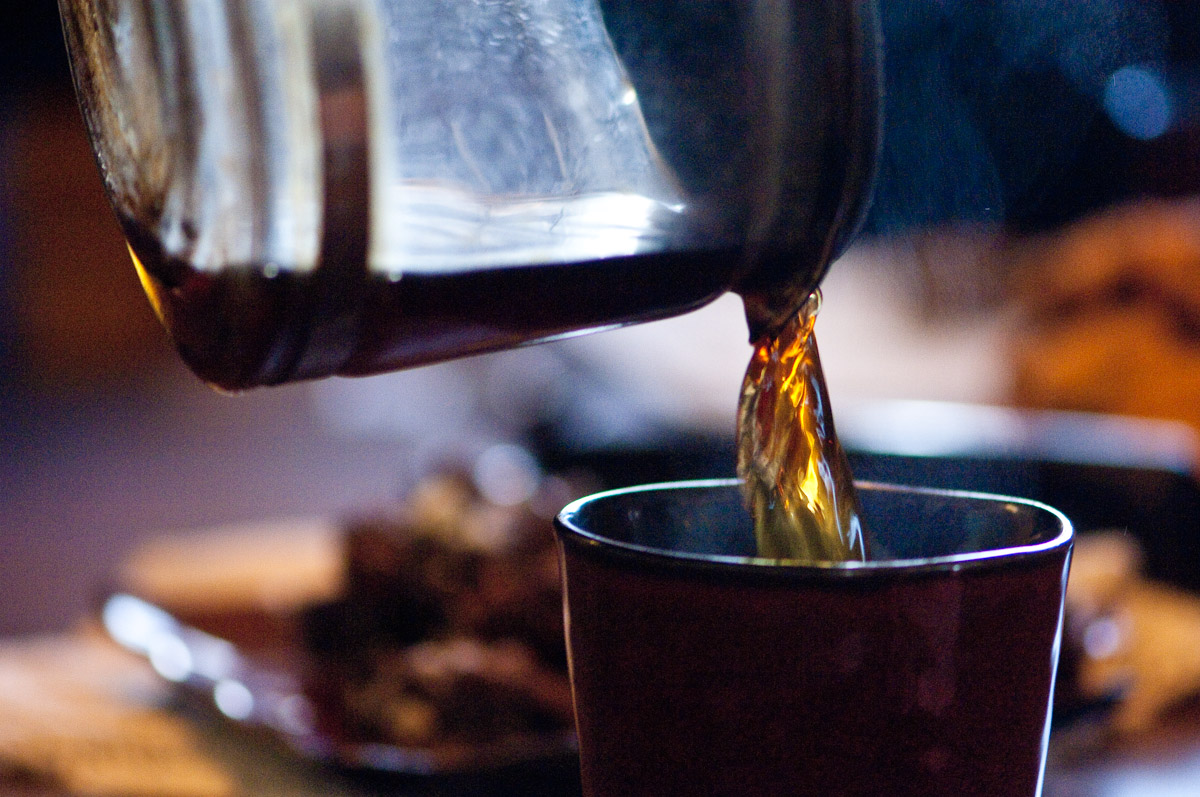
But what thrills me is that government organizations like Montana Fish Wildlife and Parks have gotten together with ranchers and other agencies over coffee and realized that they all care about the land. Ranchers are essential to the success of any preservation efforts. They live on the land. They know it. And they understand their success depends on good land stewardship. And the agencies all want the ranchers to stay, to thrive even, because they are the best people to have living on the land — far better than resort owners, condo renters, corporation conglomerates.
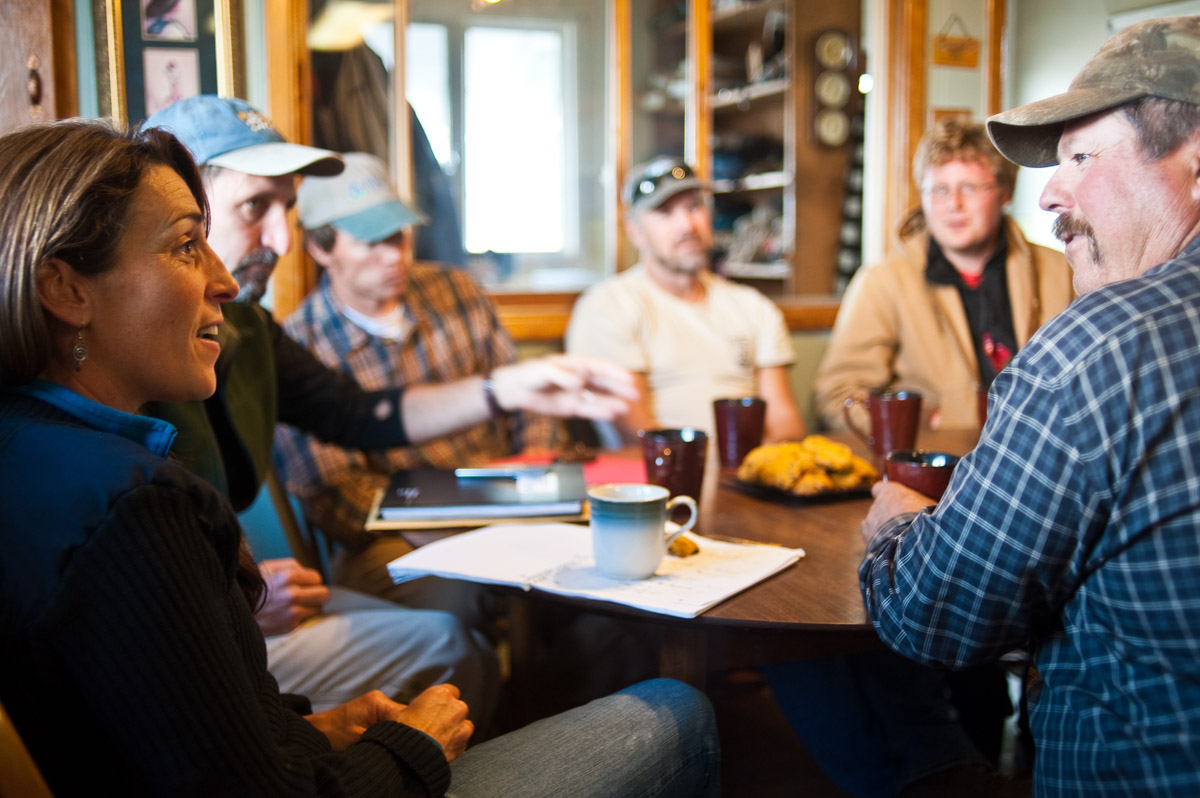
So the agencies and the ranches began to get together for coffee. They found lots of common ground. The agencies listened to the ranchers, the ranchers listened to the agencies and it looks like there’s a solution in the works where the ranchers can use less water, make more money, and the agencies can have a good fishery and a healthy river.
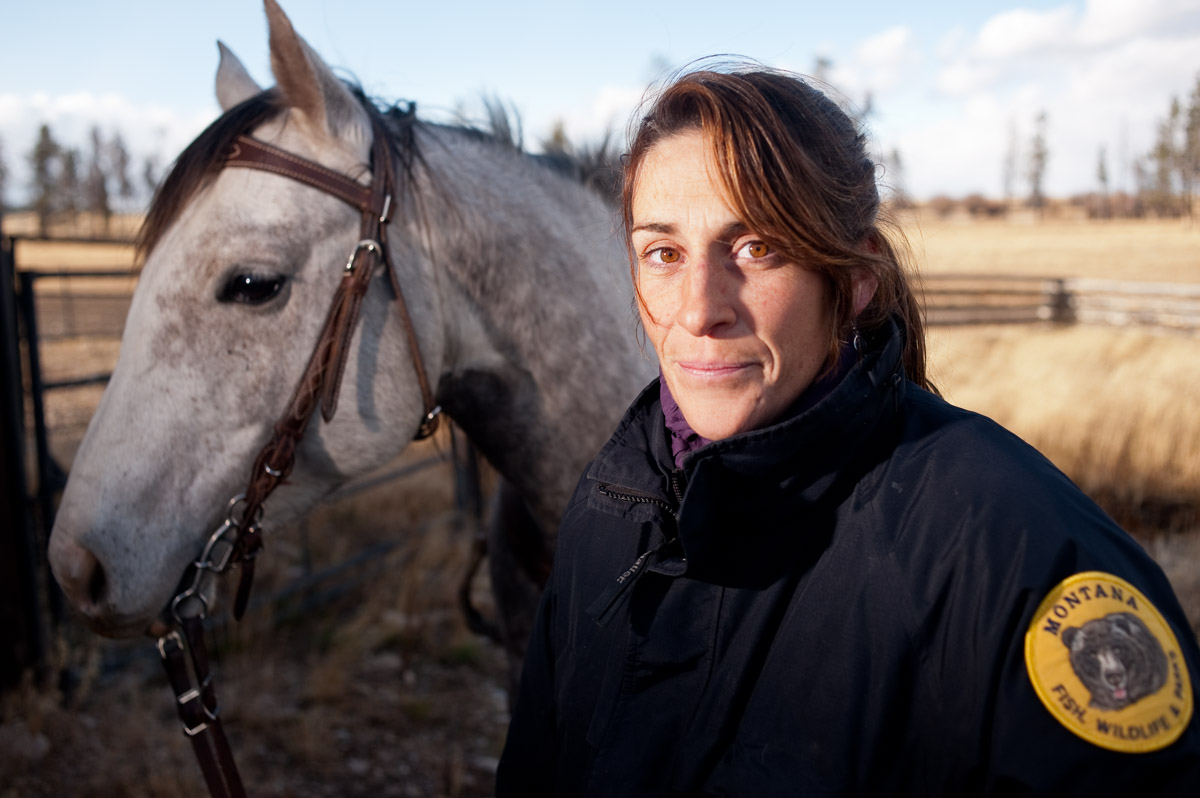
Emma Cayer represents Montana Fish Wildlife and Parks in the area. She’s one of the reasons the effort is working so well.
Bozeman Symphony
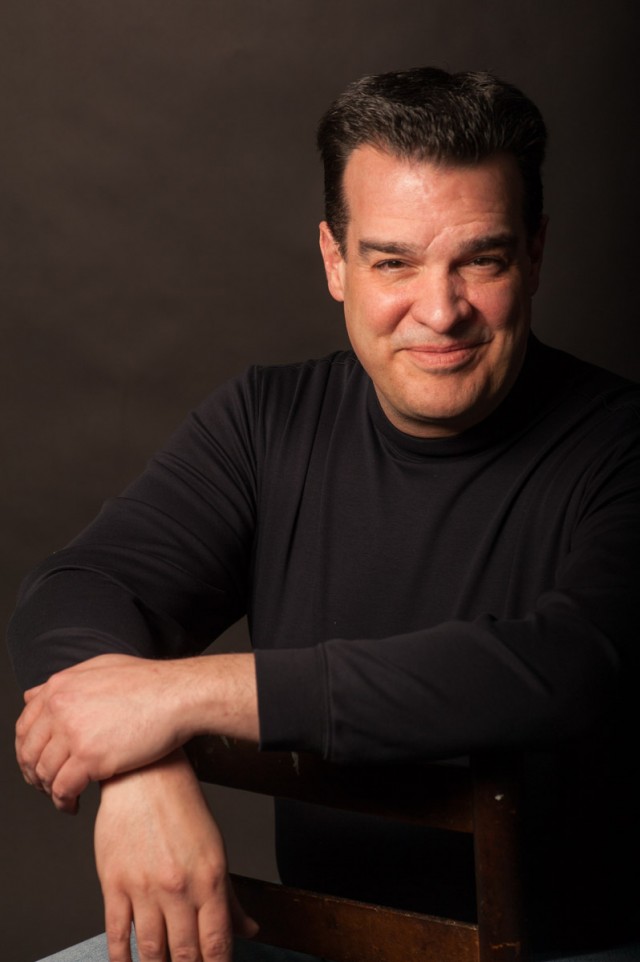
One of the things I like most about living in Bozeman is the tremendously deep talent pool I think we live in for a town of our size way out here in the mountains. And one of the people whose talents I enjoy most is Matthew Savery, music director of the Bozeman Symphony.
So I was thrilled to accept an assignment from the symphony to photograph Matthew for their promotional efforts for the upcoming 2013-2014 season.
I respect Matthew not only for his ability as a musician, but also for his commitment to excellence, regardless of how big a town is.
Funky
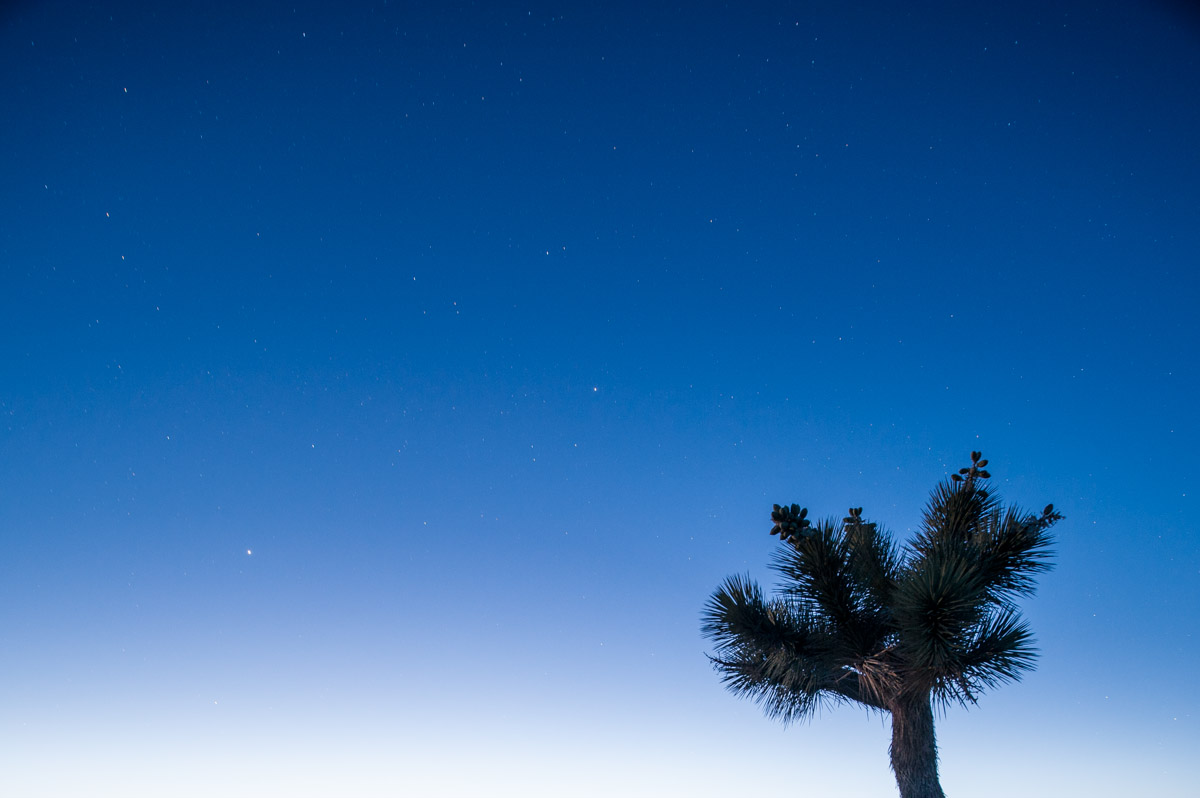
I just got back from a business trip to Palm Springs, Calif. And though I didn’t have a lot of time to sightsee, I did make a little time to visit Joshua Tree National Park nearby. A sign in the park says these trees were named by Mormon pioneers in the 1850s. The tree reminded them of Joshua, who led the Israelites into the Promised Land. The Joshua Tree National Park website says the tree is actually a member of the Agave family, that they grow an average of half and inch per year, and that American Indians found them useful as material for baskets and sandals.
My impression was funky.
Back from the Bakken
Al Kesselheim wrote a fantastic story in the latest Montana Quarterly, interviewing a group of Montanans who have recently returned home after spending some time in the Bakken oil field in eastern Montana and western North Dakota.

A bowl of soup with a cup of coffee can cost $10, you might have to wait two hours for a sandwich at Subway, and the line behind a coffee kiosk in the morning can stretch to a mile, Sheamus Conley says. Anything left lying around — particularly tools — would be stolen in an instant, men were sleeping in their cars, raw sewage was overwhelming, water was extremely scarce and wildlife was almost nonexistent. “Not even deer want to live there,” Conley says.
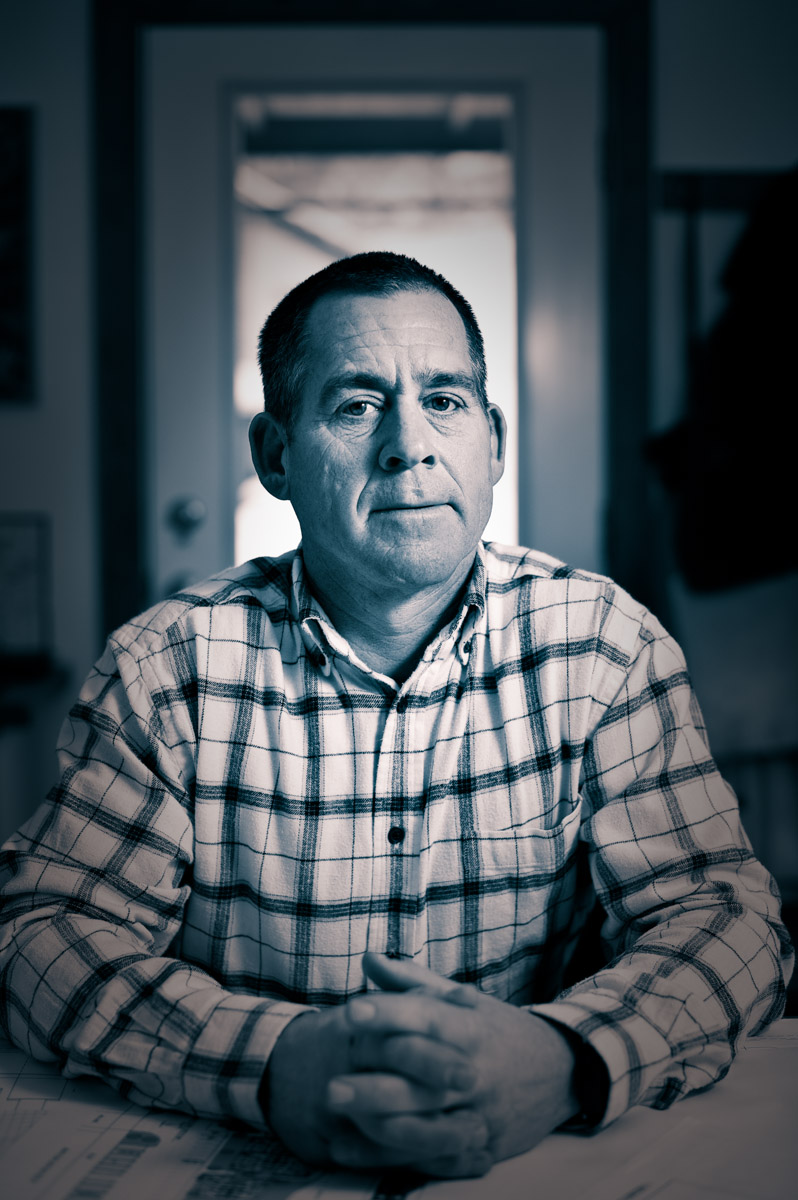

Tim Stefan is an architect in Bozeman. He wanted to explore the opportunities in the Bakken so he learned to drive a tractor-trailer rig, bought one, and hauled building material used for roads and well pads around to the well sites. Stefan now has several design projects going in eastern Montana, including a low-income, multi-family housing project in Wolf Point. “I think the opportunities are available,” he says. “You gotta go out there and figure out what’s going on first.”


“It’s not that I’m a woman that makes me unusual in the oil field,” says Anne, a freelance well site geologist from Gallatin Gateway. “It’s that I’m a Democrat.” Still, “I met some really great people out there. Even if they’re Republicans.” Anne says she had her own bathroom and kitchen while living at the well site. “Once I get out there and start working, everyone forgets I’m a girl.” She says drilling technology is advancing at an alarming rate, making it ever easier to extract oil from the ground. “There’s absolutely no stopping the drilling,” she says. “Not if there’s a drop left on the planet.”
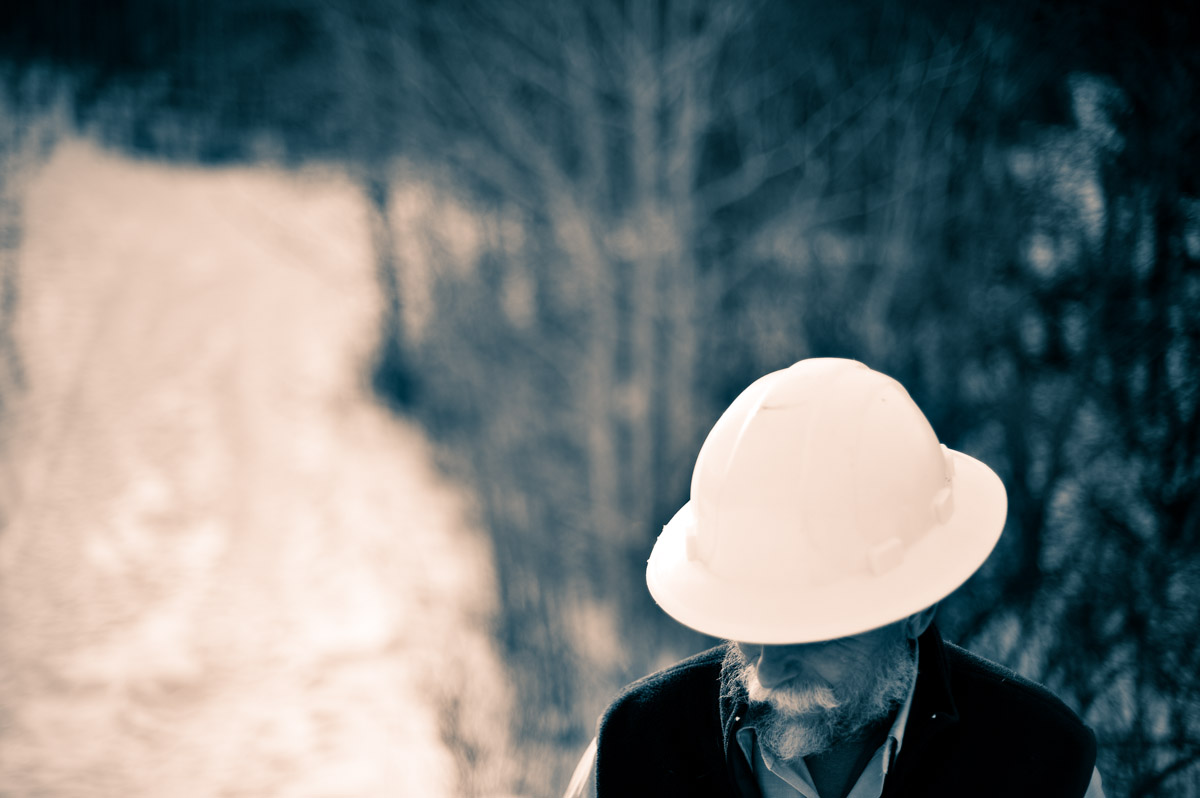
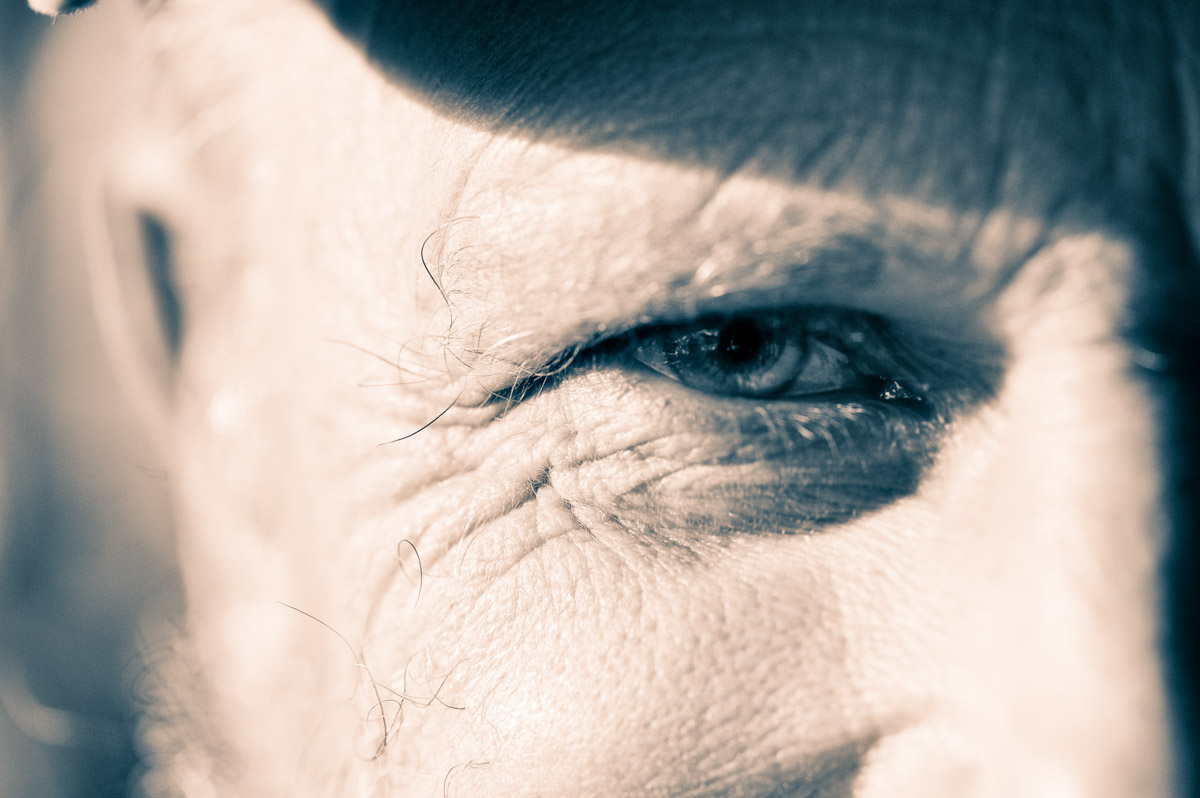
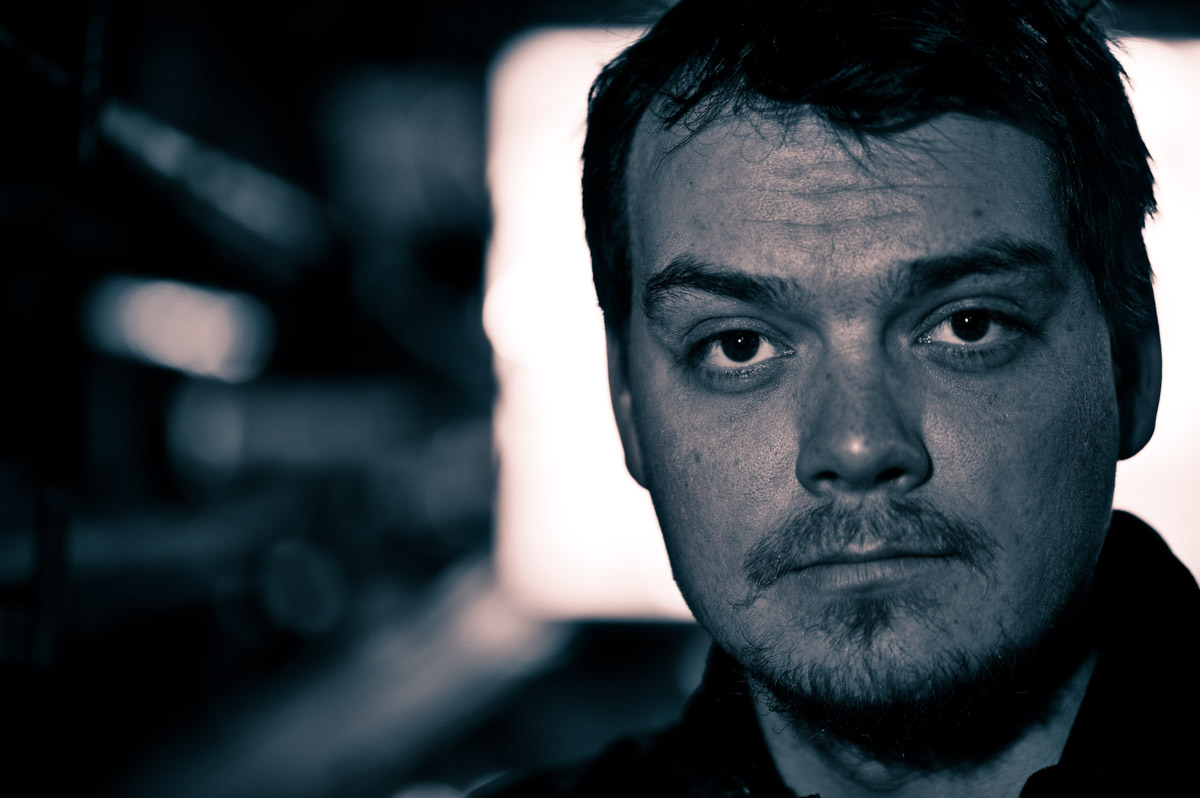
“Misfits. That’s what you’ve got in the oil fields. Basically a prize collection of misfits,” says ecologist Daniel O., who lives in the Bridger mountains east of Bozeman. He didn’t want to use his full name for this story, or show his complete face. “I want to keep my life as low-profile as possible,” he says. Daniel says he bought a camper trailer to live in while he drove a truck around the oil field, naming the trailer, “Wilsee,” as in, “we’ll see.” He says he planned to stay about three years, but lasted about six months, averaging 95-hour workweeks. “I got fired,” he says. Even so, he came home $45,000 richer. He says he was glad he went, but would only go back out of desperation.
“the real tragedy is the cultural aspect,” Daniel says. “the people that grew up out there are overwhelmed. The culture has dramatically shifted on them. It went from calm, slow-paced, agriculture to this high-paced, intense industrial culture in the last five years. And it hasn’t peaked. Far from it.” Daniel predicts the Bakken will be the largest industrial sacrifice zone on the continent in about 15 years, but it will also enable the United States to be energy independent. “In my opinion, for what it’s worth,” he says, “it’s a fair trade.”
 Thomas Lee True West