
montana photographs of Al Swanson, Master Woodworker
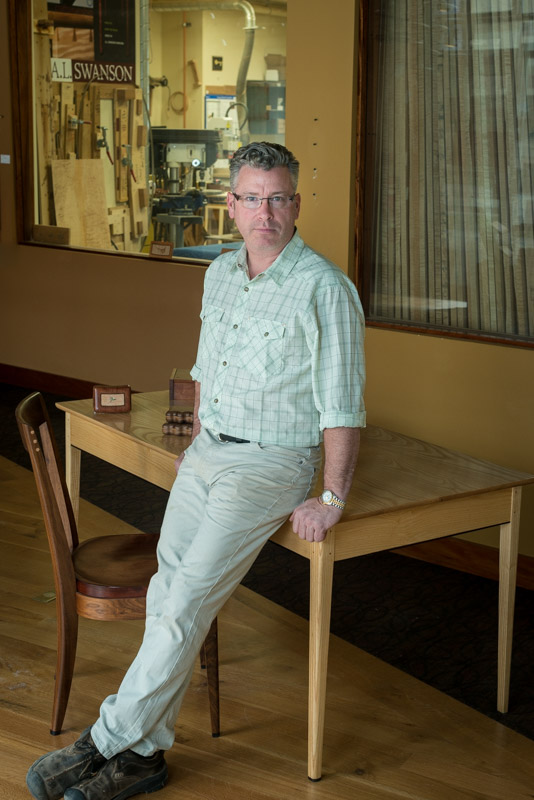 Al Swanson is a gifted, highly skilled craftsman who uses age-old, hands-on woodworking techniques to make fine furniture at his studio in downtown Helena.
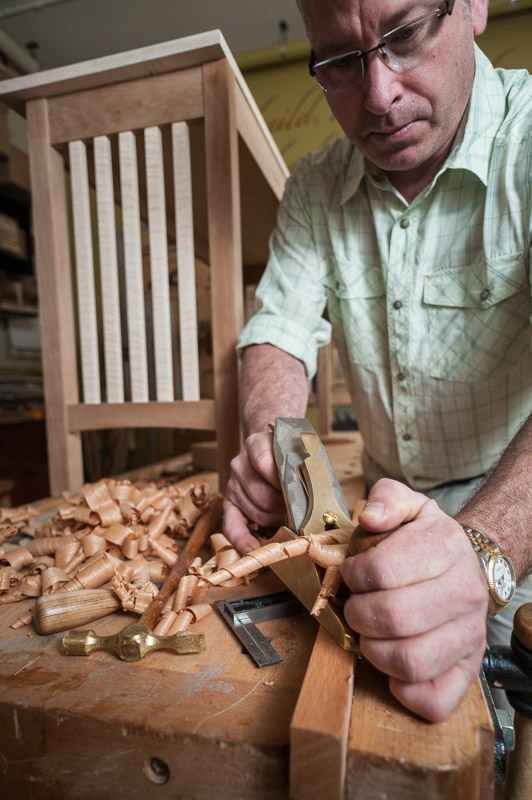


He says this dovetail joint on a bookcase he’s making demonstrates a timeless strength, elegance and beauty. “It’s all done with hand saws and chisels,” he says. “And you can tell by looking at it.”
Swanson is dedicated to his craft, despite the tremendous amounts of hand work that go into each piece he make. He teaches woodworking classes in the shop behind a large glass window in his gallery/studio.
And, like many people who move to Montana as adults, Swanson is an avid fly fisherman.
People would come from around the country to take his classes, but it was hard to send them home with a table or chair, so he needed a product that wasn’t quite so big. When he noticed fishing guides picking up their clients at a nearby hotel, he hit on the idea of a wooden fly box.
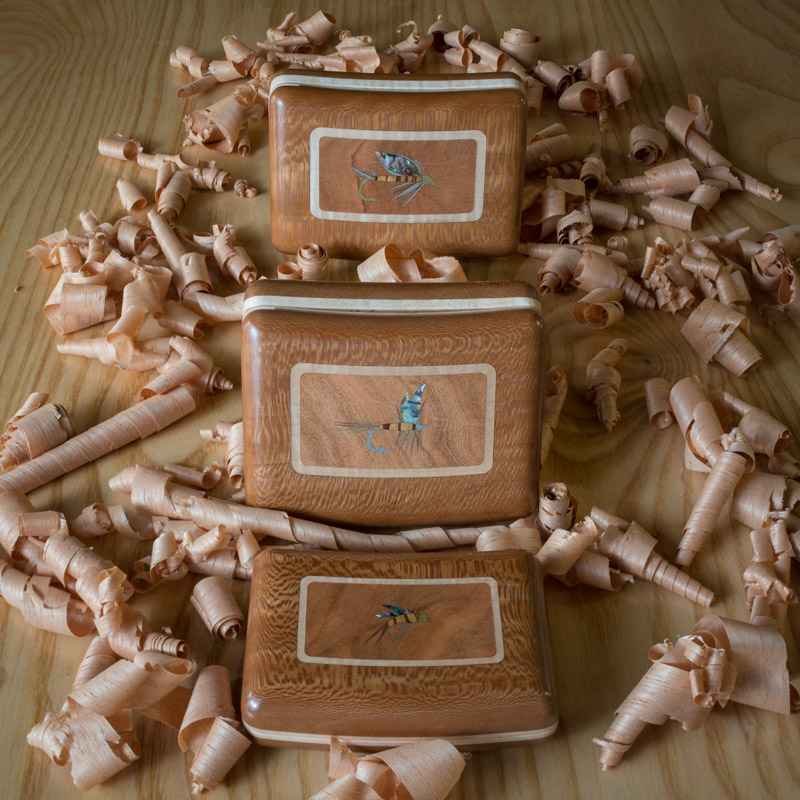
Made of quarter-sawn sycamore and tiger maple, these boxes are the result of more than 20 prototypes and hours and hours of thought and work.
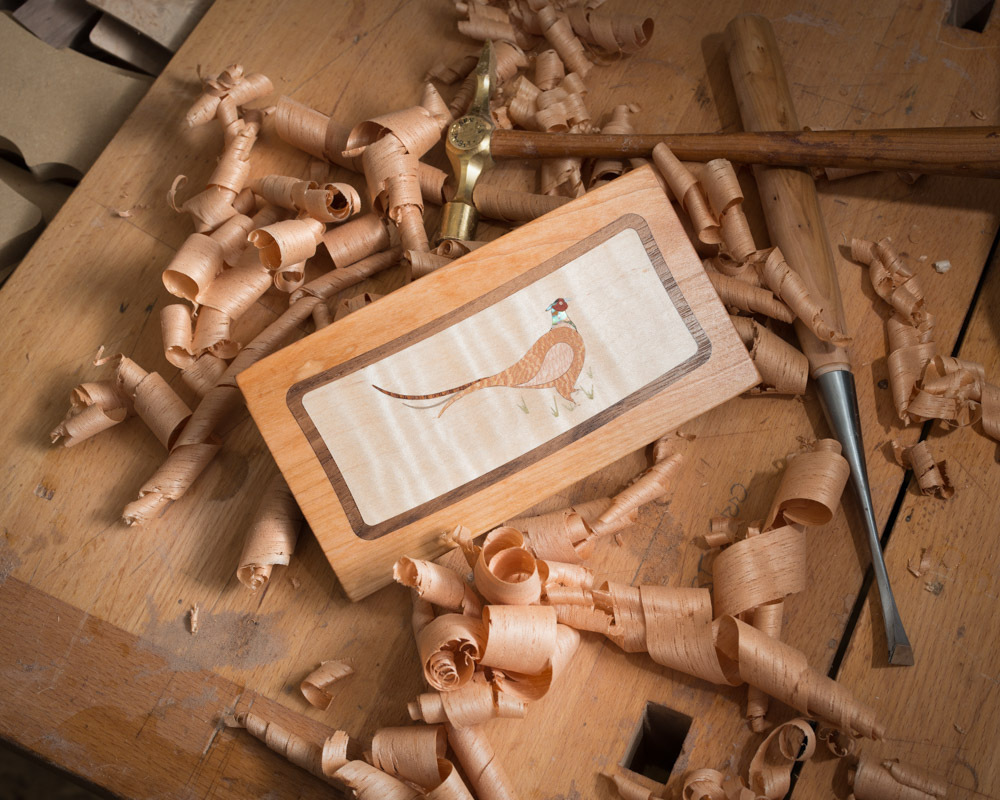 Swanson has lined up a deal with fly fishing’s retail giant Orvis, and sells boxes in an array of sizes through the Orvis catalogs.
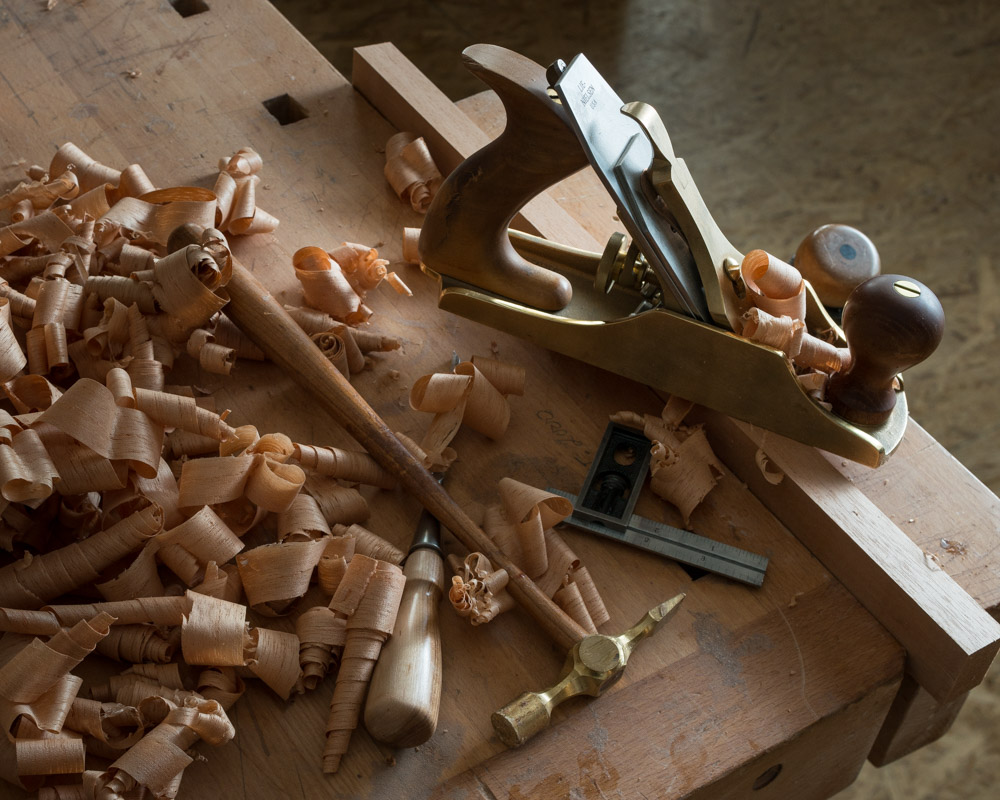 See these images big here.
#MontanaPhotographer #MontanaPhotojournalist #Woodworking #Flyfishing #Furniture
montana photographs Bynum Dancing
As the school year winds down, I wanted to share these pictures I made while working with Al Kesselheim up in northern Montana.
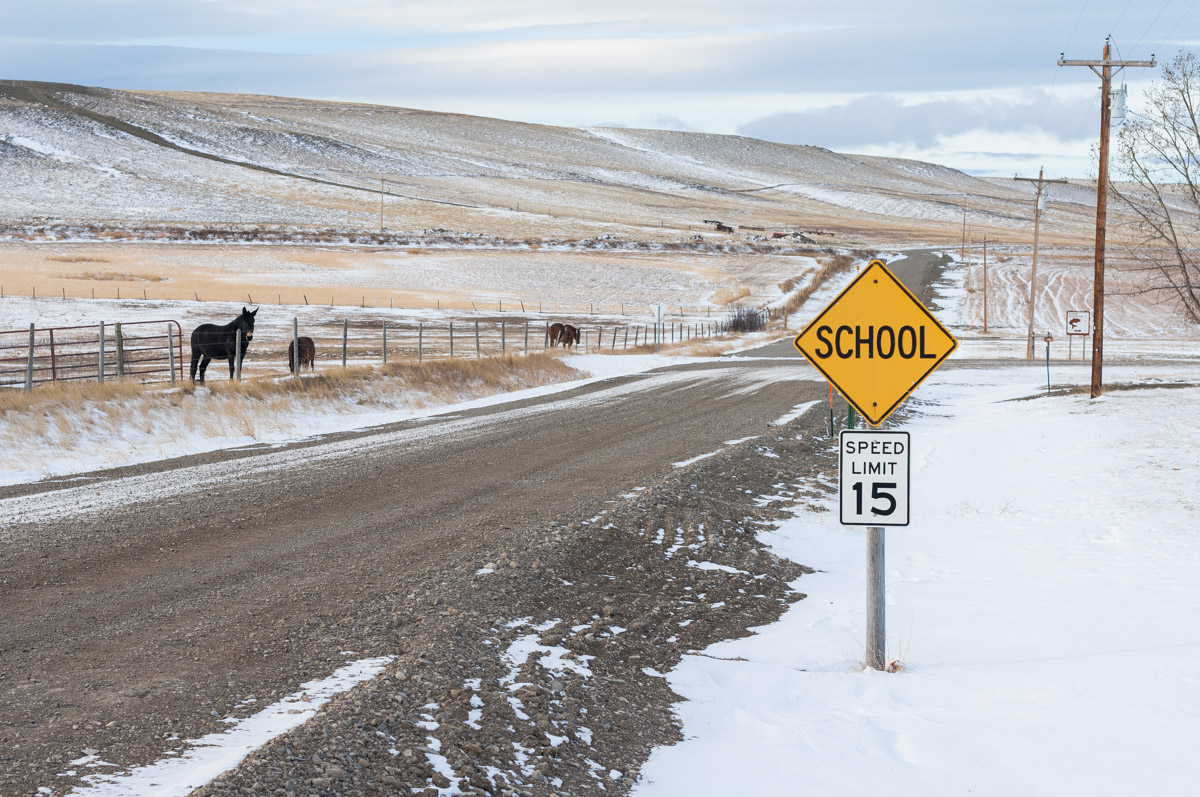
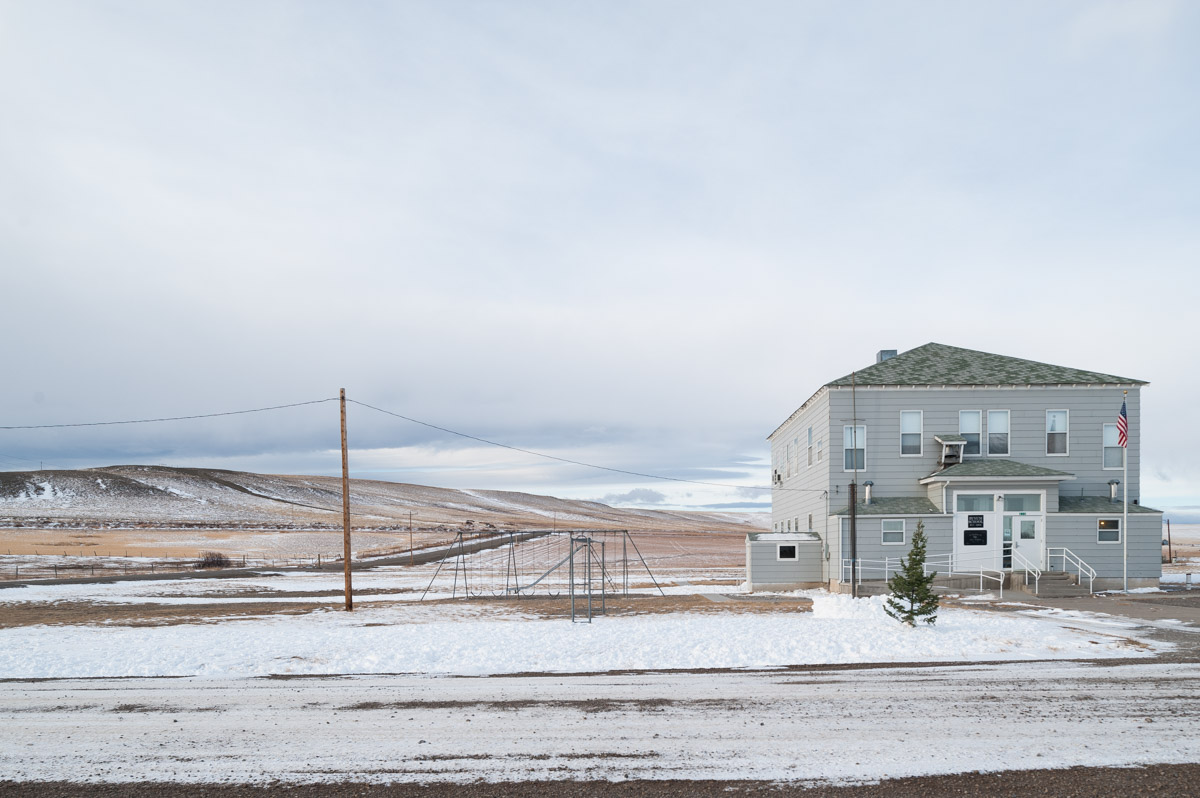
Bynum is pretty small. Twenty kids comprise the entire student body at the Bynum School.
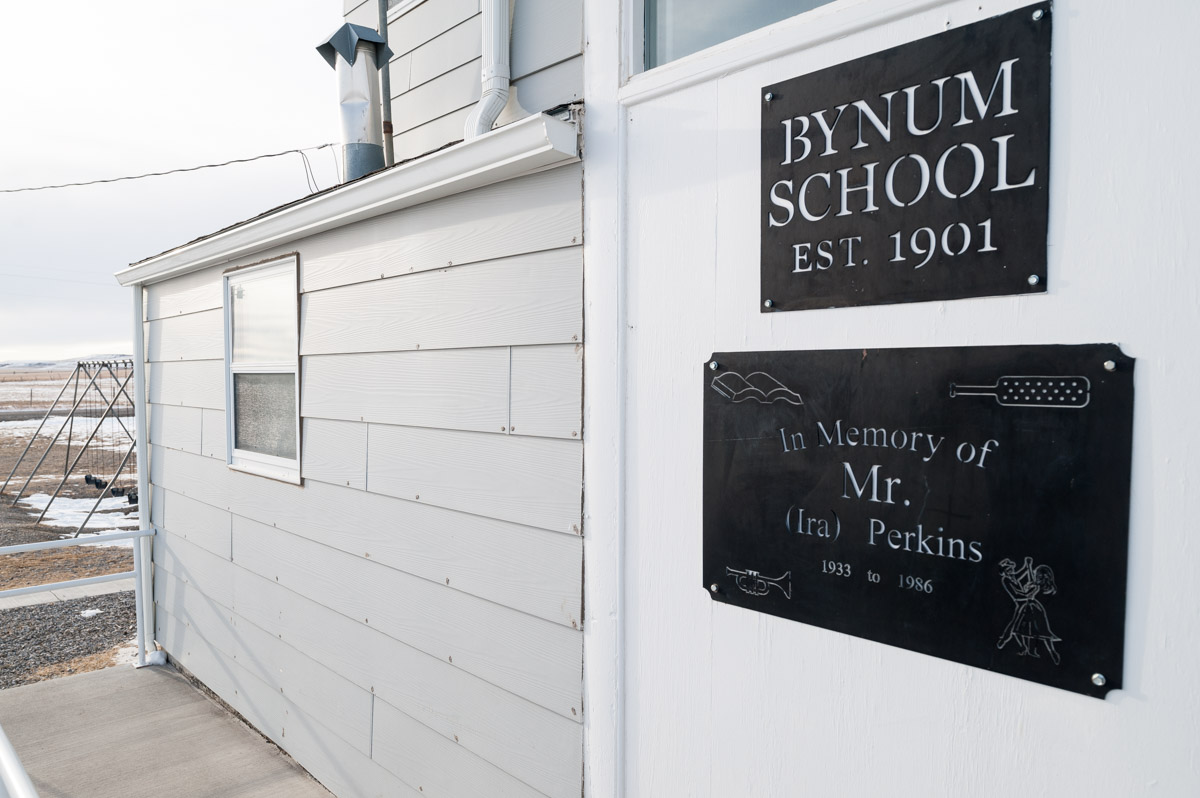
But every morning for 80 years or more, each and every one of those kids dances.

Al and I happened to visit when the school was entertaining visitors from nearby Choteau. The dancing is done in an old Methodist Church next door to the school.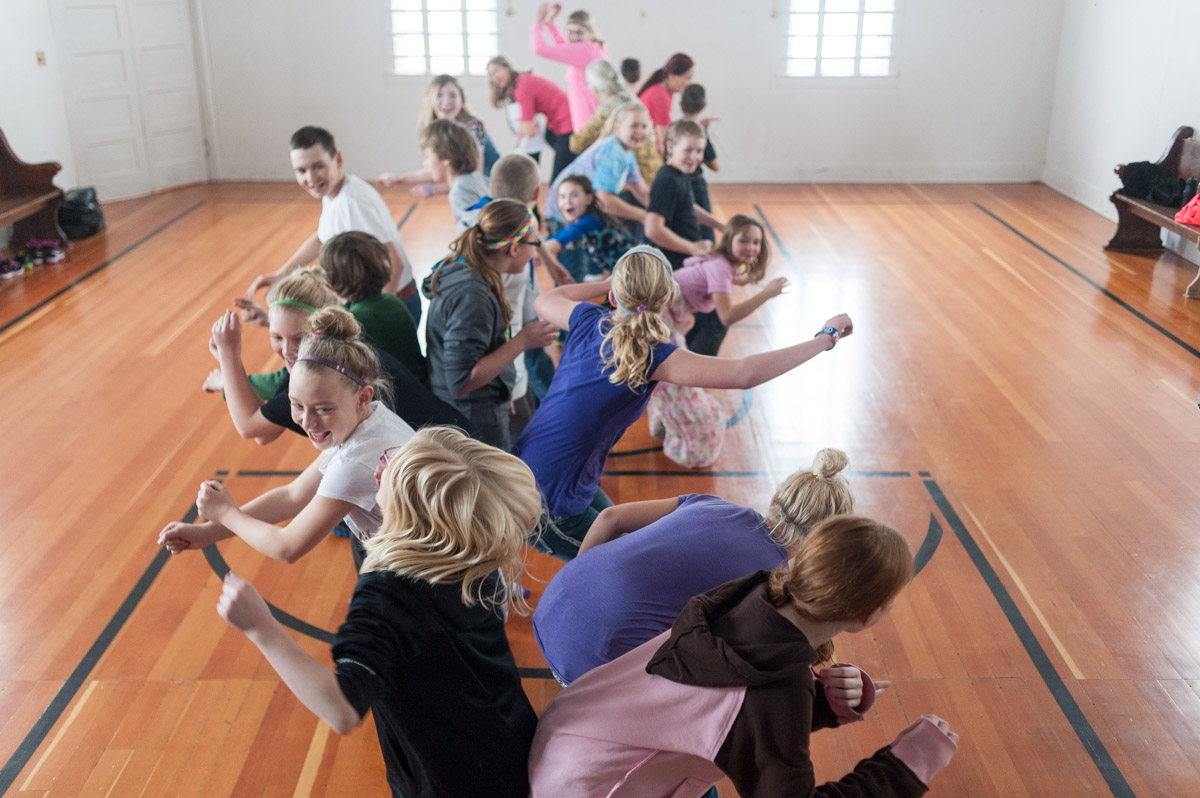
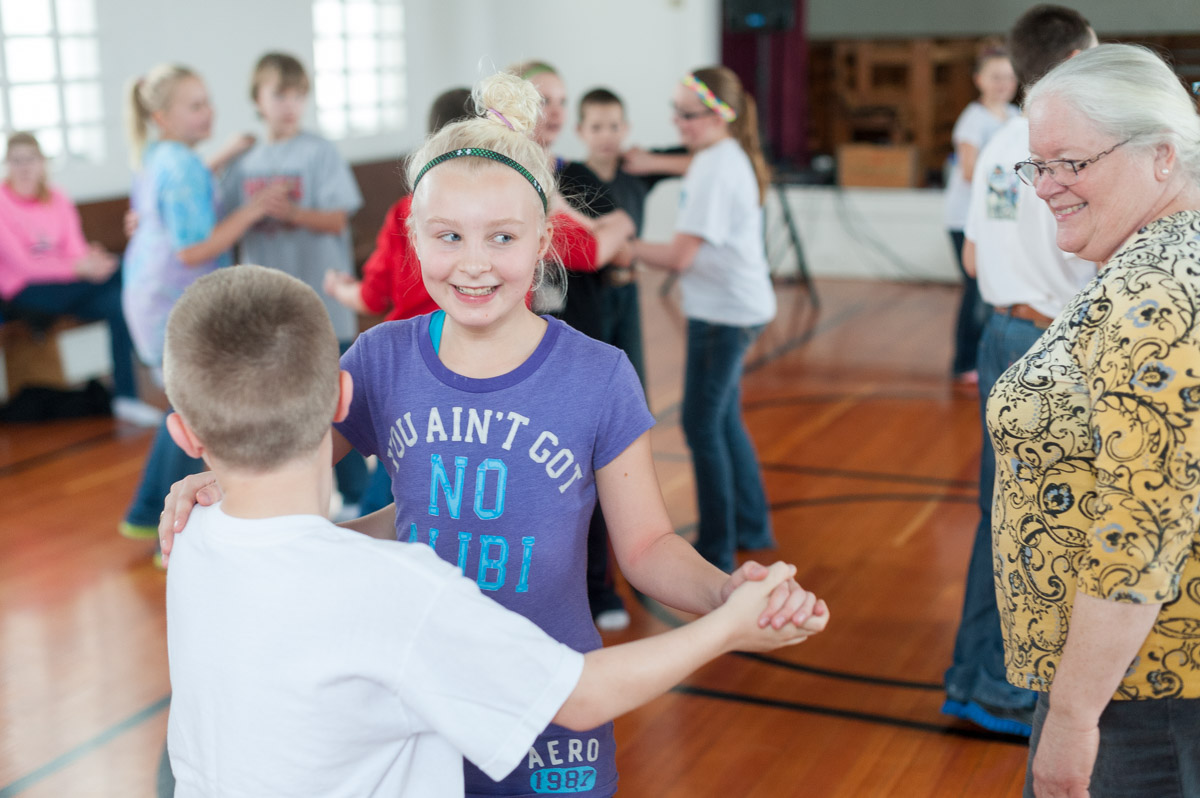

Susan Luinstra is the head teacher at the school and she’s the energy behind the dancing today. But she says the idea was hatched by her predecessor and mentor, Ira Perkins, who said that no matter what misery a child might be enduring outside of school, a half-hour of dancing would shake off all of the bad. During the Great Depression, Perkins mandated that every Bynum School student would learn to dance and to play a musical instrument or sing.
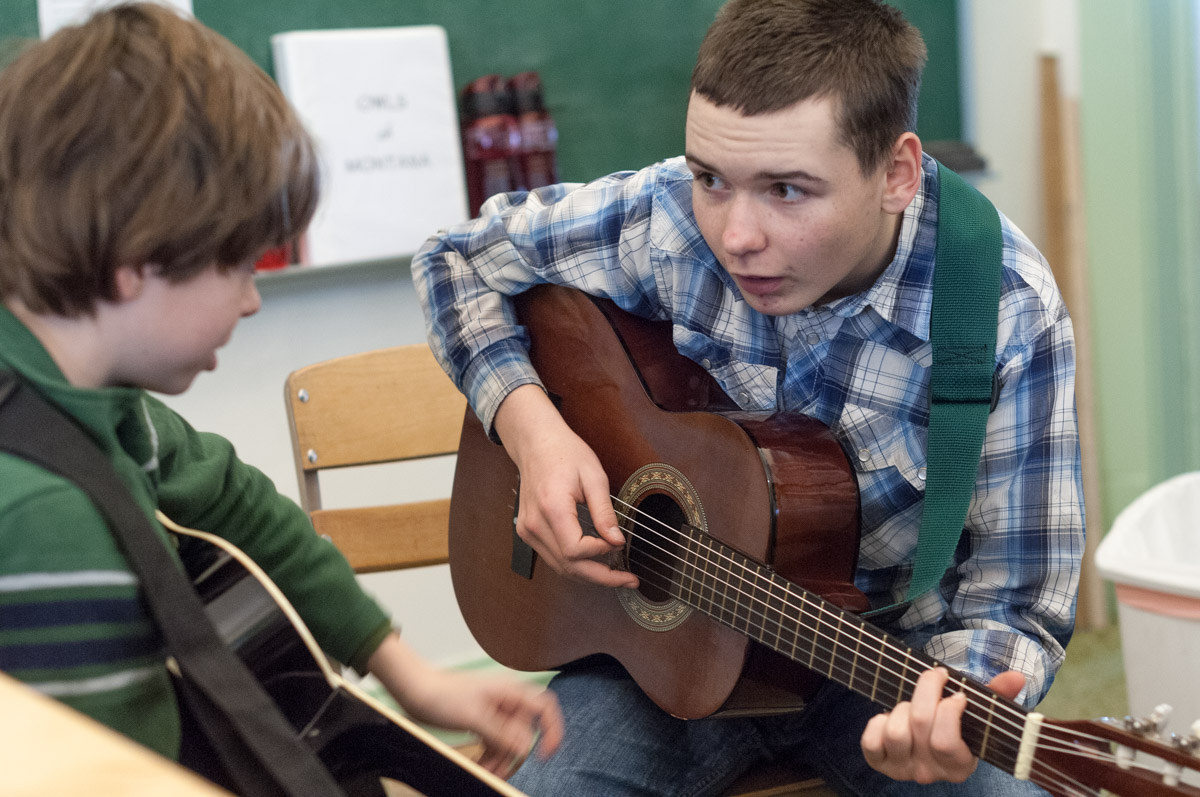
Perkins taught at the Bynum School for 50 more years before Mrs. Luinstra took over. She carried on the tradition and never changed the music. Kids dance to old 78 records from the 1930s and learn to waltz, foxtrot and polka.
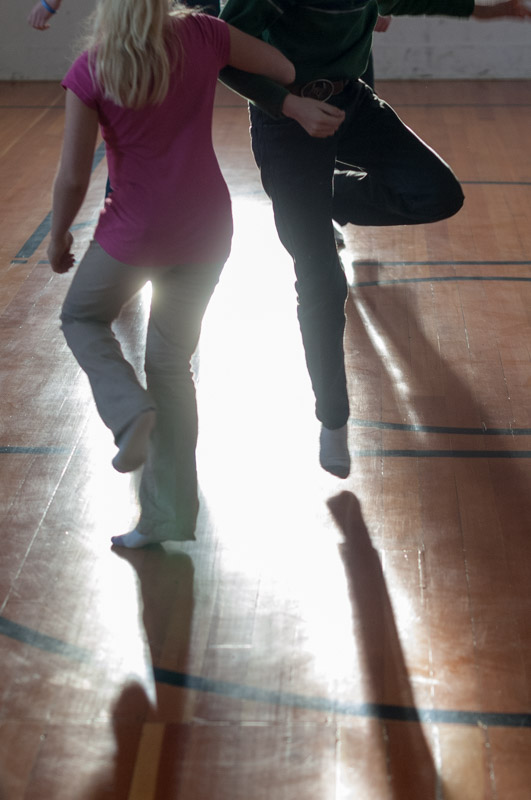
“Music and dance are the best things we do,” Mrs. Luinstra says. “I don’t have the data, but I know it in my bones. The arts bring the whole child together. Dance and music exercise different parts of the brain, make connections work better. Students are comfortable with each other here as a direct result.”

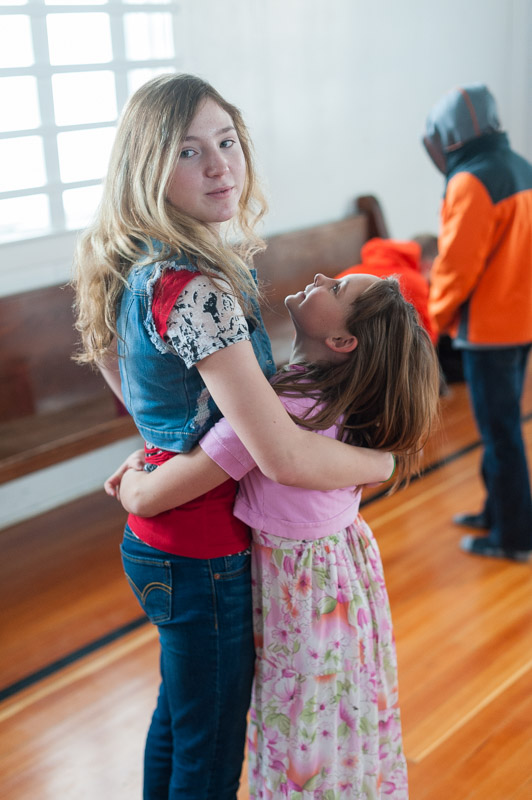
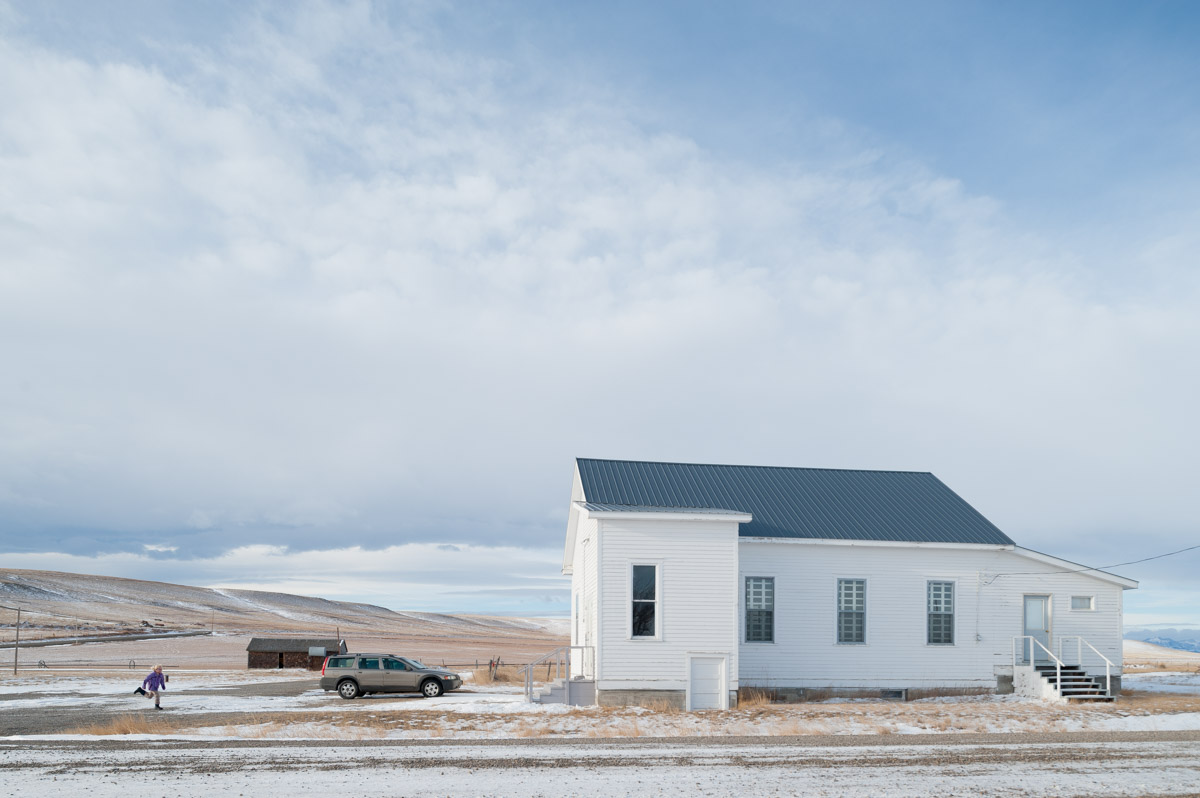
See these on my website.
#MontanaPhotojournalist #Montanaphotographer
More Favorite Things
Not too long ago, I posted some pictures of things that were rich in meaning to me, while not necessarily materially valuable. I’ve put out a call for others to share some of their favorite things (that call is still valid, contact me here). Here’s what came in:
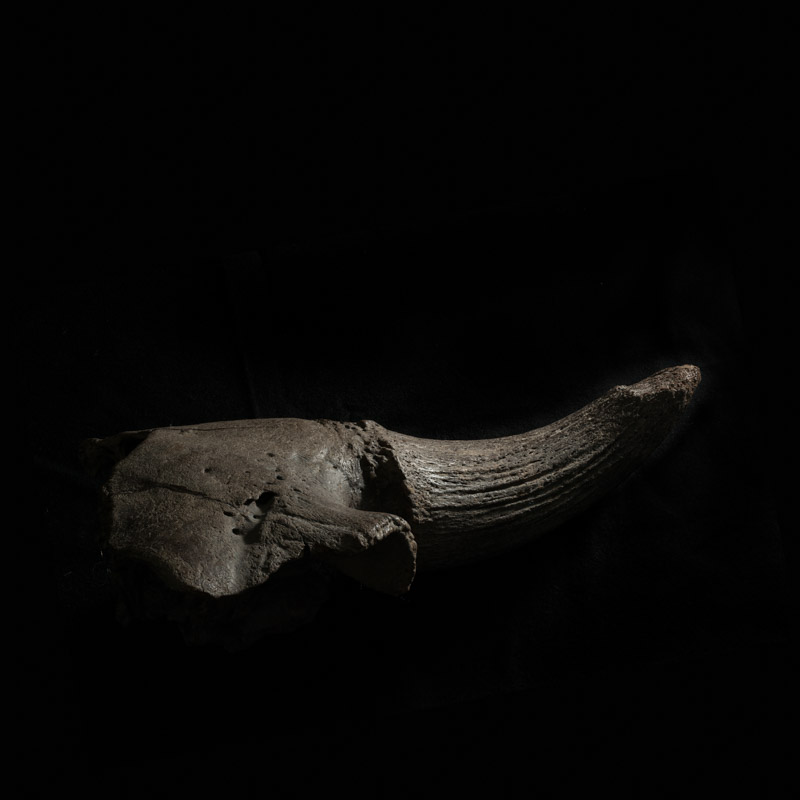
One friend shared this 25,000-year-old bison skull he found while paddling on the Porcupine River in the Yukon. He says the skull represents a window to an ancient landscape, a window on the evolution of a place, a reminder of our tiny fraction of time here on earth. Holding the skull, he says he can imagine being on that same river and seeing these spectacular creatures.

That same friend found this pipe on a family expedition to the Kazan River in extreme northeastern Canada. He says the pipe is a window on the past culture and heritage. He says it’s comforting and reassuring to know a robust people lived in that country. There were births, deaths, happiness, sadness, suffering and prosperity. They saw that same ground, listened to those same rapids. He says it takes his family out of survivor mode and into living mode.
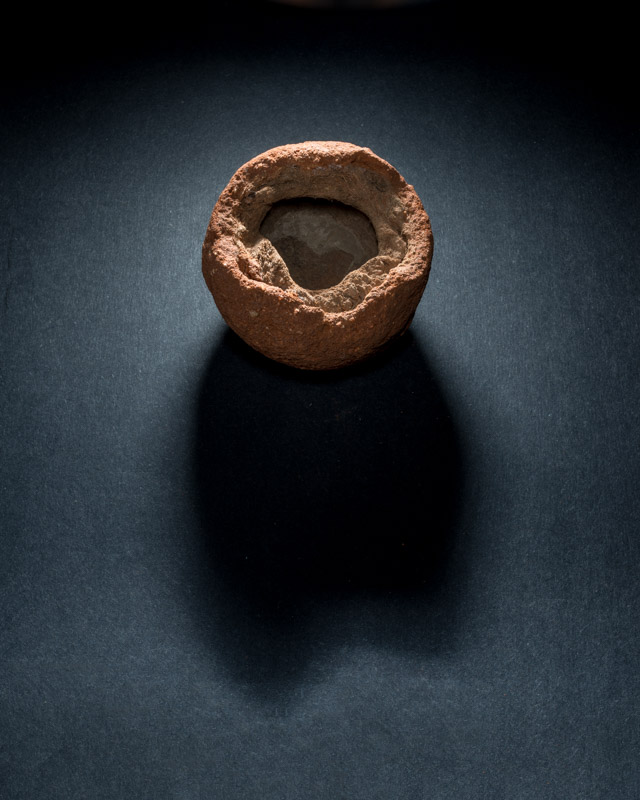
Another friend brought this dung ball back from central Tanzania in 2005. He said a dung beetle rolled up some elephant waste into a ball and laid her eggs inside. There was a brush fire that washed over the ball, burning the outside. A honey badger then came along and broke the ball open and ate the larvae. “Think about all of the ecology that had to come together for this to happen,” he says. The dung ball reminds him of the bush and is an artifact of a fleeting world — elephants in that area are dying out.

And he also shared this little basket of rocks that he found on the Ilusi River in the Tanzania bush. He says native fishermen would travel to river from far away — too far to carry weights — and then fashion baskets like this to weigh down their nets. He says the window in which these baskets are being made and used is closing all too rapidly.
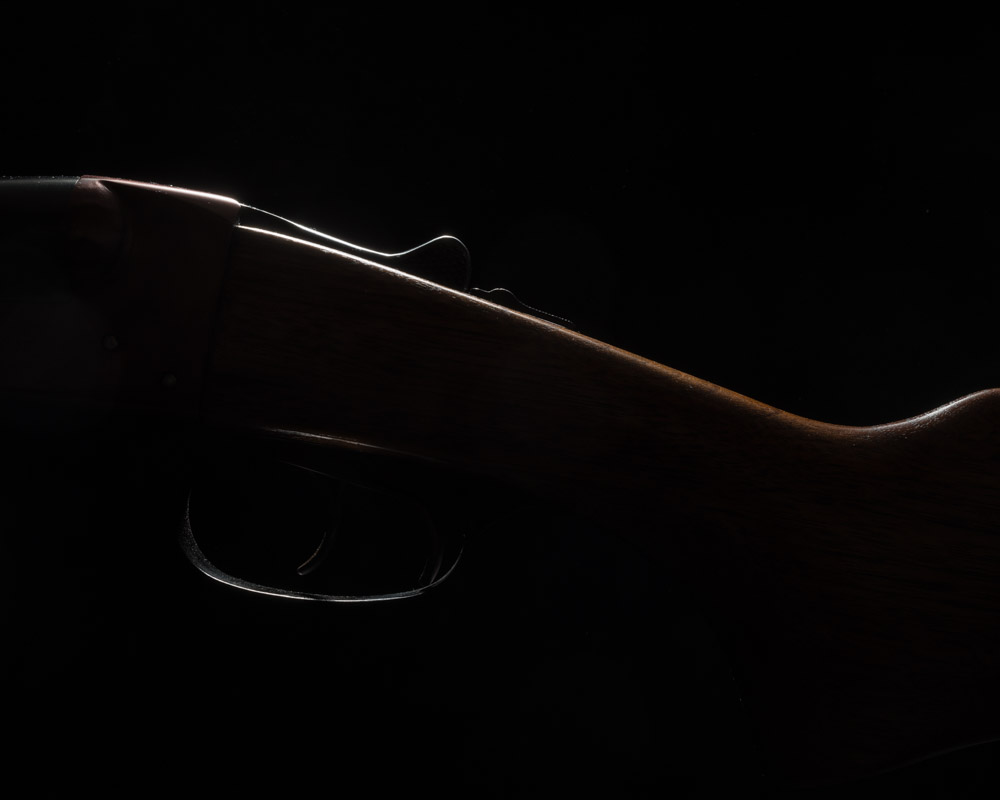
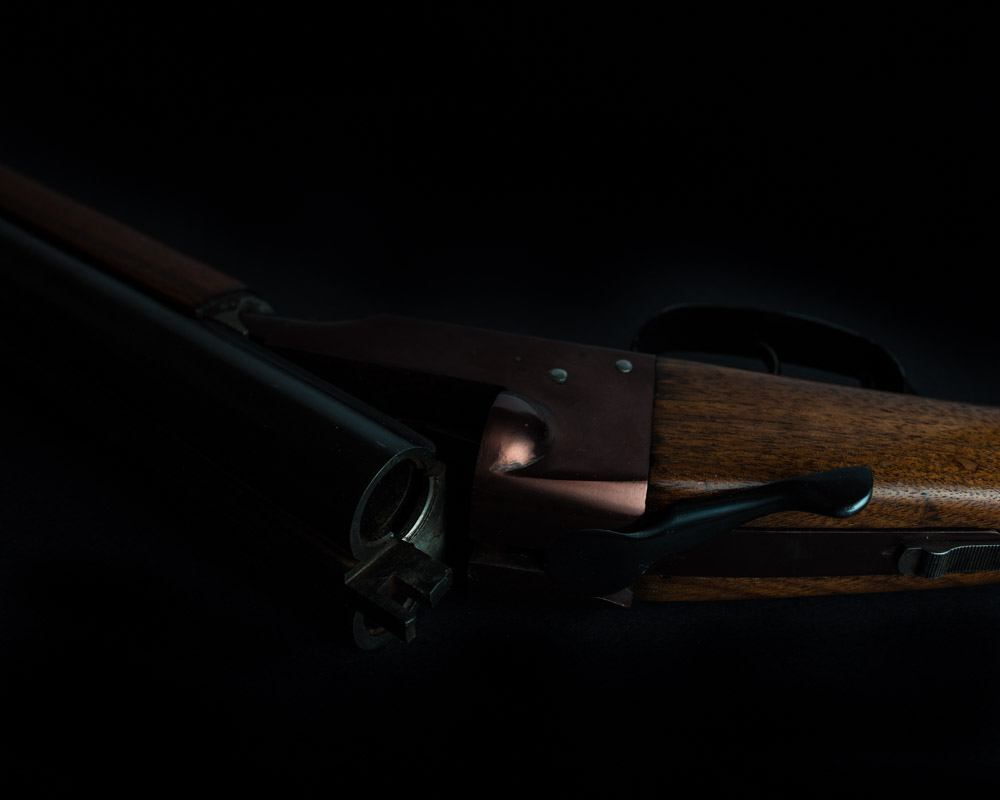
Finally, this double-barreled shotgun isn’t necessarily a fine piece of craftsmanship. It’s owner no longer uses it. But it’s still a cherished treasure. It was a gift to the owner from his now deceased grandfather — the only physical reminder he has of the special relationship they shared. It speaks to their hunting legacy, the special tie between the men of his family.
See Favorite Things on my website.
#Montana Photographer #Fine Art Photograph #Favorite Things.
Montana Governor Tim Babcock photographs

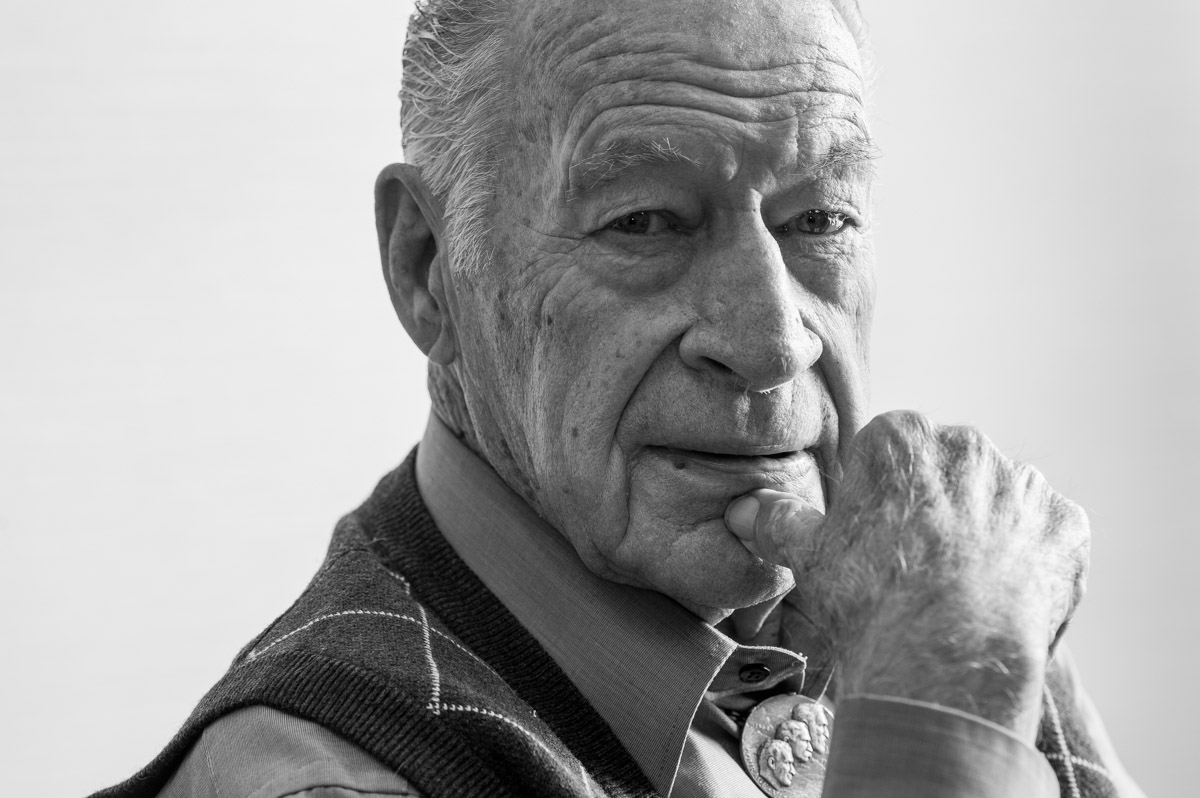
I just read that former Montana Gov. Tim Babcock has died.
Gov. Babcock was kind enough to spend some time with me three years ago during a personal project I was doing called, “Wisdom.” Gov. Babcock shares his views about 45 seconds into the three-minute video. A full three minutes of the governor’s views can be found here.
Our politics differ, but I found the governor a fair man, gracious and wise. I feel privileged to have spent time with him.
montana photographs about Tim Cahill’s Near-Death Experience

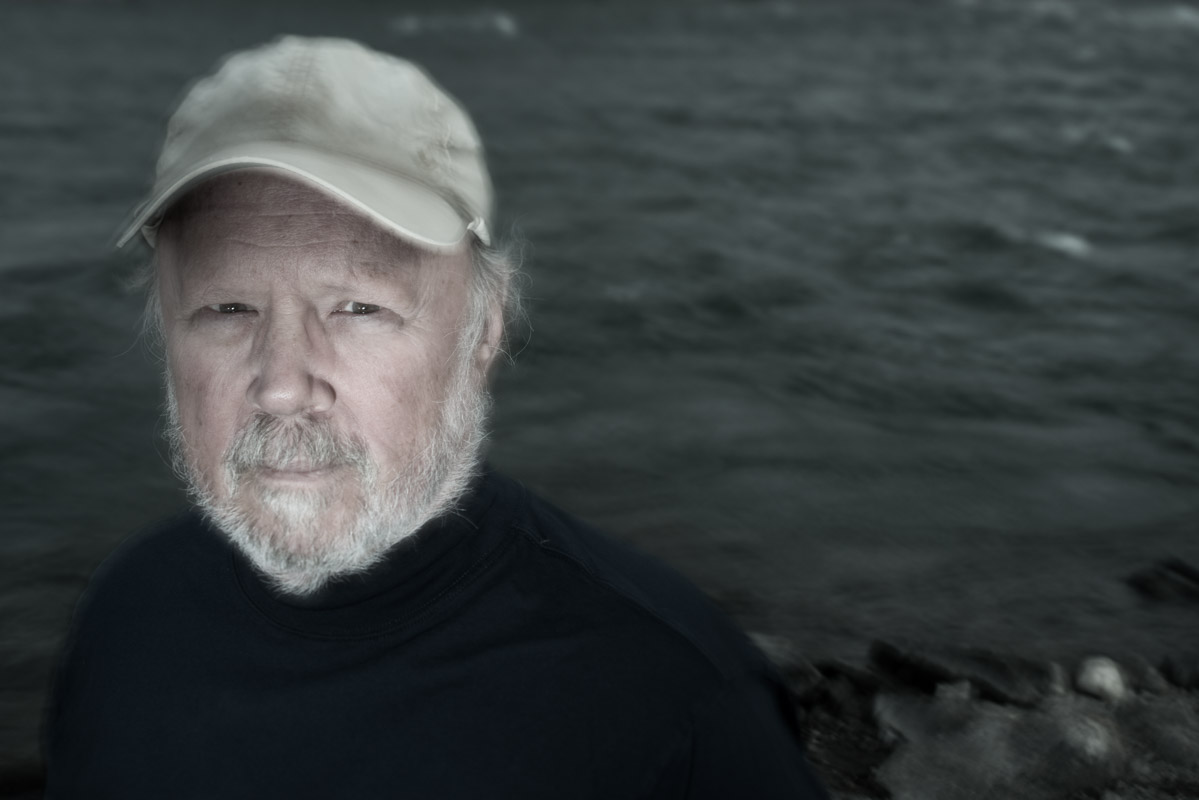
I remember laughing so hard I cried when I used to read Tim Cahill’s magazine articles as a teenager. He has a way of writing about extreme situations that makes them seem so human. He makes it easy to relate to an adventure the reader may have never even dreamt of.
That continues in the current issue of Montana Quarterly. Tim writes about his own death during a rafting trip down the Grand Canyon. There are no epiphanies, no lights, no choirs. Only an honest account of a real experience of what may be the greatest adventure of all.
I won’t spoil it beyond what I’ve already said. Pick up a copy of the spring issue of Montana Quarterly. There are other great stories inside, but this one alone is worth the cover price.
#MontanaPhotographer #TimCahill #NearDeath
Bigger pictures here.
Montana Editorial Photographs on Guns
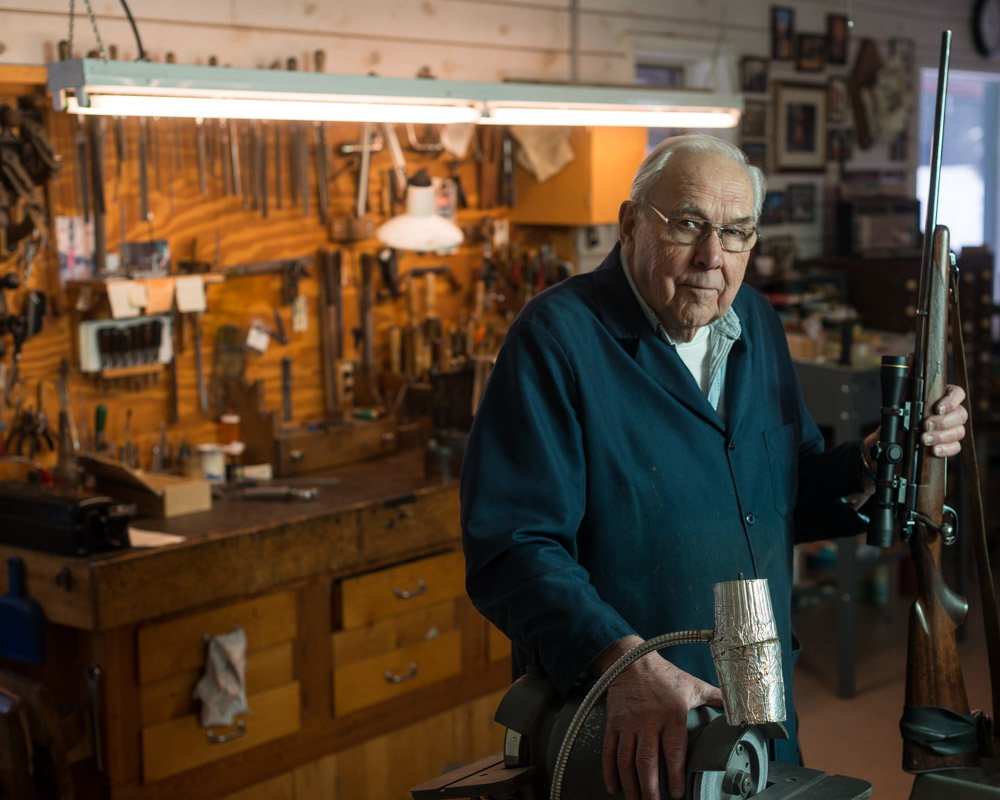
“I don’t do anything half-assed,” gun maker Jerry Fisher, above, tells us in his shop outside Bigfork, Montana. Fisher is one of the more celebrated gun makers in the country. He has made custom rifles for 60 years.
Guns are a big thread in the weave of Montana’s history. When Lewis and Clark first set foot into what is now Montana, their guns were essential — perhaps the most important piece of gear they brought. And those that followed in their paths needed guns just as badly. Many of them brought Sharps rifles, renowned for their accuracy.
Guns are still big in Montana. And in addition to Jerry Fisher’s one-man operation in Bigfork, the C. Sharps Arms Co. in Big Timber still makes those famous rifles from the 19th century.
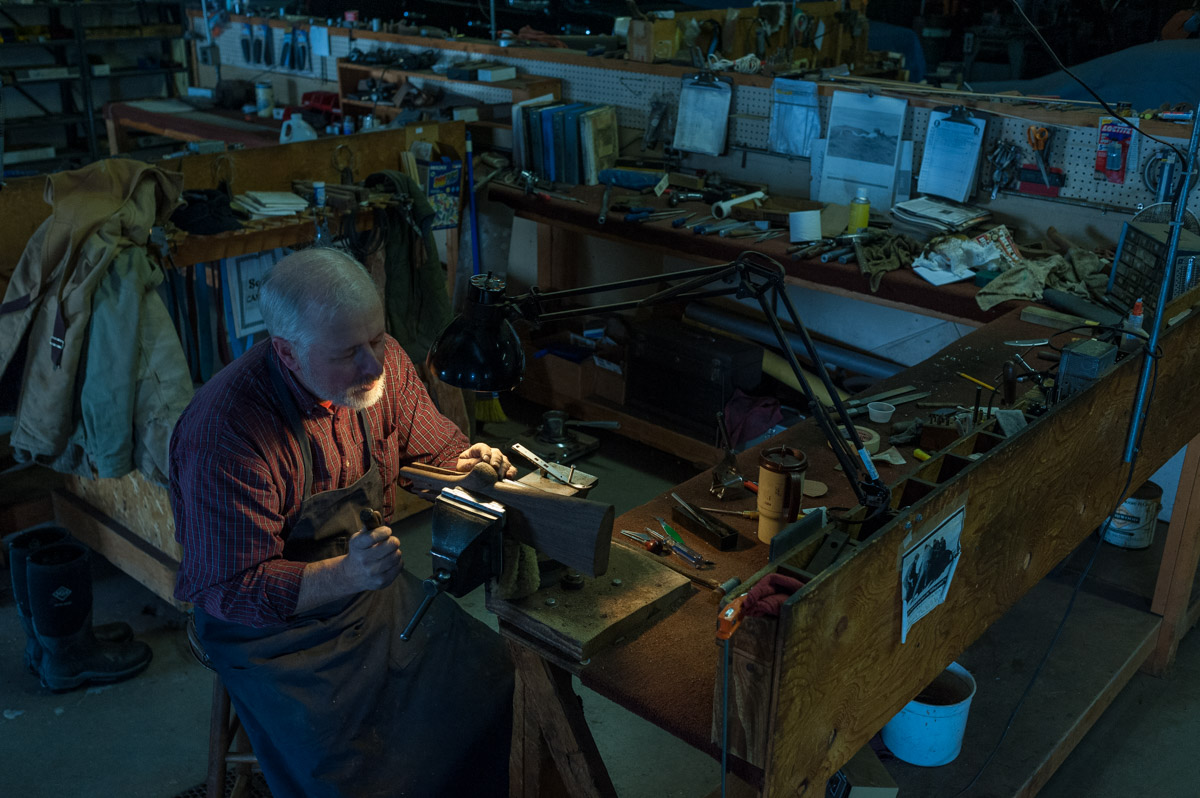
Don Franklin works for C. Sharps, precisely fitting metal receivers into walnut stocks. Sharps owner John Schoffstall says the exceptional fit and meticulous craftsmanship that goes into each gun is why Sharps rifles are so renowned.

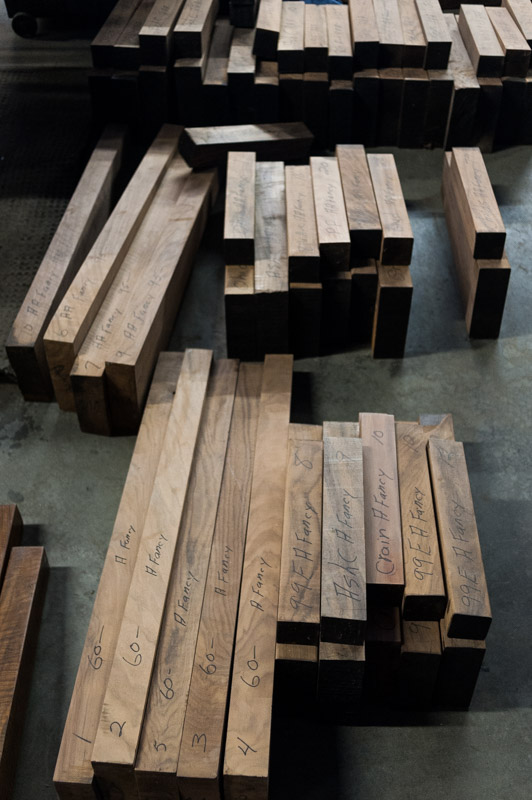
Quality materials are another reason. These blanks of solid walnut, used for rifle stocks, can run thousands of dollars.
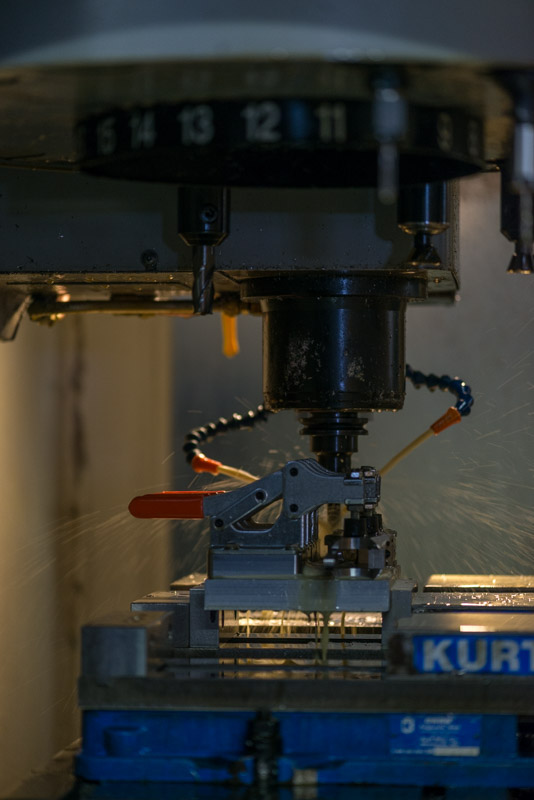
The Sharps factory uses computer-driven cutters to precisely machine metal parts for its rifles.
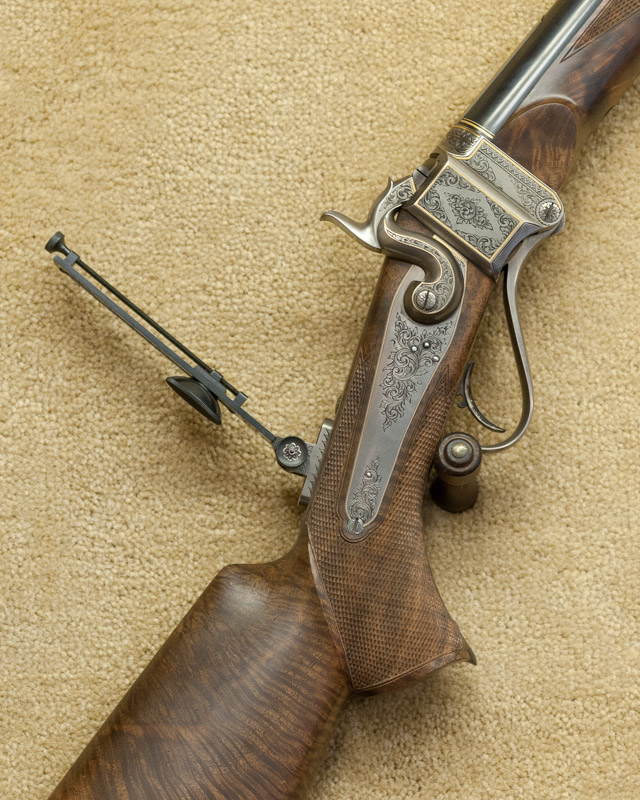
Once finished, Sharps rifles like this one can fetch tens of thousands of dollars.

Still, owner John Schoffstall says his company is a labor of love more than a business. “I took a perfectly good hobby and ruined it,” he says.
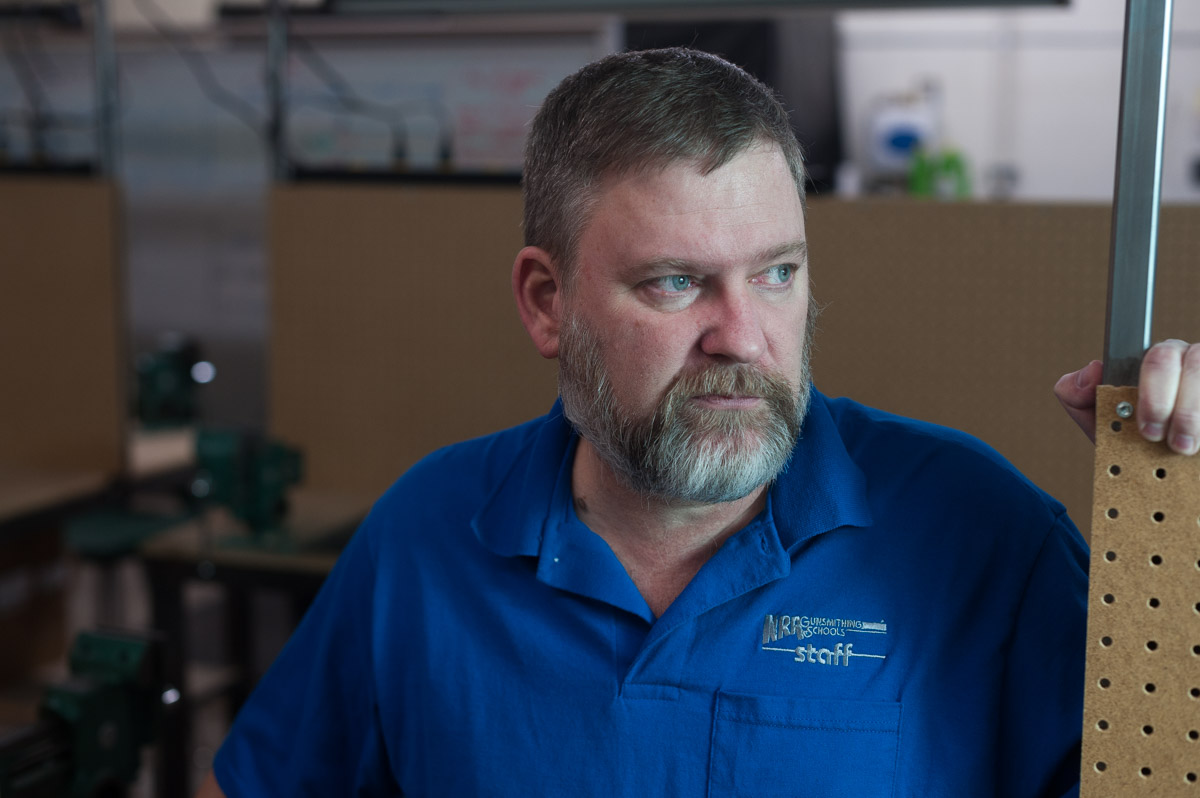
The gun business in Montana is going well enough that Fred Zeglin, above, has a gun smithing and repair curriculum up and running at Flathead Valley Community College in Kalispell.
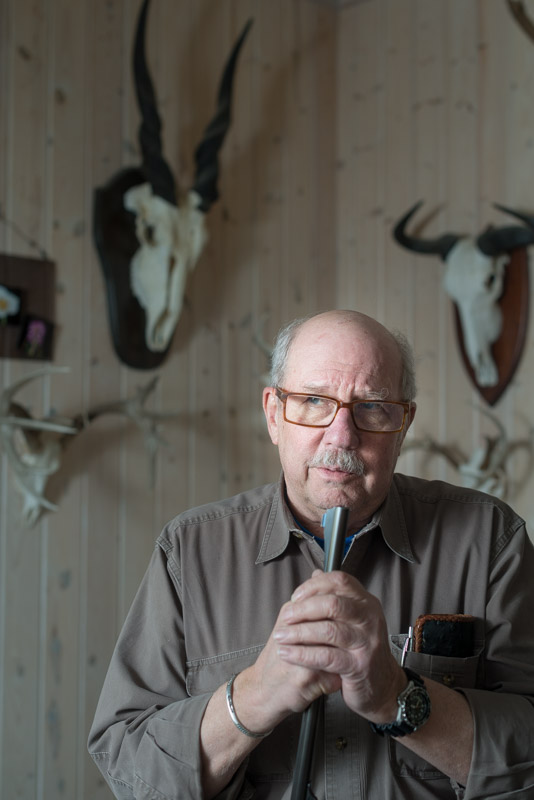
“Most of the gun trade in Montana these days is either for sport or collectors,” says Tim Crawford in Bozeman. Crawford says assault weapons aren’t what is being made here.

Crawford holds the rifle made for him by Jerry Fisher.
More here.
#MontanaPhotographer #Guns #GunSmith #GunCollecting #Rifle
Montana Artist Floyd DeWitt
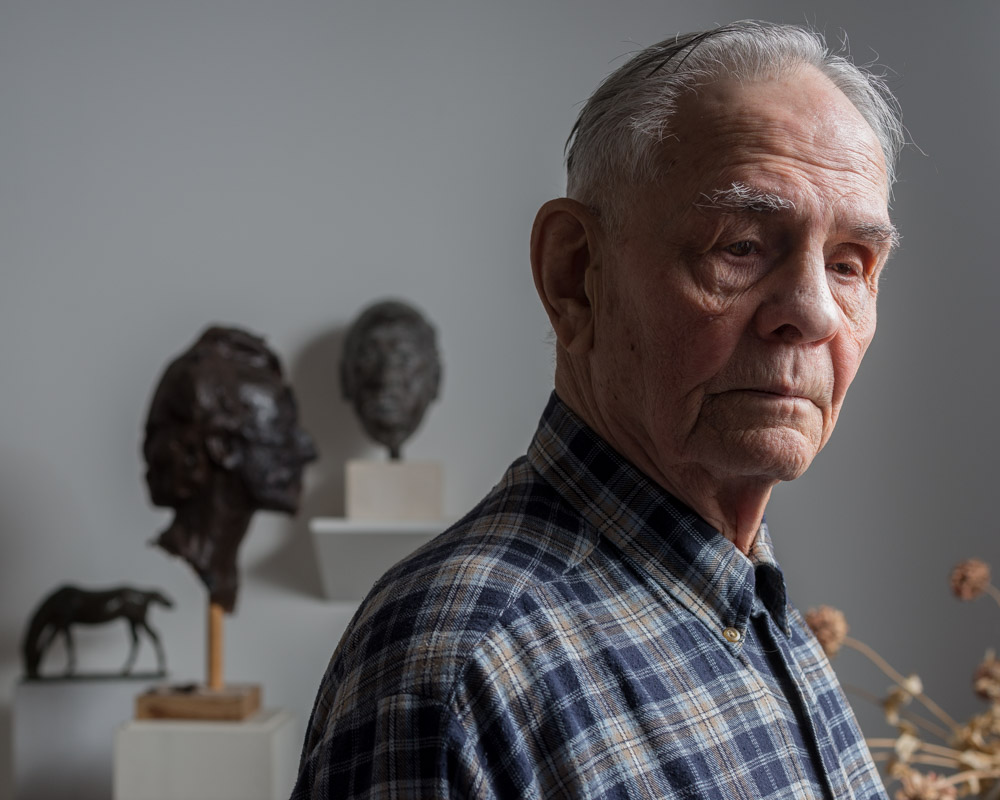
Floyd DeWitt is not only a fantastic artist, he’s my friend. So I was very pleased when Montana Quarterly called to let me know that Al Kesselheim and I were assigned to profile Floyd for the spring issue.
Floyd has taken me under his wing the last couple of years, trying to get through my thick skull some of the important things about creating great art. I can’t say I’m a good student, but I’m at least diligent so I absorb everything I can from him. He talks to me about how his art is a humble eulogy, an expression of gratitude. About how just representing things accurately is not enough, about blending abstraction and reality to create a wonderful metaphor. And his art is just that.
I’m privileged to know him.

Floyd does a lot of thinking — about the world, about society, about people. I think his insights help him to create.
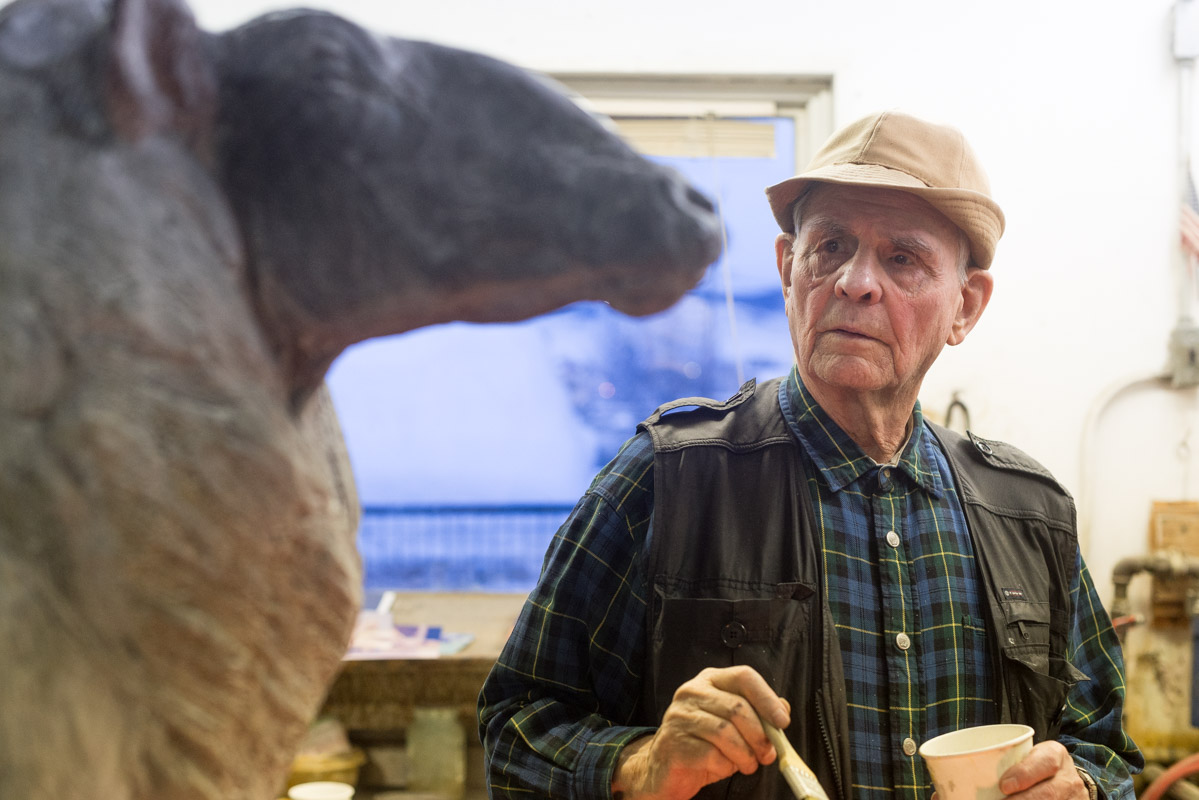
I can see the reverence Floyd has for this piece, Mother of the Ram. Floyd was applying a patina to the casting, a final step before the sculpture headed to Florida for a prestigious art show.
The piece is not a representation of a ewe. To look at it is to see the love of a mother for her son, the defiance of all logic in order to protect that which she holds dear.

Bigger pictures here.
Favorite Things
Do you have things in your homes that you keep more for the memories or emotions they evoke than for their material value? Do you ever hold them in your hand, stare at them, and start to see them as new shapes, new lines, new images? Do you think that’s what the feelings look like?

This is the first professional camera I ever bought. I’ve owned many others and most of them have left my possession for one reason or another, but I just can’t part with this one. It’s the embodiment of a journey for me, the root of a very important beginning.
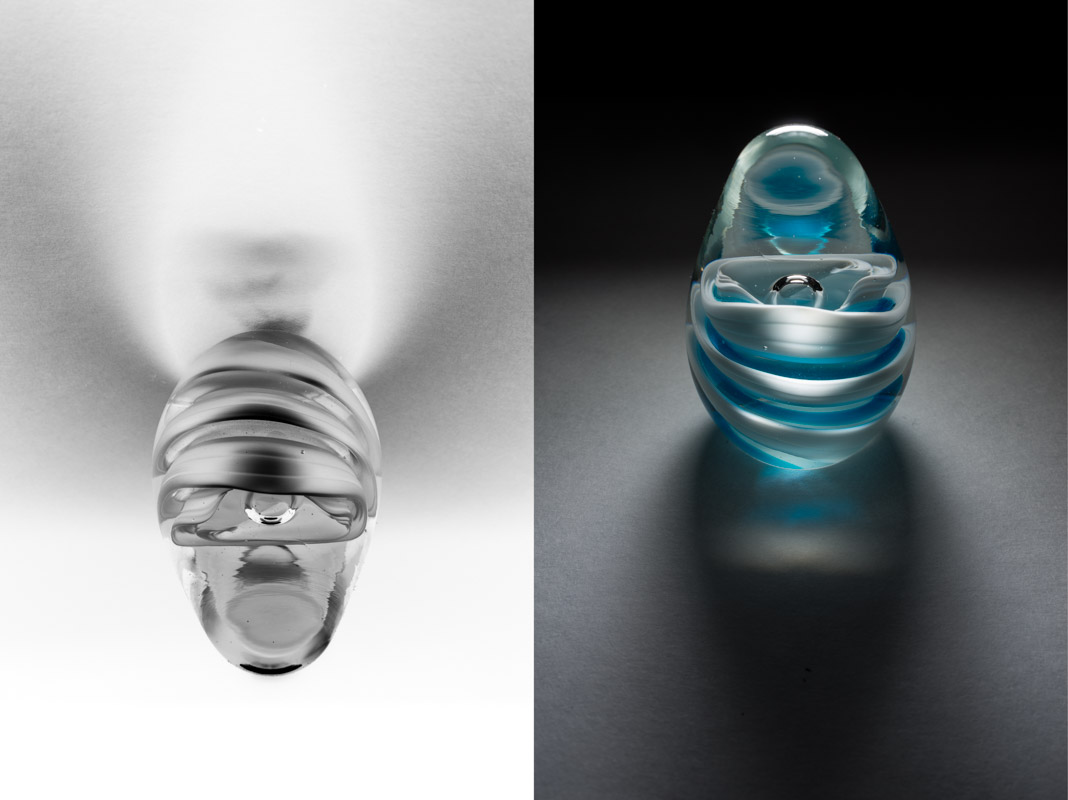
My sister teaches middle school. I’m really proud of that. A co-worker of hers makes these delightful glass sculptures and my sister gave us this one, which I think is lovely — like her.
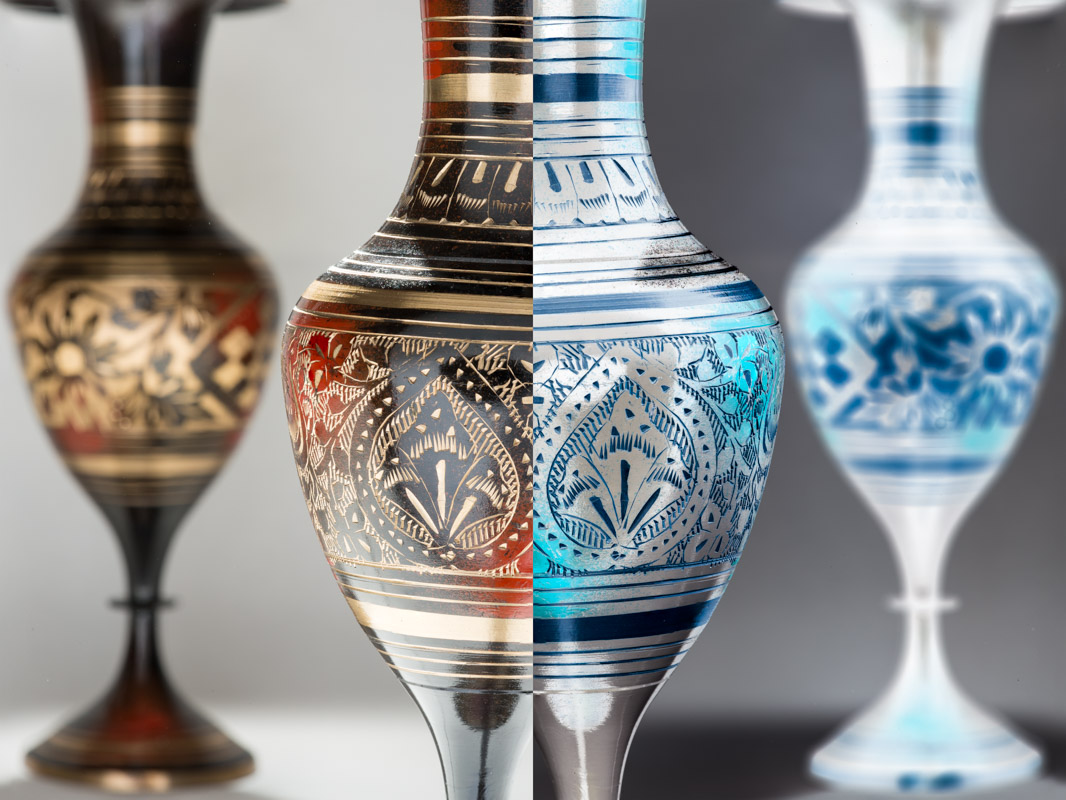
These vases were a recent gift of a my godmother, a very dear, lifetime friend. They are from India and like my godmother, exotic and worldly. They remind me of her unconditional love and her belief in the best.

I bought this pitcher for my wife many years ago as a Christmas present. Every holiday dinner we’ve served thereafter, she has filled it with her extra-special, secret recipe (there really isn’t a recipe) gravy. Talk about a gift that keeps giving.
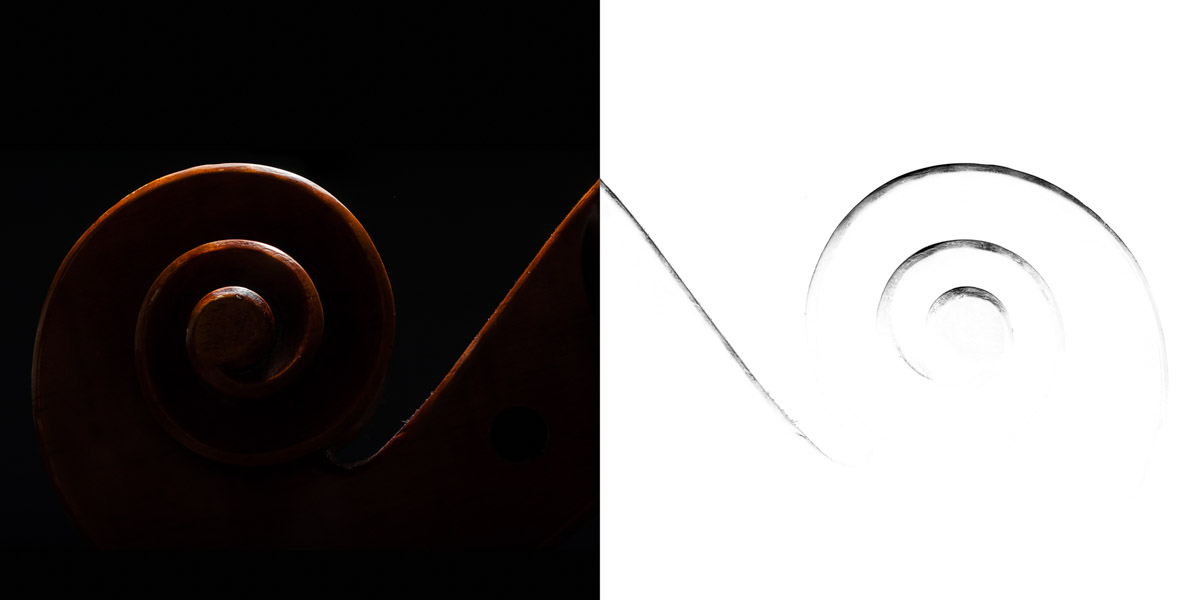
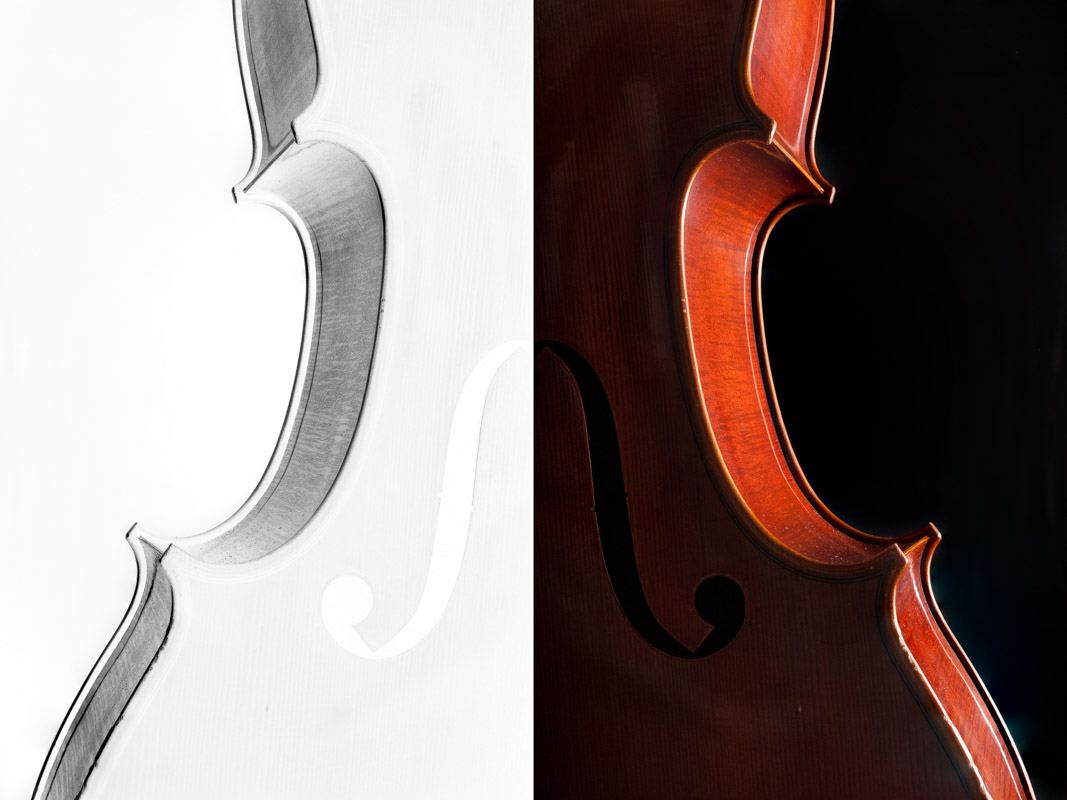
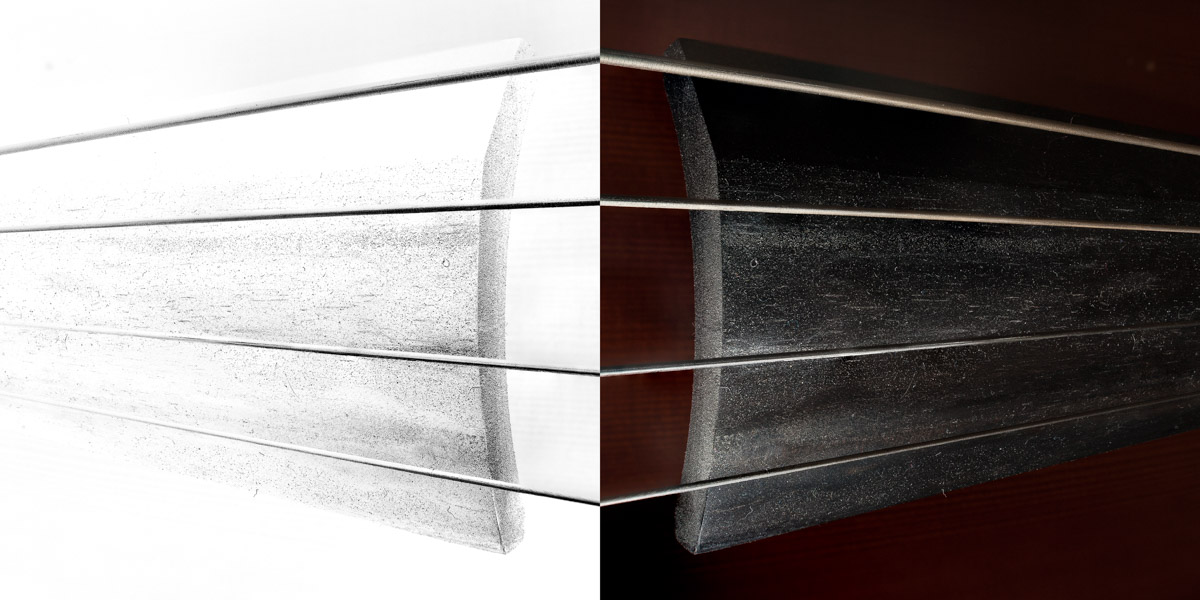
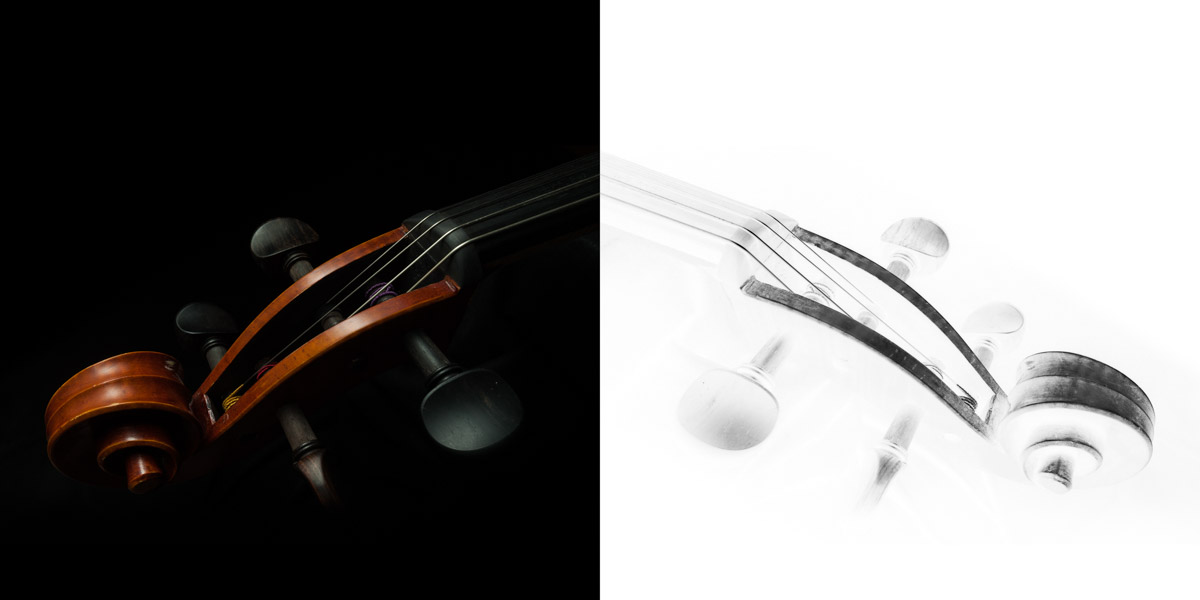
Most mornings, my wife and I are treated to a short cello concert given by our daughter.

At times my best friend, at times my worst enemy. At times my constant companion, at times a distant memory. I’ve owned this trumpet for three quarters of my lifetime.
I want to photograph your favorite things. If you live in Bozeman and you have something with a story behind it I should know, please send me an email.
See these images big here.
#MontanaPhotographer, #FavoriteThings, #ProductPhotography, #StillLife
Montana Rural Photography Betty Potter in Clearwater Junction
Al Kesselheim and I recently completed a project for the Montana Department of Natural Resource Conservation. We profiled water users in the different watersheds of Montana for the department’s report to the Montana legislature.
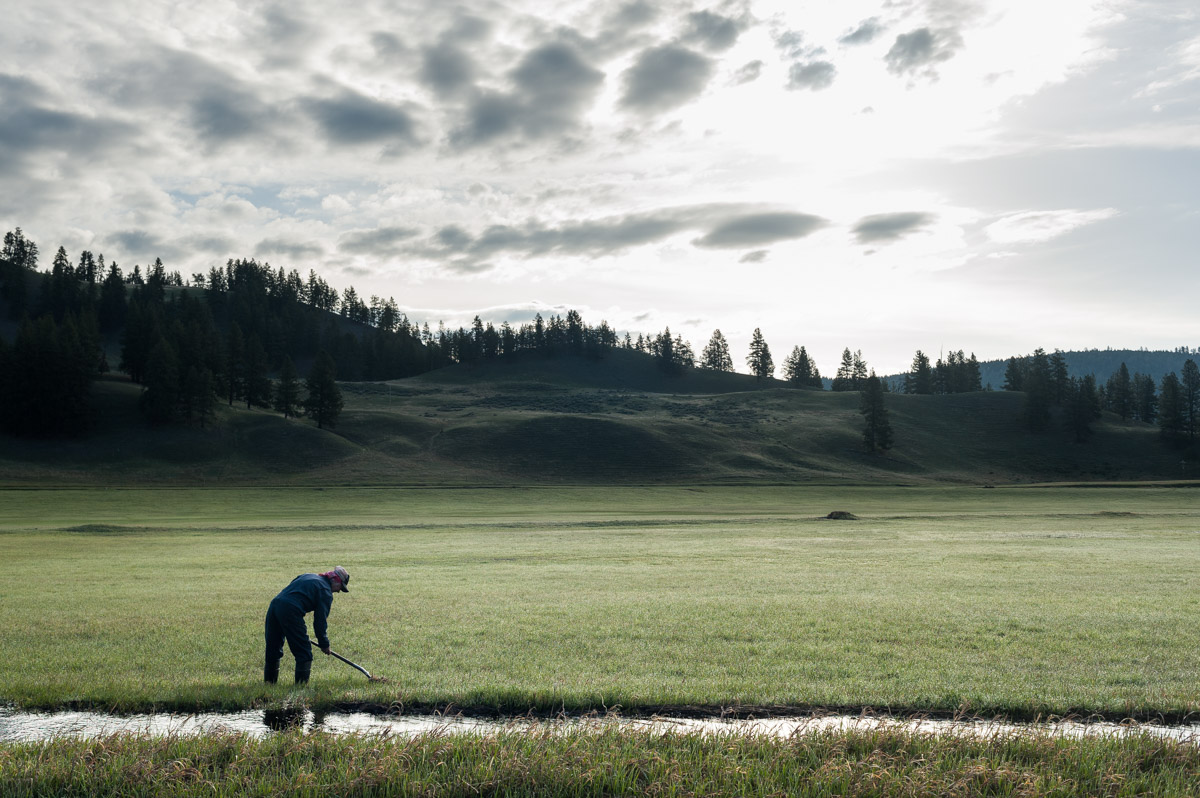
This is Betty Potter, 72, who arrived at a ranch in Clearwater Junction, Montana, in 1962, planning to stay two weeks. More than 50 years later, she was cleaning hay and horse manure from the irrigation ditch that waters her hay fields — still at that same ranch.
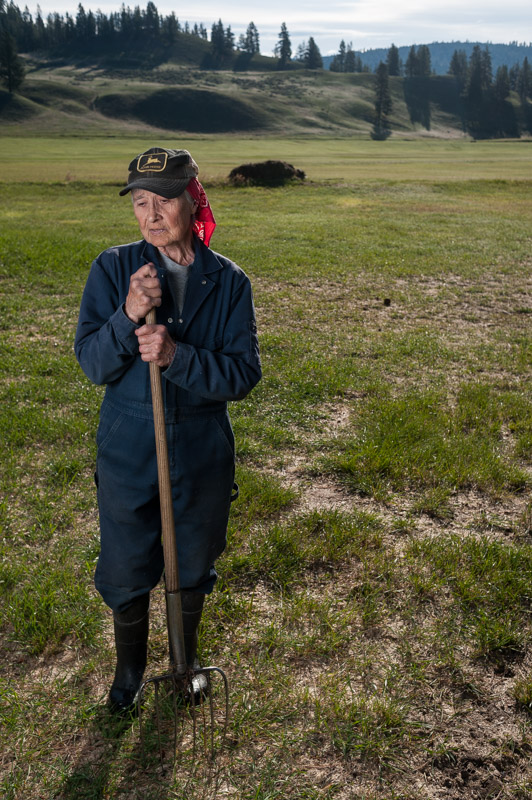
During the summers, Betty Potter rotates water through her hay fields, keeping ditches free of debris. She cuts the hay too. She logs beetle-kill timber during the winters.
“I’m not much of an inside person,” she says. “I like to work.”
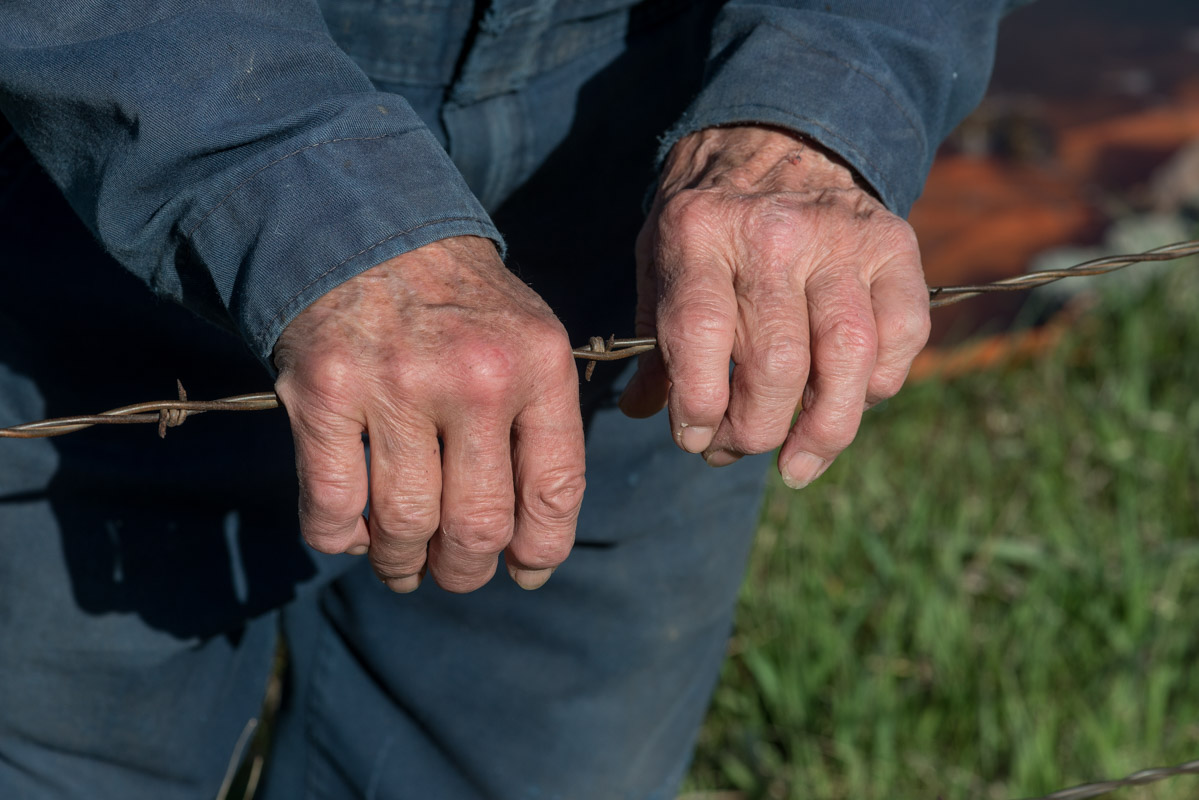
“I’ve got a bad back, a bad knee, sore shoulder. I take a lot of Ibuprofen,” Betty Potter says.
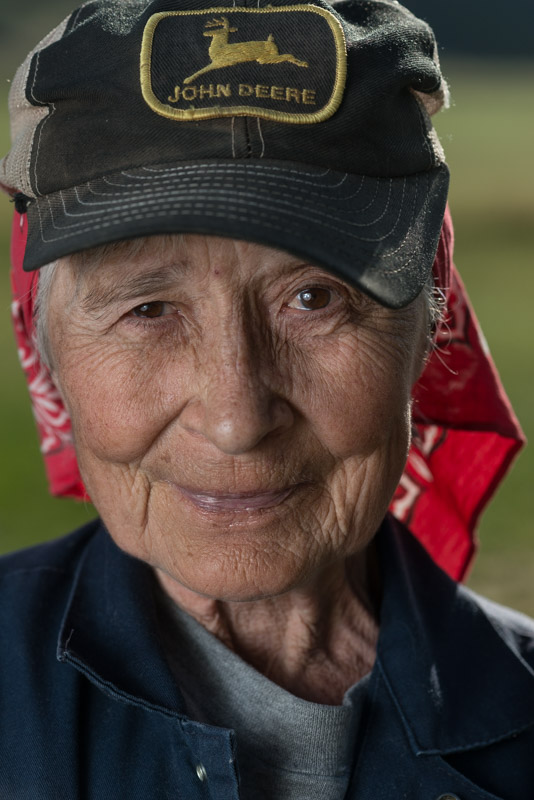
“When it’s all said and done,” reads the inscription on her husband’s head stone, “we are only caretakers of the land.”
“That’s what I’m trying to do,” Potter says. “It’s not a way to get rich. It’s a way of life, and I wouldn’t trade that for anything.”
Bigger images on my website.
#MontanaPhotojournalist #MontanaDocumentaryPhotographer #RuralPhotographer #Farming #Ranching #WomenRanchers #WomenFarmers
Roundup, Montana, editorial work for Montana Quarterly
It was a treat to be assigned to do a profile of Roundup, Montana, with writer Jennifer Groneberg for Montana Quarterly magazine’s winter issue. Jennifer lives with her husband, Tom, and their three boys on a ranch outside Roundup so she has a unique perspective on the community.
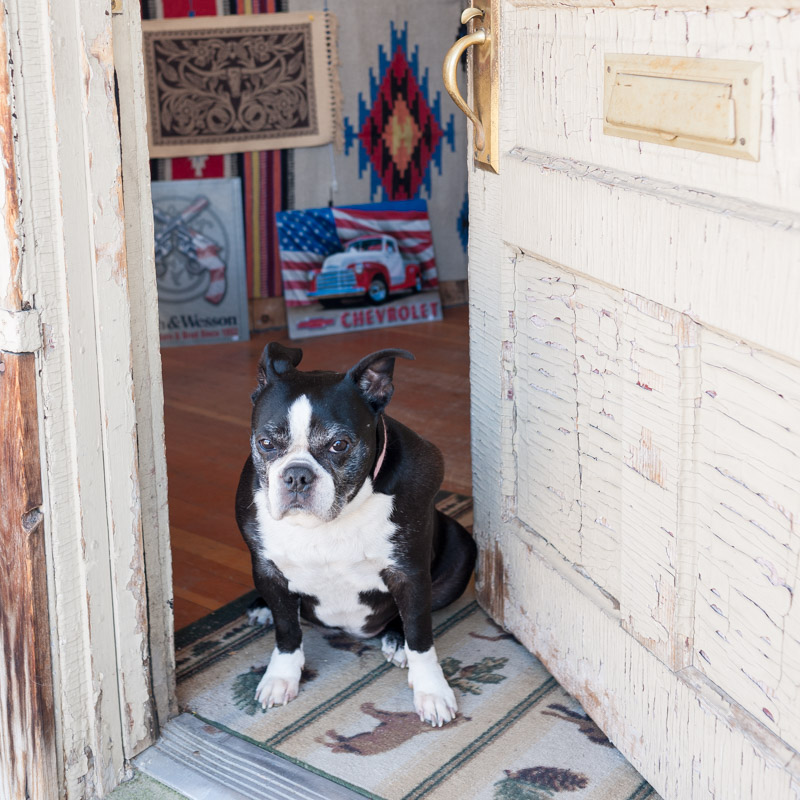
And community describes Roundup pretty well. This is Dottie, who greets visitors to Carla Gosman’s Bull Mountain Trading Company in downtown Roundup.
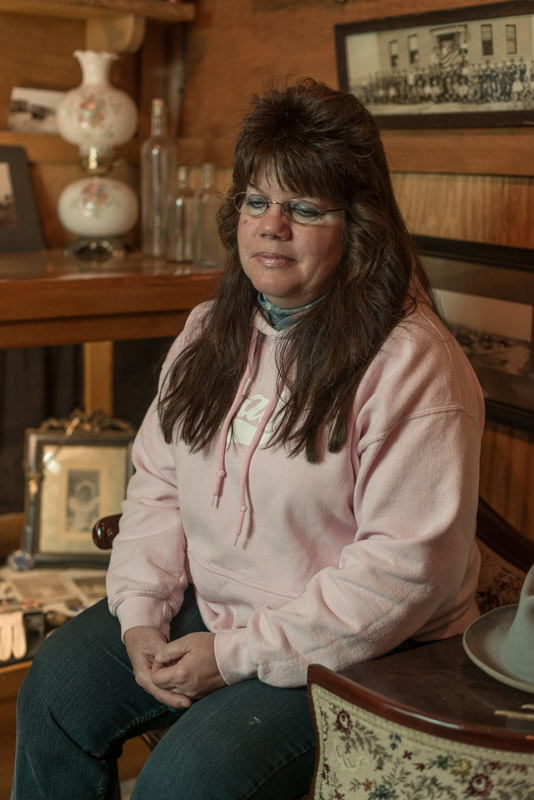
Carla has been on both the giving and receiving ends of Roundup’s community spirit. Her store sells gifts and also has a museum in the back.
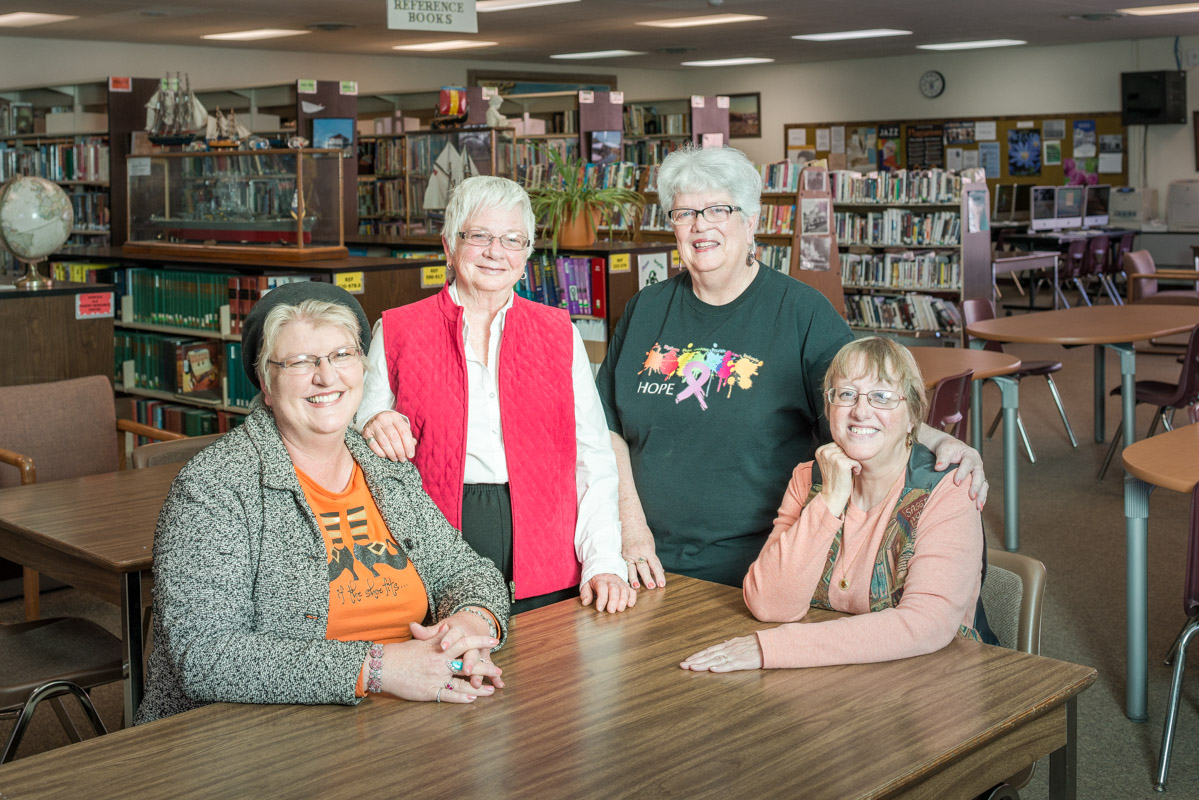
And the Friends of the Library are central to Jennifer’s community. Rose Emily Blum, left, says, “Most people think of community as the people you run into when you go to town. Ranching expands that definition of community. It’s who you worry about when there’s a flood or a fire. It’s who you call to check up on.”
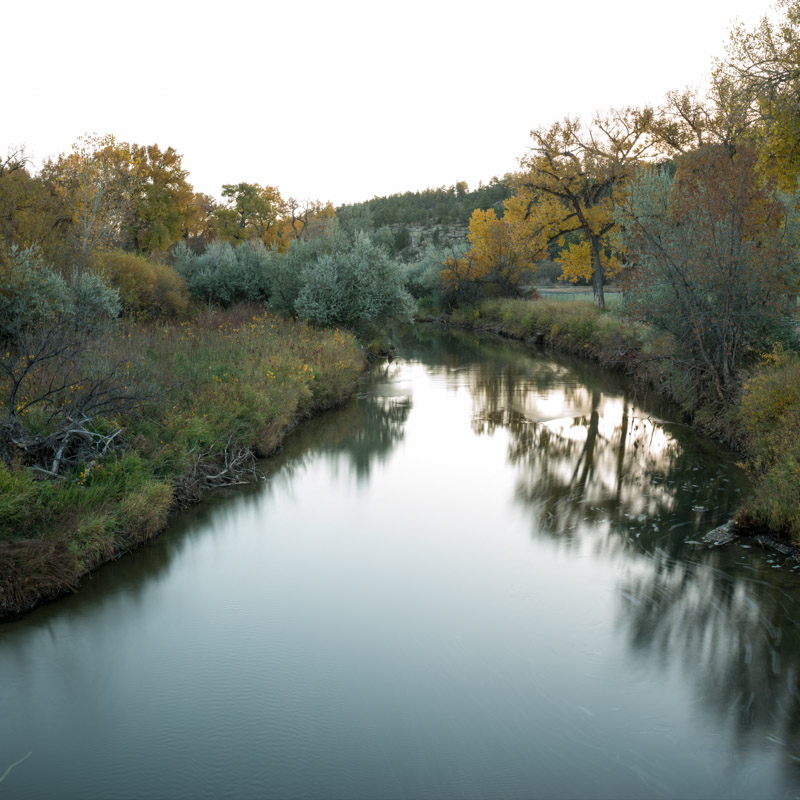
“The river shapes Roundup,” Blum says of the Musselshell. And the river is a bittersweet neighbor. It flooded in 2011 and again in 2014, submerging crops, businesses and houses, causing more than $10 million in damages in 2011 alone.
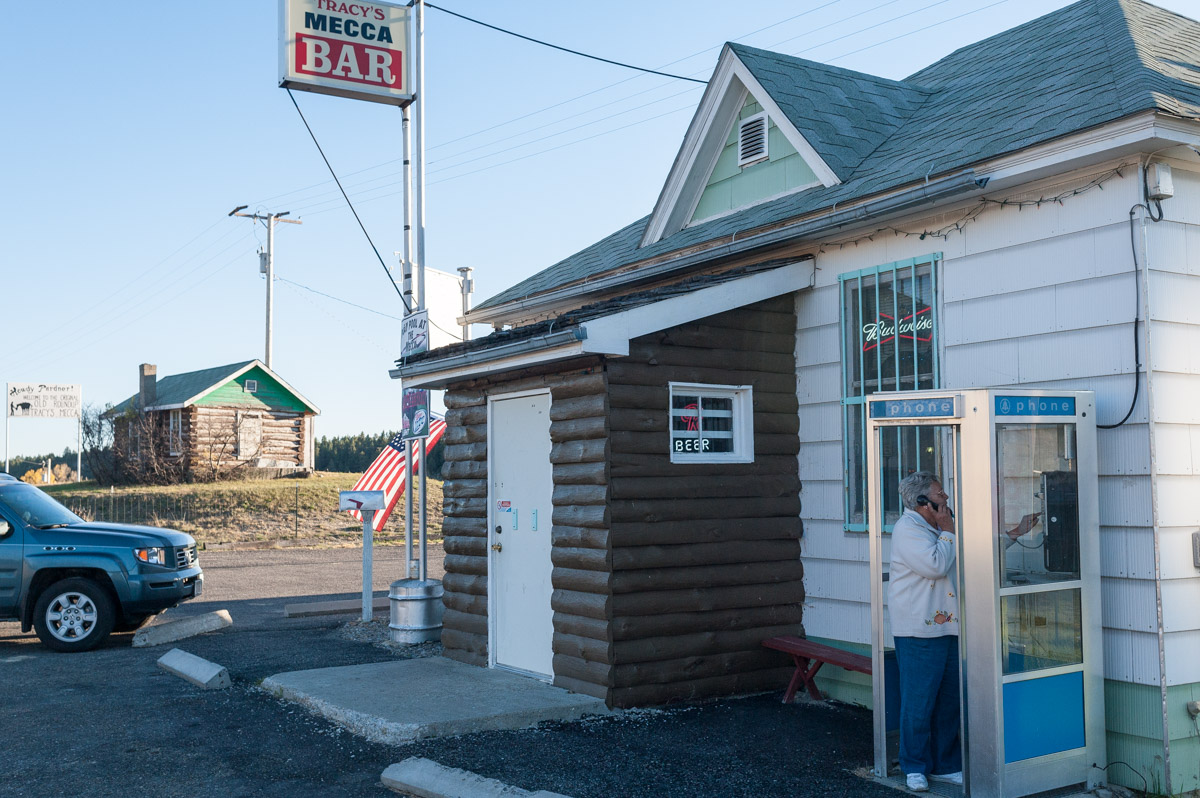
The town was originally founded on the spot Tracy’s Mecca Bar and it’s working phone booth now occupy, at the confluence of Half-breed Creek and the Musselshell. Nan Witzel says her mother-in-law, Terry Witzel, is responsible for preserving several of the buildings that date to the old townsite. When coal was discovered nearby and the railroad arrived in 1908, the town moved across the Musselshell to its present location. Now Roundup is the home of about 1,800 people. Many of the old buildings still stand, but they’ve been repurposed for more 21st-century markets.
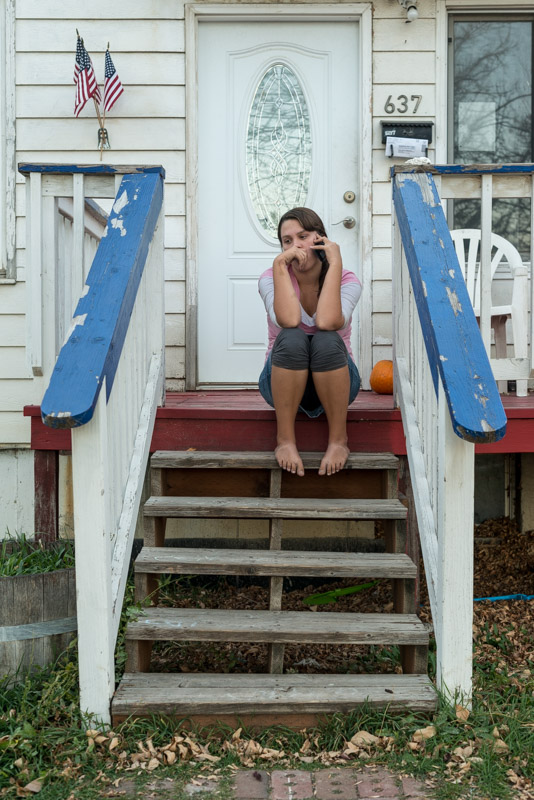
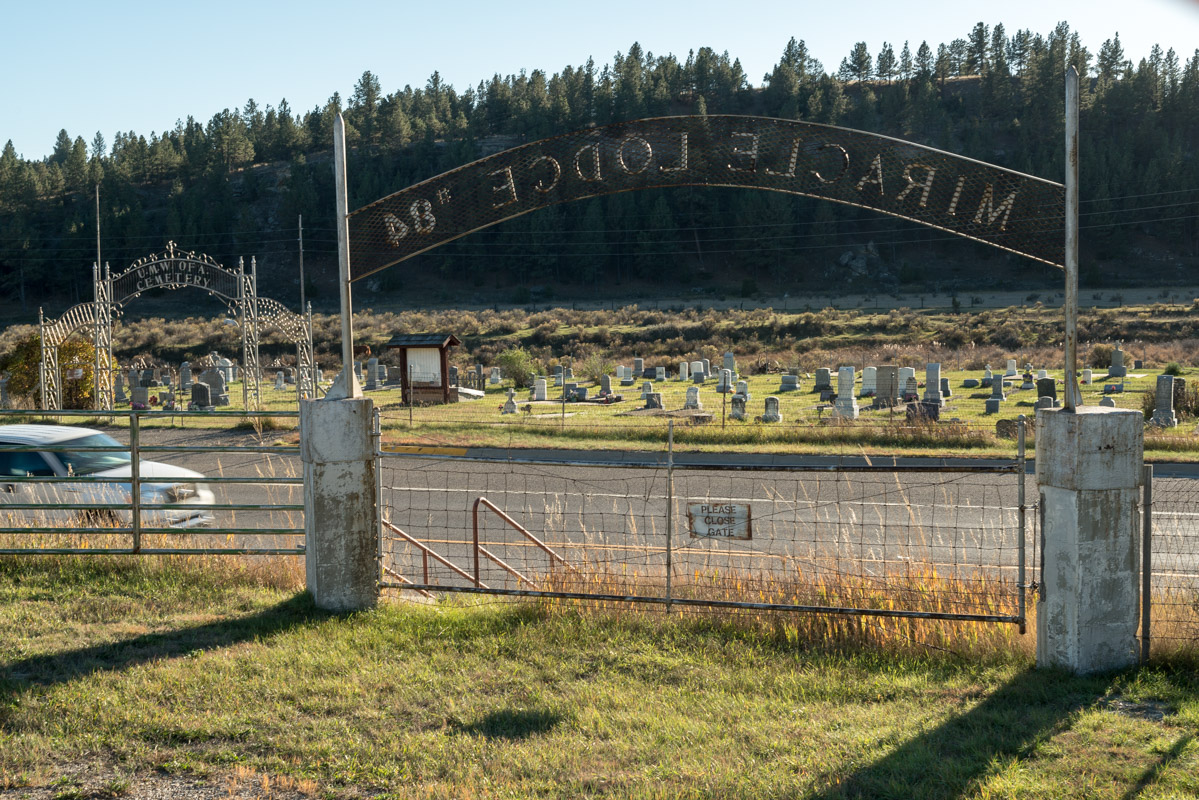
Drive to Roundup from Billings, 50 miles to the south, and you’ll pass three cemeteries reflecting Roundup’s mining and agricultural heritage. You’ll also pass the Bull Mountain coal mine, still in operation, and plenty of small farms and ranches.
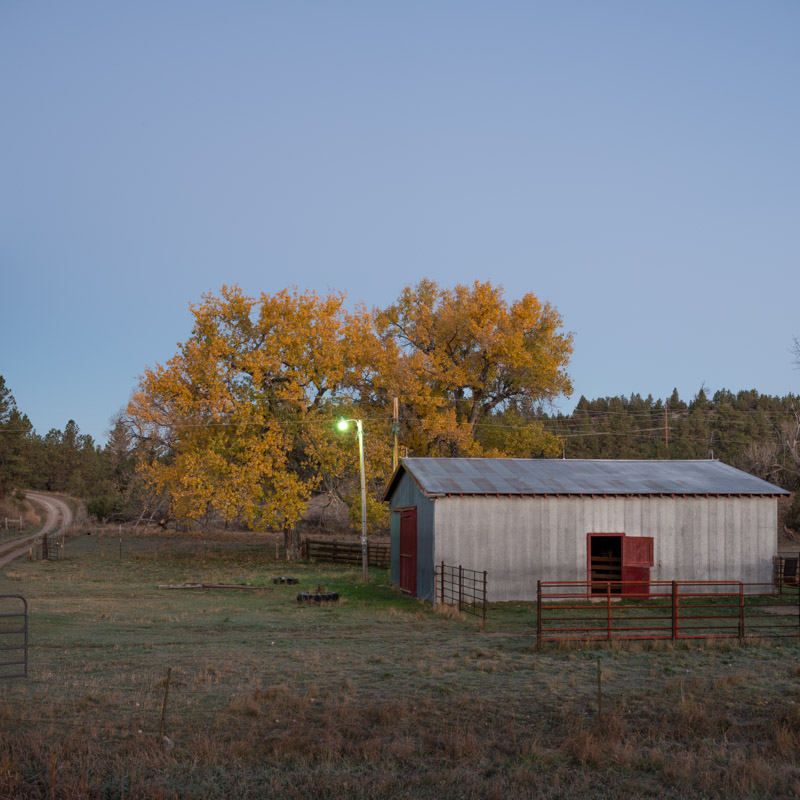
#montanaphotographer #editorialphotographer #roundupmontana #ruralphotograph
See more here.
 Thomas Lee True West