Just made it
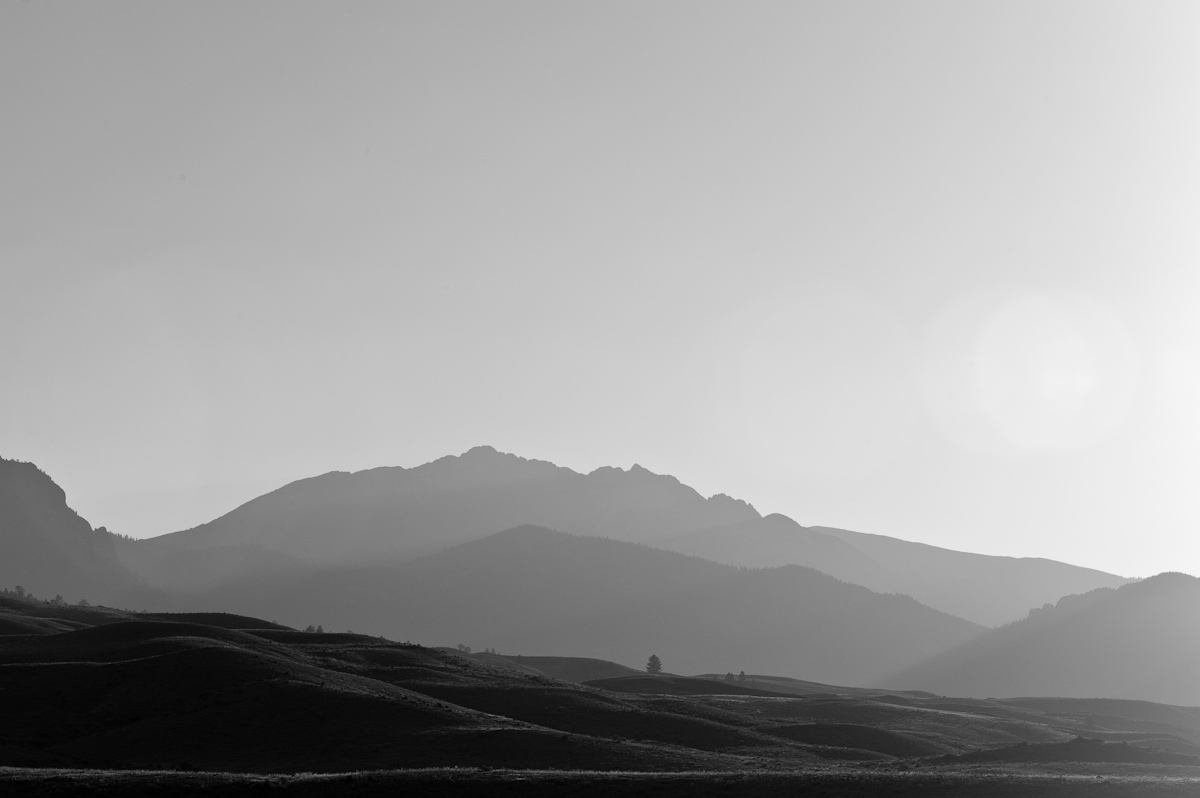
On my way home from Jackson, Wyo., I was thrilled at the prospect of driving through Grand Teton National Park and through Yellowstone all in one day.
It was a busy Saturday, it was hot, and the sun was harsh. I drove for hours looking for something to shoot, but alas, nothing. I had completely given up, was trying to rationalize the thought of a professional photographer — the author of a book of Yellowstone photographs and one who makes money speaking in part about the beauty of Yellowstone — driving through not one, but two of the most photogenic national parks in the country, and coming up empty.
Then, literally in sight of the north entrance in Gardiner, Mont., I saw these two pictures in a place I had never photographed before. Whew!
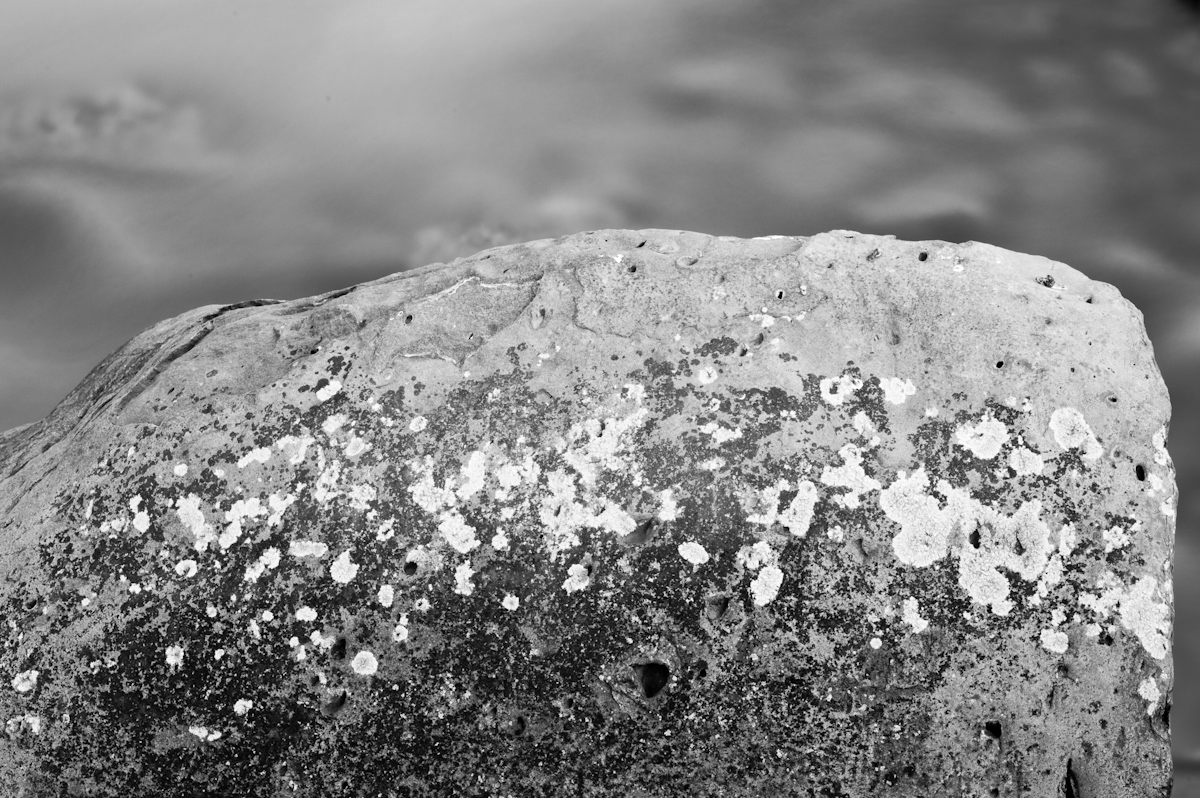
Craters
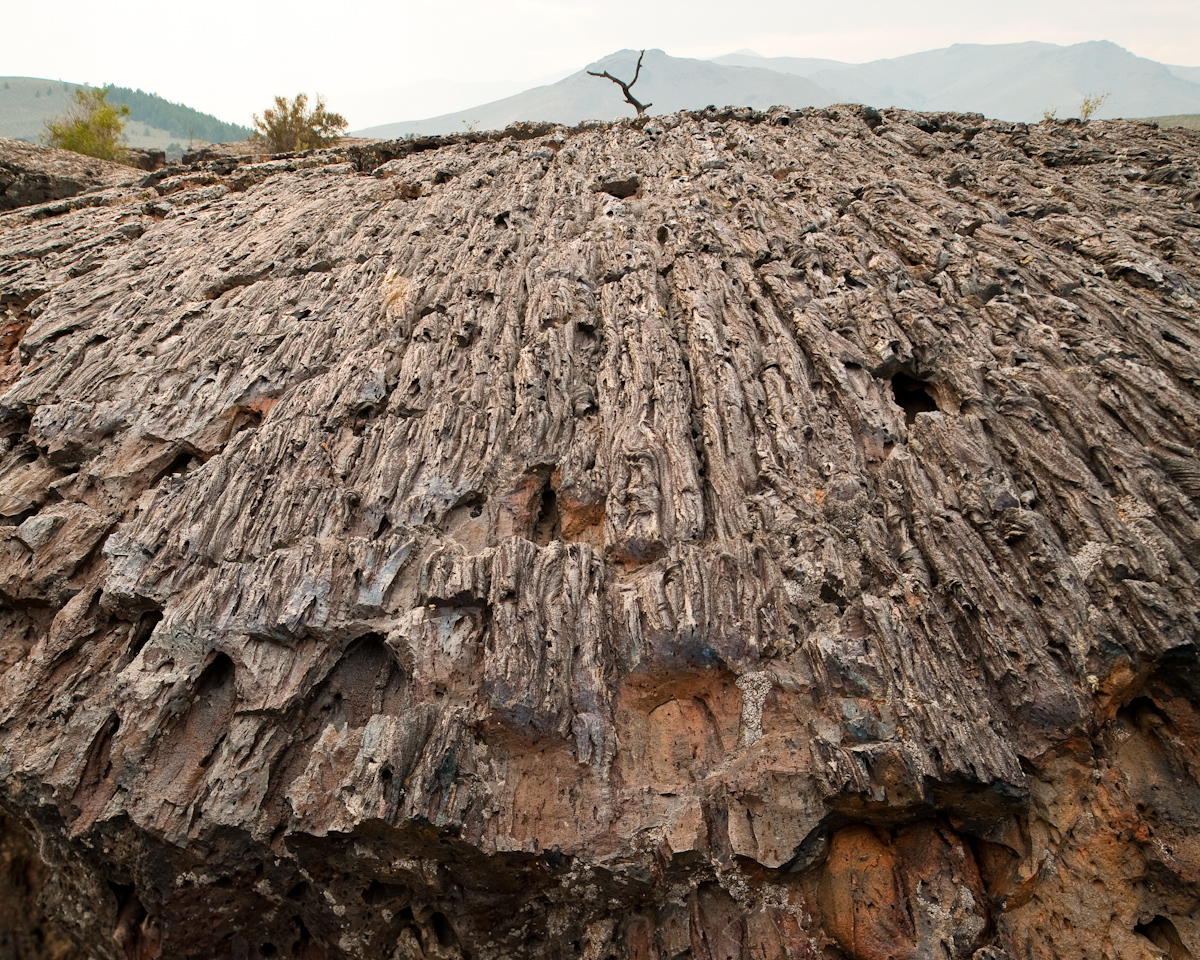

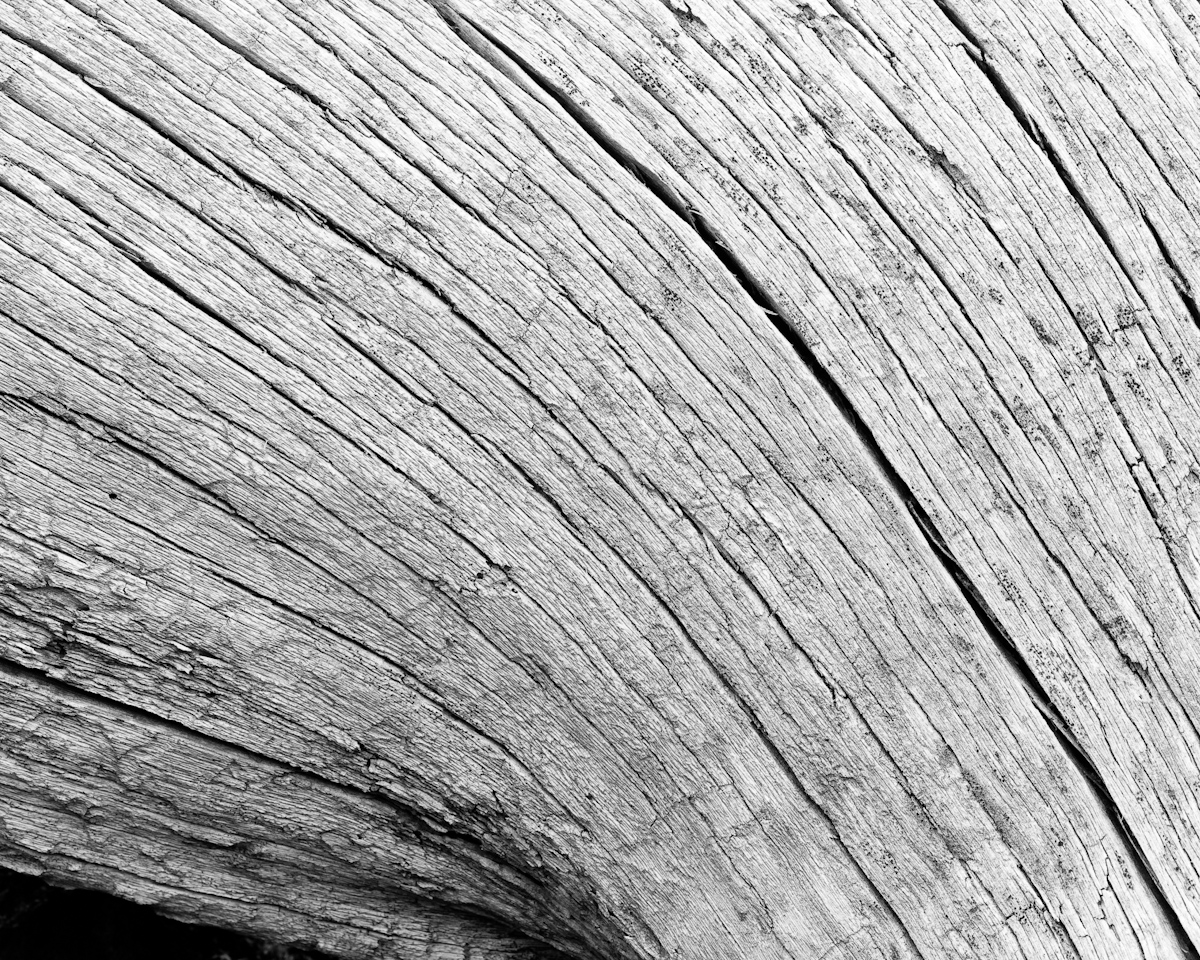
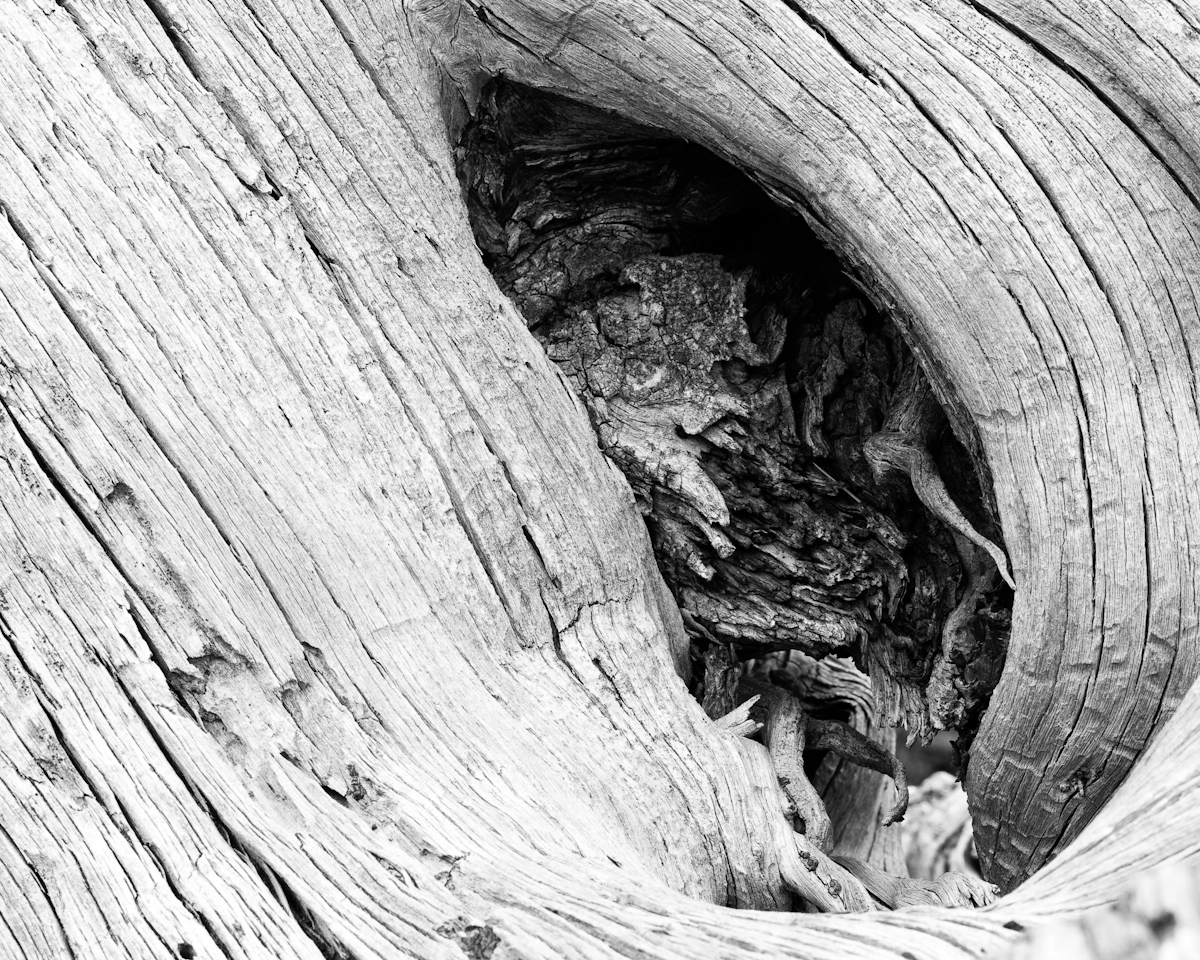
Craters of the Moon National Monument in central Idaho has long been on my list of places to visit and a couple of weeks ago, I popped in briefly on my way to Ketchum, Idaho. It was a surreal place. You could almost see time. Primeval frozen lava flows and my favorite — gnarly limber pine trees — combined in a compelling, graphic texture. Limber pines have been known to live more than 1,600 years.
Grace

One of the things I like most about being a journalist is that I get to meet all kinds of people: people who have nothing and people who seem to have everything; people who are famous, people who are infamous, and people who are unknown; politicians of both parties, sometimes finding that the ones I enjoy spending time with aren’t necessarily the ones I vote for.
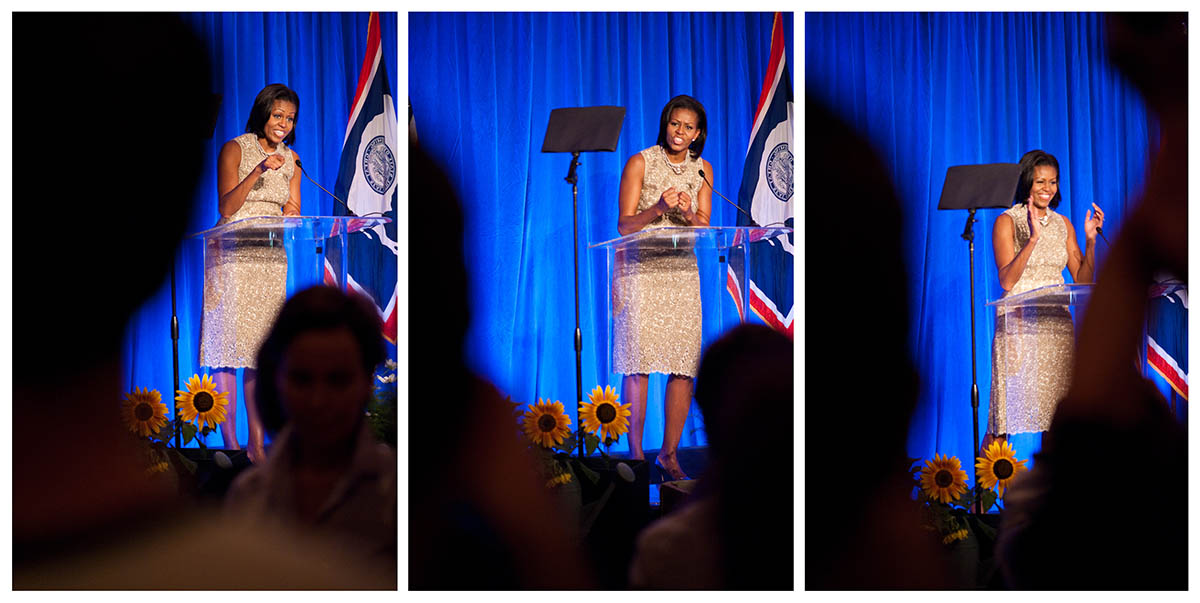
So when I got the chance to meet Michelle Obama last weekend in Jackson, Wyo., I was surprised to be really excited about it. I brought a gift for her, I prepared a short sentence to tell her how happy I am to be a small part of what she and her husband are doing. And when I got my moment, she hugged me, looked me in the eye, thanked me for being a volunteer and listened while I mumbled about half of my sentence before we were told to look at the camera and I was ushered off and Mrs. Obama greeted the next person.
Then she gave a speech to the crowd of maybe a couple thousand supporters. I remember the speech was great, but I don’t remember what she said.
What I do remember is that at every moment I saw her, she epitomized grace and composure. She was quick-witted, amiable, and yet always on task. I imagine what it must be like to travel around like she does, meeting people by the hundreds, giving the same speech in city after city. And I admire how well she does it. I couldn’t even stammer out one sentence.
Costumes and Tolerance
I’m intolerant of intolerance. That makes me a hypocrite.
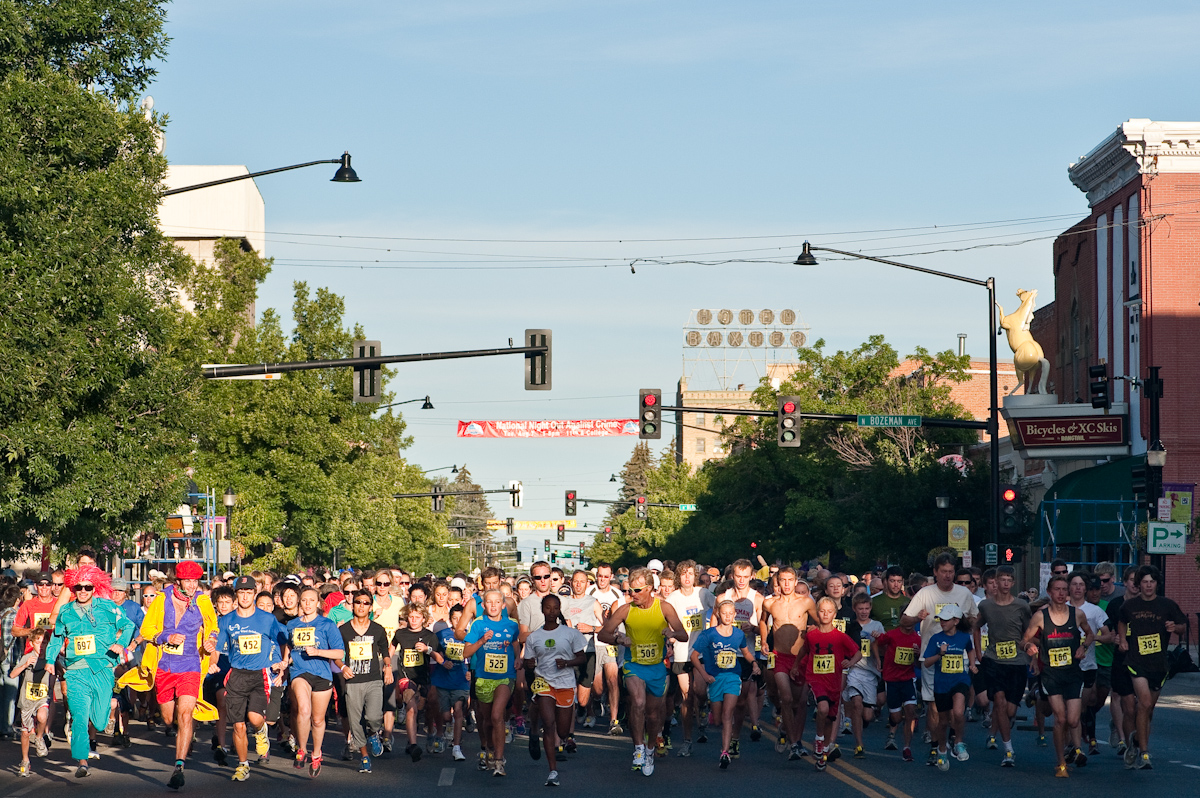
Not too long ago, I was in downtown Bozeman, photographing the annual Bozeman Classic running race. Bozeman has a high “buff factor,” as one new arrival put it. Lots of people enjoy lots of exercise and there is a pretty steady diet of running races in and around our area. These are usually fun, social events with a wide range of abilities welcome and celebrated. And oftentimes, people like to dress up.

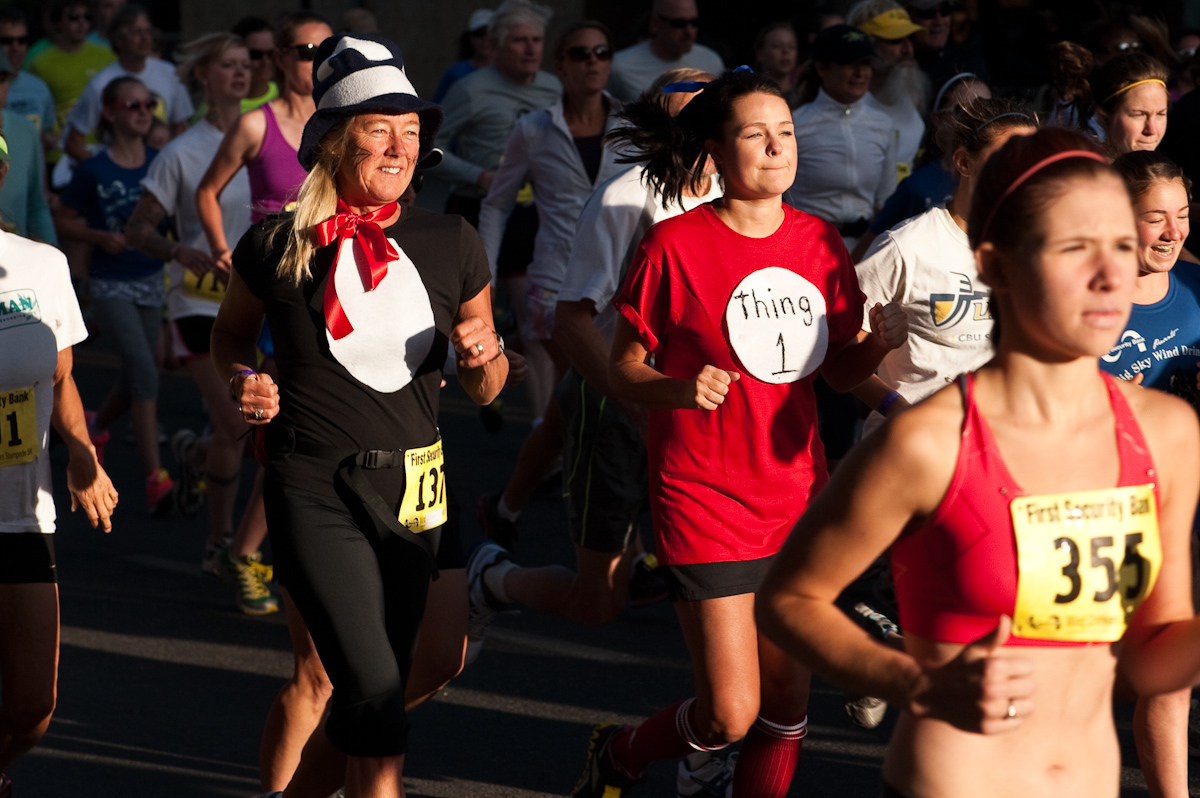

Then, on my way back to the car, I see this guy:

I said it before: I’m intolerant of intolerance. That makes me a hypocrite.
So I photographed this man and his tattoos. I was offended by his audacity, by his pride. I looked up the words permanently written into his flesh. The words he paraded down Main Street in my town, in front of my friends and my family. The words have a hateful history, used by Hitler to justify the Holocaust. How can I be tolerant of that? In my eyes, this man stands for hatred, he stands for evil. He stands for everything that is wrong with our world today.
I should have talked to him, gotten his side of the story. But I didn’t. I was too shocked, too outraged.
The day after I made these photographs, Wade Michael Page, a white supremacist, shot and killed six people at a Sikh temple in Oak Creek, Wis.
Yesterday, the temple held services for the first time since the shootings. They talked about healing, about moving on, about coming together.
I doubt I would have been that strong if I were in their place.
Extreme Solitude — For Now

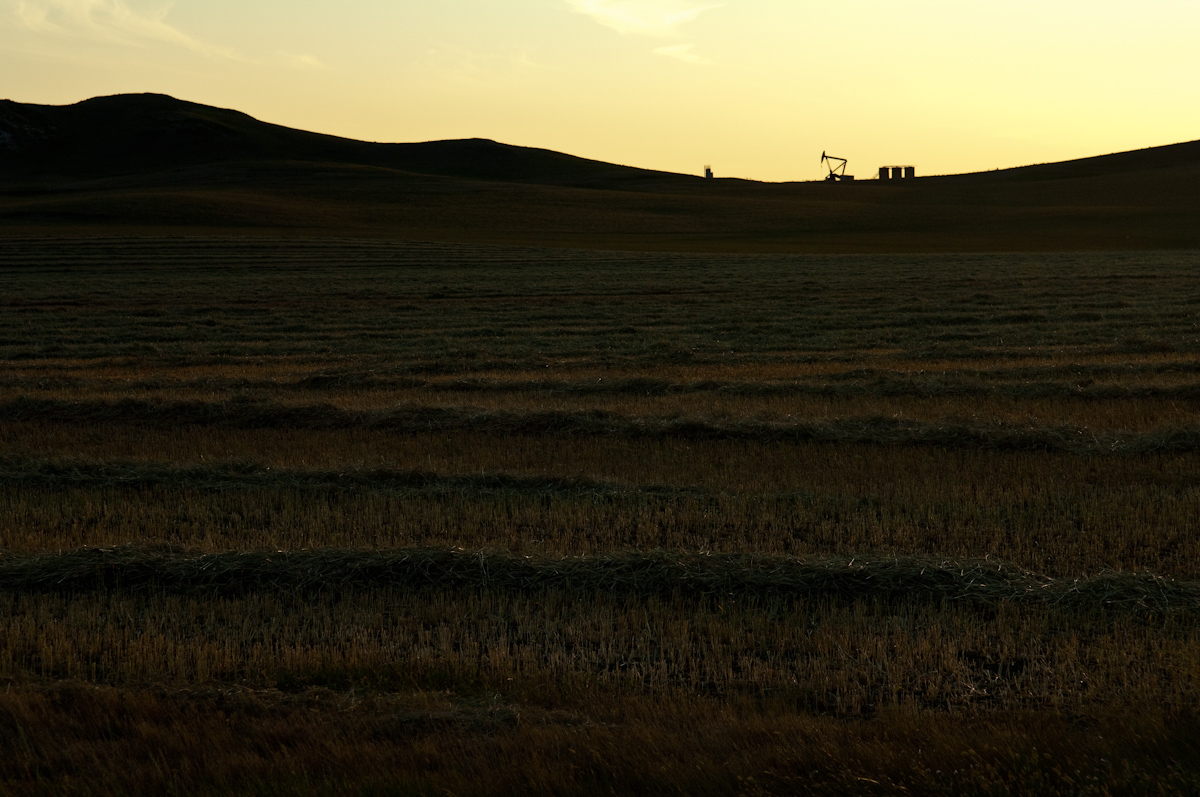
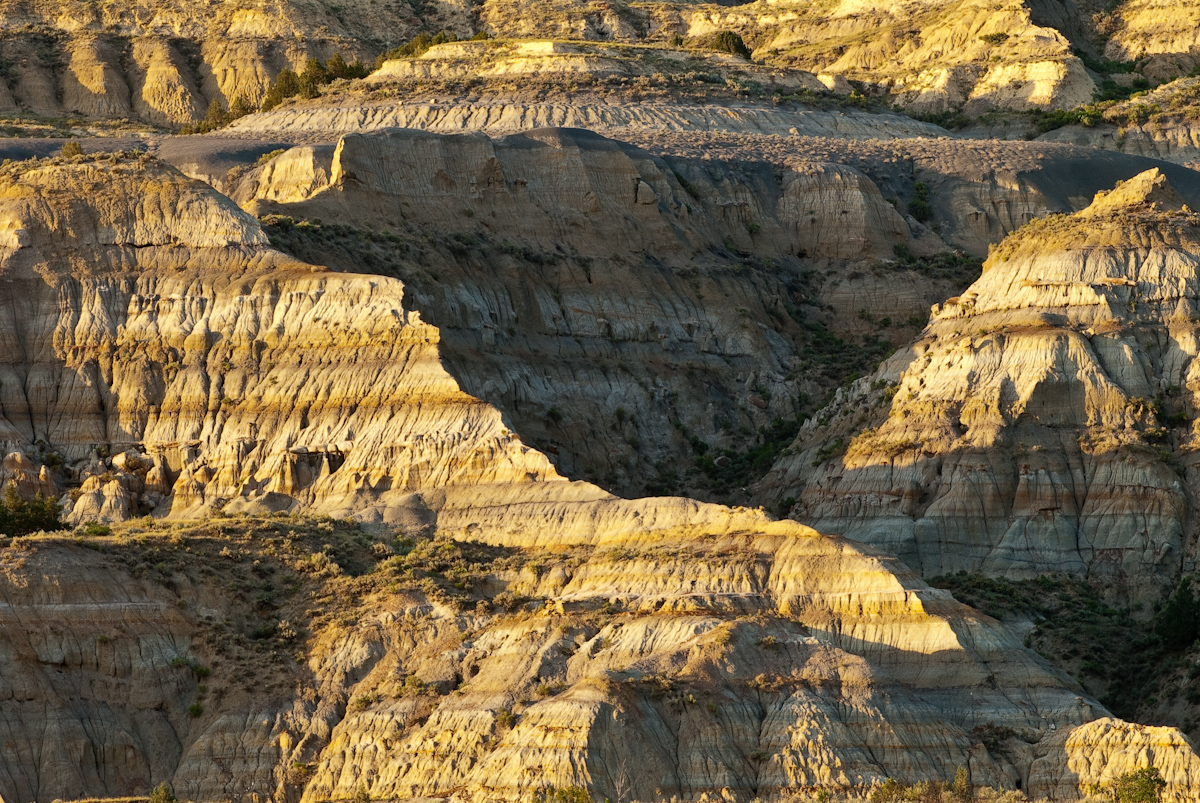
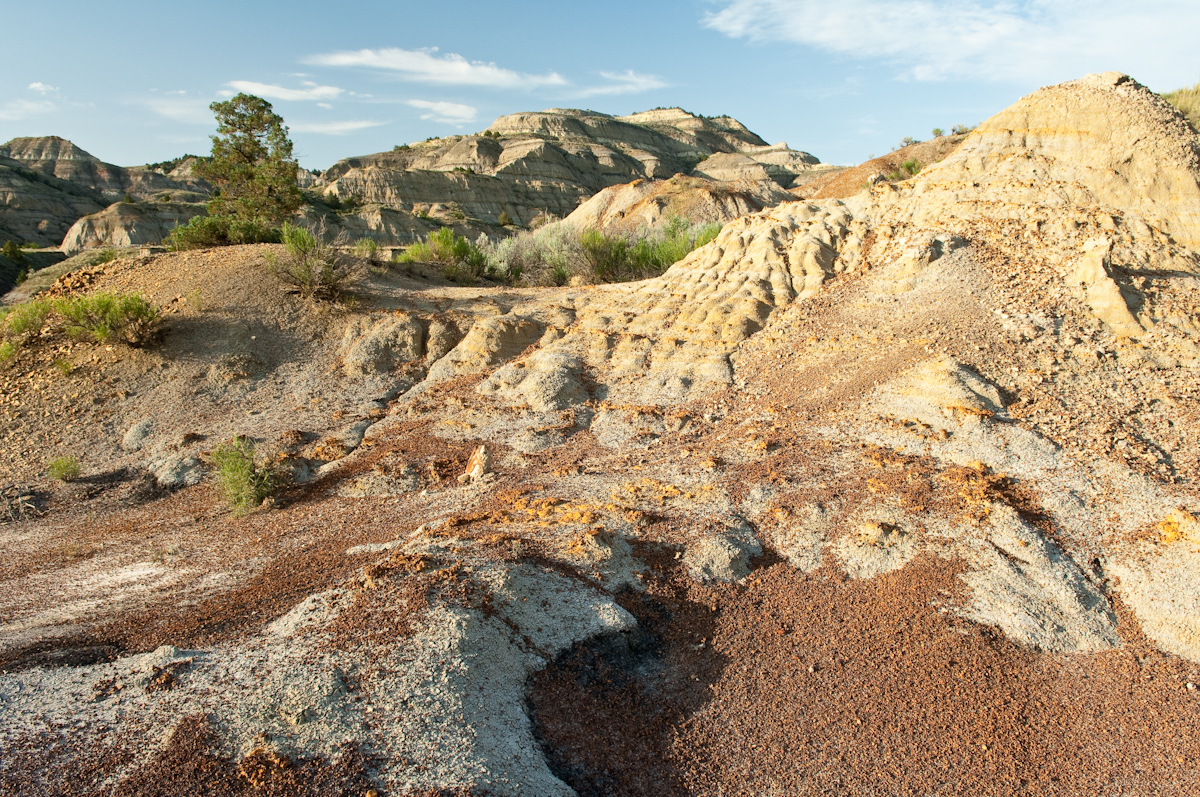
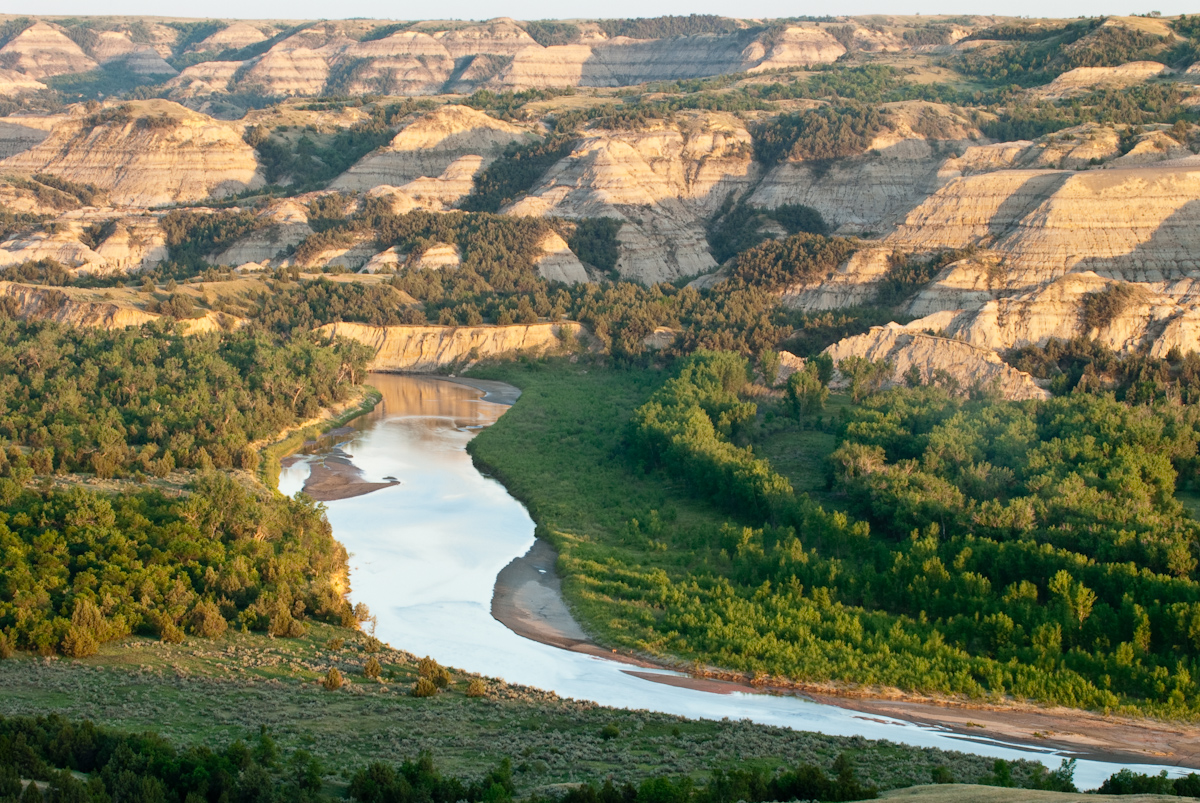
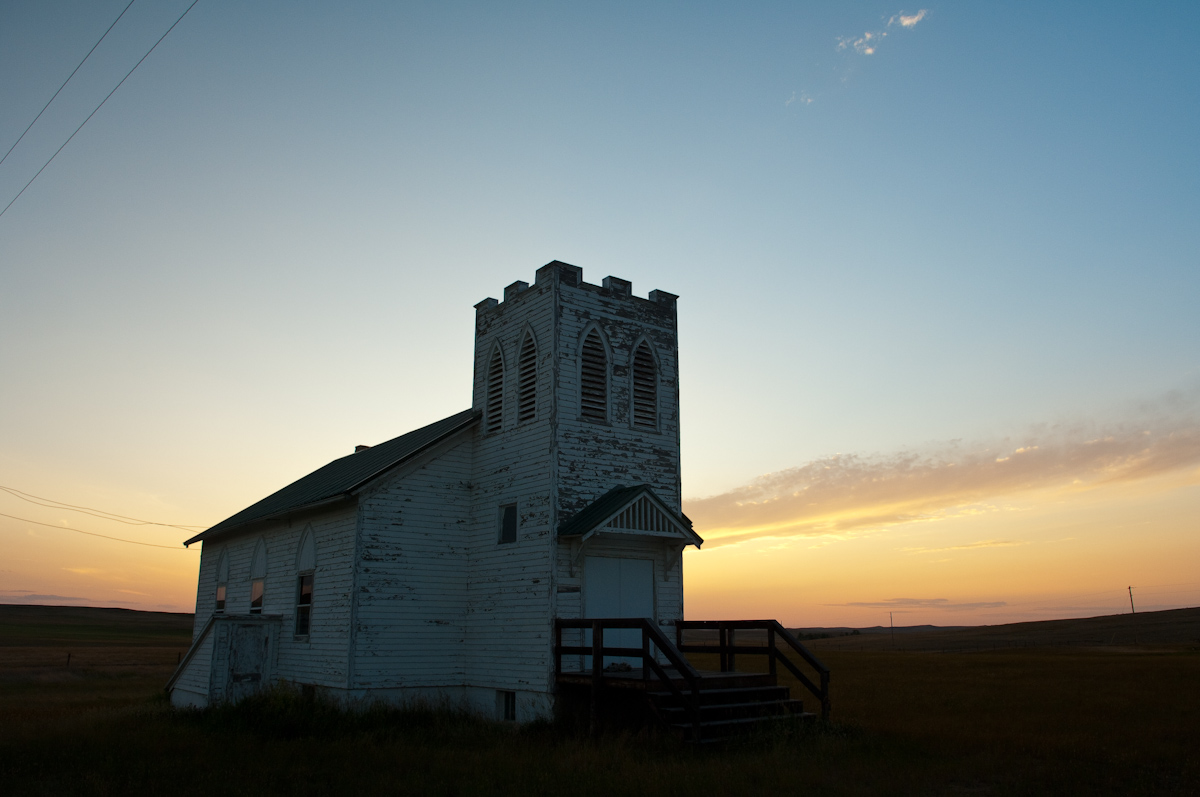
Several years ago, I was on assignment in eastern Montana and snuck over the border into North Dakota to see the Theodore Roosevelt National Park. The park was Roosevelt’s Elkhorn Ranch in 1884 — a place of refuge from New York City, a place where Roosevelt could be a cattle rancher.
This morning, NPR ran a story about the ranch, which quotes historian Douglas Brinkley calling the ranch “a place of extreme solitude and historical sanctity, a place where Theodore Roosevelt generated his ideas for his crusade to save wild and special places in the United States.”
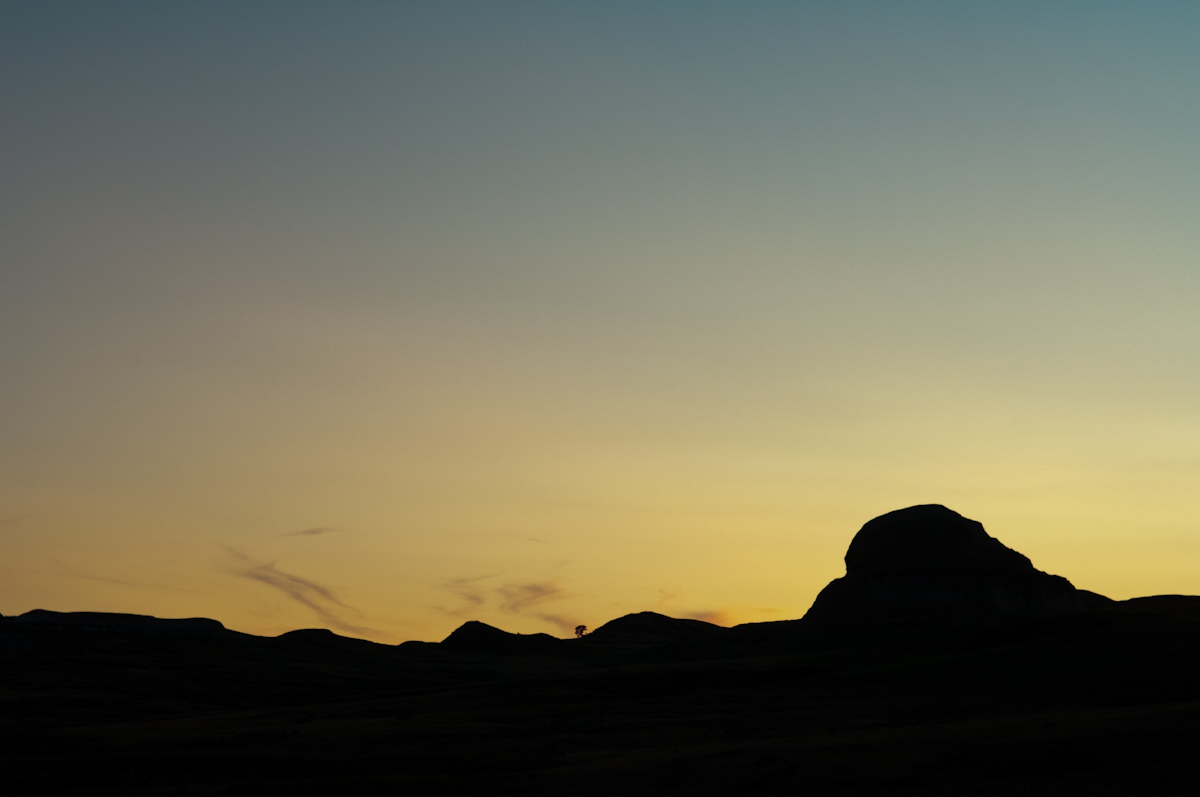
I remember it as a peaceful, but lonely and isolated place. Melancholy, yet powerful. I made these pictures at the end of a long day in 2008, working on a story about the coming oil boom in the Bakken oil patch. And sure enough, the oil boom came and is dramatically changing the way of life in western North Dakota and eastern Montana. Economies have exploded and development threatens. There is money to be made in the region and preserving a piece of solitude isn’t resonating very well with some locals. People who want these new jobs that pay so well.
“The whole public would be able to use that place, not just the elitist environmentalists,” Jim Arthaud, chairman of the Billings County Board of Commissioners, is quoted as saying. “That lousy 50, however many acres it is, 200 acres or whatever, where Teddy sat there and rested his head and found himself.”
And there’s pressure on President Obama to declare the area surrounding Roosevelt National Park a national monument. But that won’t happen easily. “That Elkhorn Ranch site is surrounded by people that own mineral rights,” Arthaud is again quoted, “and it’s going to get developed.”
Wade Lake
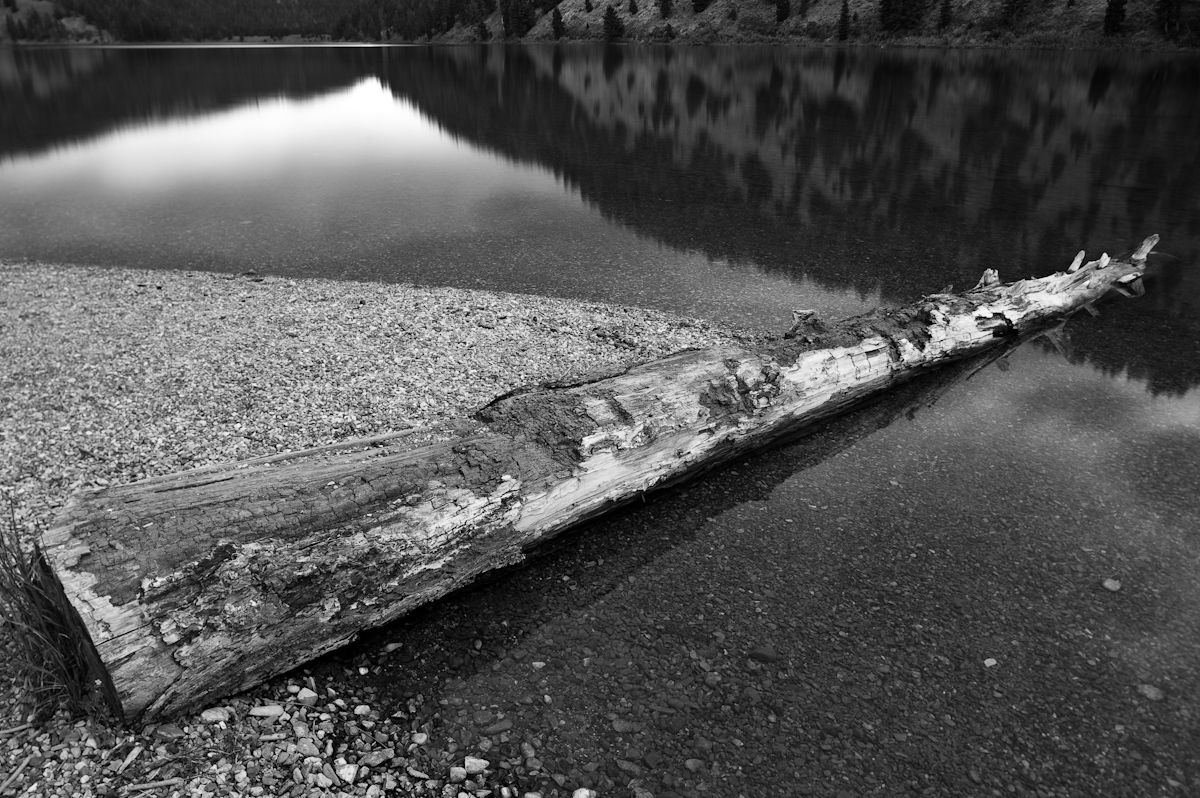
I’ve been meaning to go check out Wade and Cliff lakes south of Ennis for years — literally. Recently, Rena, Katie and I found ourselves with an idle evening so we packed the canoe and a picnic dinner and headed south. We weren’t disappointed. I hope we can return when we have more time.
On my way
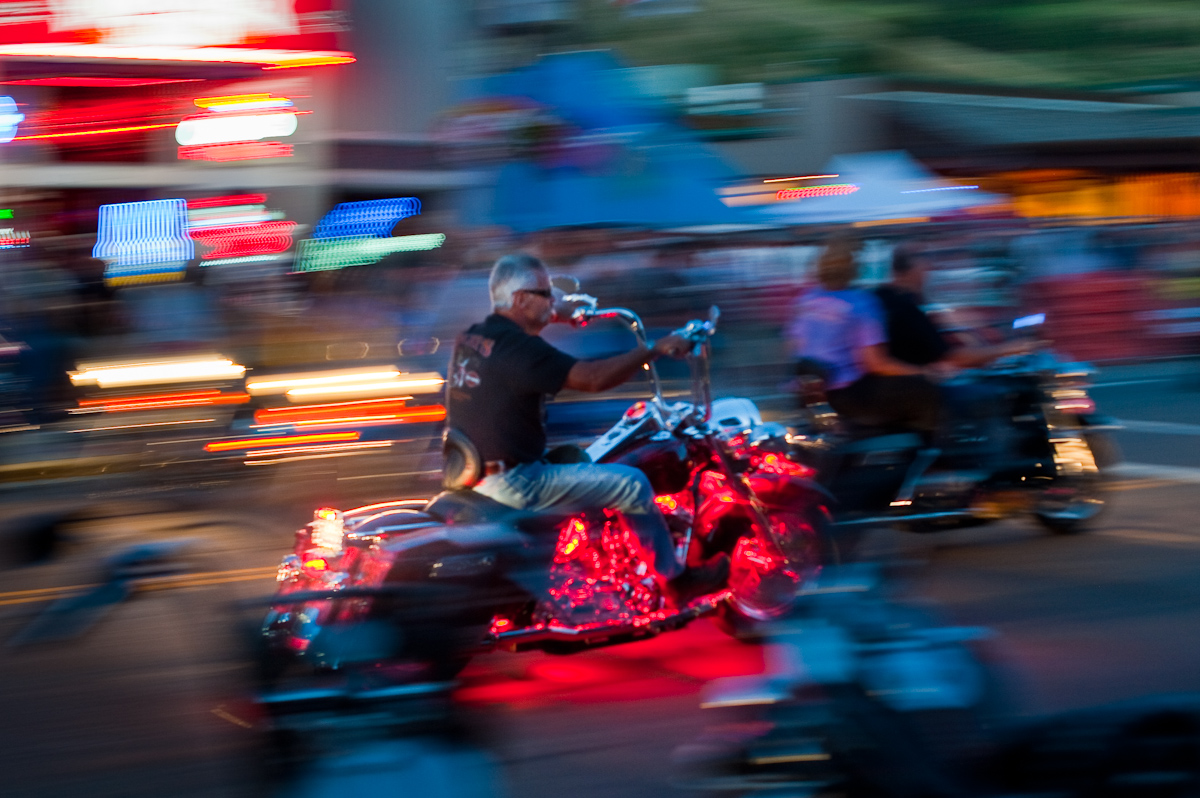
I was on assignment recently in Red Lodge, Mont., when I stumbled across the Beartooth Rally on my way home. I had to stop. What a visual spectacle.
Nature as metaphor
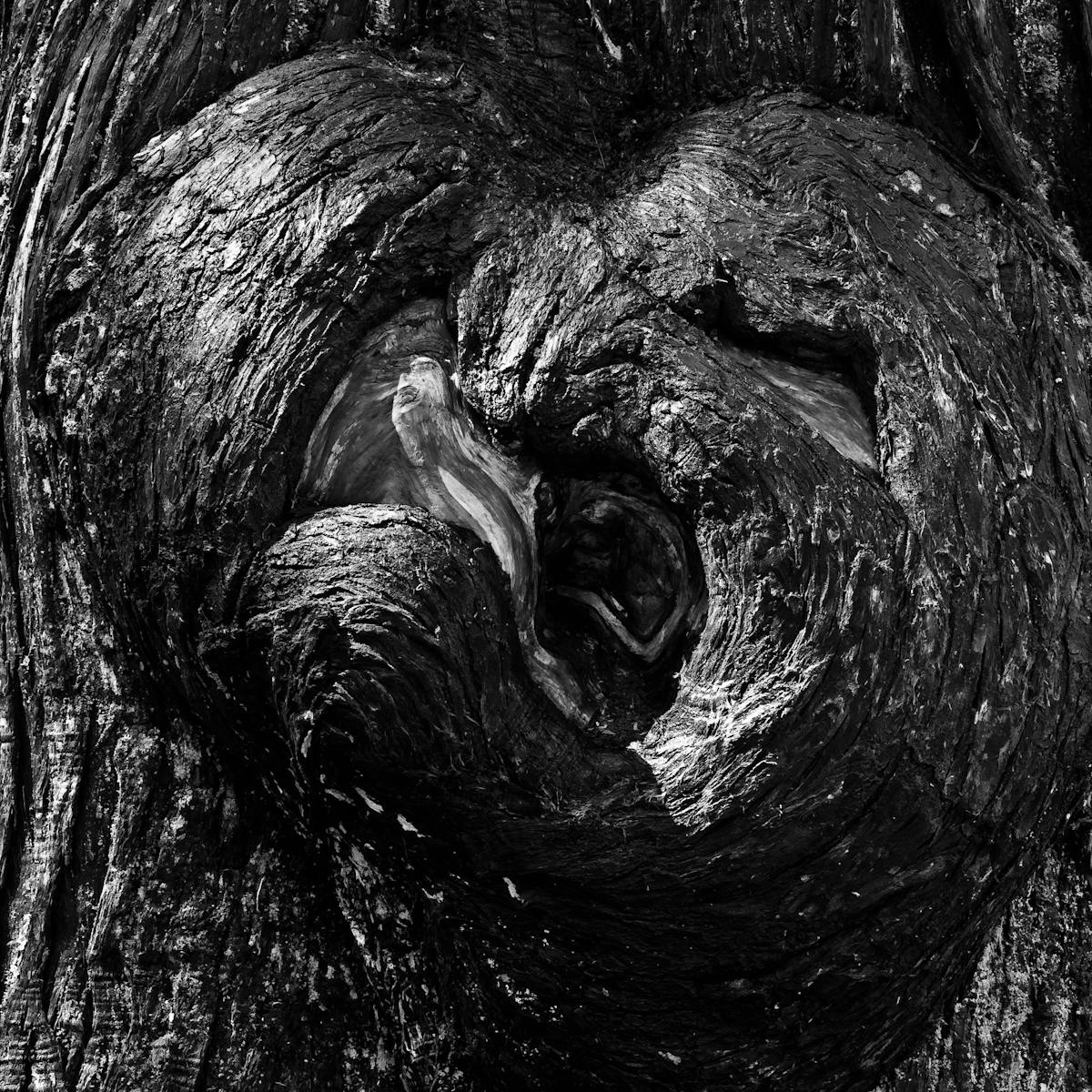
This may be one of the most photographed tree trunks in America. It’s on the Trail of the Cedars in Glacier National Park. Despite it’s popularity, I can’t help making pictures of it each time I pass. The texture, the soft curves juxtaposed with the sharp edges of the bark, the range of tones when dappled sunlight strikes it, I just can’t help myself.
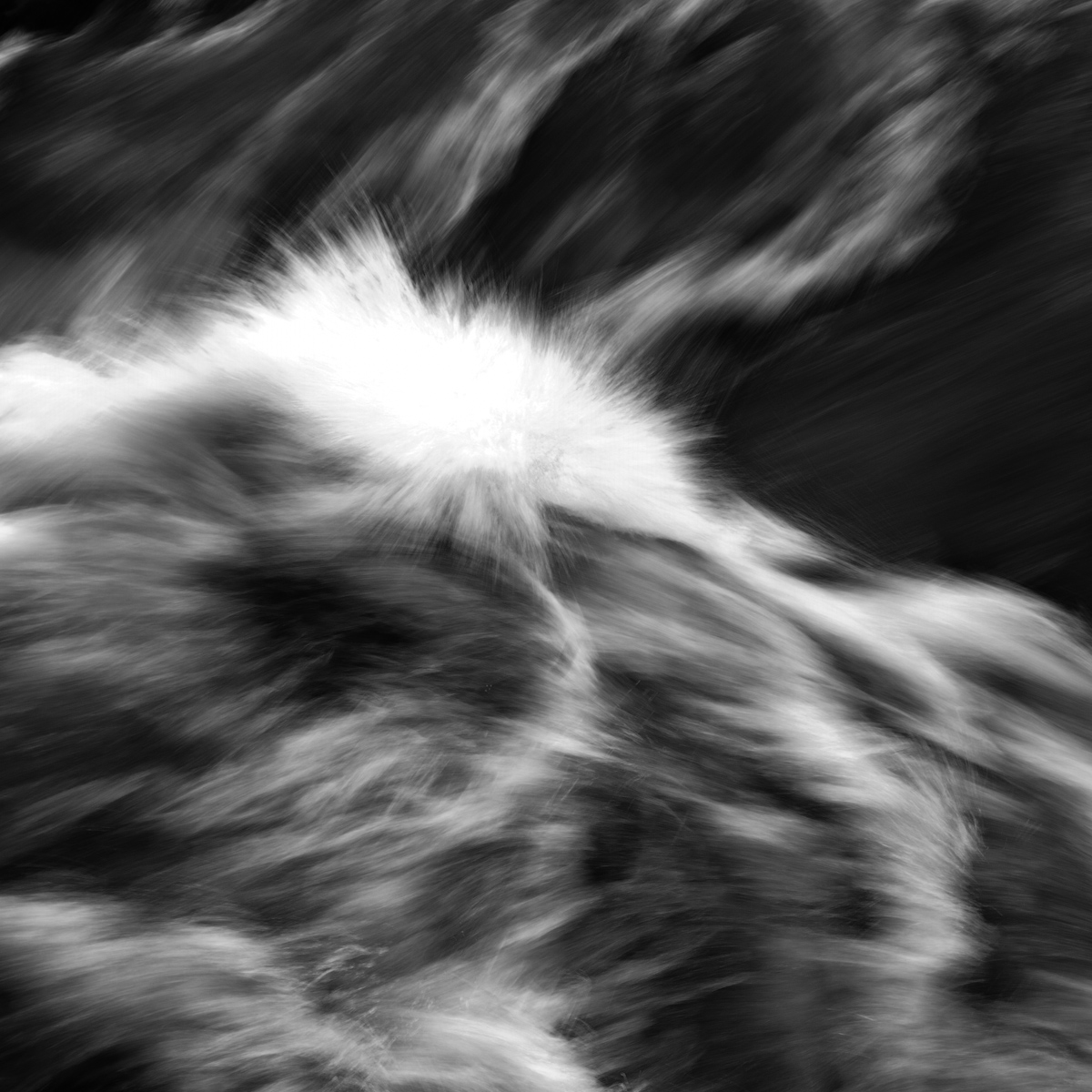
Later that same evening, we were standing along McDonald Creek, marveling at the tremendous force, the tumult, the turmoil of the creek as it shot out of the mountains, bouncing off of giant boulders toward the serene Lake McDonald a short distance away. It made me think of life’s periods of anger, fear, uncertainty, and how they often lead to placid and peaceful places not far away.
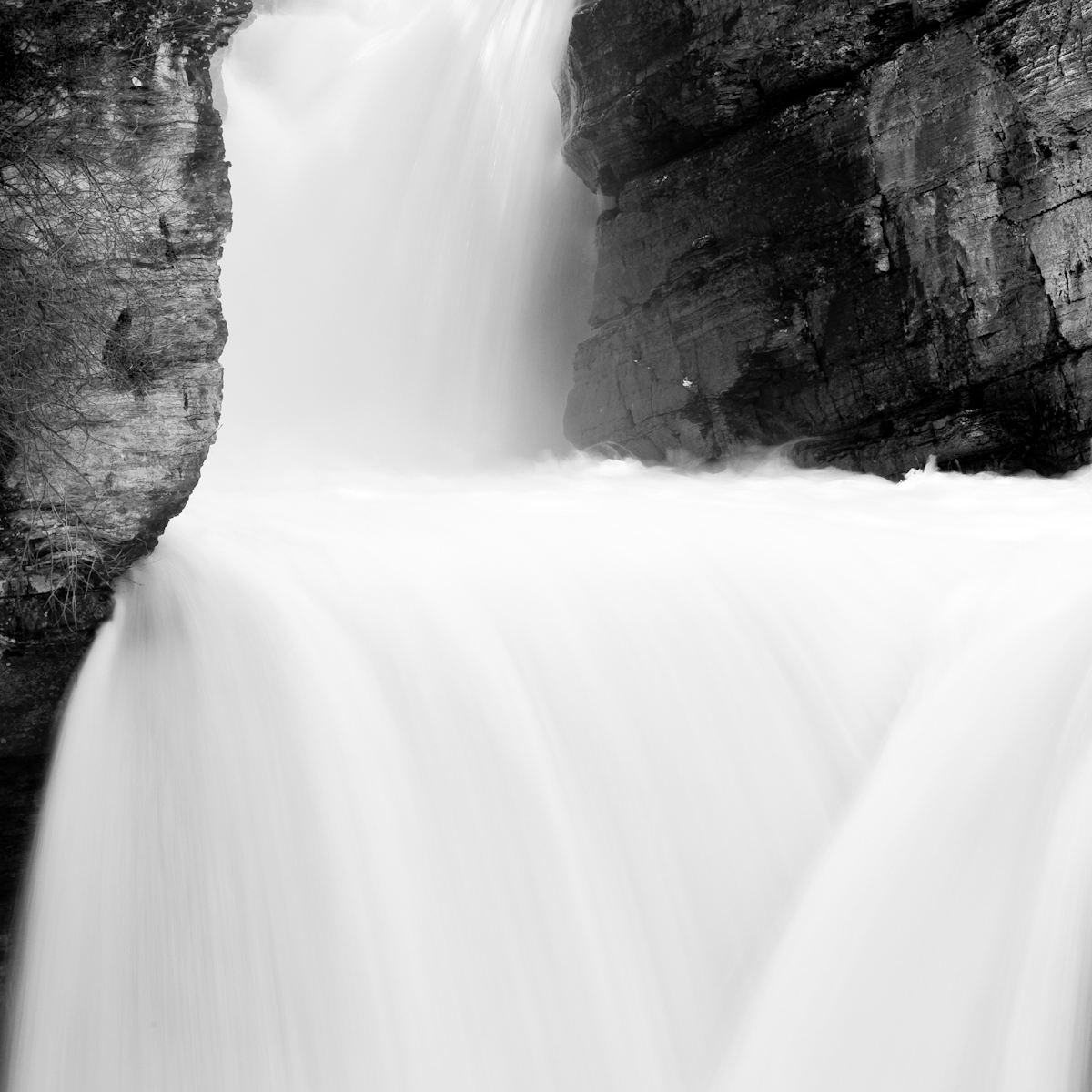
Finally, there’s this waterfall. This is St. Mary Falls on the eastern side of Glacier. Waterfalls for me are a giant contradiction. From a distance, a contrast of the incredible movement of the water against the incredible stoicism of the rock. I can see the flexibility, the adaptability of the water, finding a way to its destination. I can see the consistency, the strength, the stubbornness of the stones, unyeilding to this ever-present, annoying force. And yet I know it is the water that will one day win and turn the stone to sand. And waterfalls are at the same time terribly scary — I definitely don’t want to swim over one — and refreshing, even calming — on a hot day, even the air around waterfalls is cooler.
More fun than a tractor
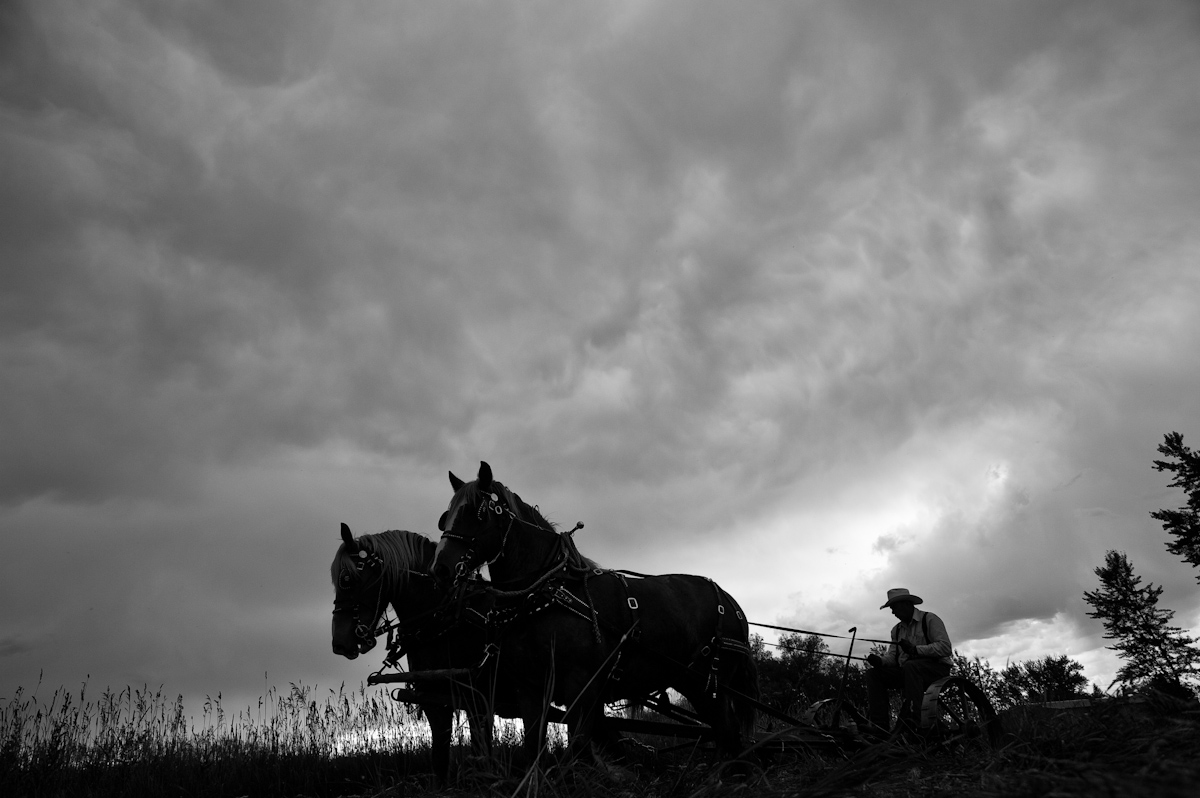
Dick Huttinga uses his two Belgian draft horses, Lewis and Clark, to mow a field under a threatening sky near Bozeman’s east Interstate 90 exit. Dick uses several teams of draft horses, mostly Percherons, to work his ranching operations. While Dick doesn’t claim they’re as fast as a tractor, he does say they’re much more fun to work with and use a lot less diesel.
Race For Independence
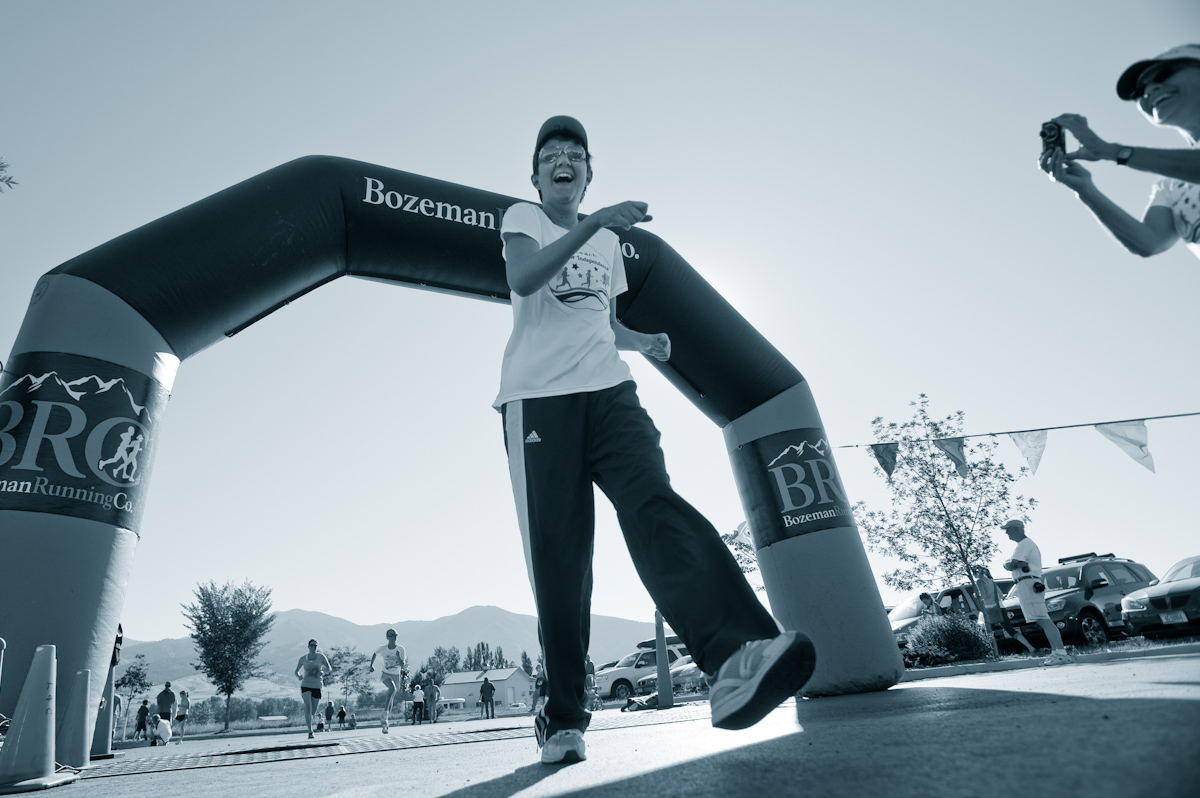
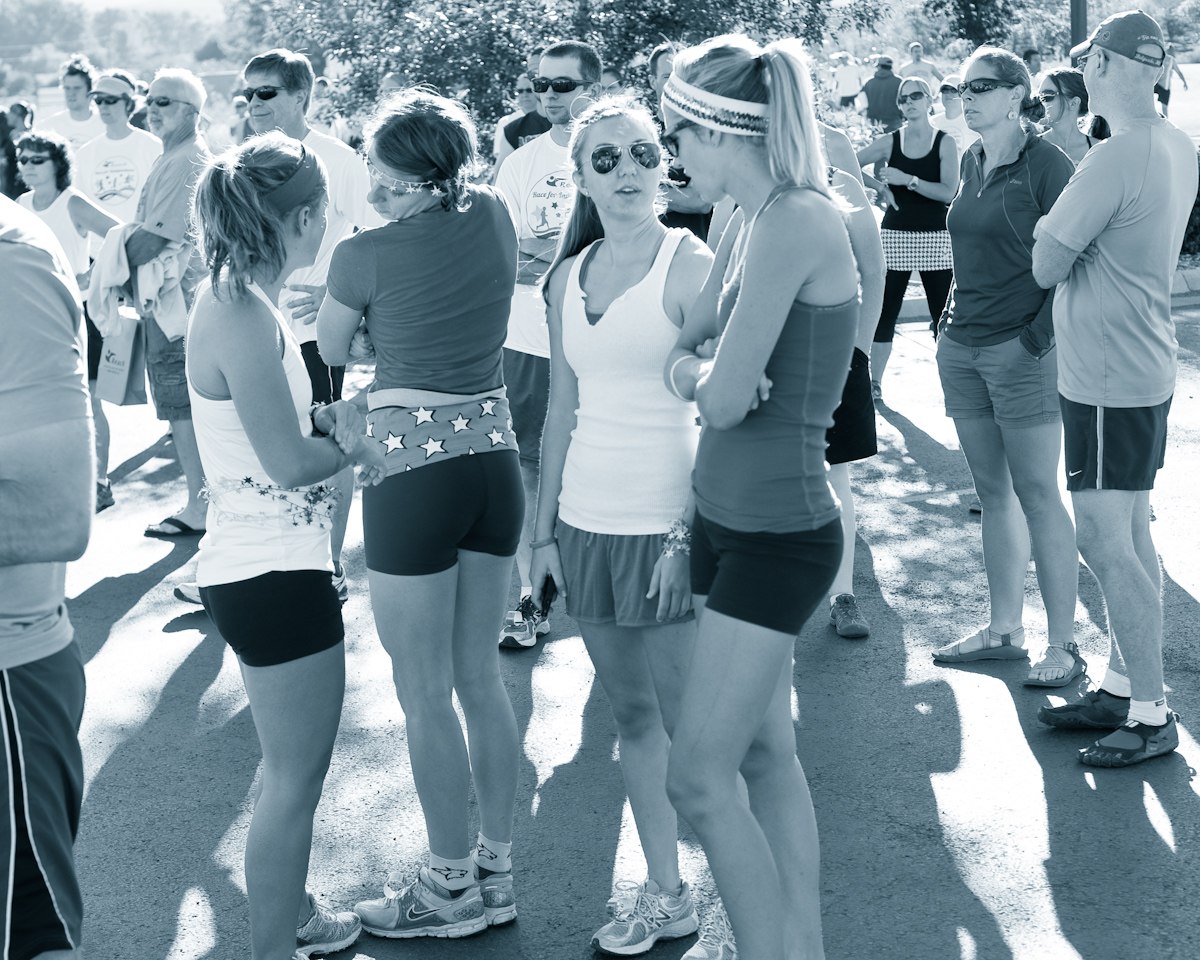
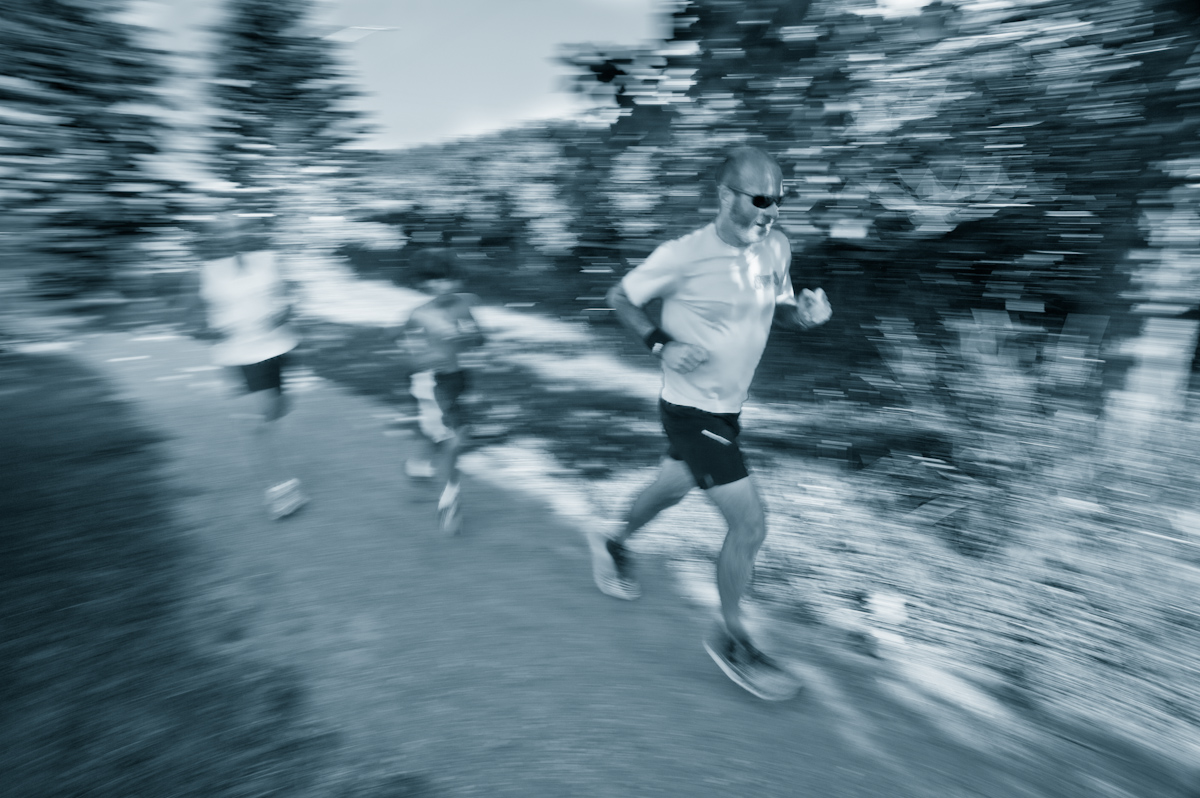
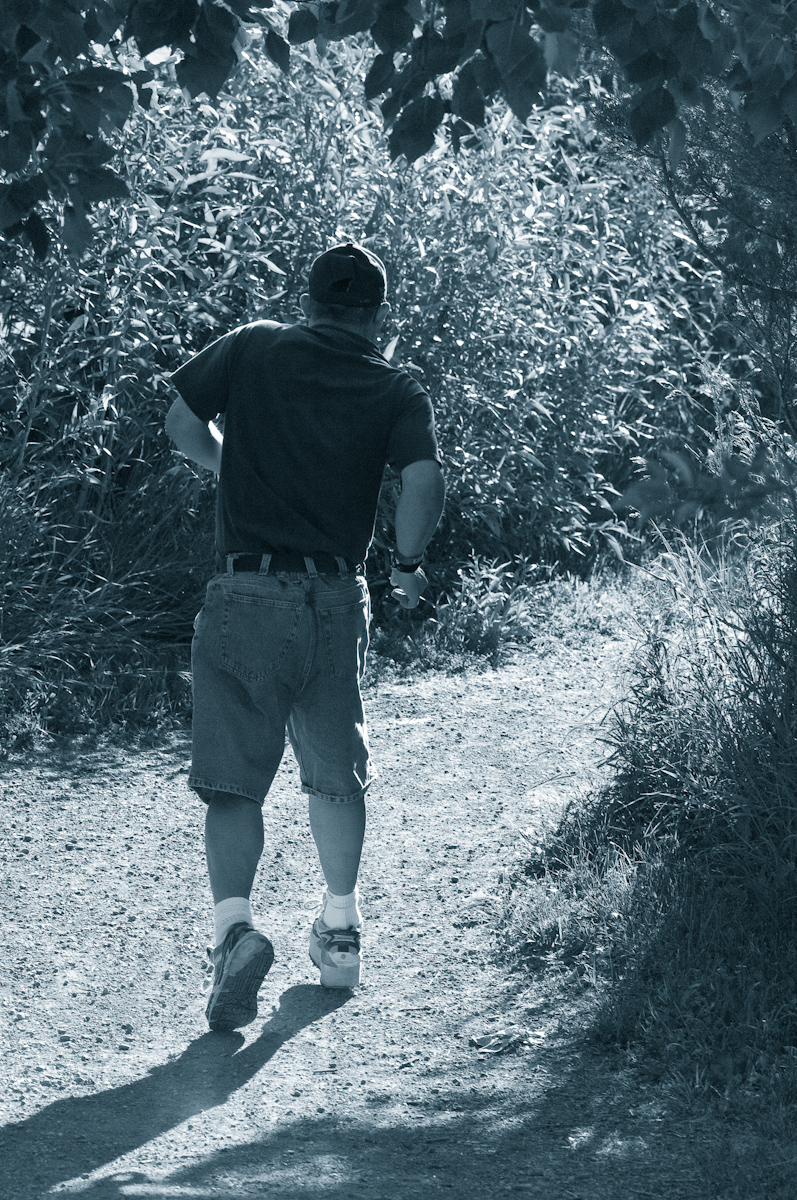
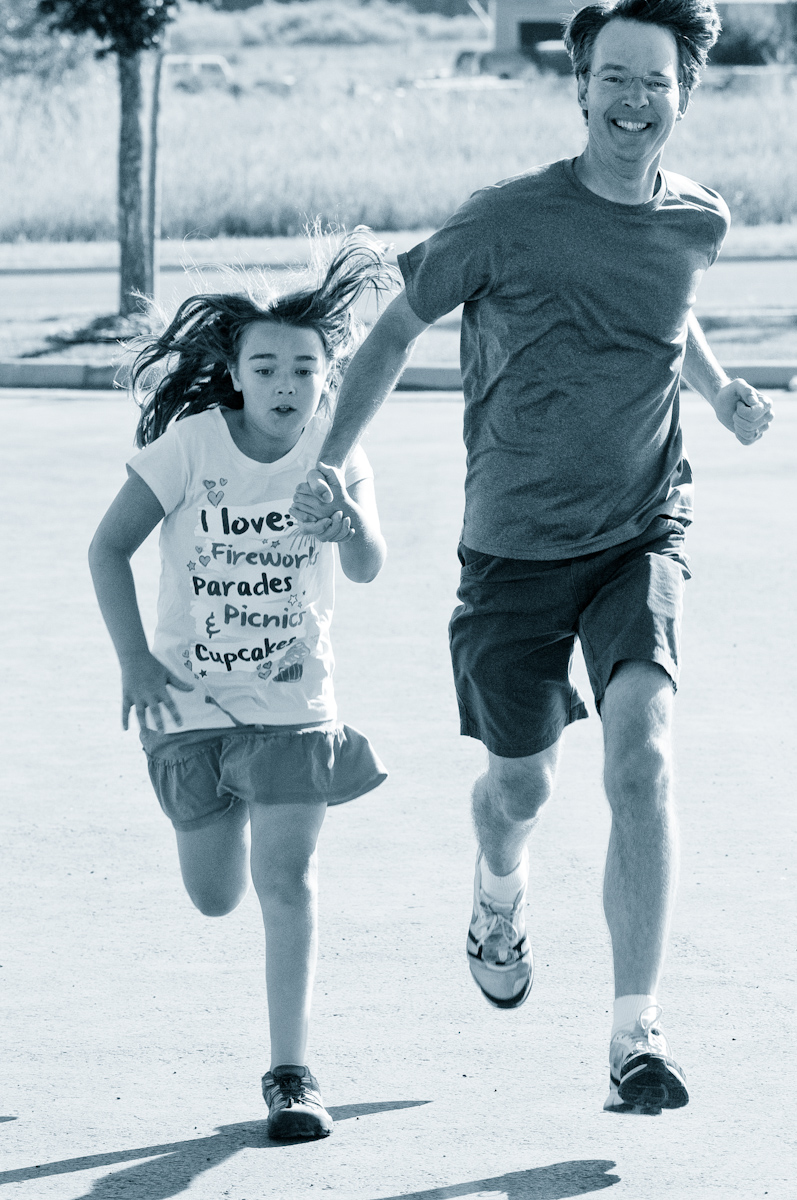
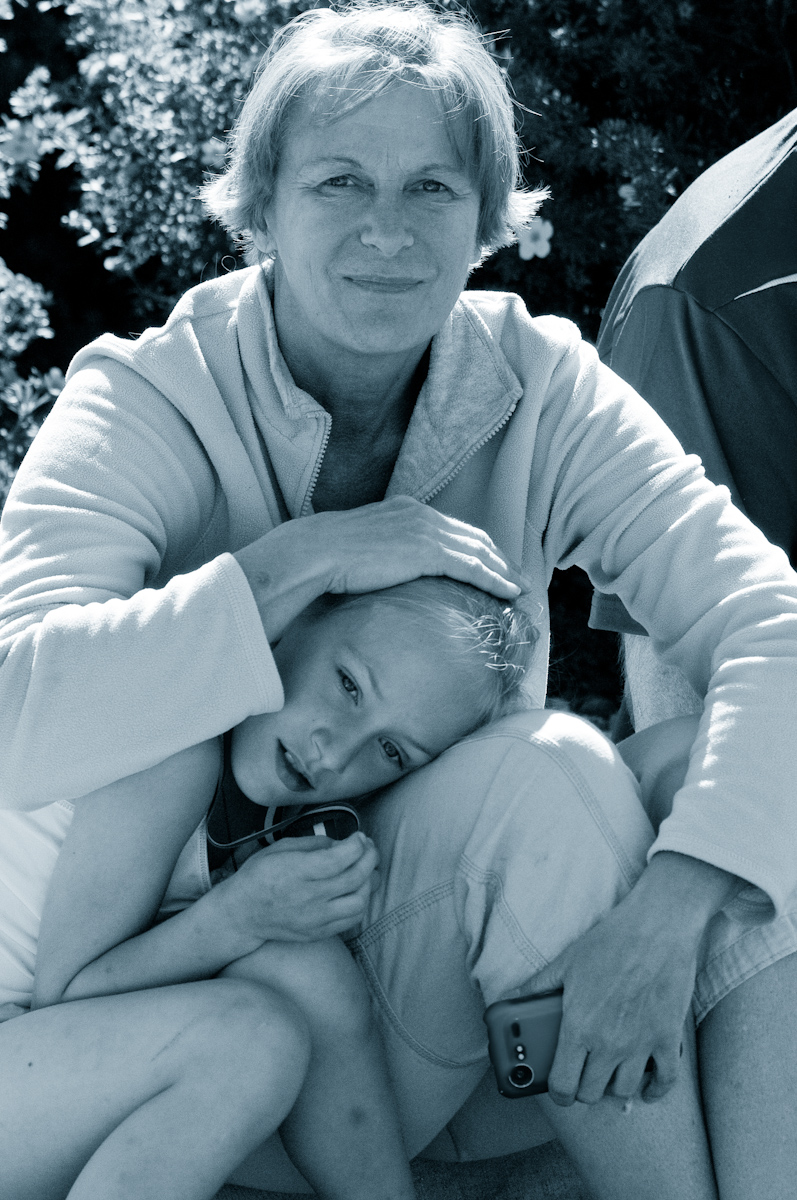
It was my distinct pleasure to photograph Reach’s Race For Independence Wednesday morning to benefit adults with disabilities. Dee Metrick of Reach did a fantastic job of organizing the event, which included 1K, 5K and 10K races on a gorgeous morning around the East Gallatin Recreation Area.
 Thomas Lee True West