Seven Lazy P

Zoe Young, 19. Head wrangler
I had the pleasure of staying at the Seven Lazy P Guest Ranch last week while working on a story on the Rocky Mountain Front with Jeff Welsch. These fine young people were working at the ranch.
Launched
 I’m pleased to announce that a company I’ve been starting with eight other artists from around the country, GlowArtworks, has been launched. “GlowArtworks is an online source of highly curated artwork from a rich mix of artists,” our Facebook page states, and I’m proud to be a part of it.
Check out our first newsletter, Art is Not Science, if you get the chance.
Joe
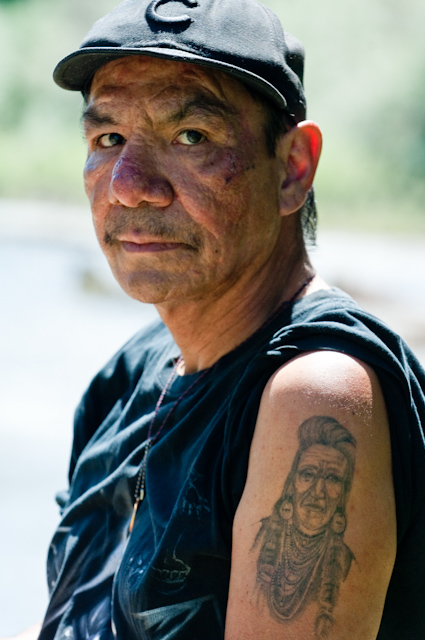 This is Joe. I was in Billings’ Josephine Park on Saturday, hoping to find my friends Al and Marypat floating past on the Yellowstone River, when Joe caught site of the cameras hanging from my shoulders and asked me to take his picture.
Joe and I had a long talk. He said he was a descendant of Chief Joseph, whose image is tattooed to Joe’s left shoulder. He said he used to be a cabinet maker in Minnesota with a big house and a family, but now he lived alone in a trailer in south Billings. He said he doesn’t get along well with his kids and he said his sister was the only one who really cared about him anymore.
He said other stuff too.
I didn’t know what I should do, how I could tell him I cared about him as a fellow human being. I didn’t want to spout clichés or to preach or to say to him things he either already knew or had heard so many times before they had lost all meaning.
We talked some more and gradually, he seemed to feel better. He started talking about selling his trailer and moving back to Nevada, where he was born. Maybe starting over there.
I promised him I would send him the picture and I got his address. He said he would send me $20 when he got his disability check on the third. I said not to bother with that, but that I was going to call the police and tell them to look in on him. He said that would be OK.
Living Near Yellowstone
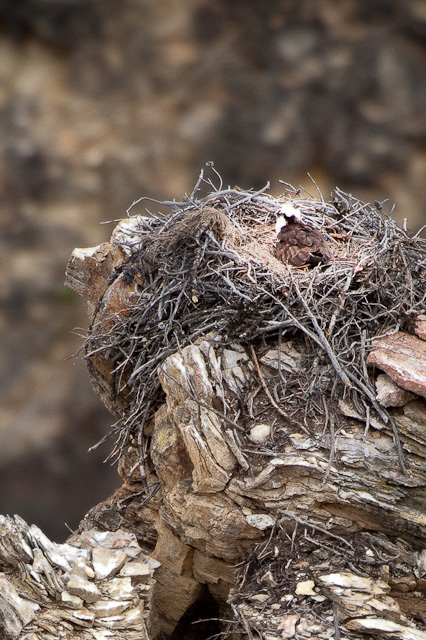 This little chick is an osprey, waiting for a parent to drop by for dinner, perched high about the Yellowstone River on the north rim of the Grand Canyon of the Yellowstone. Yesterday, I packed up the family and we spent the afternoon and evening touring one of the most special places on earth, Yellowstone National Park. How lucky we are to live so close to this wonderful place.
Full Circle
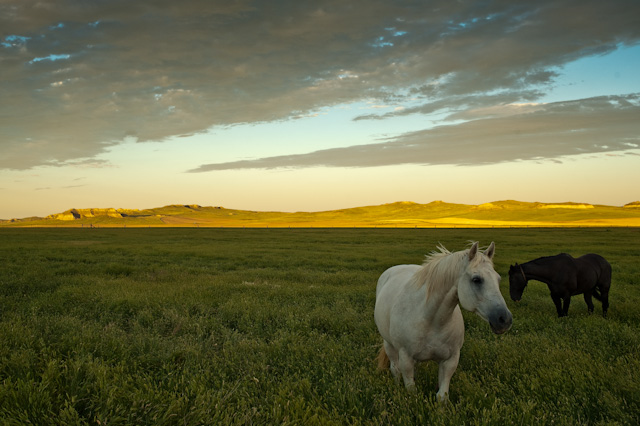 I found these horses while working in Circle, Mont., last summer, and it worked out that they made the cover of the summer issue of Montana Quarterly, on newsstands now or in the next few days. The story on Circle ran in the Fall 2010 issue. Here’s a few pictures from that story:
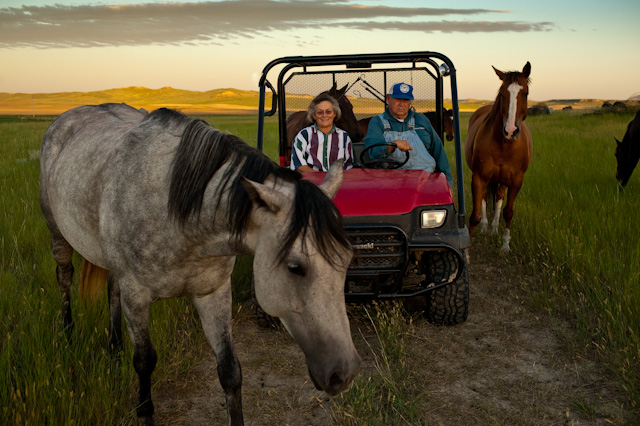 The horses belong to Maureen and Russell Curtiss, who work the ranch homesteaded by Maureen’s grandfather in 1905, who arrived here from Norway.
“This countryside,” Russell says, “you gotta like it to live here, and I like it.”
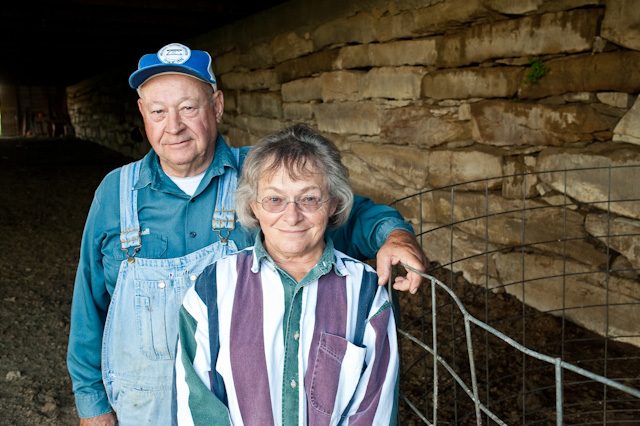
Maureen’s father was a rock mason who built the walls of the barns that stand still today, who encouraged her to develop a love for art that has continued through her life.
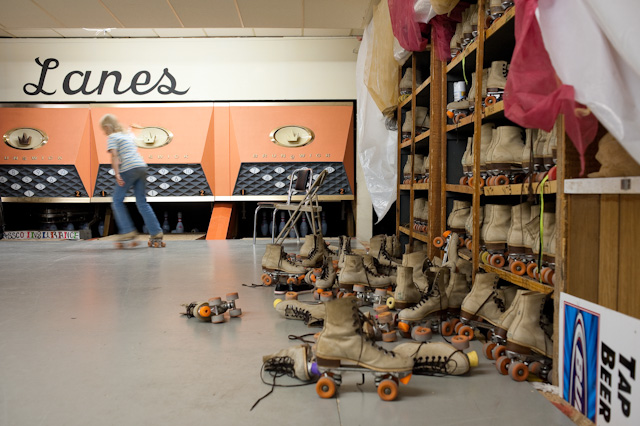
Jamie Maves, 8, comes to the Stockman Lanes about once a week to rollerskate around the rink set up over the five bowling lanes. Owner Bonnie Holbrook says they cover the lanes during the summer because bowling is more popular in winter.
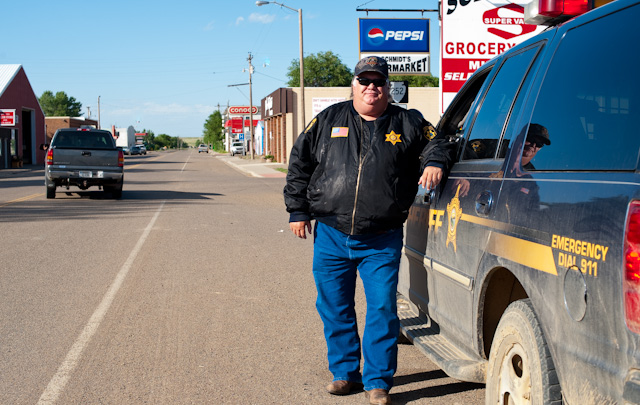
Deputy Sheriff Marc Speer camer to Circle 26 years ago to work as the Circle chief of police. He held that job for 16 years, then became Under Sheriff and six years ago, was made deputy sheriff. He is originally from Conrad. “I moved here 26 years ago and never left,” he says. “It’s just a little country town out in the middle of nowhere.”
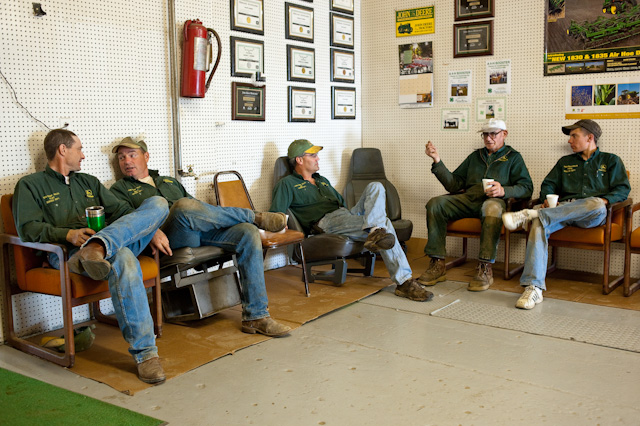
Mechanics take a coffee break at the Circle John Deere dealership.
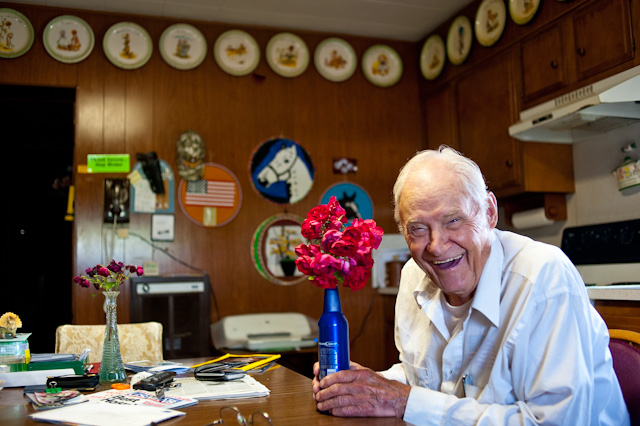
“My platform was I was going to take crime out of the house and put it in the streets where we could keep an eye on it. That didn’t go over very well,” says Orville Quick of his unsuccessful run for mayor Circle some years back.
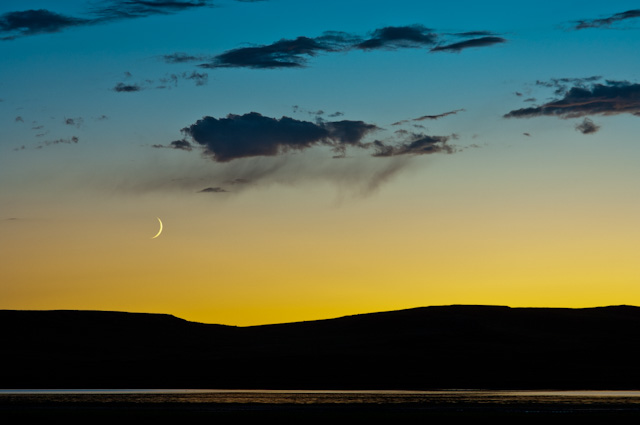
Art Show at the Depot
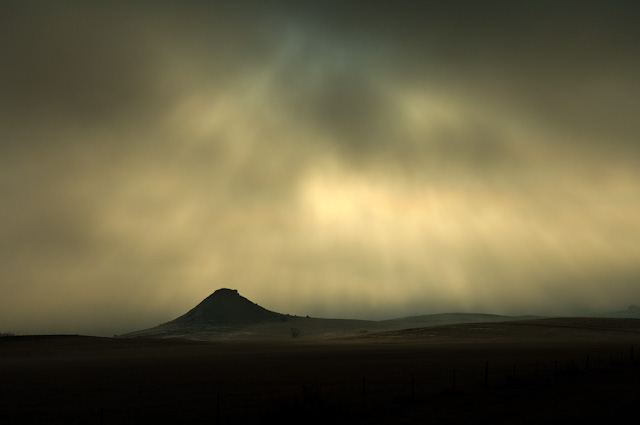 I’m honored to be part of an art show at the Depot Center in Livingston, Montana, this summer with at least five other photographers. The show is titled, “Six Shooters,” and will open Saturday, May 28, and close Sept. 5. Other photographers participating include Barbara Van Cleeve, Allen Russell, Diana Volk, Jim Bechtel and Will Brewster.
Faces of Music
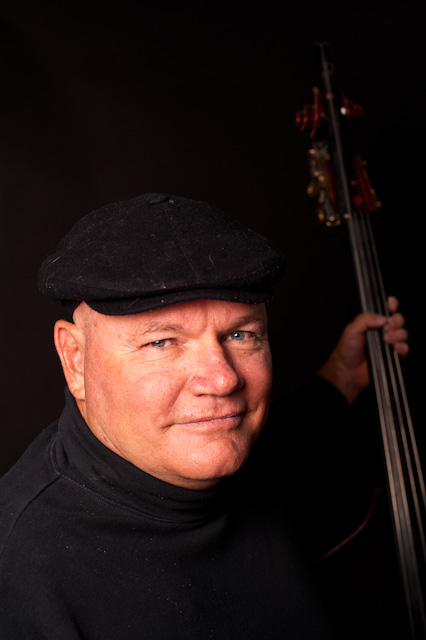
Last week, we were working with the Bozeman Symphony on their promo pieces for next year. I had a fantastic time working with these people, who are not only fine musicians, but also great models. Thanks also to Kathy Lange of Media Works who is the graphic designer on this project, and to Doug Loneman, who not only rented me his studio, but was also a fantastic assistant.
Welcome to Valier
Valier, Montana, is a small town north of Conrad in Montana’s Golden Triangle.
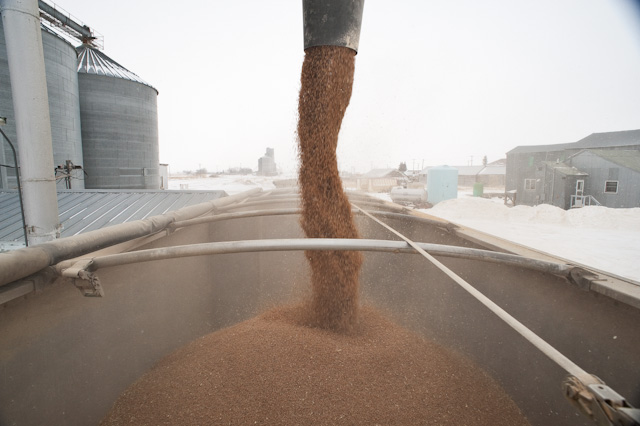
Grain, like the wheat dropping into this truck headed for Shelby at the CHS grain elevator operation, is what began and what sustains Valier. The town was founded in 1910 when dams were built to flood a hay meadow and form Lake Frances so the surrounding prairie could be irrigated.
Today, the Pondera County Canal & Reservoir Company is one of the largest privately-held irrigation districts in the country, watering 80,400 acres. “This irrigation project is the only reason Valier is here,” says Bob Sill, who has been raising grain in Valier since the mid-1970s. About 10 years ago, Sill says, around 75 percent of the irrigated acres near Valier were in malt barley and about three-quarters of those acres were growing for Annheuser-Busch. Then wheat prices improved and barley demand went down. “They just didn’t need the bushels anymore,” Sill says.
Gary Arnst, who serves with Sill on the PCC&RC board of directors, was one of those who moved into wheat. He says he grows peas, lentils and canola as well and although wheat is more risky and more work than barley, he can make more money growing it. “Who said life’s supposed to be easy?” he says.
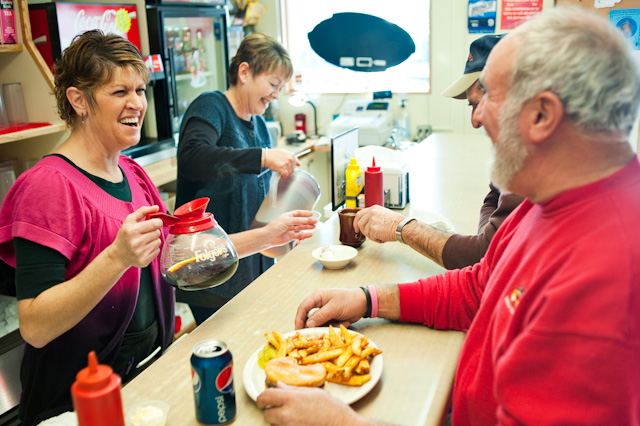
Sisters Fawn Ahern, left, and Janet Jones work at the Panther Cafe, a popular spot for locals like Ray Widhalm, right, whose mother settled nearby in 1913 from Belgium and father arrived from Nebraska in the 1930s. The Widhalm family is a big one in Valier. Widhalm says he has seven siblings and 125 first cousins. “It’s a pretty nice place,” he says. “Pretty homey. It was tough getting a date in high school, though. Ten percent of the school was related to me.” He says few of those in his kids’ generation are sticking around. “This is the first year since 1945 there hasn’t been a Widhalm in the grade school.”
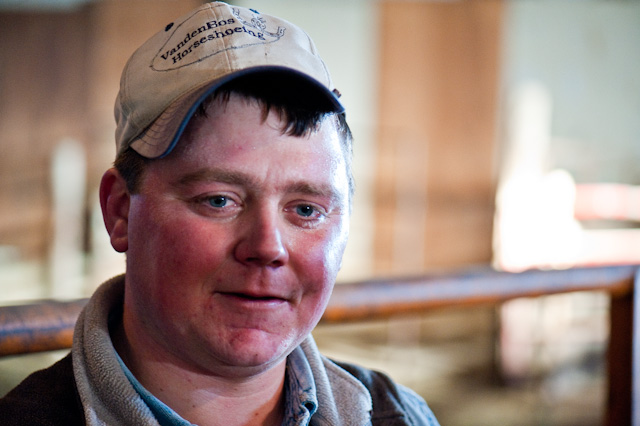
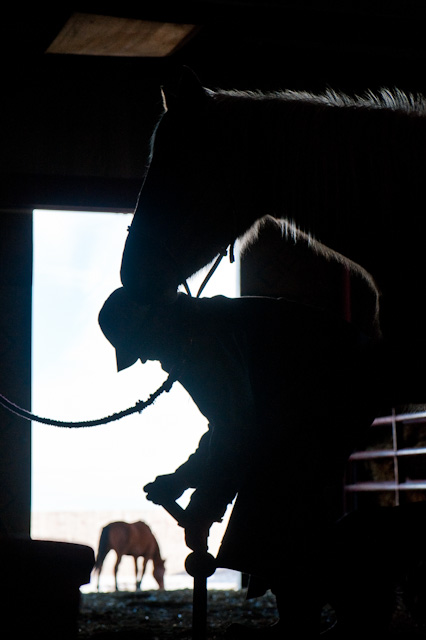
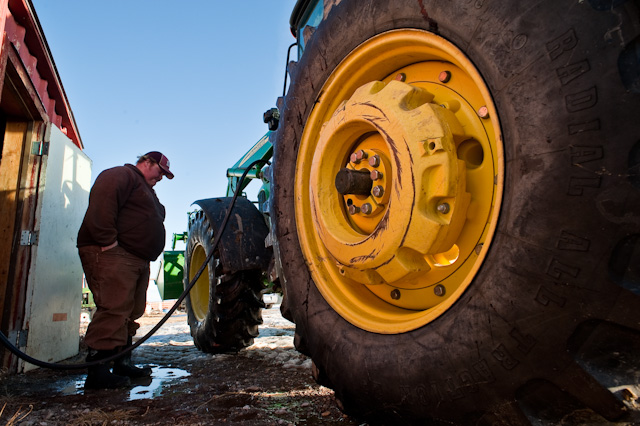
Jere VandenBos, 26, is one of those who’s sticking. “When I’m not shoeing, I’m out here doing something,” he says while shoeing one of the horses at his family’s cattle ranch. Jere’s brother Jeff, 22, works construction when he’s not gassing up the tractor to feed cattle and sister Gina breaks horses in nearby Shelby. “We all have different jobs to make it by,” Jere says, and none of them has plans to leave. “I like it around here,” Jeff says. “I need the construction job to get money so I can buy land, if it ever comes available, so we can run more cows.”
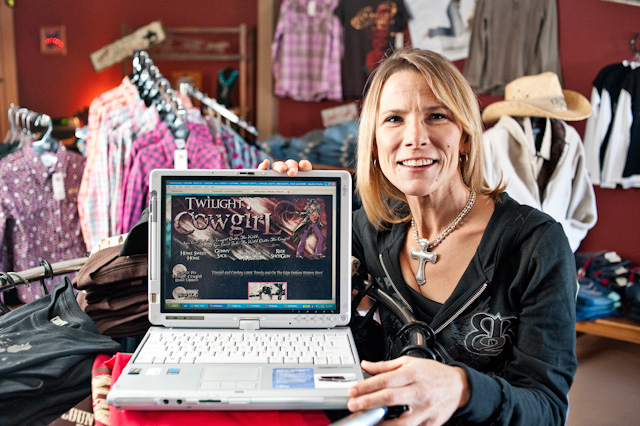
Another bright spot in Valier’s future is represented by Amber Widhalm, who was born and raised in Valier, left for six years for a career in title insurance in Arizona, and came back in April to turn her jewelry-making hobby into a successful Internet business. Her jewelry is now sold in seven stores in the U.S. and two in Australia and she has more than 7,500 Facebook fans. “Valier is a very quaint little town,” she says. “Most people leave after high school and then come back in their 30s and 40s.”
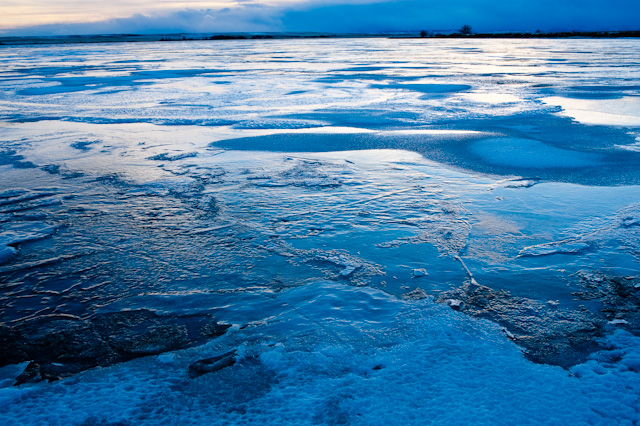
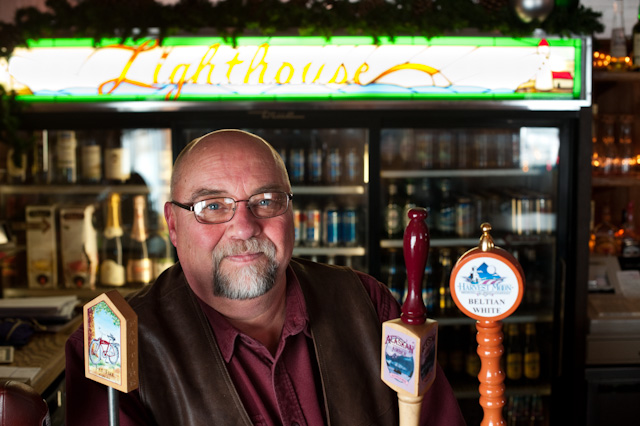
Bob Kovatch, 57, left after high school in 1971 and came back with his wife, Sue, and their kids in 1989. They bought an abandoned property on the shoreline of Lake Frances and started the Lighthouse restaurant on their youngest daughter’s sixth birthday three months later. “We had no money,” he says. “We just had an idea.” In addition to irrigating 80,400 acres of farmland, Lake Frances boasts a great walleye fishery and has accommodated wind surfers, snowmobile drag races, boating, swimming, water skiing and other fun activities. “I own an ice boat myself,” Kovatch says. In February every year, the firemen host a fishing derby that brings in about 400 entrants, doubling Valier’s population. “The lake is a very integral part of our area.”
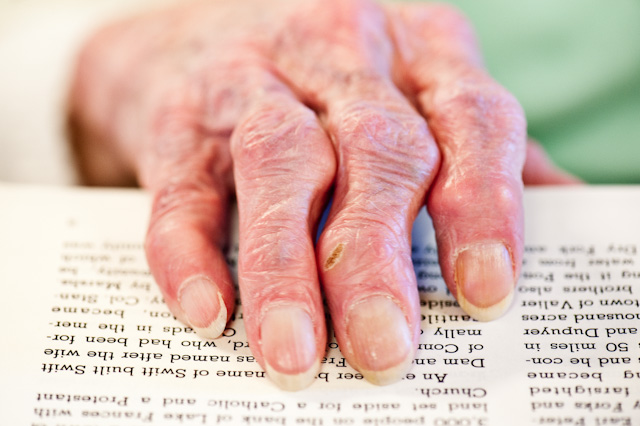
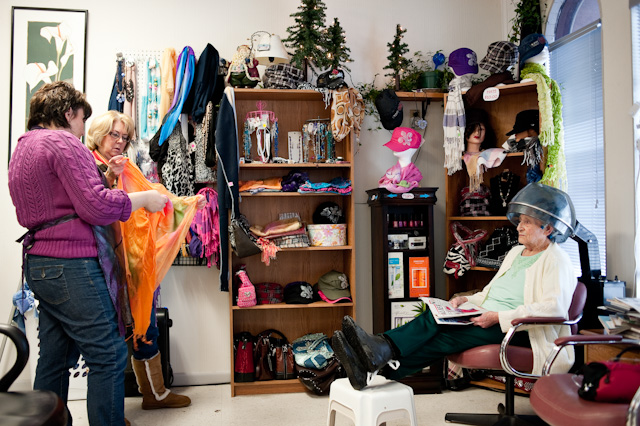
Wanda Hale, 85, gets her hair done every Friday by Charlene Henke at Charlene’s Cut ‘N Style and her hand keeps her place in a book of Valerian history. She was born on the far shore of Lake Frances when Valier was just 15 years old in January 1926, moved to town with her husband 20 years later and never left. She just finished 50 years as the clerk of the cemetery board. And she helped out after a terrible flood killed 19 people on June 7, 1964. “That night,” she says, “we talked to a man we knew and he said he didn’t know if any of his family survived. His little girl fell off the roof and drowned, but his boy and wife got off and were found. It was sad.” And she helped catch two bank robbers in the 1940s. “I walked right into the two guys who had robbed the bank. I was scared to death when I found out what was going on.”

Valerians come and go through the main intersection downtown on a December evening. Some are coming home, others are heading out and what Valier will look like in 10 years is anyone’s guess. Cyber business may supplant grain farming, tourism may take over, or it may just get old and fade away. Wanda Hale has 85 years of Valerian history to look back on for perspective: “Life goes on and you just kind of accept it.”
Montana’s state bird
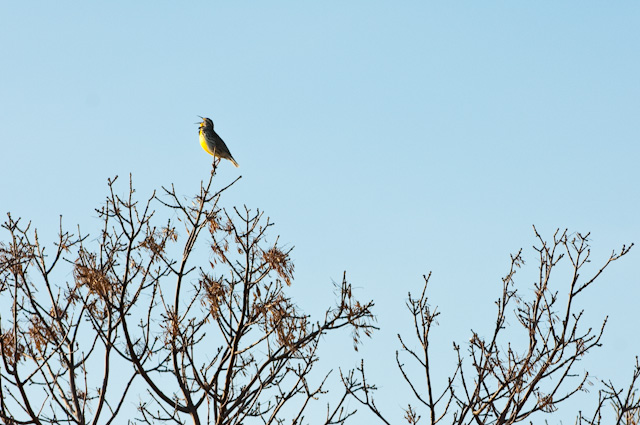
This is a western meadowlark, Montana’s state bird. I found this guy along the Missouri River south of Wolf Point, Montana, Tuesday. It wasn’t hard, he was a great singer.
My research tells me this fellow is likely marking his territory while waiting for a female.
Spring Thaw — I hope
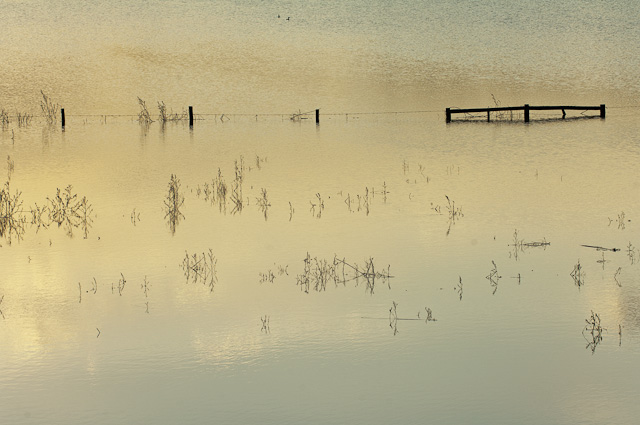
If you look closely, you can see some ducks swimming in this pasture near Glasgow, way up in northeast Montana. Spring doesn’t come all at once to Montana. The breaks between cold spells just get longer.
 Thomas Lee True West